Introduction
Once confined to dimly lit gaming cafés and basements, esports—short for electronic sports—has transformed into one of the world’s most dynamic entertainment industries. What began as friendly digital competitions has now evolved into a multibillion-dollar global ecosystem, blending technology, culture, and competition in a way that rivals traditional sports. With millions of players, vast online audiences, and professional leagues across continents, esports represents not just the future of gaming, but the evolution of modern entertainment.
The Origins of Esports
The First Competitions
The roots of esports can be traced back to the 1970s, when the earliest video game tournaments were organized around simple yet revolutionary games like Spacewar! and Pong. In 1980, Atari hosted one of the first large-scale gaming competitions—the Space Invaders Championship—which attracted over 10,000 participants. This event marked the first time gaming was recognized as a competitive and community-driven experience rather than a solitary pastime.
The Arcade Era and the Rise of High Scores
During the 1980s, arcades became the social hubs of gaming culture. Players competed for high scores on classics like Pac-Man, Donkey Kong, and Street Fighter. Though informal, these competitions helped lay the foundation for organized esports. Magazines and local communities celebrated record holders, while the concept of “gaming fame” began to take shape. The idea that someone could be known for their skill in a digital arena was born.
The 1990s: The Birth of Competitive Gaming Culture
LAN Parties and Early Tournaments
The 1990s saw technology advance rapidly, giving rise to personal computers and local area network (LAN) connections. This era introduced competitive multiplayer experiences through games like Doom, Quake, and StarCraft. LAN parties became a hallmark of early gaming culture, where players would haul their computers to friends’ houses to compete face-to-face.
The first true esports organizations began forming around this time. The Cyberathlete Professional League (CPL), founded in 1997, became a key pioneer, offering prize pools and organized leagues that legitimized competitive gaming. Players began to see gaming as more than a hobby—it was now a path to recognition and potential income.
The Rise of Real-Time Strategy and First-Person Shooters
Games like StarCraft in South Korea and Counter-Strike globally established competitive formats that remain influential today. South Korea, in particular, became the spiritual home of esports. Government investment in broadband infrastructure allowed for high-speed internet gaming, while television channels began broadcasting StarCraft matches. This cultural shift made esports a respected activity, even a career, in Korean society.
The 2000s: The Online Revolution
Broadband Internet Changes Everything
The 2000s marked the arrival of online connectivity as a mainstream reality. Broadband internet eliminated the need for LAN setups and allowed players from different countries to compete seamlessly. Games like Halo, Call of Duty, Warcraft III, and Counter-Strike: Source thrived online, attracting large communities.
Platforms such as Battle.net and Xbox Live introduced structured matchmaking systems, ranking players and tracking statistics. This transparency fostered competitive fairness and consistency, critical factors in esports’ long-term credibility.
The Emergence of Global Tournaments
The 2000s also gave rise to major tournaments like the World Cyber Games (WCG) and Electronic Sports World Cup (ESWC). These international competitions mirrored the structure of the Olympics, featuring national teams and global stages. The scale of these events demonstrated that gaming was not just entertainment—it was a legitimate sport with global reach and diverse participants.
Esports Meets Sponsorships
For the first time, brands began to notice the marketing potential of esports. Technology companies like Intel and Nvidia sponsored tournaments, providing the hardware and infrastructure that made competitive gaming possible. As money began flowing into the scene, professional teams emerged with sponsorships, salaries, and fan bases.
The 2010s: The Explosion of Esports
Streaming and Accessibility
If the 2000s laid the groundwork, the 2010s launched esports into the stratosphere. The rise of live-streaming platforms like Twitch and YouTube Gaming transformed how audiences consumed esports. Fans could now watch their favorite players compete live, interact with them, and follow tournaments from anywhere in the world. This interactivity bridged the gap between players and spectators, creating a new form of entertainment unique to gaming.
The Birth of Professional Leagues
This era saw the establishment of structured, franchise-based leagues similar to traditional sports. Titles like League of Legends, Dota 2, and Overwatch developed professional circuits featuring teams, seasonal play, and international finals. Riot Games’ League of Legends Championship Series (LCS) and Valve’s The International (for Dota 2) became annual spectacles drawing millions of viewers and offering multimillion-dollar prize pools.
The International and Prize Pool Growth
When The International 2011 launched with a $1 million prize pool, it set a precedent. By 2019, that same tournament offered over $34 million—one of the largest prize pools in sports history. Community crowdfunding through in-game purchases contributed to these enormous sums, showing how deeply invested fans were in supporting esports.
The Ecosystem of Esports
Players and Teams
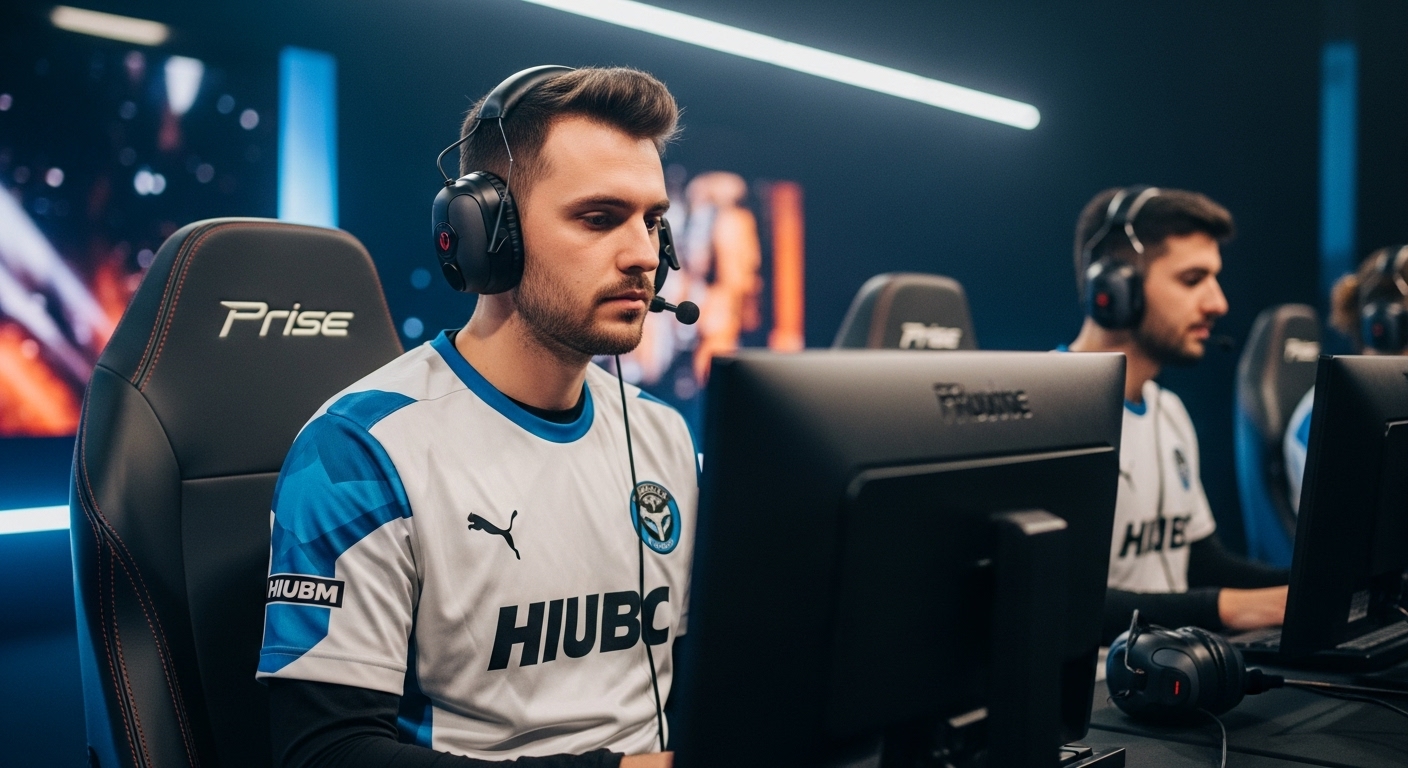
At the heart of esports are the players—highly skilled, disciplined, and strategic competitors who train for hours daily. Esports athletes often follow rigorous schedules that include practice, fitness, nutrition, and mental conditioning. Teams such as Fnatic, Cloud9, Team Liquid, and T1 have become household names in the gaming world, each representing excellence and innovation.
Coaches and Analysts
Just like in traditional sports, esports teams employ coaches, analysts, and strategists. They review gameplay footage, devise tactics, and monitor player performance. Data analytics has become a key aspect of competitive success, with teams studying opponents’ tendencies and optimizing in-game decisions.
Organizers and Event Production
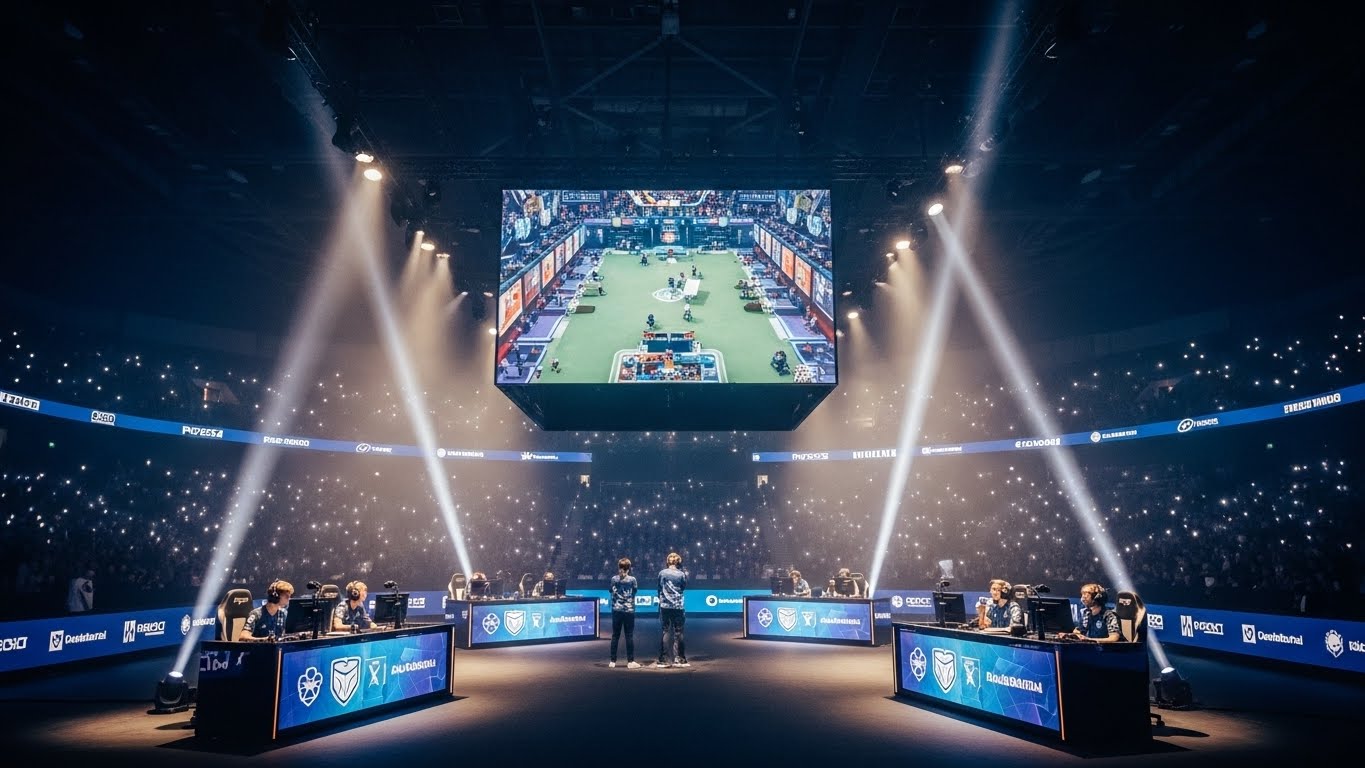
Behind every major tournament are event organizers, production crews, and casters. Companies like ESL and DreamHack have elevated event production to a cinematic level, featuring live audiences, massive LED stages, and broadcast-quality commentary. These events rival major sports broadcasts in both presentation and excitement.
Fans and Community
The esports audience is one of its greatest strengths. Fans are passionate, tech-savvy, and globally connected. They engage across platforms, participate in discussions, create fan art, and even analyze statistics. Esports fandom transcends geography and language barriers, uniting millions under a shared passion for gaming.
The Role of Technology in Esports Growth
Advancements in Hardware and Software
Modern esports would not exist without technological progress. Powerful processors, high-refresh-rate monitors, and optimized game engines ensure seamless competitive experiences. Developers design games with balance and fairness in mind, while platforms enforce anti-cheat systems to maintain integrity.
Streaming and Social Media Integration
Social media platforms amplify esports’ reach. Twitter, TikTok, and Instagram enable players to build personal brands and engage directly with fans. Streaming allows real-time interaction, fostering intimacy that traditional athletes often lack. This democratization of fame empowers even amateur players to build followings and enter the professional scene.
Virtual Reality and Mobile Esports
The next frontier includes virtual and mobile gaming. Titles like PUBG Mobile and Mobile Legends: Bang Bang have made esports accessible to millions in regions with limited PC infrastructure. As VR technology matures, immersive competitive formats could redefine what esports looks like in the coming decade.
Esports and Traditional Sports: Convergence and Respect
From Rivalry to Partnership
Initially, traditional sports organizations viewed esports with skepticism. Critics dismissed gaming as entertainment, not athleticism. However, as esports’ global audience surpassed hundreds of millions, many traditional sports leagues began investing directly. Football clubs like Paris Saint-Germain, NBA teams, and Formula 1 franchises have launched esports divisions, recognizing the synergy between athletic competition and digital strategy.
Shared Values of Competition and Teamwork
Despite the differences in medium, esports and traditional sports share core values—discipline, teamwork, strategy, and performance under pressure. Esports players endure intense training regimens and face similar physical and mental stresses as athletes. Reaction speed, coordination, and decision-making are honed to near perfection.
The Business of Esports
Revenue Streams and Monetization
The esports industry’s revenue model includes sponsorships, advertising, media rights, merchandise, and ticket sales. Sponsorships are the dominant source, accounting for a large percentage of total income. Brands ranging from hardware manufacturers to soft drink companies see esports as a gateway to reach younger, digital-native audiences.
Media rights have also become a lucrative avenue. Platforms pay to stream tournaments, while broadcasters integrate esports coverage into mainstream networks. This visibility further cements esports’ legitimacy as a professional domain.
Career Opportunities Beyond Playing
Esports has spawned diverse career paths beyond being a professional player. Roles in broadcasting, event management, marketing, data analytics, game design, and psychology all play a part in sustaining the ecosystem. Universities now offer esports degrees, and many institutions field varsity-level esports teams.
Challenges Facing Esports
Health and Burnout
The intense demands of professional gaming can lead to burnout, repetitive strain injuries, and mental health challenges. Players often retire in their early twenties due to the physical and cognitive toll of high-level competition. Esports organizations are increasingly recognizing the importance of balanced lifestyles and mental wellness programs.
Regulation and Governance
Unlike traditional sports, esports lacks a unified governing body. Each game publisher controls its own competitive ecosystem, leading to fragmented rules, varying standards, and inconsistent player protections. Calls for standardized regulations, player unions, and anti-doping measures continue to grow as the industry matures.
Cheating and Integrity
Cheating remains a persistent threat. From software hacks to match-fixing scandals, maintaining integrity is crucial. Advanced anti-cheat technologies, player monitoring, and legal frameworks have improved accountability, but continued vigilance is essential to preserve credibility.
Esports and Education
Academic Recognition
Educational institutions increasingly recognize esports as an avenue for learning and personal growth. Colleges and universities worldwide now offer scholarships to talented players, treating gaming achievements as legitimate extracurricular accomplishments. Esports programs teach teamwork, leadership, time management, and digital literacy.
STEM and Esports Synergy
Esports also promotes STEM (Science, Technology, Engineering, Mathematics) engagement. Students interested in gaming often develop curiosity about programming, networking, and design. This intersection between gaming and technology nurtures future innovators.
Esports as a Cultural Movement
Redefining Entertainment
Esports has transcended gaming—it has become a cultural force. Its influence can be seen in music, fashion, and film. Celebrities and influencers collaborate with gaming brands, while major events integrate live music and artistic performances. The line between entertainment and sport is increasingly blurred.
Inclusivity and Diversity
Though historically male-dominated, esports is gradually becoming more inclusive. Female gamers, LGBTQ+ competitors, and players from diverse backgrounds are gaining visibility and recognition. Initiatives promoting diversity within esports help ensure that the industry represents the global community it serves.
The Future of Esports
Mainstream Acceptance and Global Expansion
Esports’ future points toward greater integration with mainstream culture. With television broadcasts, stadium events, and crossovers with entertainment industries, it’s only a matter of time before esports stands shoulder-to-shoulder with football or basketball in global prominence. The inclusion of esports as a demonstration event in major sporting festivals symbolizes its growing legitimacy.
The Metaverse and Esports Integration
As virtual worlds and the concept of the metaverse evolve, esports may become a central pillar of digital society. Players and fans could interact in shared virtual environments, attend holographic tournaments, and experience competition in unprecedented ways.
Sustainability and Longevity
Sustainability—both financial and environmental—will shape esports’ long-term success. Eco-friendly event planning, responsible gaming practices, and continuous innovation are key. As generations grow up immersed in gaming culture, esports is poised to remain not just relevant but dominant in the entertainment landscape.
Conclusion
From its humble beginnings in arcades to filling massive stadiums and commanding global audiences, esports has defied expectations. It stands as a testament to human creativity, technology, and the unending desire for competition. The line separating virtual and physical sport is dissolving, giving birth to a new era of global entertainment.
Esports is no longer just about games—it’s about connection, innovation, and the shared pursuit of excellence. As the industry continues to expand, it will inspire the next generation to dream bigger, play harder, and redefine what it means to be an athlete in the digital age.