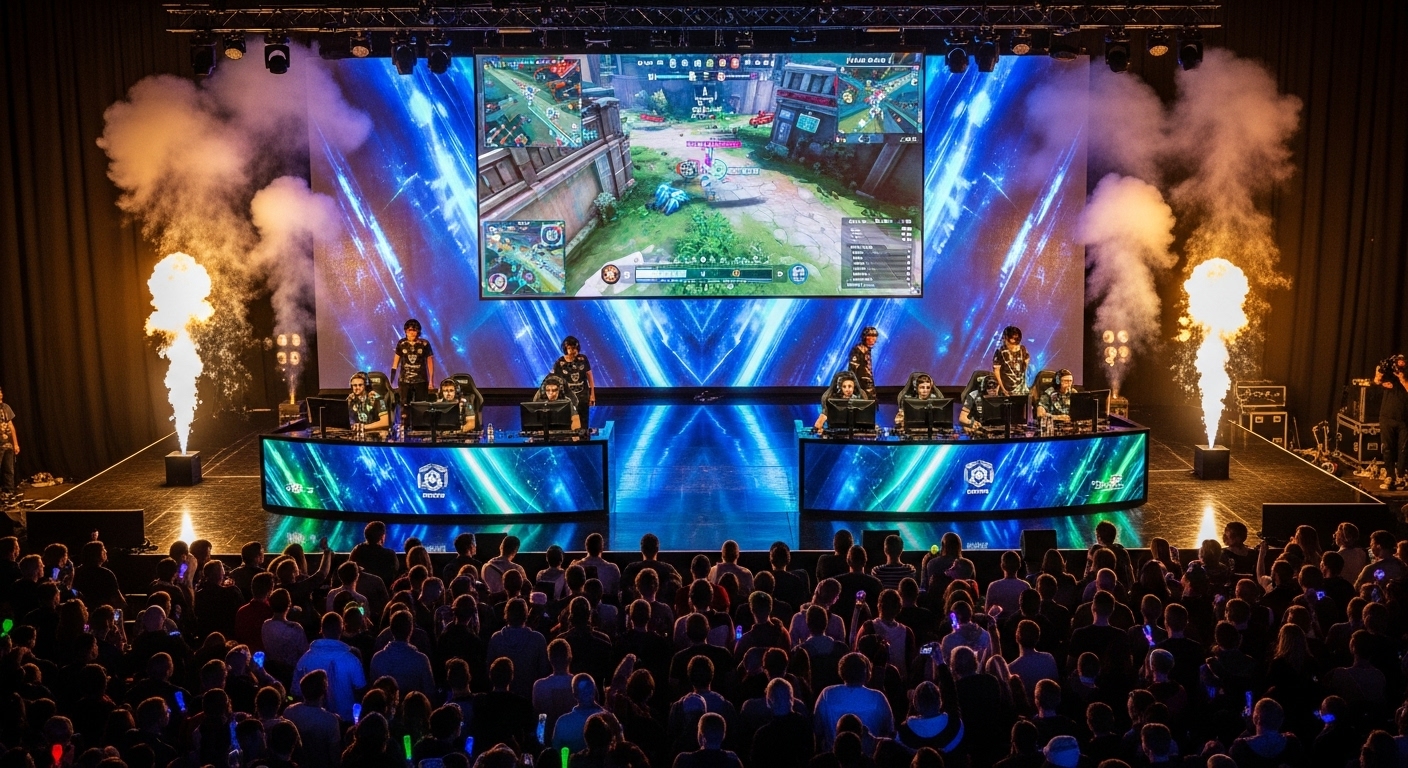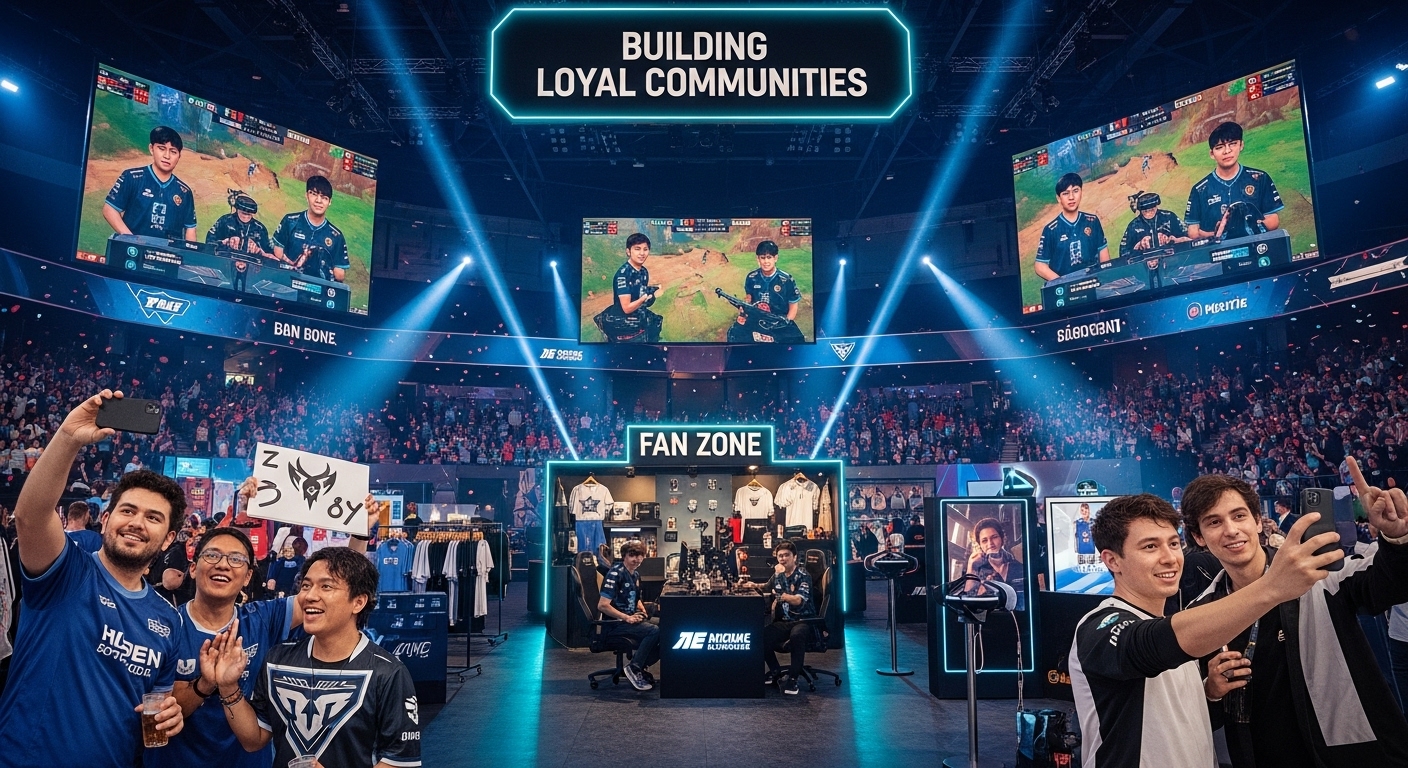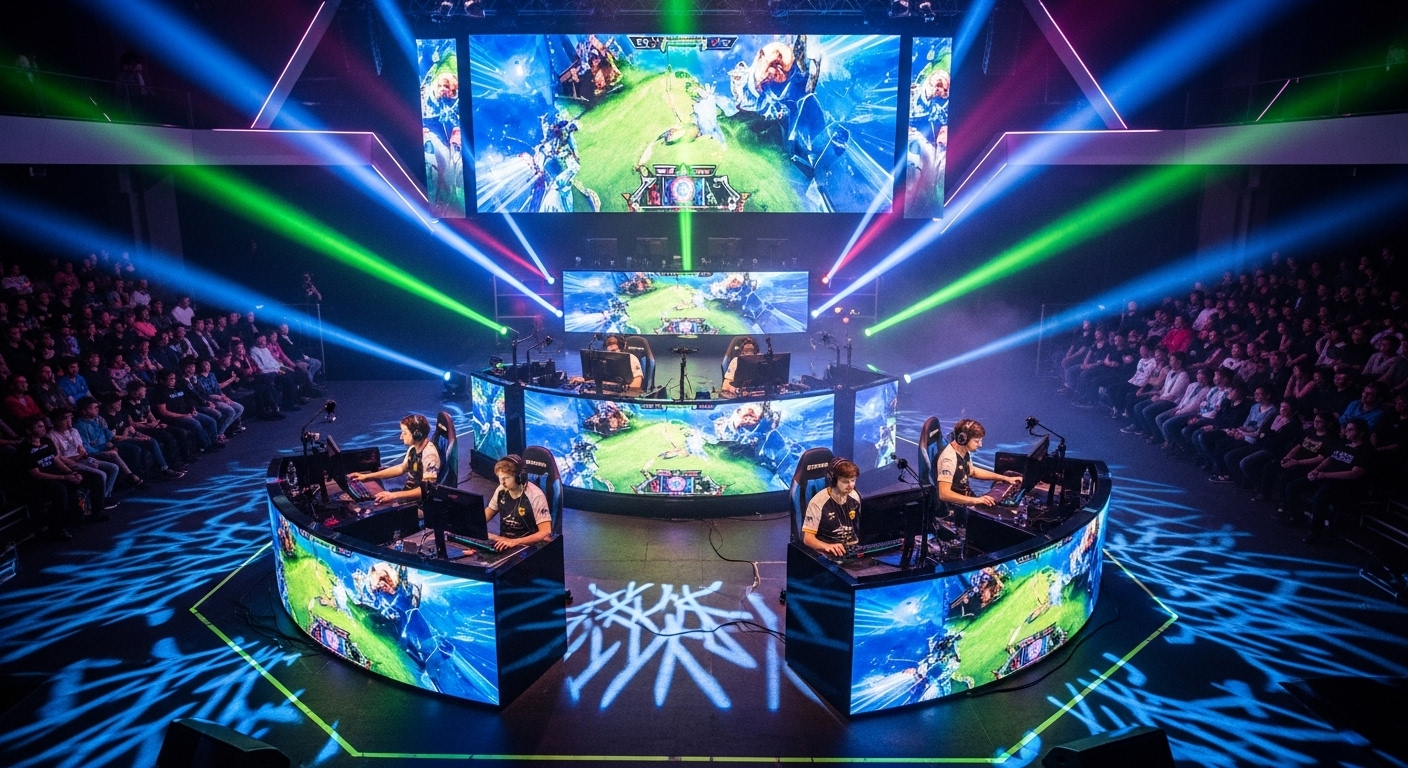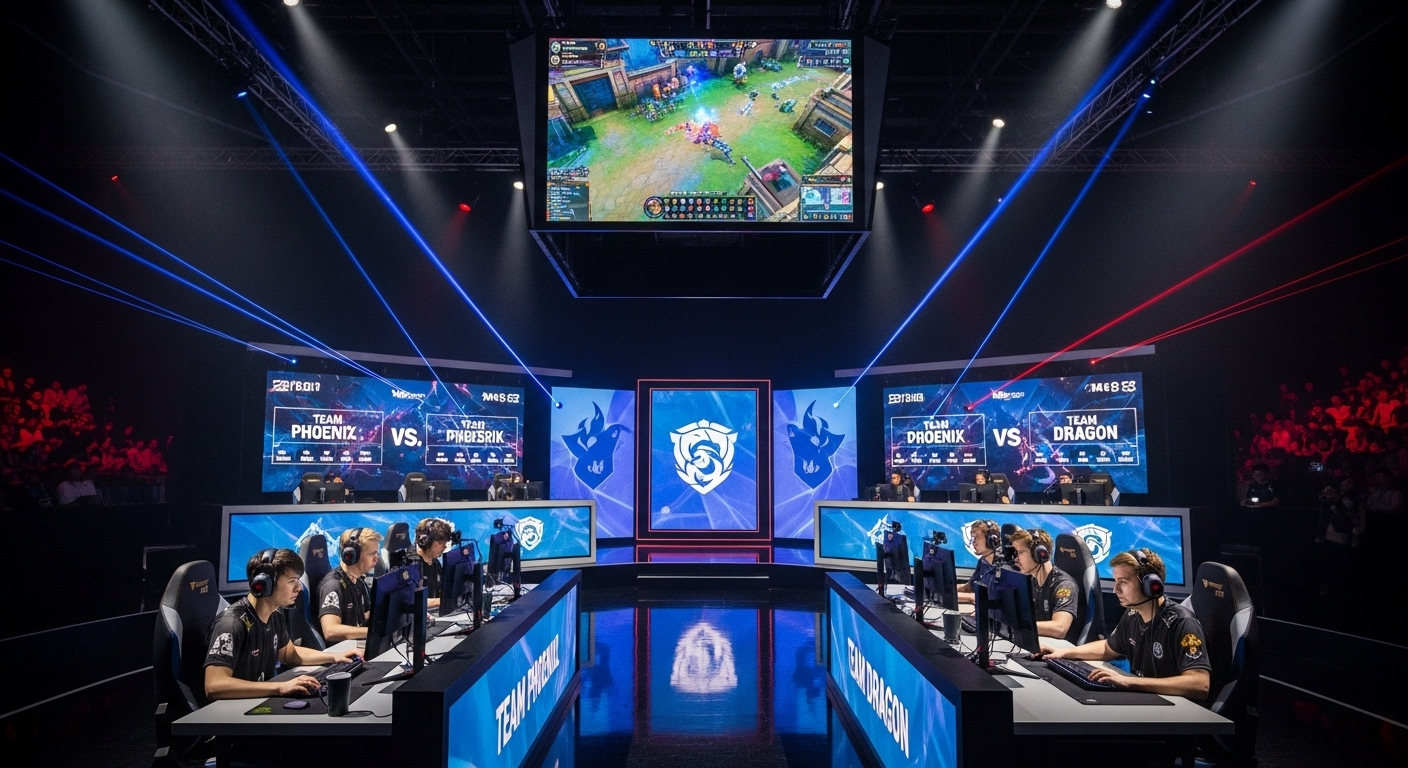
Esports, short for electronic sports, has exploded in popularity over the past two decades, transforming from a niche hobby into a global entertainment industry. Once seen as a pastime for gamers, esports now represents a multi-billion-dollar market with professional players, massive audiences, and lucrative sponsorships. This blog post explores the rise of esports, its impact on gaming culture, and its potential future.
The Birth of Esports: Early Days and Grassroots Growth
Esports has its roots in the early days of competitive video gaming. In the 1970s and 1980s, arcade games such as Space Invaders and Pong were the first to encourage competition among players. However, it wasn’t until the 1990s that esports, as we know it today, began to take shape.
The true foundation of modern esports can be traced back to the first organized tournaments that took place in the late ’90s. Games like Quake, StarCraft, and Warcraft became popular among competitive gamers. These games had complex mechanics and deep strategies that made them ideal for competitive play. In 1997, the Red Annihilation tournament for Quake set the stage for what would become an annual tradition of large-scale esports events.
In the early 2000s, esports events became more structured and organized, with professional leagues and sponsorships beginning to emerge. One of the most notable milestones came in 2001 when the World Cyber Games (WCG) held its first global competition in Seoul, South Korea. This event is widely regarded as the first international esports tournament, and it helped to spark the global growth of competitive gaming.
The Rise of Streaming and Online Platforms
The rise of streaming platforms like Twitch, YouTube Gaming, and Facebook Gaming has been a game-changer for the esports industry. Twitch, which was launched in 2011, allowed gamers to broadcast their gameplay live to an audience. This new avenue for exposure not only allowed professional players to showcase their skills but also enabled amateur gamers to build a following and gain recognition.
Streaming provided a level of interactivity between players and viewers that traditional sports couldn’t match. Fans could watch their favorite players live, interact with them through chat, and even influence the outcome of games through donations and support. The popularity of streaming led to the rise of “influencers” in the gaming world—content creators who amassed millions of followers and monetized their online presence through ads, sponsorships, and merchandise.
Twitch’s rapid growth, in particular, has been closely tied to the rise of esports tournaments. Large events like The International, the championship tournament for Dota 2, are streamed live to millions of viewers worldwide. In fact, The International has become one of the largest esports events, regularly attracting prize pools exceeding $30 million, much of which is crowdfunded by fans.
The Role of Sponsorships and Media Deals
As esports gained mainstream recognition, it began to attract sponsorships from major brands across various industries. Companies like Intel, Coca-Cola, Red Bull, and Audi have all sponsored esports events, teams, and individual players. These sponsorships are crucial for the growth and sustainability of esports, providing the financial support needed to host large-scale tournaments and pay players and coaches.
In addition to sponsorships, media deals have played a significant role in boosting the profile of esports. Networks like ESPN, Turner Sports, and ABC have aired esports competitions, while streaming platforms like Twitch and YouTube provide the primary venues for esports content. The cross-promotion of esports on traditional sports channels and vice versa has helped expand the audience for both. In some cases, esports tournaments have even been featured as part of traditional sporting events, further cementing esports’ place in mainstream culture.
The impact of media deals is not limited to television and online platforms. Many esports leagues and teams have also signed partnerships with brands to create exclusive merchandise, apparel, and even gaming peripherals. These deals give fans the opportunity to show support for their favorite teams while contributing to the overall financial health of the industry.
The Growth of Professional Esports Leagues
One of the most significant developments in esports has been the formation of professional leagues, similar to those seen in traditional sports. These leagues provide structure, organization, and a level of legitimacy that has helped propel esports into the mainstream.
The League of Legends Championship Series (LCS), founded in 2013 by Riot Games, is one of the most successful esports leagues in the world. The LCS is a major example of how esports leagues operate, with teams competing in regular seasons followed by playoffs and a grand final. The LCS offers players substantial salaries, sponsorships, and opportunities to compete for lucrative prize pools. Additionally, the league has expanded into a global competition, with regional leagues in North America, Europe, China, and South Korea, among others.
Similarly, the Overwatch League (OWL), launched in 2018, introduced a city-based franchise model to esports, similar to traditional sports leagues like the NBA or NFL. Each OWL team represents a city and competes in a regular season format, with the ultimate goal of winning the grand championship. This franchising model has attracted significant investments, with some teams being valued at over $20 million.
The success of these leagues has encouraged other developers to create their own professional competitions. Call of Duty, FIFA, Rocket League, and PUBG have all launched their own leagues, contributing to the rise of esports as a global industry. As more and more games adopt professional structures, esports is becoming increasingly organized, leading to more sustainable career opportunities for players, coaches, analysts, and content creators.
The Impact of Esports on Youth Culture and Education
Esports is not just a form of entertainment—it’s also influencing youth culture in profound ways. For many young people, gaming is more than just a hobby; it’s a career path and a passion. The rise of esports has led to the growth of esports programs in schools and universities, where students can participate in competitive gaming, receive scholarships, and even earn degrees in fields related to gaming and esports management.
In addition to formal education, esports has become a valuable tool for teaching important life skills, such as teamwork, communication, strategy, and time management. Esports teams often require players to work together to develop strategies, practice regularly, and maintain peak performance. These skills are transferable to a variety of careers outside of gaming, making esports a valuable educational tool for today’s youth.
The popularity of esports has also had a cultural impact. Professional gamers have become celebrities in their own right, with large fan bases and social media followings. Players like Faker (Lee Sang-hyeok) of League of Legends and S1mple (Oleksandr Kostyliev) of Counter-Strike: Global Offensive are household names among gaming enthusiasts, and their influence extends beyond the gaming world into mainstream culture.
The Future of Esports: Trends and Possibilities
As esports continues to grow, there are several trends and possibilities that could shape its future. One of the most exciting developments is the potential for esports to become an Olympic sport. While esports has yet to be formally included in the Summer or Winter Olympics, the International Olympic Committee (IOC) has expressed interest in exploring the possibility of incorporating esports into future Games. This would mark a significant milestone for the esports industry, bringing it into the fold of global sports recognition.
Another key trend is the continued convergence of esports and traditional sports. Many traditional sports teams and organizations have invested in esports, either by purchasing esports teams or establishing their own esports divisions. This cross-industry collaboration has led to innovations in team branding, fan engagement, and event production.
The development of virtual reality (VR) and augmented reality (AR) technology also has the potential to revolutionize esports. These technologies could create new gaming experiences that are more immersive and interactive, providing players and spectators with new ways to engage with the games they love.
Finally, the increasing global reach of esports means that new markets will continue to emerge. While esports is currently most popular in regions like North America, Europe, and East Asia, countries in the Middle East, Latin America, and Africa are starting to invest in esports infrastructure, tournaments, and education. As these markets develop, esports will become even more diverse and accessible to players and fans worldwide.
Conclusion
Esports has come a long way from its humble beginnings in arcades and living rooms. Today, it is a global industry that spans continents, attracts millions of fans, and provides career opportunities for players, coaches, content creators, and event organizers. The rise of esports has had a profound impact on gaming culture and youth education, and it shows no signs of slowing down.
As the industry continues to evolve, esports will likely become an even more integral part of entertainment and sports culture. Whether through new technological advancements, international growth, or partnerships with traditional sports, the future of esports is bright. For gamers, fans, and industry professionals alike, the best is yet to come.