Esports, once seen as a niche subculture, has exploded into a multi-billion-dollar global phenomenon. With millions of viewers, players, and fans from all corners of the world, esports has made its mark in the entertainment and sports industries. This blog post dives deep into the rise of esports, examining its origins, its impact on the gaming world, its economic significance, and its future potential.
What is Esports? Understanding Competitive Gaming
At its core, esports is simply competitive video gaming. Unlike traditional gaming where players engage for personal enjoyment, esports takes gaming to the next level by introducing organized competitions, professional teams, sponsorships, and massive tournaments. Players across the world compete in various game titles, with some games having dedicated leagues and events.
Esports spans a wide variety of genres, including real-time strategy games like “StarCraft,” first-person shooters such as “Counter-Strike,” multiplayer online battle arenas (MOBAs) like “League of Legends” and “Dota 2,” and battle royale games such as “Fortnite.” These titles have turned into global phenomena, with millions of fans tuning in to watch professional players battle it out for fame, glory, and hefty cash prizes.
What sets esports apart from regular gaming is its competitive aspect. Professional gamers often practice for hours a day, honing their skills to compete at the highest level. These players not only have immense talent but also work closely with their teams and coaches to improve their gameplay strategies and mental fortitude.
The History of Esports: From Hobby to Industry
Esports, as we know it today, is the result of decades of evolution. Its roots can be traced back to the 1970s when gaming competitions were first held on a small scale. The first major esports event took place in 1972, called the “Intergalactic Spacewar Olympics,” which was centered around the game Spacewar, held at Stanford University.
However, it wasn’t until the late 1990s and early 2000s that esports started gaining serious traction. Games like Quake and StarCraft provided the foundation for competitive gaming, as both featured multiplayer modes that allowed players to go head-to-head online. In 1997, the “Red Annihilation” tournament, which was based on Quake, awarded a Ferrari to the winner and garnered widespread attention, demonstrating that competitive gaming could be big business.
The real turning point came in the early 2010s with the rise of live streaming platforms such as Twitch, which launched in 2011. For the first time, gamers could broadcast their gameplay to a massive audience in real-time. Esports tournaments began to gain significant attention, and online platforms provided a way for fans to watch and support their favorite players and teams. The development of online gaming, high-speed internet, and digital broadcasting allowed esports to reach a global audience, turning it into the multi-billion-dollar industry it is today.
The Growing Popularity of Esports: A Global Phenomenon
The exponential growth of esports has been nothing short of astonishing. What was once a fringe hobby has now become a mainstream spectacle, attracting millions of viewers across the globe. Esports tournaments have drawn in large audiences, with events like The International (the championship for Dota 2) and the League of Legends World Championship regularly broadcasting to millions of viewers around the world. In fact, the 2019 League of Legends World Championship attracted over 100 million viewers, surpassing many traditional sports events in terms of global viewership.
But the appeal of esports goes beyond just the viewers. The accessibility of esports as a form of entertainment has contributed significantly to its success. Unlike traditional sports, where physical space and equipment can be limiting factors, all you need to compete in esports is a computer or gaming console and an internet connection. This has democratized the ability to play at a high level, opening the doors to players from diverse backgrounds, regions, and economic statuses.
Moreover, the rise of social media platforms, such as Twitch and YouTube, has further boosted esports’ reach. These platforms allow players to livestream their matches and connect with their fanbase in real-time, creating a level of intimacy between fans and players that is unmatched by traditional sports. The engagement is real-time, with players and viewers often interacting directly via chat and social media posts, creating a dynamic fan culture that fosters deeper loyalty and excitement.
The Financial Boom of Esports: A Multi-Billion Dollar Industry
The economic impact of esports is staggering. According to recent industry reports, the global esports market was valued at over $1 billion in 2020, with projections showing it will continue to grow at a rapid pace. By 2025, the esports industry is expected to generate $1.62 billion in revenue. This growth is being driven by multiple revenue streams, including sponsorships, advertising, media rights, merchandise, and ticket sales.
One of the primary sources of revenue for esports organizations is sponsorship. Brands such as Intel, Nike, Coca-Cola, and Red Bull have partnered with esports teams and events to tap into the lucrative, tech-savvy audience that esports attracts. These sponsorships are not just limited to tournament prizes and team contracts but also extend to player endorsements and branding deals. Esports organizations are now signed up with some of the biggest names in business, and the sponsorship deals are helping players, teams, and tournament organizers to generate substantial income.
Another key revenue stream is media rights. Major broadcasting deals with platforms like ESPN, YouTube, and Twitch have brought esports into the mainstream, allowing fans to watch tournaments live from the comfort of their homes. Traditional sports broadcasters, such as ESPN, have begun airing esports events on television, showing the growing recognition of esports as a legitimate competitive sport.
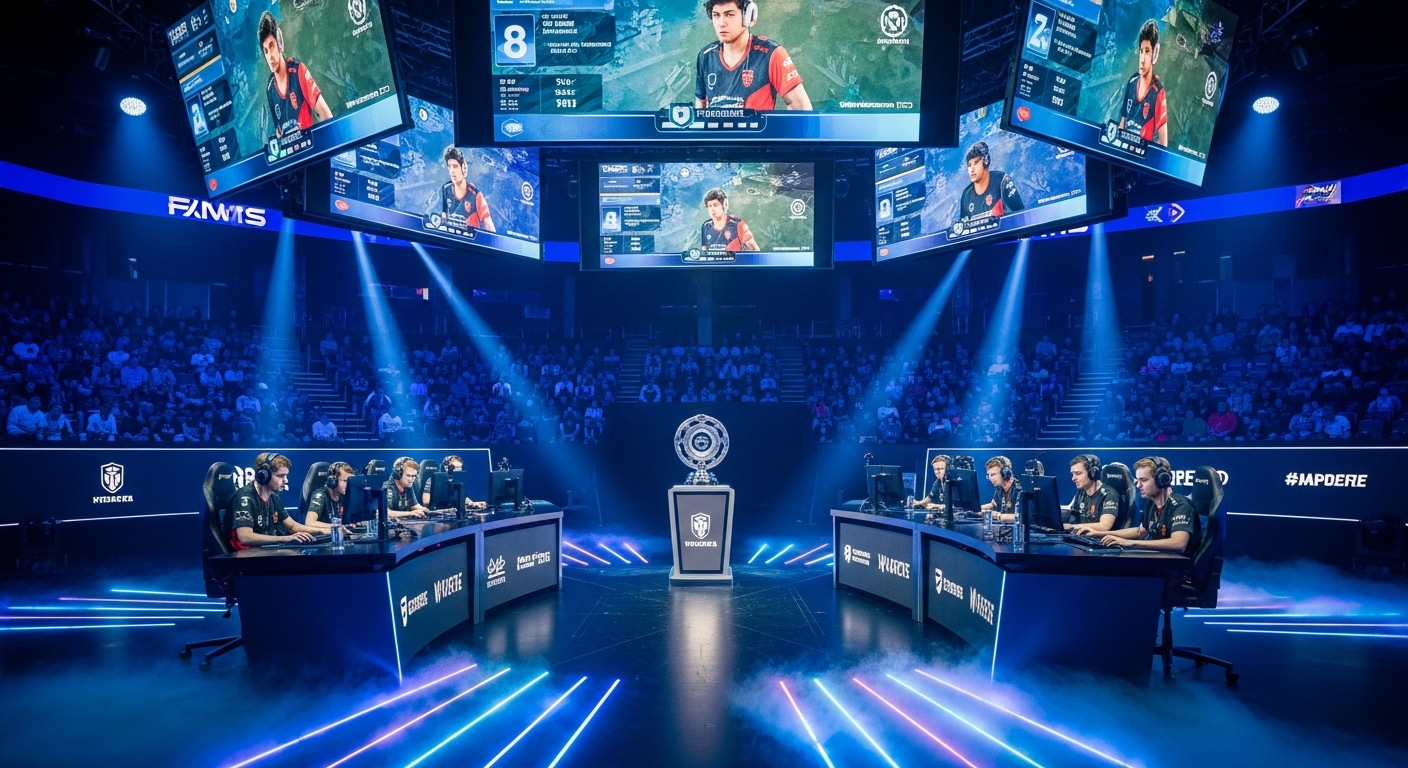
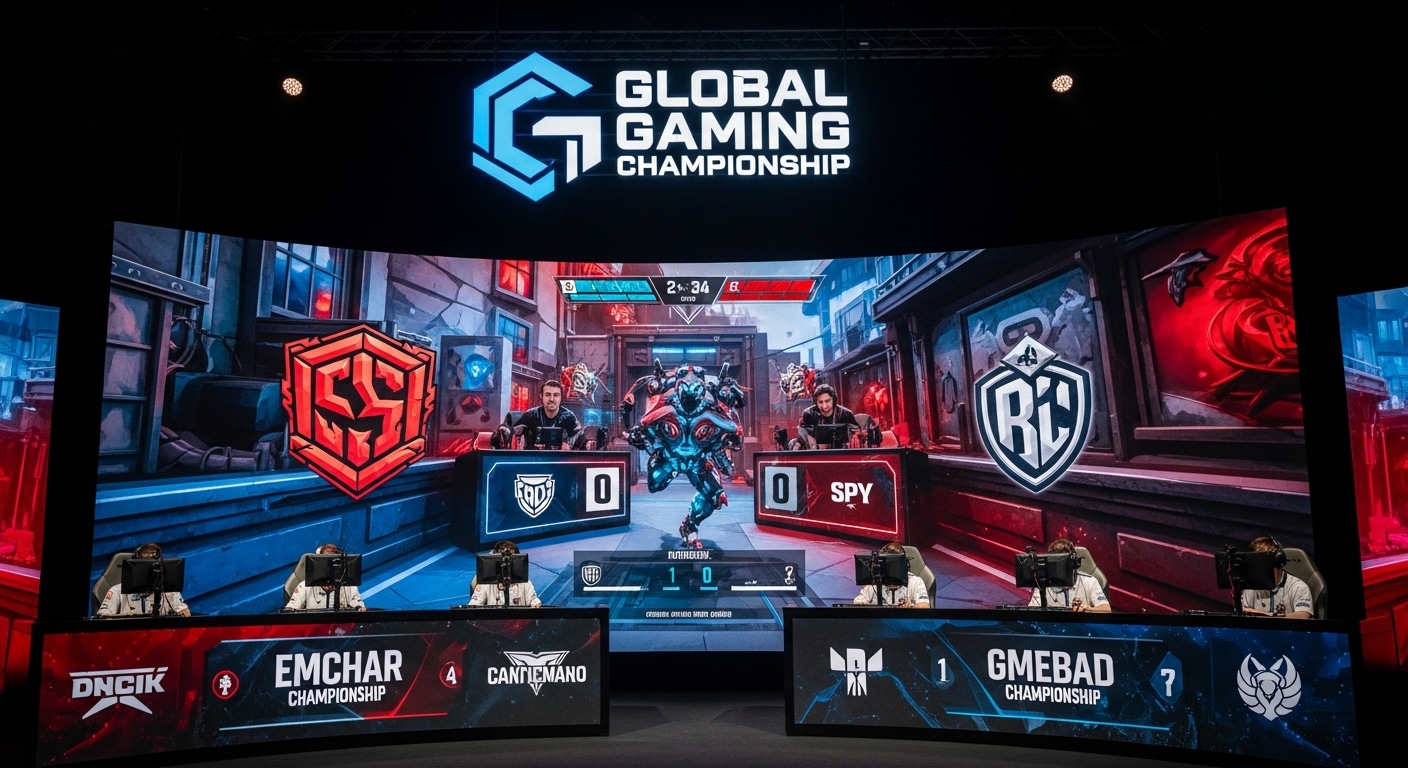
Ticket sales for live events are another significant source of revenue. While esports began primarily as an online phenomenon, in recent years, live events have become a major part of the esports calendar. Major tournaments are held in large arenas, sometimes attracting tens of thousands of fans in person, with high-profile events such as The International filling massive stadiums. These live events not only contribute to ticket revenue but also boost merchandise sales and fan engagement, creating a vibrant in-person experience.
Esports and the Rise of Professional Players and Teams
The growth of esports has led to the rise of professional players and teams. Just like traditional sports, esports features organized teams that compete in various titles. These teams are made up of highly skilled individuals who undergo rigorous training, often practicing up to 12 hours a day to stay at the top of their game. Some professional esports players have even gained celebrity status, with their individual brands often rivaling those of popular athletes in traditional sports.
Players in esports can make substantial incomes, particularly those competing in high-profile tournaments like The International for Dota 2 or the Fortnite World Cup. The best players are often rewarded with lucrative sponsorship deals, team salaries, and performance bonuses, making it possible for them to earn six-figure salaries or more. In addition, many players also monetize their personal streams on platforms like Twitch, where they interact with their fans and showcase their gameplay.
Esports teams have become major organizations in their own right. Teams like Team Liquid, Cloud9, and Fnatic have grown into large brands, signing top-tier players from across the world and securing sponsorships from multinational corporations. These teams compete not only in individual games but also in cross-game events, often putting together rosters for multiple esports titles.
Just like traditional sports teams, esports organizations now employ managers, analysts, and coaches to optimize performance and improve strategic planning. This professionalization has taken esports beyond its roots as a “hobby” and turned it into a serious, competitive field that mirrors traditional sports in structure and approach.
The Future of Esports: Continued Growth and Evolution
Looking ahead, the future of esports appears incredibly promising. The industry is still in its early stages of growth, with opportunities for expansion on multiple fronts. One of the most exciting developments in esports is its integration with emerging technologies like virtual reality (VR) and augmented reality (AR). As VR and AR continue to evolve, esports could see the introduction of new immersive formats, providing fans with an even more interactive viewing experience.
Esports is also likely to become more integrated into mainstream culture. With universities offering esports scholarships and institutions developing dedicated esports programs, we may see esports continue to gain legitimacy as a career path. The inclusion of esports in educational curricula, as well as its increasing presence in high school sports programs, will help foster the next generation of players, coaches, analysts, and organizers.
Another potential development for esports is its inclusion in traditional sports leagues and major international events. The growing popularity and acceptance of esports could lead to its eventual inclusion in the Olympics or other major sports competitions, further solidifying its position as a global phenomenon.
Conclusion: Esports – A New Era in Competitive Entertainment
Esports is no longer just a hobby or a niche interest; it is a full-blown cultural and economic force. With its massive audience, burgeoning industry, and professional ecosystem, esports has firmly established itself as a new form of competitive entertainment. As the industry continues to grow and evolve, we can expect esports to continue reshaping the way we think about competition, entertainment, and sports in the 21st century. Whether you’re a casual gamer or an aspiring professional, esports is a dynamic and exciting field that will only become more influential in the years to come.