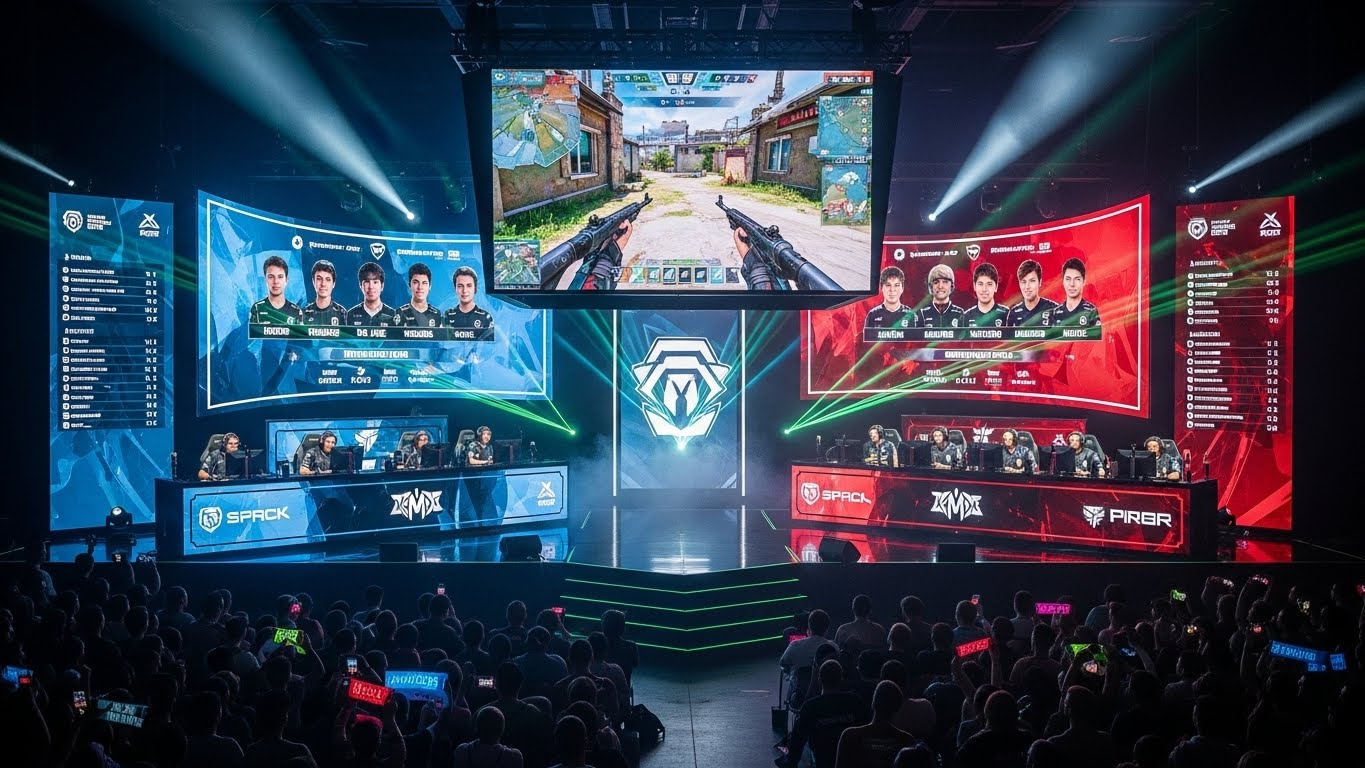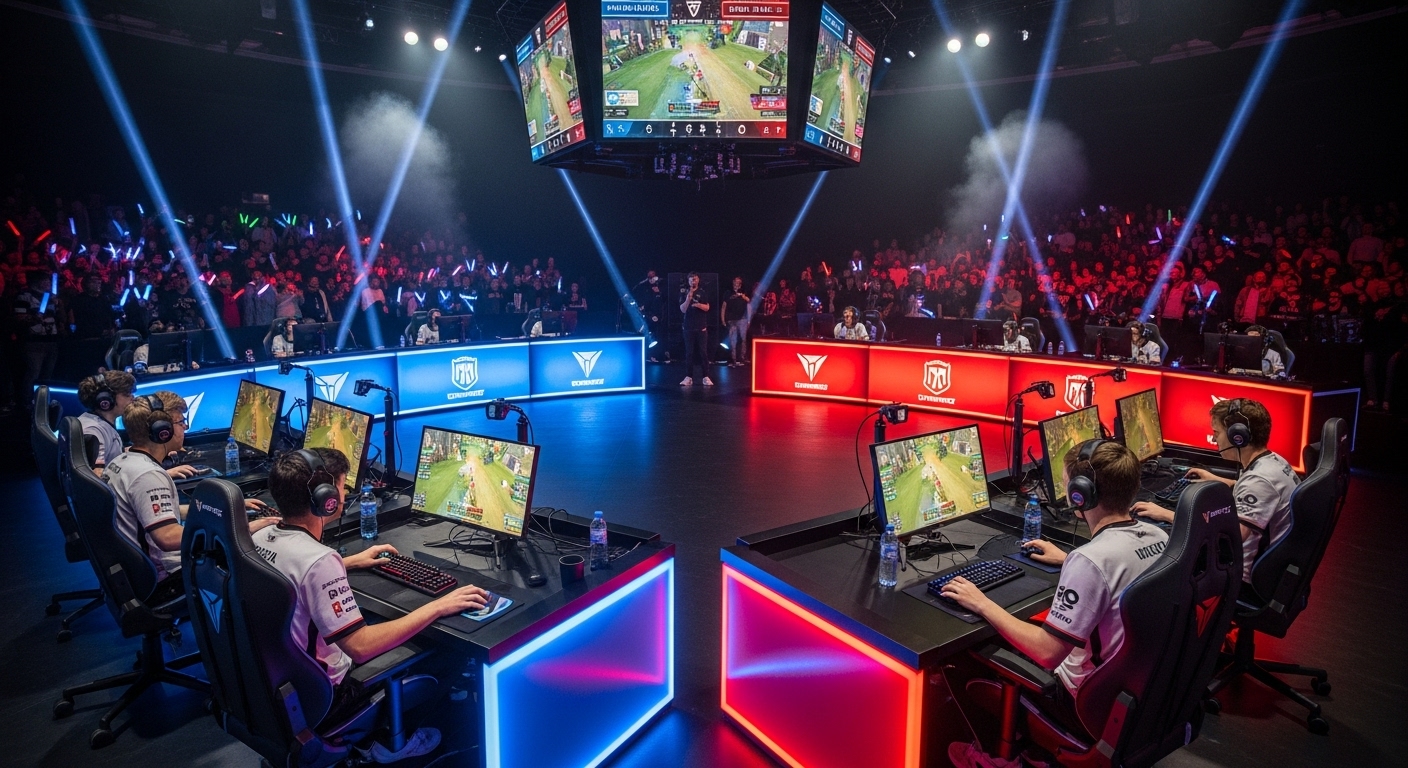
Esports, once a niche hobby for avid gamers, has become a global powerhouse in entertainment, rivaling traditional sports in viewership, revenue, and influence. What began as local LAN tournaments in the late 1990s has blossomed into a billion-dollar industry with millions of fans, professional teams, and international events. Today, esports is more than just a competition—it’s a cultural phenomenon that has reshaped how we think about sports, entertainment, and digital media. In this blog post, we will delve into the rise of esports, explore the key factors behind its success, and analyze how competitive gaming is evolving as a cornerstone of modern entertainment.
The Birth of Esports: From Casual Play to Global Tournaments
The origins of esports can be traced back to the early days of competitive video gaming, where players would gather for small-scale, informal tournaments. In the 1990s, multiplayer games like Doom and Quake were among the first titles to introduce competitive play, where gamers could battle it out in LAN (Local Area Network) settings. These events were often limited to a specific region or venue, but they laid the foundation for a competitive scene that would eventually scale to global proportions.
By the late 1990s and early 2000s, the rise of broadband internet and more sophisticated multiplayer games marked the beginning of esports as we know it today. Games like StarCraft, Warcraft III, and Counter-Strike became the catalysts for larger competitions, attracting attention from both players and viewers. Early esports tournaments were often hosted in convention centers or large arenas, but the global connectivity of the internet began to elevate esports beyond local competitions.
One of the first major milestones in the evolution of esports came in 2000, when the Electronic Sports League (ESL) was founded in Europe. ESL’s regular tournaments and organized leagues gave esports a professional structure, providing gamers with opportunities to compete on a larger scale. In the United States, Major League Gaming (MLG) followed suit, helping to build esports’ presence in North America. These organizations helped introduce competitive gaming to a broader audience and laid the groundwork for future growth.
The Explosion of Streaming: How Platforms Transformed Esports
Esports’ rise to prominence can be attributed, in part, to the emergence of live-streaming platforms. In the early days of competitive gaming, the only way for fans to experience tournaments was by attending events in person or by watching highlights and replays. However, the launch of Twitch in 2011 changed everything. Twitch revolutionized the way esports was consumed by offering live streaming of not just tournaments, but also gameplay from individual streamers.
Twitch quickly became the go-to platform for esports content, providing fans with real-time access to their favorite games, players, and events. The appeal of live streaming is multifaceted—it allows fans to connect directly with players, watch live events, and even interact with commentators and other viewers through live chats. For esports organizations, streaming provided a way to monetize tournaments and gain sponsorships, as viewership became a key driver of revenue.
Beyond Twitch, other platforms like YouTube Gaming and Facebook Gaming have also carved out their own niches in the esports ecosystem. With millions of active users, these platforms allow gamers to share their content, engage with fans, and grow their personal brands. The streaming revolution has made esports more accessible to a global audience, with fans from all corners of the world able to tune in to major events with just a few clicks.
For esports players, streaming offers a unique opportunity to earn a living by creating content and building a personal brand. Professional gamers can supplement their tournament earnings with ad revenue, sponsorship deals, and donations from fans. Streaming has transformed the way players interact with their fanbase, turning them into celebrities in their own right.
Major Games Driving Esports
While many games contribute to the growth of esports, a select few have emerged as the cornerstones of competitive gaming. These games have not only defined esports but have also attracted millions of viewers and players. Each of these titles has established its own competitive ecosystem, complete with professional teams, leagues, and massive prize pools.
League of Legends: A Dominant Force in Esports
League of Legends (LoL) is arguably the most influential game in the esports world. Developed by Riot Games and released in 2009, LoL is a multiplayer online battle arena (MOBA) game where teams of five players compete to destroy the opposing team’s base. The game’s strategic depth, regular updates, and high skill ceiling have made it a favorite among both players and fans.
LoL’s World Championship is one of the largest and most prestigious esports events in the world. The tournament attracts millions of viewers annually, with prize pools that often exceed $2 million. The League of Legends World Championship is broadcast in dozens of languages and aired in stadiums and arenas around the world, drawing huge crowds. LoL’s competitive scene has led to the formation of regional leagues, such as the LCS in North America, the LEC in Europe, and the LCK in Korea, creating a structured ecosystem for professional teams to compete year-round.
Dota 2: The King of Prize Pools
Dota 2, developed by Valve Corporation, is another giant in the esports world. Known for its deep strategy and complex mechanics, Dota 2 has one of the most passionate fanbases and competitive communities. The game’s flagship tournament, The International, is renowned for its massive prize pool, which has consistently broken records in esports history. In 2018, the prize pool for The International surpassed $25 million, funded in part by the contributions of the community through crowdfunding.
Dota 2’s competitive ecosystem has helped establish a unique global scene, with top players and teams from all over the world vying for a spot in the tournament. The game’s complexity and emphasis on teamwork have made it one of the most respected esports titles, attracting millions of viewers and creating a highly competitive environment for players.
Counter-Strike: Global Offensive (CS:GO): A Legacy of Tactical Gameplay
Counter-Strike: Global Offensive (CS:GO) is one of the most iconic first-person shooters in esports. Released in 2012 by Valve and Hidden Path Entertainment, CS:GO has a long and storied history as a competitive game. The game’s tactical, team-based gameplay requires precision, communication, and strategy, making it a staple in the esports community.
The CS:GO Major Championships are among the most prestigious events in competitive gaming, featuring top teams from around the world. The game’s esports scene has cultivated some of the most well-known teams and players in esports history, and its events regularly draw large online and offline audiences.
Fortnite: A New Breed of Esports
While Fortnite is a relatively new entrant into the esports world, its impact has been nothing short of revolutionary. Developed by Epic Games, Fortnite is a battle royale game that combines traditional survival mechanics with a unique building system. Launched in 2017, Fortnite quickly gained immense popularity due to its free-to-play model, engaging gameplay, and social aspects.
The Fortnite World Cup is one of the largest esports tournaments in recent memory, offering multimillion-dollar prize pools and drawing competitors from around the globe. Unlike traditional esports tournaments, Fortnite has also integrated live music performances and other entertainment elements, making it a more immersive and culturally significant event.
The Economic Impact of Esports
Esports is no longer just a hobby or subculture—it is now a global industry with significant economic impact. According to Newzoo, the global esports industry generated over $1 billion in revenue in 2020, and that number is expected to continue growing in the coming years. The sources of this revenue come from various streams, including sponsorships, media rights, merchandise sales, ticketing, and advertising.
Sponsorships play a critical role in the financial ecosystem of esports. Major brands from diverse industries, including tech, energy drinks, apparel, and automotive, have heavily invested in esports sponsorships. These brands partner with teams, players, and events to reach a young, engaged audience that is increasingly difficult to reach through traditional advertising channels.
Additionally, esports has benefited from the rise of online streaming platforms, which allow tournaments and events to be broadcast to a global audience. The revenue from streaming ads, subscription services, and sponsorships has made esports a sustainable business model. For content creators, streaming on platforms like Twitch provides an avenue to monetize gameplay and build an audience, further enhancing the ecosystem.
The Future of Esports: What Lies Ahead?
The future of esports looks incredibly bright. With an ever-growing global fanbase, increased investment from brands and media companies, and a shift toward more interactive and immersive experiences, esports is poised to continue its upward trajectory. Technological advancements, such as virtual reality (VR) and augmented reality (AR), could transform how esports are played and consumed, offering new levels of interactivity and immersion.
Additionally, as more traditional sports leagues explore esports, the two worlds may become increasingly intertwined. Leagues like the Overwatch League have already introduced franchise models similar to those found in traditional sports, and it’s likely that other games will adopt similar structures. Esports’ integration into educational institutions is also on the rise, with many universities offering scholarships for talented players and creating dedicated esports programs.
Esports’ ability to cross cultural and geographical boundaries, as well as its growing presence in mainstream media, suggests that competitive gaming will continue to thrive in the years to come. Whether you’re a player, a fan, or an investor, esports is undeniably a space to watch—and it’s only just getting started.