Introduction: From Gaming to Global Phenomenon
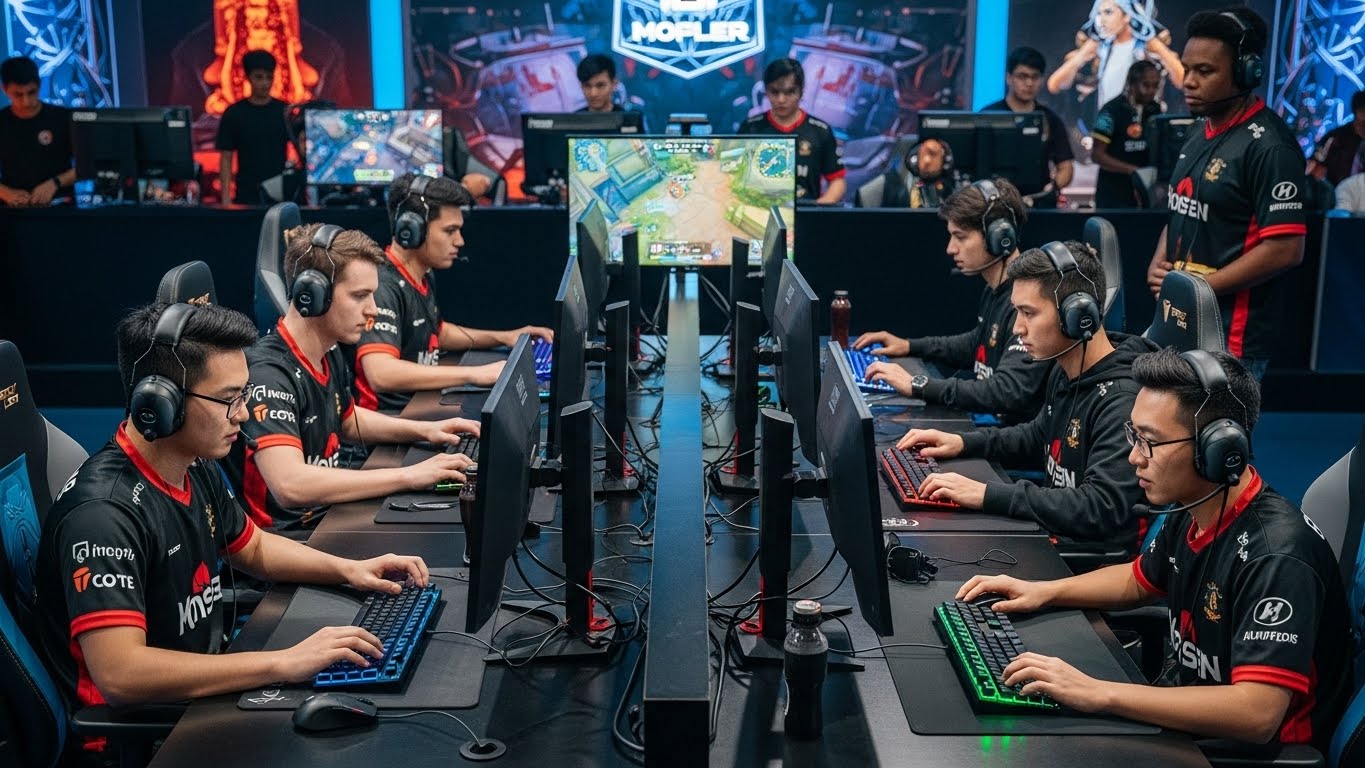
Esports, or competitive gaming, has evolved from a niche hobby into a global cultural force. Once dismissed as mere entertainment for teenagers, esports now commands massive audiences, attracts substantial investments, and even rivals traditional sports in popularity. Tournaments fill stadiums, online streams reach millions, and professional players earn salaries and sponsorships comparable to top athletes.
The rise of esports represents more than just a new form of entertainment. It reflects how technology, culture, and community intersect in the 21st century. Understanding this phenomenon requires exploring its history, its influence on society, and the opportunities and challenges that lie ahead.
The Evolution of Competitive Gaming
Competitive gaming is not a modern invention. Its roots trace back to the early days of arcades, where players competed for high scores on classic games. The 1980s and 1990s saw the emergence of home consoles and personal computers, which expanded the audience and introduced multiplayer gameplay.
The real turning point came with the rise of the internet. Online play allowed gamers from different cities, countries, and continents to compete in real time. This laid the foundation for structured tournaments and organized leagues. Games like StarCraft, Counter-Strike, and Warcraft became early competitive staples, shaping the esports ecosystem. By the late 2000s and early 2010s, live streaming platforms enabled fans to watch professional players in real time, further popularizing esports and creating a new entertainment medium.
Why Esports Captivates Audiences
Esports’ popularity stems from several key factors. First, it is highly accessible. Unlike traditional sports, which often require facilities, equipment, and physical training, esports only requires a device and internet connection. This lowers the barrier to entry and allows a global audience to participate.
Second, esports offers a wide variety of game genres. First-person shooters, real-time strategy games, multiplayer online battle arenas, and battle royale titles all appeal to different audiences. Fans are drawn to games that align with their personal preferences, creating diverse communities within the larger esports ecosystem.
Third, esports thrives on community engagement. Fans are not passive observers; they interact through live chats, fan art, forums, and social media. This fosters a sense of belonging and creates a vibrant, participatory culture around games and players. The shared experience of following tournaments, supporting favorite teams, and discussing strategies turns spectatorship into a social phenomenon.
The Rise of Professional Players and Teams
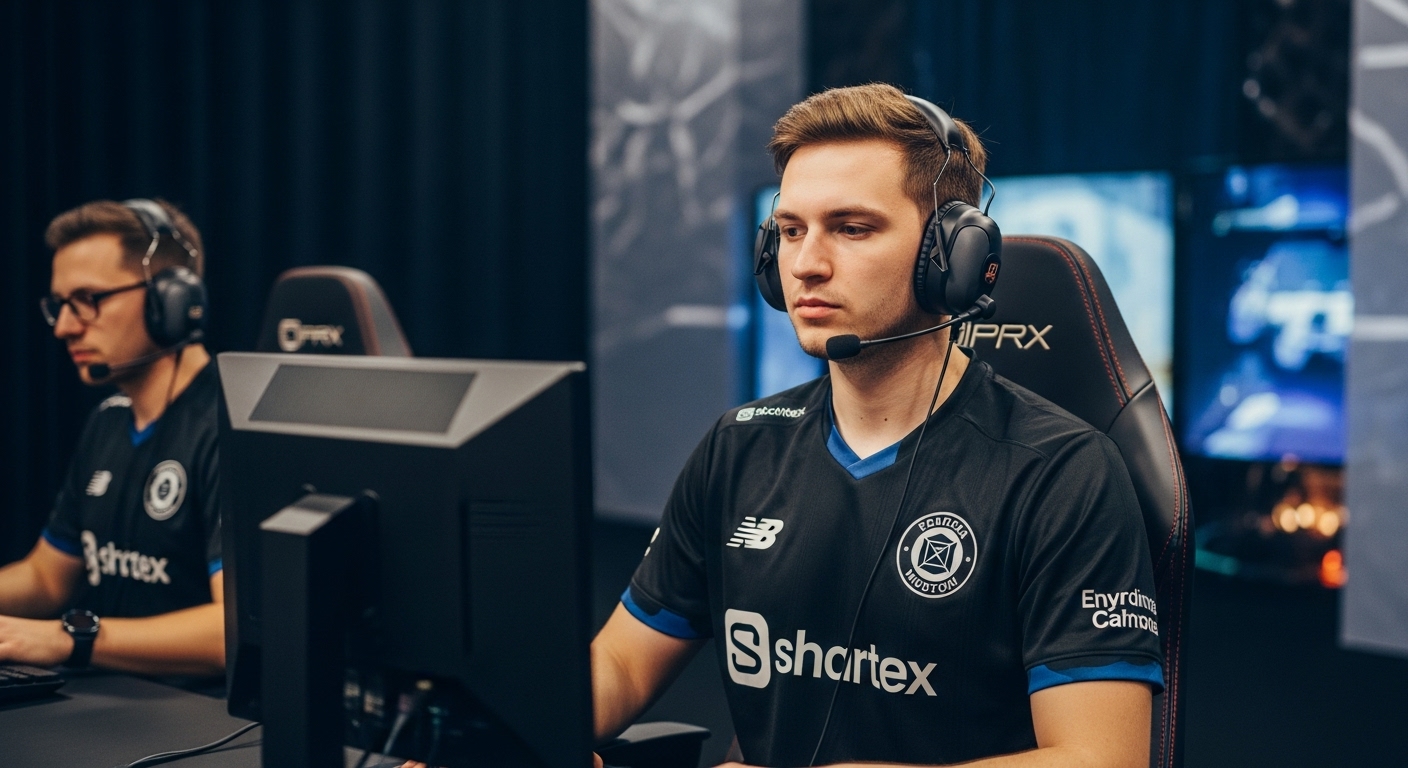
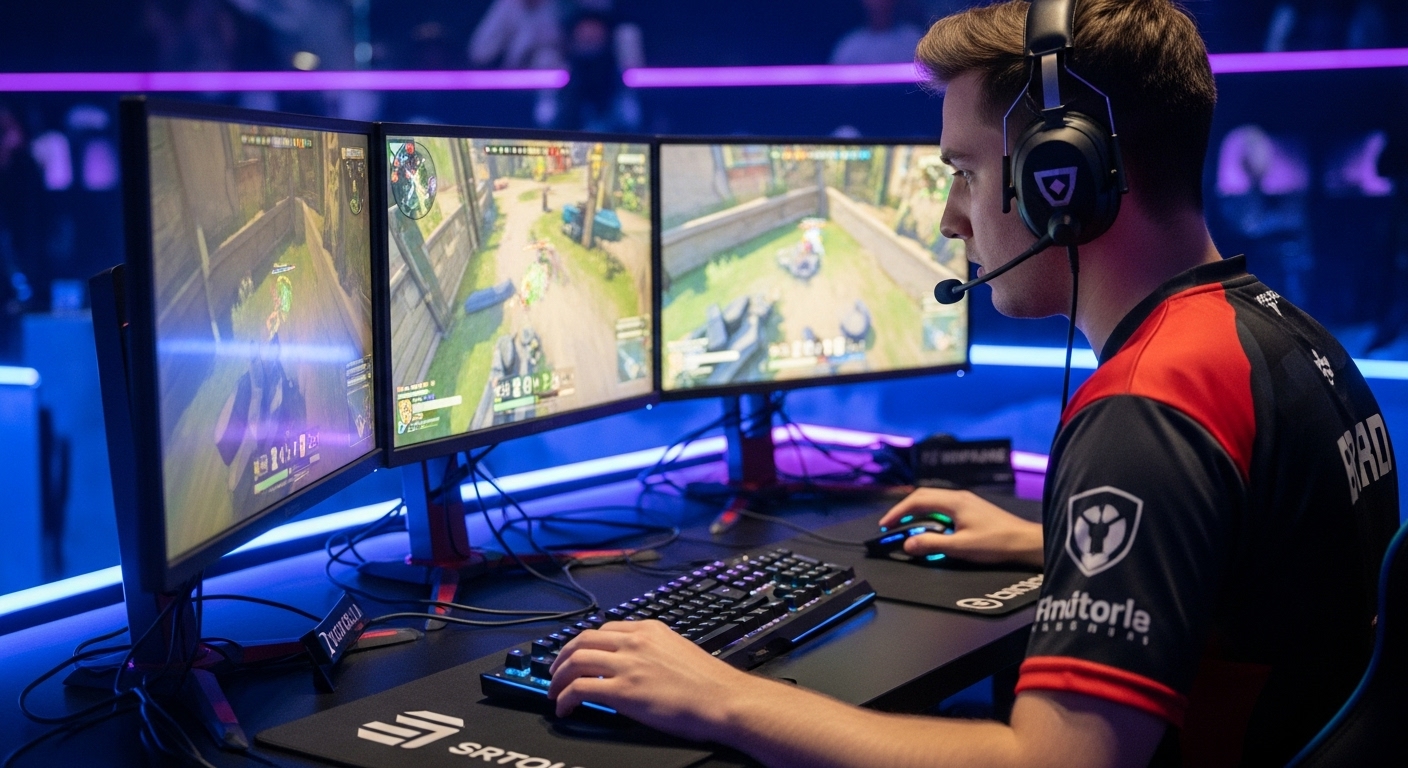
Esports has given rise to a new class of professional athletes. Players dedicate countless hours to honing their skills, studying opponents, and participating in practice sessions called scrimmages. Top teams employ coaches, analysts, nutritionists, and mental health specialists to maximize performance.
Teams operate much like traditional sports franchises. They sign contracts, participate in competitive leagues, develop merchandise, and build brand loyalty among fans. High-stakes tournaments offer significant prize money, attracting global attention and sponsorships. Professional esports is no longer just about skill; it is a full-time career with structured training, contracts, and career growth opportunities.
Notable players have become celebrities in their own right, appearing on talk shows, attending fan conventions, and influencing gaming trends. Their impact goes beyond gameplay, shaping digital culture and inspiring the next generation of gamers.
Spectator Experience: Redefining How We Watch Sports
Watching esports differs from traditional sports, but it shares the excitement, strategy, and drama that make competitions engaging. Unlike conventional sports, esports viewers benefit from digital tools such as dynamic camera angles, instant replays, and interactive overlays that provide insight into player stats, strategies, and game mechanics.
Commentators, known as casters, enhance the viewing experience by explaining complex gameplay, highlighting critical moments, and creating suspense. Their role is vital, turning matches into narratives that engage fans emotionally. The combination of high skill, strategy, and storytelling has transformed esports spectatorship into a unique entertainment experience that rivals the appeal of live sports.
Economic Impact of Esports
The economic significance of esports is staggering. Global revenue from sponsorships, advertisements, media rights, merchandise, and ticket sales reaches billions annually. Companies from technology, fashion, automotive, and entertainment industries invest heavily in esports marketing to tap into its highly engaged audience.
Streaming platforms have become major revenue drivers, allowing millions of viewers to access tournaments, gameplay content, and live streams. This ecosystem supports countless jobs, from event organizers and commentators to analysts, marketers, and content creators. Esports has grown into an industry that blends entertainment, technology, and business innovation.
Esports in Education: Opportunities Beyond Gaming
Education systems are increasingly recognizing esports as a legitimate avenue for skill development and career opportunities. Many schools and universities now host esports teams, clubs, and competitive leagues. Some even offer scholarships to talented players, mirroring traditional sports programs.
Esports programs in schools teach valuable skills such as teamwork, strategic thinking, communication, and leadership. Students learn to analyze opponents, plan tactics, and perform under pressure, skills that translate into professional and academic contexts. Through structured competition and mentorship, esports provides both a platform for creativity and a pathway to future careers in gaming and technology.
Mental and Physical Preparation for Competitive Gaming
Success in esports demands both mental and physical discipline. Players require sharp reflexes, strong decision-making skills, and sustained concentration. Many teams employ psychologists and wellness experts to help players manage stress, maintain focus, and prevent burnout.
Physical fitness is increasingly recognized as essential. Exercises that improve posture, hand-eye coordination, and endurance help players sustain long training sessions and prevent injuries such as repetitive strain. Nutrition and sleep management also play a critical role in maintaining peak performance. Esports has thus evolved into a holistic discipline where mental acuity and physical well-being are equally important.
Challenges Facing the Esports Industry
Despite rapid growth, esports faces several challenges. Player burnout is a pressing concern due to intense training schedules, global travel, and the pressure to perform. Ensuring fair competition and addressing issues like cheating, hacking, or exploit abuse remain critical for maintaining credibility.
Toxic behavior in gaming communities is another ongoing issue. Developers and organizations are working to create safer, more inclusive environments, but online harassment continues to be a problem. Contract disputes, age restrictions, and regulatory gaps also present challenges for teams and tournament organizers. Addressing these issues is essential for the long-term sustainability of the industry.
The Future of Esports
The future of esports promises further growth and innovation. Emerging technologies such as virtual reality, augmented reality, and artificial intelligence are likely to create new forms of immersive gameplay and training tools. Cross-platform competition may expand accessibility, allowing players on different devices to compete seamlessly.
Esports may also gain further legitimacy alongside traditional sports, with standardized regulations, national teams, and youth development programs. Beyond competition, esports will continue influencing digital entertainment, media production, and global culture. Its impact extends far beyond games, shaping how people connect, learn, and engage with technology.
Conclusion: Esports as a Cultural Force
Esports represents more than just competitive video gaming; it is a cultural, social, and economic phenomenon that has redefined entertainment in the digital age. It connects people across the globe, creates career opportunities, and inspires communities to interact in new ways.
From humble beginnings in arcades to packed stadiums and millions of online viewers, esports has proven that competition thrives beyond traditional boundaries. It is a testament to how technology can transform hobbies into global movements. As esports continues to evolve, it will remain a defining force in entertainment, culture, and innovation, proving that the digital arena is here to stay.