Introduction
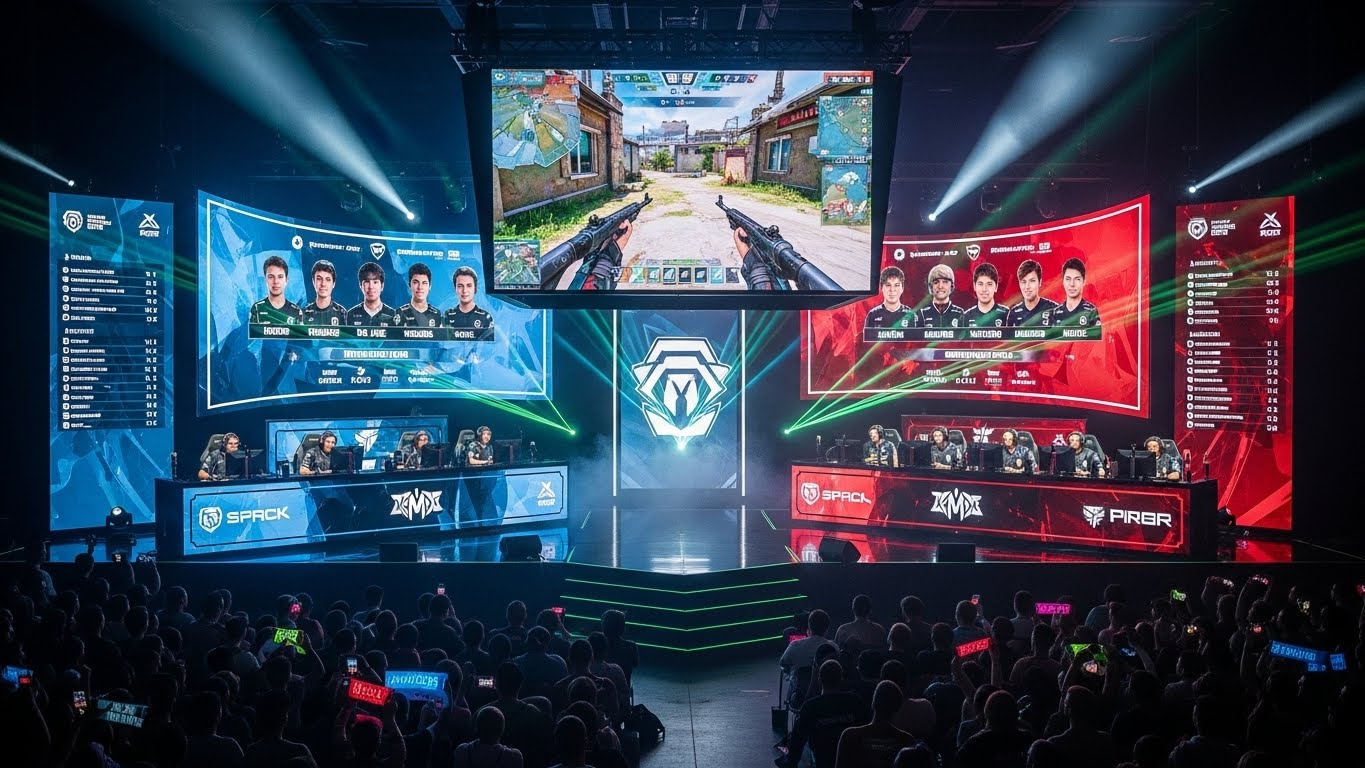
Over the past decade, esports has transformed from a niche hobby into one of the most influential entertainment industries in the world. What was once seen as “just kids playing games” has evolved into a multimillion-dollar ecosystem attracting corporate sponsors, major broadcasting networks, global audiences, and professional athletes. Today, esports events fill massive arenas, generate record-breaking online viewership, and shape an entirely new generation of careers. In this blog post, we explore how esports rose to global prominence, why it continues to captivate fans, and how it is redefining the very concept of sports and entertainment.
The Evolution of Competitive Gaming
Esports did not suddenly appear overnight. Its roots go back to the earliest days of video gaming when players gathered at arcades or university labs to challenge one another for high scores. What began as casual competition slowly shifted into organized tournaments as gaming technology advanced. With the introduction of the internet, multiplayer PC games opened the door for long-range competition, allowing players from different countries to battle in virtual arenas. Early titles such as Quake, StarCraft, and Counter-Strike played crucial roles in building the foundation of esports, establishing formats, rules, and organized leagues that helped professionalize the space.
As streaming platforms emerged, especially the rise of online broadcasts, competitive gaming gained mainstream accessibility. Instead of local tournaments with limited audiences, millions of viewers could now tune in from around the world to watch their favorite teams. This accessibility laid the groundwork for esports to expand into a global phenomenon.
Why Esports Captured the World’s Attention
The meteoric rise of esports can be attributed to several key factors. First is the universal appeal of gaming itself. Video games transcend cultural, age, and geographical boundaries, making them accessible to many different audiences. Unlike traditional sports, which often require physical attributes or expensive equipment, esports only requires a computer or console and an internet connection. This inclusiveness allows anyone with passion and dedication to compete.
Another major factor is the energy and excitement of esports competitions. Fast-paced matches, strategic depth, and unpredictable outcomes create the same thrill found in traditional sports. Fans become deeply invested in professional players, analyzing their techniques and cheering for their teams. Additionally, the interactive nature of gaming fosters a strong sense of community. Fans not only watch the game but also play it themselves, creating a unique form of engagement where spectators can understand the complexity behind each move.
The Growth of Esports as a Professional Industry
Esports is no longer a hobby; it is a legitimate profession. Players train for hours each day, studying strategies and improving their skills under the guidance of coaches and analysts. Professional teams have management staff, nutrition plans, performance psychologists, and training facilities to support their athletes. Prize pools for major tournaments now reach millions of dollars, attracting elite talent and pushing the competitive level even higher.
The industry has also become a magnet for investors. Major brands from technology, sportswear, automotive, and entertainment sectors sponsor teams and tournaments. Broadcasting companies have begun securing streaming rights much like traditional sports, while universities now offer esports scholarships and degree programs focused on game management, marketing, and design.
This professional infrastructure has elevated esports to a level where it stands side-by-side with conventional sports industries.
The Spectator Experience and the Community Behind Esports
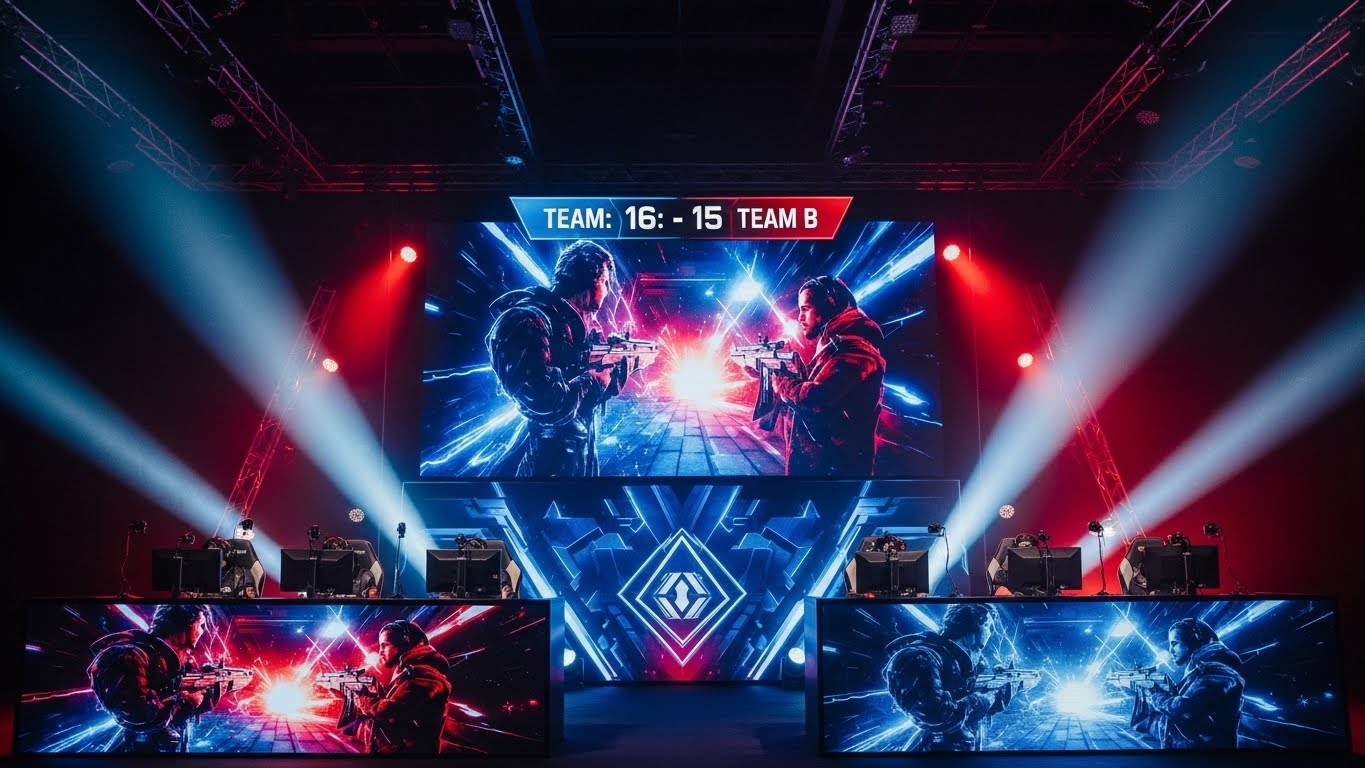
One of the strongest pillars of esports is its vibrant and passionate community. Fans participate in discussions, create fan art, follow team updates, and attend physical events with the same enthusiasm seen in traditional sports. Esports tournaments often feature electrifying atmospheres with lights, commentary, live performances, and roaring crowds filling stadiums.
The online experience is equally engaging. Viewers interact in real-time through chats, vote on predictions, follow favorite streamers, and watch behind-the-scenes content. Many fans feel personally connected to players, who often share their journeys and daily lives on social platforms. This transparency and accessibility foster a deeper emotional bond that is harder to find in other forms of entertainment.
Esports and Technology: A Perfect Partnership
Technology plays a crucial role in advancing esports. High-performance gaming hardware enables smooth, competitive play, while continuous innovation leads to more complex and visually stunning games. Virtual reality and augmented reality are on the horizon, promising to reshape future competitive environments.
Additionally, improvements in internet infrastructure have allowed esports to thrive globally. Faster connections facilitate high-quality streaming and real-time gameplay, eliminating latency issues that once hindered international competition. With cloud gaming becoming more popular, there is potential for even more accessible esports experiences in the future.
The Educational and Career Opportunities Emerging from Esports
Esports is not just about playing games. The industry is creating countless opportunities for careers that span broadcasting, content creation, event management, coaching, marketing, game development, and analytics. Schools and universities are increasingly embracing esports programs to help students pursue both academic and professional goals within this growing field.
Students learn teamwork, communication, strategy, and problem-solving skills from competitive gaming. These abilities are highly valuable, not just in esports jobs but across many industries. Additionally, the rise of esports clubs and collegiate leagues encourages healthy competition and community building, making esports an empowering space for young people.
The Challenges Facing the Esports Industry
Despite its success, esports also faces notable challenges. One of the biggest concerns is player burnout. Professional gamers often train long hours, leading to mental and physical stress. The industry is working toward better health standards, but progress is ongoing.
Another challenge is maintaining fair play. Issues such as cheating, match-fixing, and cyberattacks can harm competitive integrity. Strong regulations, effective anti-cheat software, and transparent tournament rules are essential to preserving trust.
The rapid growth of esports also raises questions about long-term stability. While the industry continues to expand, it must balance entertainment value, business interests, and player well-being to sustain success.
Esports and the Future of Entertainment
The future of esports is bright and full of possibilities. As more people around the world gain access to technology and high-speed internet, the audience for esports will continue to grow. Many experts believe that esports will eventually surpass traditional sports in global viewership, especially among younger audiences.
Hybrid events that combine physical and virtual experiences may soon become the norm. The integration of artificial intelligence could lead to smarter training methods and advanced game designs. Meanwhile, game developers continue to innovate, creating titles that push the limits of competition and audience engagement.
Esports also has the potential to become an Olympic event in the future. Discussions are ongoing, and as competitive gaming gains more recognition, it may soon join the ranks of international sporting events, further solidifying its global status.
Conclusion
Esports has evolved from humble beginnings into a worldwide cultural and entertainment powerhouse. It has created professional careers, united international communities, and pushed the boundaries of technology and competition. As it continues to grow, esports is shaping a future where digital and physical experiences blend seamlessly, and where talent, dedication, and innovation define what it means to be an athlete.
Whether you are a passionate gamer, a curious newcomer, or someone looking to understand modern entertainment trends, one thing is clear: esports is here to stay, and its influence will only continue to expand.