Introduction: The Emergence of Esports
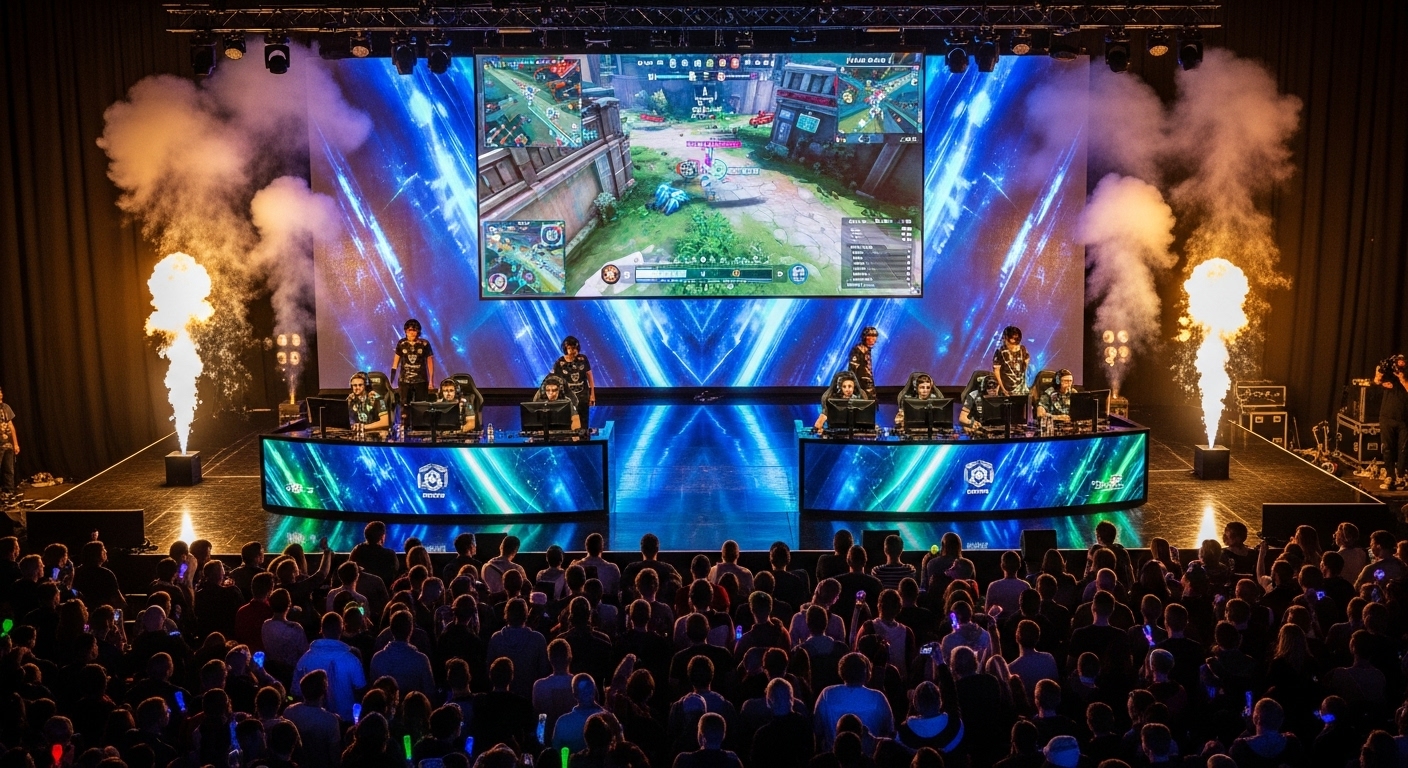
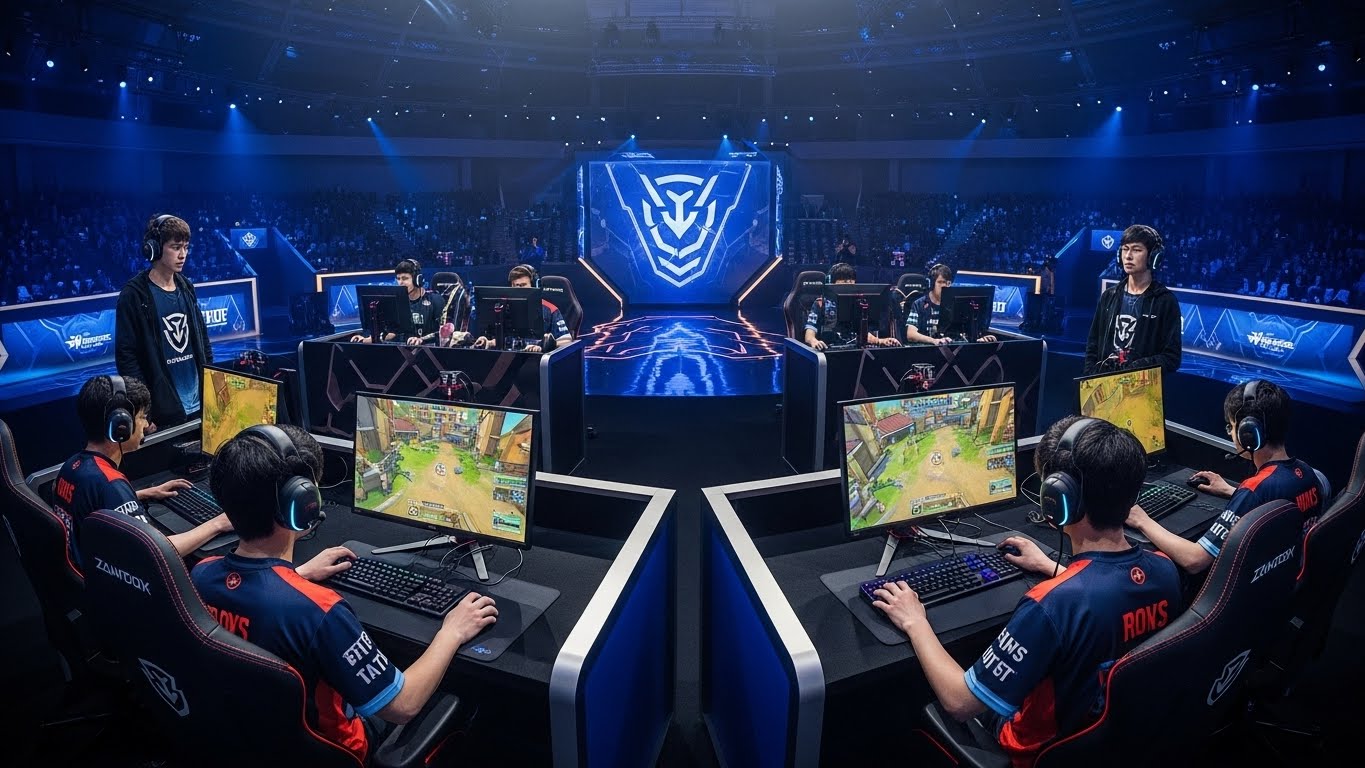
Esports, once a niche interest for hardcore gamers, has exploded into a global phenomenon that commands the attention of millions around the world. What was once considered an underground hobby has transformed into a multibillion-dollar industry, attracting not only passionate gamers but also huge audiences, investors, and sponsors. With major tournaments attracting global attention, esports has become as competitive, organized, and lucrative as traditional sports. From casual online tournaments to highly structured global competitions, esports is reshaping the way we view gaming and competition in the digital age. In this blog post, we will explore the rapid rise of esports, its impact on culture, and the future of this growing digital revolution.
The Evolution of Esports
Esports as we know it today didn’t appear overnight. The origins of competitive gaming date back to the 1970s when early arcade games like Space Invaders and Pong introduced the concept of player versus player competition. The first major gaming tournament took place in 1980, with a Space Invaders Championship hosted by Atari, which helped lay the groundwork for future competitions. However, it wasn’t until the 1990s that the rise of the internet, along with the launch of games like Warcraft and StarCraft, began to shape the future of esports.
In the early 2000s, esports started gaining serious traction with the rise of massively multiplayer online games (MMOs) and real-time strategy (RTS) games. The introduction of broadband internet and the development of online multiplayer gaming platforms allowed players to compete against one another from different parts of the world, creating the foundation for what would eventually become professional esports leagues. Games like Counter-Strike and League of Legends would go on to become cornerstones of the esports industry, setting the stage for today’s highly organized competitive events.
The Growth of Esports: A Multi-Billion Dollar Industry
Esports has come a long way since its humble beginnings. What started as small, grassroots competitions has evolved into a billion-dollar industry. According to recent estimates, the global esports market is projected to generate over $1.5 billion in revenue by 2025. This growth is fueled by a combination of factors, including the increasing popularity of gaming, the rise of streaming platforms, and the significant investment from major brands and corporations.
Esports tournaments, such as The International (Dota 2), League of Legends World Championship, and CS:GO Major Championships, offer multi-million-dollar prize pools, attracting the best players and teams from around the globe. These events are watched by millions of fans, both in person and online, with platforms like Twitch and YouTube providing a platform for streaming and engagement. Esports’ appeal is not only limited to fans of gaming but also to traditional sports organizations, brands, and advertisers, who see immense potential in reaching younger, tech-savvy audiences. Sponsorships, merchandise, broadcasting rights, and ticket sales have all contributed to the industry’s financial success, solidifying esports as a major player in the global entertainment landscape.
Esports and Its Audience: The Digital Revolution of Fandom
One of the most exciting aspects of esports is the massive, diverse audience that it attracts. With millions of fans watching major esports tournaments live, the level of engagement with esports content is comparable to traditional sports leagues like the NFL or NBA. The global reach of esports is one of its defining features, with players and fans coming from all corners of the world, united by their shared love for gaming.
The demographic of esports fans is also unique. The majority of esports enthusiasts are young adults, ranging from 18 to 34 years old. These individuals are tech-savvy and consume content via streaming platforms such as Twitch, YouTube, and social media. The rise of platforms like Twitch has transformed how fans interact with their favorite players and teams, allowing them to watch live gameplay, participate in live chats, and even donate money to their favorite streamers. This level of interactivity creates a strong sense of community and connection between players and fans, blurring the lines between spectator and participant.
Esports also attracts diverse groups of people, including those from various cultural and geographic backgrounds. Major tournaments, like The International, bring together players from all over the world, including regions like North America, Europe, China, South Korea, and Southeast Asia. Esports fosters a unique environment of global camaraderie, where fans and players interact and compete across borders, reinforcing the idea that gaming is a universal language.
The Role of Streaming Platforms in Esports
Streaming platforms have played an essential role in the rise of esports, providing a space for gamers to showcase their skills and for fans to follow the action. Platforms like Twitch, YouTube Gaming, and Facebook Gaming allow players to stream their gameplay live, engaging directly with audiences in real time. These platforms have democratized access to esports content, making it easy for anyone with an internet connection to tune in to major tournaments, watch casual streamers, and even participate in online events.
For players, streaming has become a viable career path. Professional gamers, streamers, and content creators can earn revenue through ad revenue, sponsorships, and donations from their viewers. Popular streamers can make substantial incomes, sometimes surpassing traditional sports stars in terms of earnings. This shift has allowed the esports industry to grow beyond just competitive play, establishing an entire ecosystem around content creation and streaming.
Moreover, streaming platforms have provided esports with an international stage. The ability to watch major events from anywhere in the world has helped esports grow into a global spectacle. This level of accessibility has made esports a truly inclusive and open environment, where anyone, regardless of location, can be a part of the action.
Esports as a Career Path: Opportunities Beyond Gaming
Esports is not just about playing games; it’s also about the careers and industries that have sprung up around it. The rise of esports has created a wide range of career opportunities, both on and off the screen. While professional players and streamers are the most visible figures in esports, there are numerous other roles that help support the industry.
For example, esports teams and organizations employ coaches, analysts, managers, and support staff, much like traditional sports teams. Event organizers, referees, and broadcasters are crucial to the smooth operation of esports tournaments. There are also opportunities in marketing, journalism, content creation, and digital media. As esports continues to grow, it is expected that these roles will expand, creating more opportunities for people interested in pursuing a career in the gaming industry.
Furthermore, universities and colleges have recognized the potential of esports, offering scholarships, degree programs, and facilities dedicated to training future esports professionals. These programs help students develop the skills needed to succeed in the esports industry, whether they are aspiring players, coaches, or behind-the-scenes workers.
Challenges and Controversies in Esports
While esports continues to grow, it faces its own set of challenges and controversies. One major issue is the health and well-being of professional players. Competitive gaming demands long hours of practice and intense concentration, leading to physical and mental strain. Repetitive stress injuries, such as carpal tunnel syndrome and tendonitis, are common among players, and the intense pressure to perform can lead to burnout and mental health issues.
There are also concerns about the lack of regulation within the industry. Match-fixing, cheating, and issues surrounding the treatment of players have all been areas of controversy. In response, organizations and governing bodies are working to create a more transparent and fair competitive environment, with some leagues implementing strict anti-cheating measures and providing resources for player mental health.
Another challenge facing esports is the gender imbalance within the community. Although esports is enjoyed by people of all genders, the professional scene has traditionally been dominated by men. However, initiatives aimed at promoting inclusivity and encouraging women to participate in esports are gaining traction, with more female players, streamers, and event organizers emerging in recent years.
The Future of Esports
The future of esports looks incredibly promising. As technology continues to evolve, esports will benefit from innovations such as virtual reality (VR) and augmented reality (AR), creating more immersive gaming experiences. Additionally, the integration of AI and machine learning will continue to enhance player training and event production, making esports more competitive and engaging for fans.
The popularity of mobile gaming also presents a unique opportunity for the esports industry. With the rise of mobile esports titles such as PUBG Mobile and Free Fire, esports is expanding into new markets, particularly in regions like Southeast Asia and India. This expansion will likely bring new audiences, teams, and sponsors into the fold, further solidifying esports as a dominant force in the entertainment world.
As esports continues to break barriers and attract new fans, it will likely become an even more prominent part of global culture, blending the worlds of gaming, entertainment, and competition into something truly revolutionary.
Conclusion: The Digital Future of Competition
Esports has transformed from a niche activity into a global powerhouse, reshaping the world of competition and entertainment. It has created new career paths, built vibrant communities, and attracted a diverse audience across the globe. As the industry continues to grow and evolve, it is clear that esports is here to stay, with a promising future ahead. Whether you’re a gamer, a fan, or simply someone intrigued by the digital revolution, esports offers an exciting, dynamic, and evolving world that will continue to captivate millions for years to come.