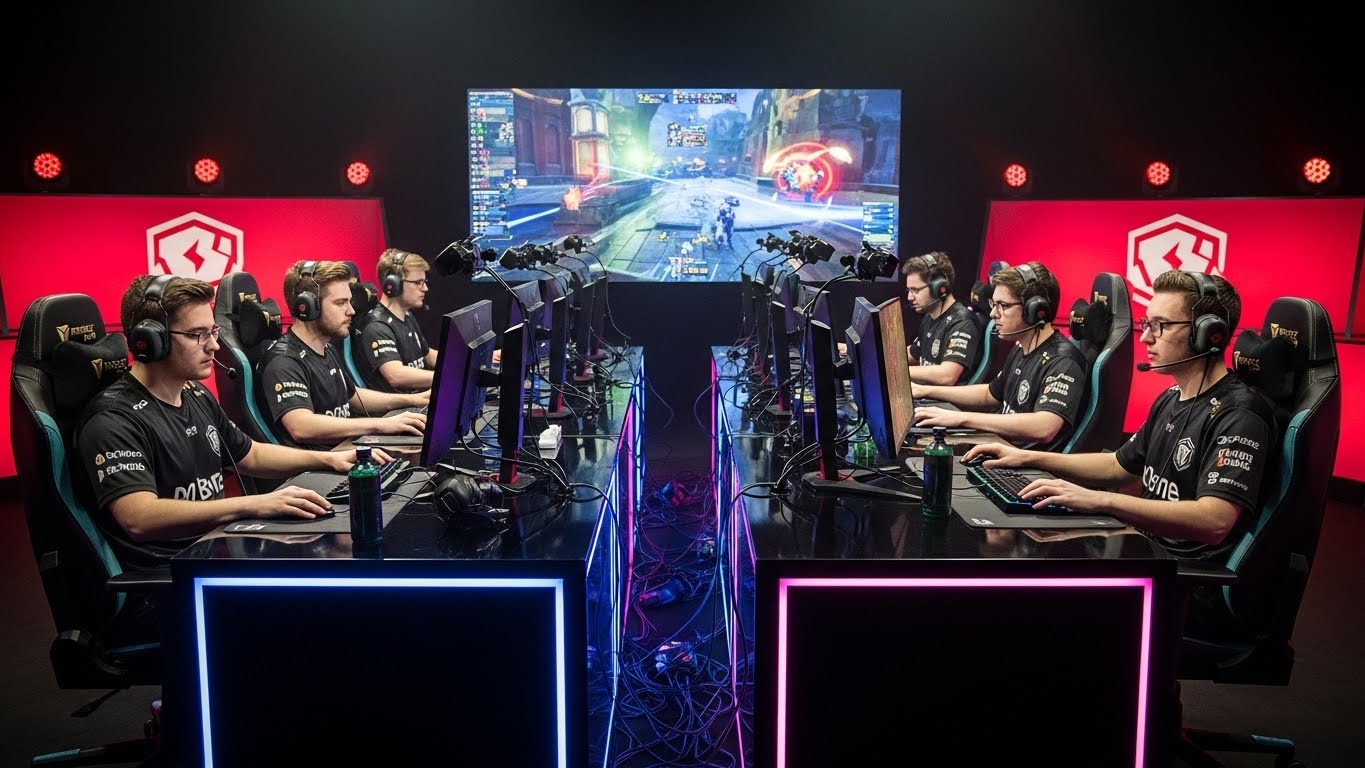
In recent years, a new form of competition has captivated the world, blending technology, skill, and strategy like never before. Competitive video gaming, commonly known as esports, has evolved from small, informal competitions to a global phenomenon attracting millions of viewers, professional players, and multi-million-dollar tournaments. Once considered a hobby for enthusiasts, esports is now recognized as a serious industry that combines entertainment, sportsmanship, and professional career opportunities. This blog explores the evolution of esports, its cultural and economic significance, the skills it cultivates, and the challenges and future opportunities of this rapidly growing digital arena.
What is Esports?
Esports, short for electronic sports, is organized competitive gaming where individuals or teams compete in video games at amateur or professional levels. Unlike traditional sports, esports emphasizes mental agility, reflexes, strategy, and communication over physical strength. Games range across multiple genres, including multiplayer online battle arenas, first-person shooters, real-time strategy games, sports simulations, and fighting games.
Popular titles such as League of Legends, Dota 2, Counter-Strike, Fortnite, and FIFA have developed massive global followings. These games require players to develop complex strategies, anticipate opponents’ moves, and execute precise actions under pressure. Beyond gameplay, esports offers a platform for entertainment, social connection, and professional growth, bridging the gap between technology and competition in ways traditional sports cannot.
The Evolution of Esports
The roots of esports can be traced back to the 1970s and 1980s when arcade competitions were popular in local communities. Early gaming contests, although informal, laid the foundation for organized competitive play. The late 1990s and early 2000s marked a turning point with the rise of online multiplayer games, particularly in South Korea, where StarCraft became a cultural phenomenon. Professional players trained full-time, teams were formed, and tournaments were broadcast on dedicated television channels.
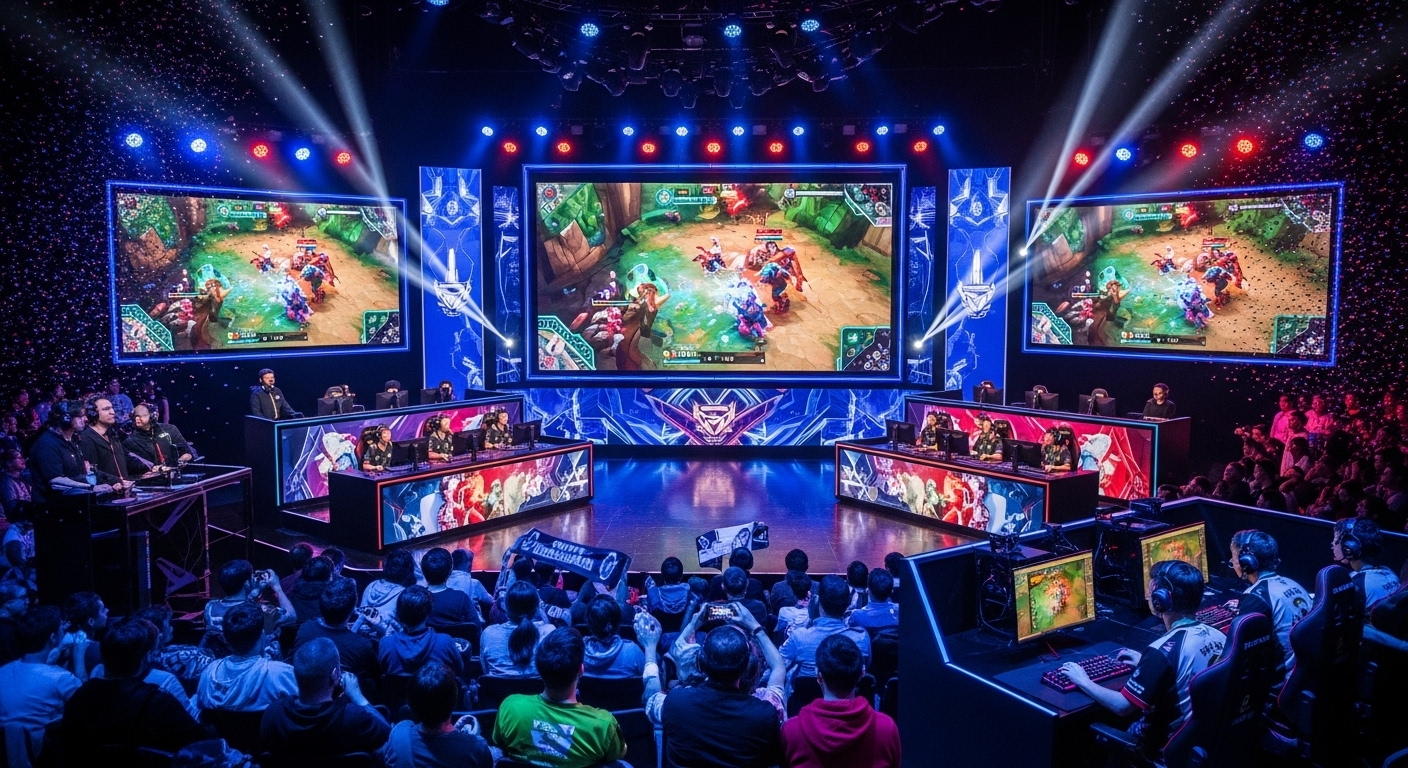
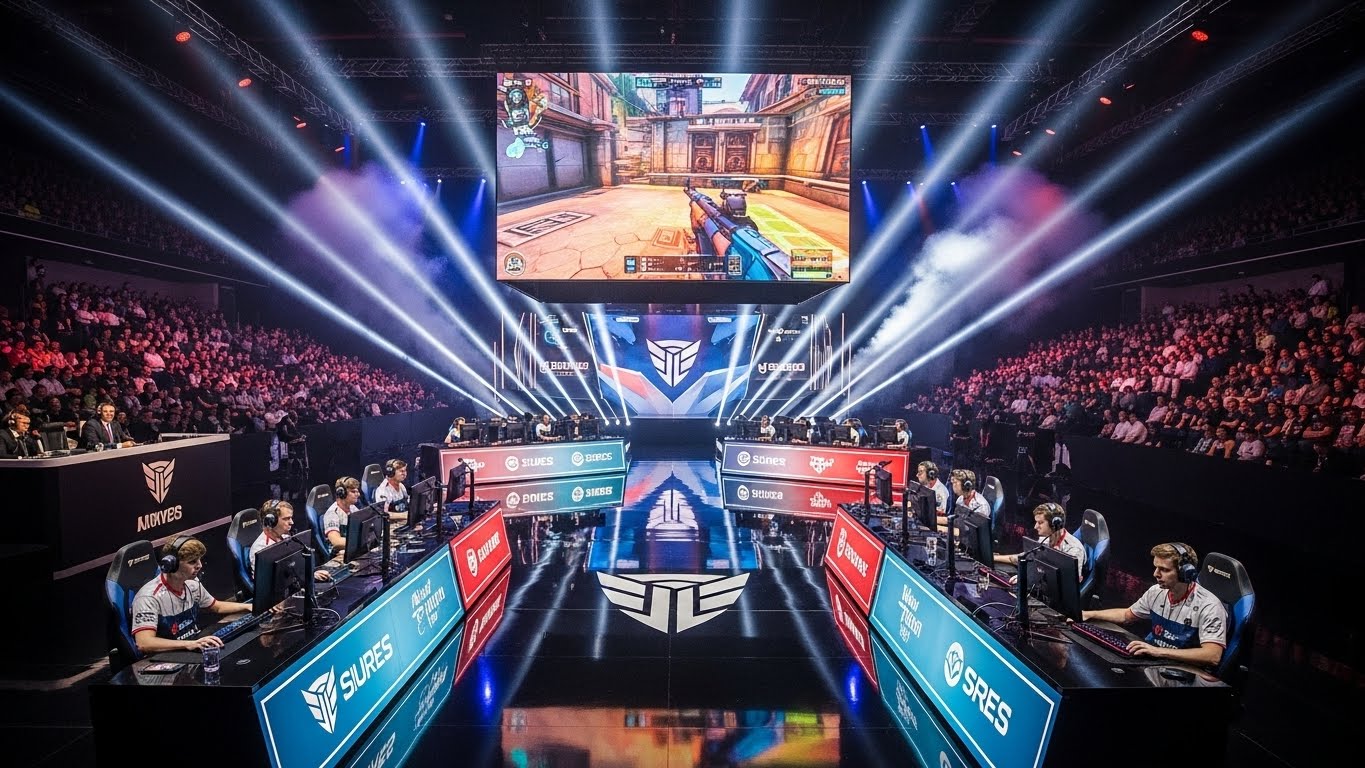
The proliferation of high-speed internet and streaming platforms in the 2010s propelled esports into the global spotlight. Online tournaments allowed viewers to watch matches live from anywhere, and prize pools grew exponentially. Today, major esports events fill arenas with thousands of spectators and reach millions more online, rivaling traditional sporting events in scale and excitement.
Cultural Impact of Esports
Esports has cultivated a unique culture that combines gaming, entertainment, and social interaction. Fans engage deeply with their favorite teams and players, following their strategies, watching gameplay, and participating in online communities. Esports content ranges from live matches and highlights to tutorials, analysis, and fan discussions, creating an immersive experience for audiences.
One of esports’ most remarkable aspects is its inclusivity. Unlike many traditional sports that may require physical attributes, esports can be played by anyone with access to gaming devices. International competitions foster global connections, bringing together players from diverse backgrounds. Esports personalities have become influential figures, shaping gaming trends, fashion, and entertainment culture while inspiring younger generations to pursue digital careers.
Economic Significance of Esports
Esports has transformed into a multi-billion-dollar industry with significant economic influence. Revenue streams include tournament prize money, sponsorships, broadcasting rights, merchandise sales, and content creation. Organizations invest heavily in player development, team management, marketing, and event production, creating a thriving ecosystem comparable to traditional sports.
Sponsorship deals with global brands reinforce esports’ legitimacy, funding tournaments, teams, and events. Beyond professional players, the industry supports a wide range of careers, including coaches, analysts, commentators, event organizers, and content creators. Educational institutions now offer scholarships and esports programs, highlighting the growing recognition of competitive gaming as a viable career path and economic driver.
Skills Developed Through Esports
Participating in esports cultivates a variety of cognitive, social, and technical skills. Reflexes, hand-eye coordination, precision, and multitasking are fundamental, while strategic thinking, adaptability, and decision-making are equally essential. Team-based games emphasize communication, collaboration, and leadership, as players must coordinate complex strategies in real-time.
Professional esports players maintain rigorous training schedules, often dedicating eight to ten hours a day to practice, reviewing gameplay, and analyzing competitors’ tactics. This level of discipline fosters resilience, time management, and goal-setting abilities. Even casual participants develop critical thinking, problem-solving, and multitasking skills, demonstrating that esports is intellectually demanding and personally enriching.
Social Benefits of Esports
Esports offers meaningful social advantages beyond gameplay. Multiplayer games encourage teamwork and collaboration, allowing players to connect with others who share similar interests. Online communities provide support networks, motivation, and a sense of belonging, particularly for individuals who may struggle with traditional social interactions.
Schools and universities increasingly integrate esports programs to promote engagement, leadership, and teamwork among students. Participation improves focus, cognitive abilities, and collaborative skills. Esports scholarships also provide financial assistance, giving students opportunities to pursue higher education while nurturing their gaming talents.
Challenges Facing Esports
Despite its rapid growth, esports faces notable challenges. Extended gaming sessions can result in physical health issues, including eye strain, poor posture, and repetitive stress injuries. Mental health concerns, such as performance pressure, anxiety, and burnout, are prevalent among professional players. Organizations are responding by implementing wellness programs, structured training schedules, and psychological support for players.
Regulation is another challenge. Unlike traditional sports, esports lacks universal governing bodies, leading to inconsistencies in rules, cheating incidents, and disputes over fair play. Public perception remains a hurdle, as some still consider esports a hobby rather than a legitimate profession. Overcoming these challenges is essential for the long-term sustainability and credibility of the industry.
Technology and Innovation in Esports
Esports is inherently tied to technology. Advanced gaming hardware, high-speed internet, and sophisticated software enable competitive play at professional levels. Emerging technologies, such as virtual reality, augmented reality, and artificial intelligence, are enhancing gameplay, strategy, and spectator experience.
Streaming platforms allow viewers to watch live matches, interact with players, and participate in real-time discussions. Social media amplifies esports content, connecting millions of fans globally. Technology not only facilitates gameplay but also transforms audience engagement, sponsorship opportunities, and career development in the esports industry.
The Future of Esports
The future of esports is full of promise. Technological advancements will continue to expand the possibilities for gameplay, audience interaction, and career opportunities. Virtual reality tournaments, AI-driven analytics, and immersive streaming experiences are on the horizon, further enhancing competition and entertainment value.
Integration with traditional sports is also increasing, as professional sports organizations invest in esports teams and tournaments. Educational institutions will continue formalizing esports programs, offering courses in management, broadcasting, analytics, and game design. With continued growth, esports will redefine global competition and entertainment, offering opportunities for players, audiences, and businesses alike.
Conclusion
Esports has evolved from a niche hobby into a global cultural and economic force. It redefines competition by combining strategy, skill, and technology, creating a digital arena where reflexes, intelligence, and teamwork determine success. The dedication of professional players, the enthusiasm of millions of fans, and the growing economic opportunities demonstrate that esports is much more than gaming—it is a transformative part of modern entertainment.
As the industry continues to grow and technology advances, esports will play an increasingly vital role in shaping careers, communities, and global entertainment trends. It represents a new era where competition transcends physical limitations, connecting people worldwide through passion, skill, and innovation. The rise of esports is a testament to the power of digital culture and the limitless potential of human creativity and strategic thinking.