Esports, or competitive video gaming, has swiftly transitioned from a niche hobby into a booming industry that commands millions of players, fans, and dollars around the globe. From its humble beginnings in local LAN parties to becoming a global phenomenon with multi-million-dollar tournaments and professional leagues, esports has carved out a unique space in modern entertainment. But what is behind its meteoric rise, and why are millions of people tuning in to watch others play video games?
In this blog post, we will explore the growth of esports, its impact on the gaming and entertainment industries, the personalities shaping the landscape, and the future of competitive gaming.
The Origins of Esports: From Arcade Games to Global Competitions
The history of esports can be traced back to the 1970s when competitive gaming first began in the form of local tournaments. The most notable early example was the “Space Invaders Championship” held in 1980. This event, organized by Atari, offered a grand prize of $100, which, though modest by today’s standards, was a significant incentive for competitive players at the time.
As technology advanced, so did the potential for larger-scale tournaments. The 1990s saw the rise of games like “Warcraft” and “StarCraft,” which were specifically designed to allow players to compete against each other online. Blizzard Entertainment’s “StarCraft” in particular became a cornerstone of early competitive gaming in South Korea. By the early 2000s, competitive gaming was gaining recognition as a legitimate sport, with tournaments starting to garner serious attention and broadcast coverage.
The real turning point came in the 2010s, when games like “League of Legends,” “Dota 2,” “Counter-Strike: Global Offensive,” and “Fortnite” captured the attention of global audiences. With platforms like Twitch and YouTube providing a stage for gamers to broadcast their skills to millions, esports started to evolve into a serious industry, with the viewership to match.
The Explosion of Esports: How it Became a Mainstream Phenomenon
Over the past decade, esports has seen an exponential increase in both viewership and investment. Several factors have contributed to the rapid growth of esports as a mainstream entertainment medium:
1. Rise of Streaming Platforms
Streaming platforms like Twitch, YouTube Gaming, and Facebook Gaming have played a pivotal role in bringing esports to the masses. With millions of people tuning in to watch live streams of tournaments, these platforms provide a constant, real-time connection between players and fans. What’s more, streaming platforms allow fans to watch professional players not just during tournaments but also in their day-to-day practice sessions, creating a more intimate and interactive viewing experience.
2. Professionalization of the Industry
As esports gained popularity, organizations and teams started to form around popular games. Major organizations like Cloud9, Team Liquid, and Fnatic have helped professionalize competitive gaming. These organizations provide salaries, coaching, sponsorships, and branding opportunities for their players, which in turn has elevated the status of esports athletes.
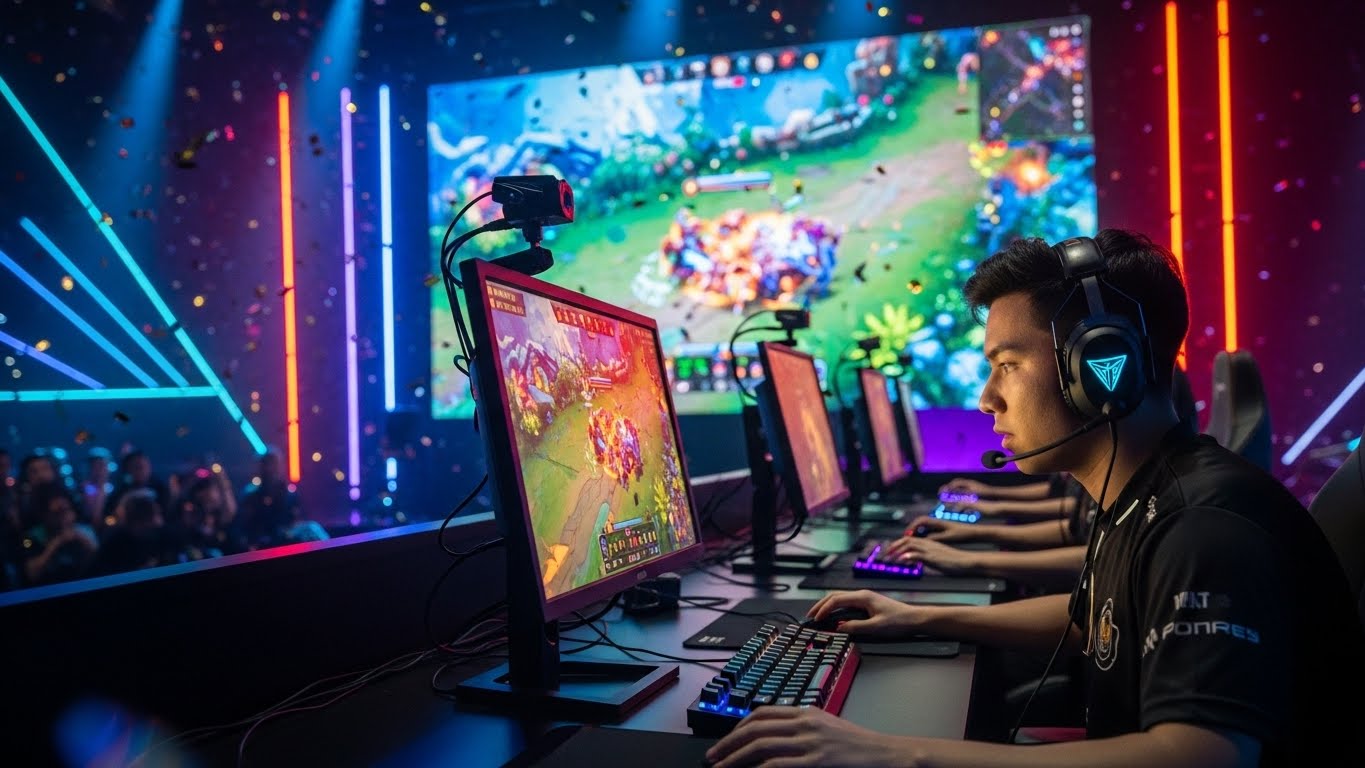
In fact, top-tier players today can earn significant sums of money, with salaries often supplemented by tournament winnings, sponsorships, and endorsement deals. For example, players of games like “Dota 2” and “League of Legends” can earn millions of dollars per year if they perform well in tournaments and have strong fan followings.
3. International Appeal
Esports has a truly global appeal. While the rise of competitive gaming was initially concentrated in the United States and South Korea, countries from all over the world now have thriving esports scenes. China, Russia, Brazil, and various European nations have developed significant followings, contributing to an increasingly international competition pool.
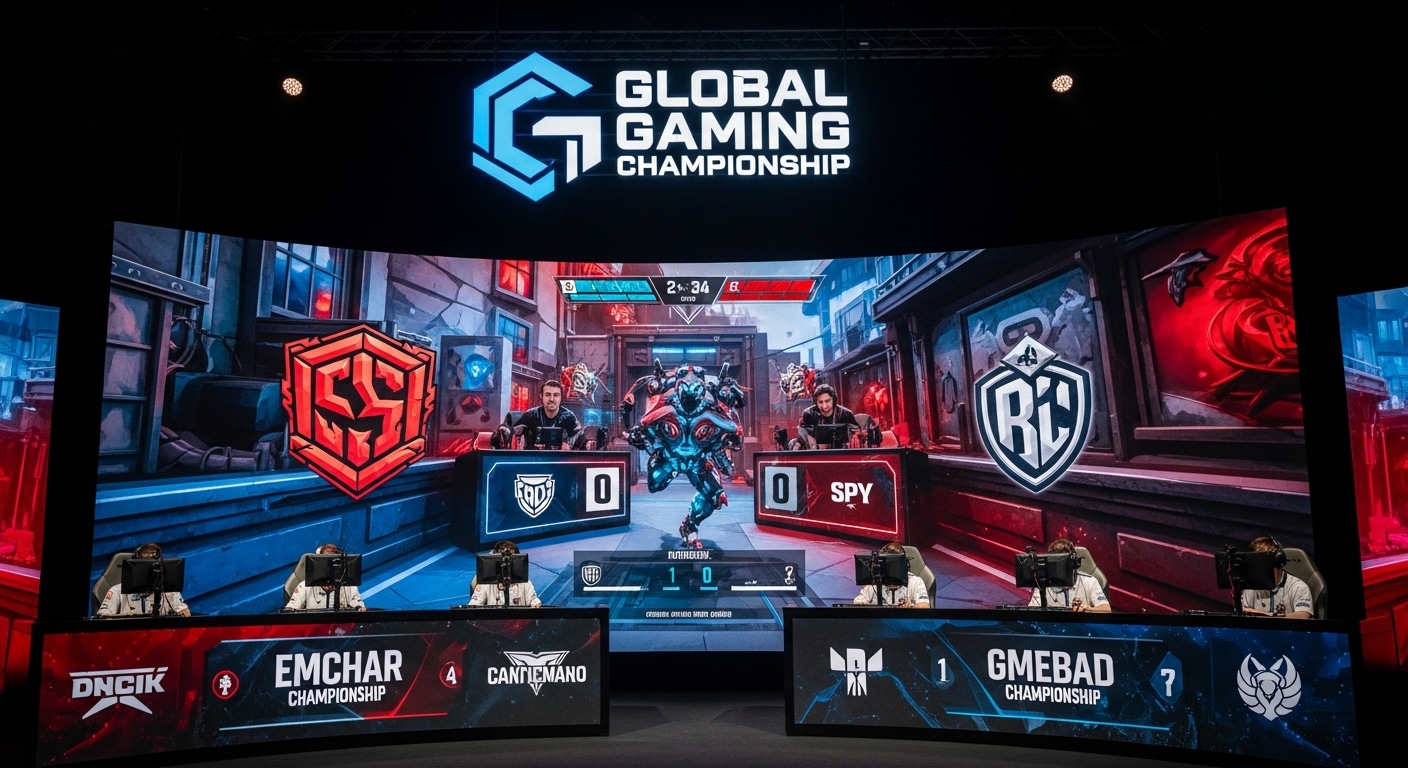
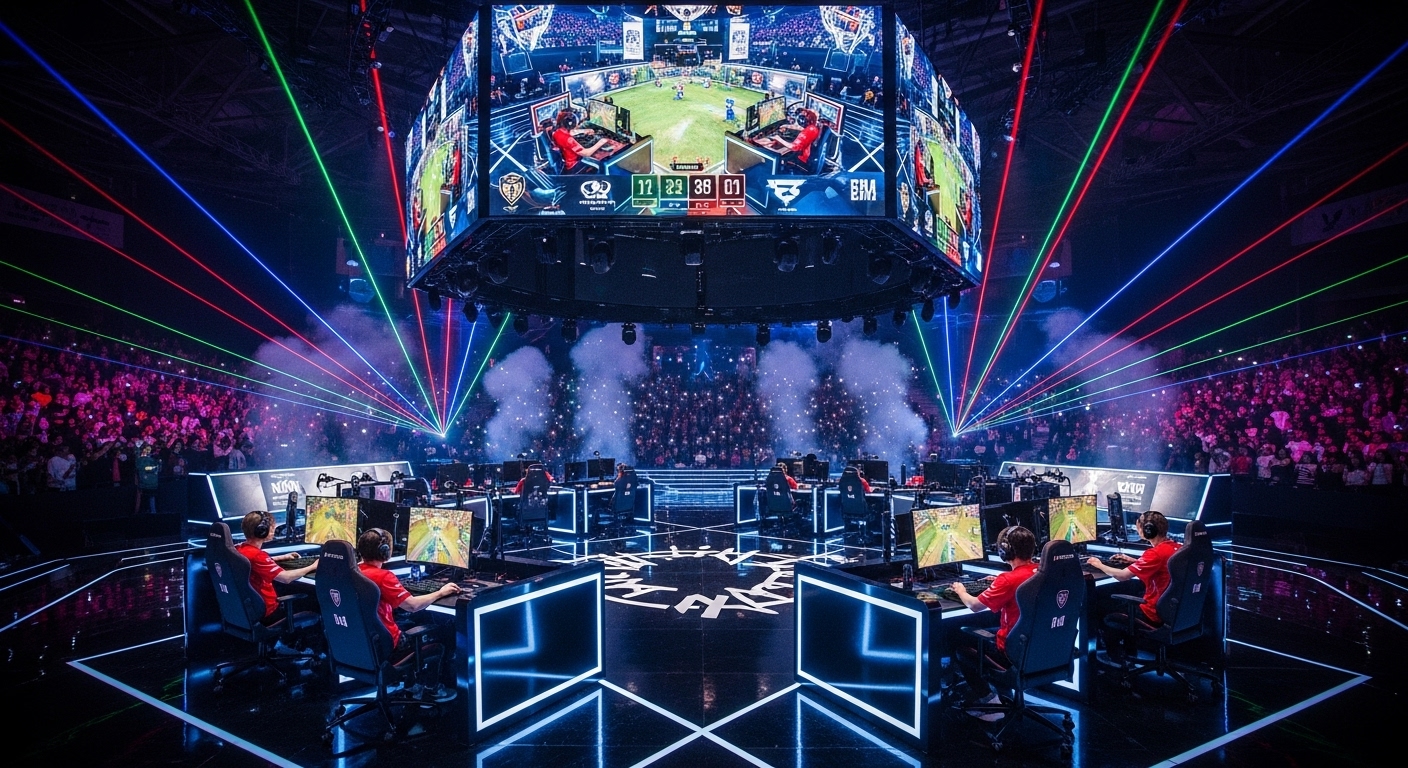
Large-scale tournaments, such as the League of Legends World Championship or The International (Dota 2), have turned into global spectacles, with millions of fans tuning in from all corners of the world to watch their favorite teams compete. These events are often held in iconic arenas such as the Staples Center in Los Angeles or the Mercedes-Benz Arena in Berlin, offering a level of spectacle that rivals traditional sporting events.
The Esports Ecosystem: A Multi-Billion-Dollar Industry
As esports grows, it has created a thriving ecosystem that includes not only players but also team owners, coaches, content creators, game developers, and tournament organizers. Let’s take a closer look at the key components of the esports ecosystem:
1. Game Developers
At the heart of esports lies the games themselves. Major game developers like Riot Games, Valve Corporation, Blizzard Entertainment, and Epic Games have heavily invested in esports infrastructure. These companies not only develop the games but also organize tournaments, provide financial support, and promote their games within the esports community.
For example, Riot Games’ “League of Legends” has grown into one of the most successful esports titles, with a well-established competitive structure in place. Similarly, Valve’s “Dota 2” boasts one of the largest prize pools in esports history through The International tournament, which has seen prize funds rise to over $30 million in recent years.
2. Tournament Organizers
Esports tournaments are the backbone of competitive gaming. Prominent event organizers like ESL, DreamHack, and BLAST Premier host some of the most popular esports competitions globally. These tournaments are broadcast to millions of fans worldwide, showcasing the talent and skill of players from various regions.
In addition to major tournaments, there are also regional and smaller-scale competitions, which help to cultivate emerging talent and provide opportunities for lesser-known players to gain recognition.
3. Sponsors and Advertisers
The financial backbone of esports comes from corporate sponsorships and advertisements. Major brands such as Intel, Coca-Cola, Red Bull, and Nike have all invested in the esports market, either by sponsoring teams or partnering with tournament organizers. These sponsorships provide a steady stream of revenue for the esports industry and have helped it grow into a multi-billion-dollar business.
Companies are keen to reach the highly engaged, tech-savvy demographic that esports attracts, which includes viewers aged 18-34. The audience’s passion for gaming, coupled with the immersive nature of esports events, makes it a prime target for advertisers.
4. Content Creators and Streamers
In addition to professional players, content creators and streamers play an integral role in the esports ecosystem. Influential figures such as Ninja, Shroud, and Pokimane have helped to popularize gaming culture on platforms like Twitch, YouTube, and TikTok. These personalities often have massive followings, and their ability to engage with fans on a personal level has further elevated the appeal of esports.
Many streamers make a significant income through donations, subscriptions, and brand sponsorships, allowing them to further invest in their content and grow their channels. The rise of content creators has also led to the diversification of gaming content, with streams ranging from casual gameplay to in-depth discussions of esports strategy and analysis.
The Future of Esports: A New Horizon
Looking forward, esports is poised to continue its growth, with several trends and innovations shaping its future:
1. Inclusion of Esports in the Olympics
In recent years, there has been talk of including esports in the Olympic Games. While the International Olympic Committee (IOC) has not yet fully embraced competitive gaming, it has recognized esports as a legitimate form of sport. In 2021, the Asian Games included esports as a medal event for the first time, signaling the increasing mainstream acceptance of competitive gaming.
Should esports be included in the Olympics, it would provide an enormous platform for the industry and further boost its global profile.
2. VR and AR Integration
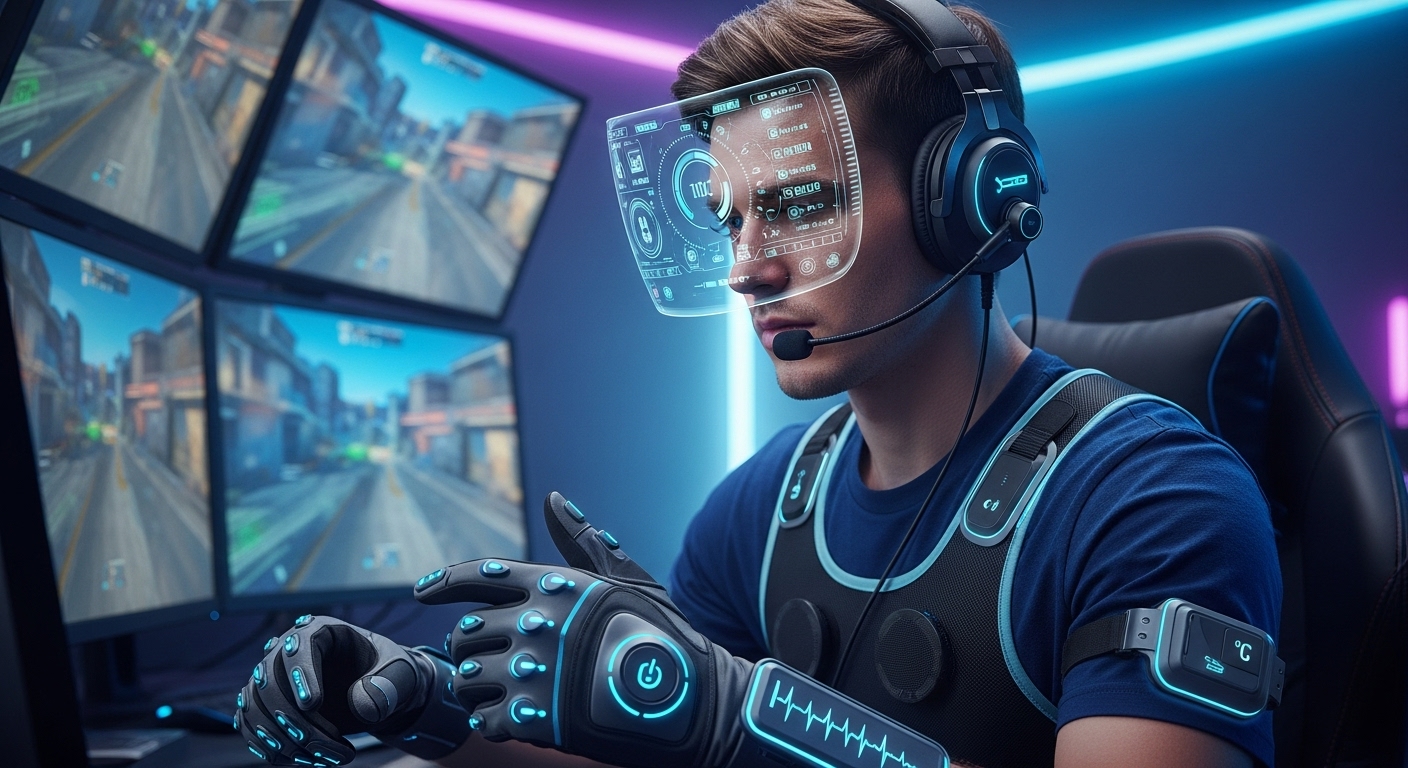
Virtual Reality (VR) and Augmented Reality (AR) technologies have the potential to revolutionize esports. These technologies can provide more immersive gaming experiences, allowing players and fans to engage with games in new ways. VR esports tournaments, which allow players to participate in virtual environments, are already emerging, and the potential for more interactive and engaging formats is enormous.
3. Expansion of Mobile Esports
While traditional esports games like “League of Legends” and “Counter-Strike” remain popular, mobile gaming is beginning to carve out its own competitive niche. Games like “PUBG Mobile” and “Free Fire” have gained massive followings in regions like Southeast Asia and Latin America, where mobile phones are often the primary gaming platform. The rise of mobile esports is expected to continue, providing more opportunities for players to compete in the esports space.
Conclusion: Esports—More Than Just a Game
Esports is no longer just about playing video games; it’s become a global, multi-billion-dollar industry that has transformed the entertainment landscape. With its growing fanbase, increasing professionalization, and support from major corporations, esports is set to continue its ascent in the coming years.
The impact of esports is far-reaching—affecting everything from traditional sports to entertainment and even education. As the industry evolves, it will likely continue to innovate, bringing new experiences and opportunities for players, fans, and brands alike. For those who love gaming, it’s an exciting time to be a part of the esports revolution.