Esports has rapidly transformed from a pastime enjoyed by small gaming communities into a global competitive entertainment industry. What was once viewed as casual gaming has evolved into a structured ecosystem with professional players, international tournaments, massive fan followings, and serious economic impact. Today, esports stands at the intersection of technology, culture, and competition, redefining how people engage with sports and digital entertainment.
This blog explores the growth of esports, its cultural influence, professional structure, challenges, and the future that lies ahead for competitive gaming.
The Meaning and Scope of Esports
Esports, or electronic sports, refers to organized competitive video gaming where individuals or teams compete in structured tournaments. These competitions span various game genres, including multiplayer online battle arenas, first-person shooters, sports simulations, strategy games, and fighting games. What separates esports from casual gaming is its professional nature, requiring exceptional skill, coordination, strategic planning, and mental resilience.
Players train extensively to master mechanics, understand in-game systems, and develop team strategies. Matches are officiated, rules are enforced, and competitions are broadcast to audiences that rival traditional sporting events. Esports is not merely about playing games; it is about high-level performance under pressure.
The Evolution from Hobby to Industry
The journey of esports from small-scale tournaments to a global industry has been shaped by technological advancement and community engagement. Early competitions were often informal, held in local gaming centers or online forums. As internet connectivity improved, online multiplayer gaming flourished, allowing players from different regions to compete.
The rise of live streaming platforms played a crucial role in esports growth. Audiences could now watch matches in real time, follow their favorite players, and engage with the gaming community. This accessibility fueled popularity and attracted sponsors, investors, and media attention. Over time, structured leagues and global championships emerged, bringing legitimacy and professional standards to esports.
Professional Players and Team Dynamics
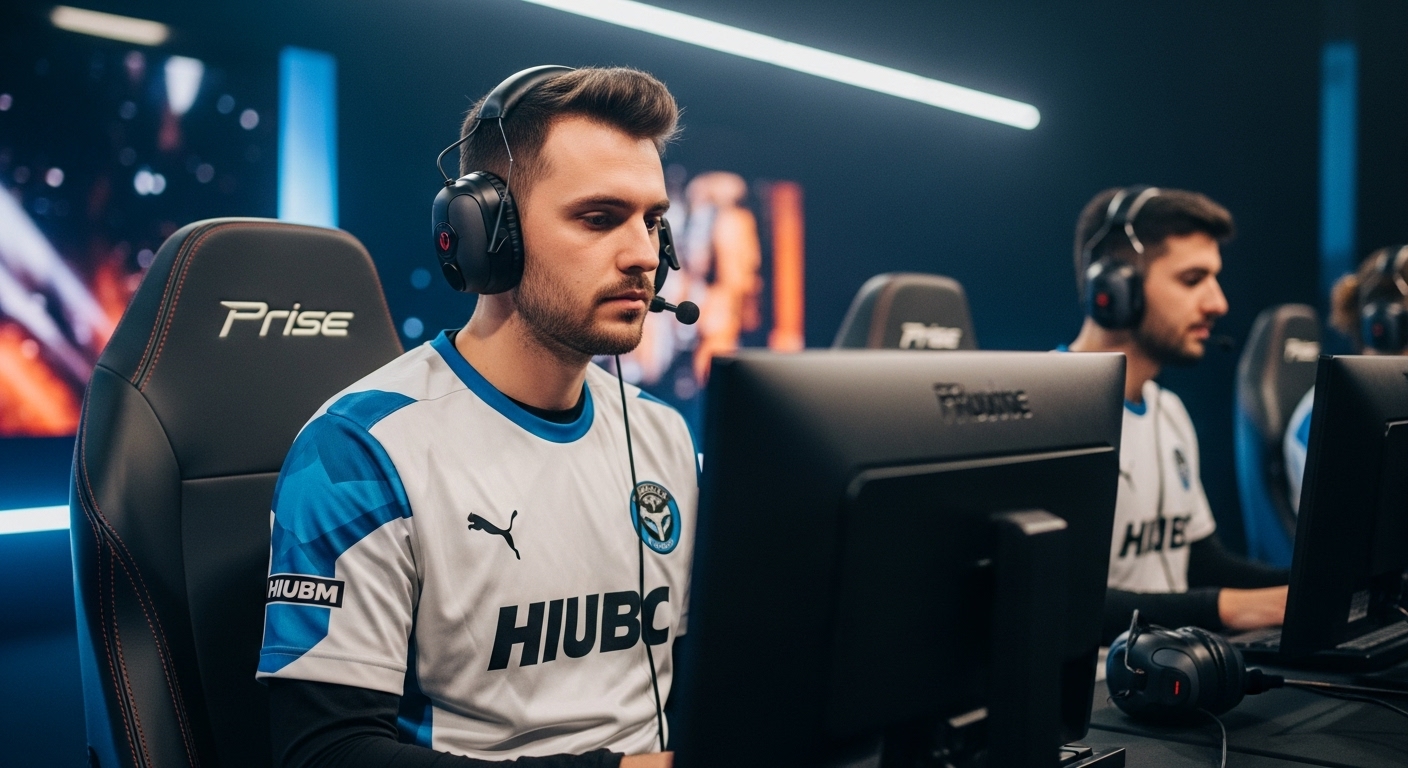
Professional esports players are central to the industry’s success. These individuals often begin gaming at a young age, developing reflexes, strategic thinking, and game knowledge through years of practice. At the highest level, esports players maintain rigorous schedules that include training sessions, team meetings, strategy reviews, and physical conditioning.
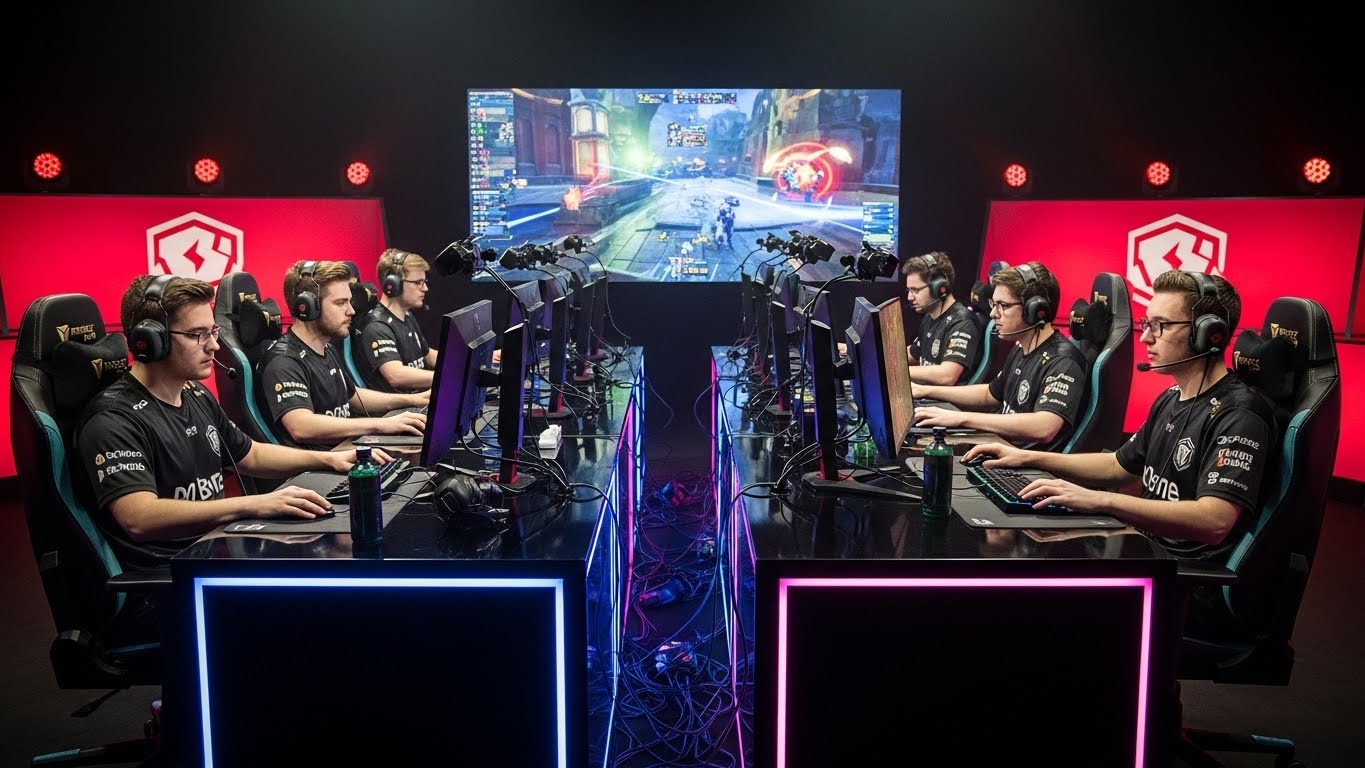
Teams operate similarly to traditional sports organizations. They recruit talent, provide coaching staff, analyze gameplay data, and manage branding and sponsorships. Communication and teamwork are essential, as many esports titles require coordinated decision-making and precise execution. Success depends not only on individual skill but also on trust, adaptability, and collaboration within the team.
The Role of Coaches and Analysts
Behind every successful esports team is a support system that includes coaches, analysts, and managers. Coaches focus on improving player performance, refining strategies, and maintaining team morale. Analysts study gameplay footage, identify patterns, and provide insights that help teams prepare for opponents.
This analytical approach has elevated the competitive standard of esports. Data-driven decision-making allows teams to optimize tactics, adapt to changing game updates, and gain competitive advantages. The presence of professional support staff further emphasizes that esports is a serious and disciplined field.
Esports as a Global Spectacle
One of the defining features of esports is its global reach. International tournaments bring together players and fans from different countries, creating a shared digital culture. Viewers tune in from across the world to watch live matches, support teams, and participate in online discussions.
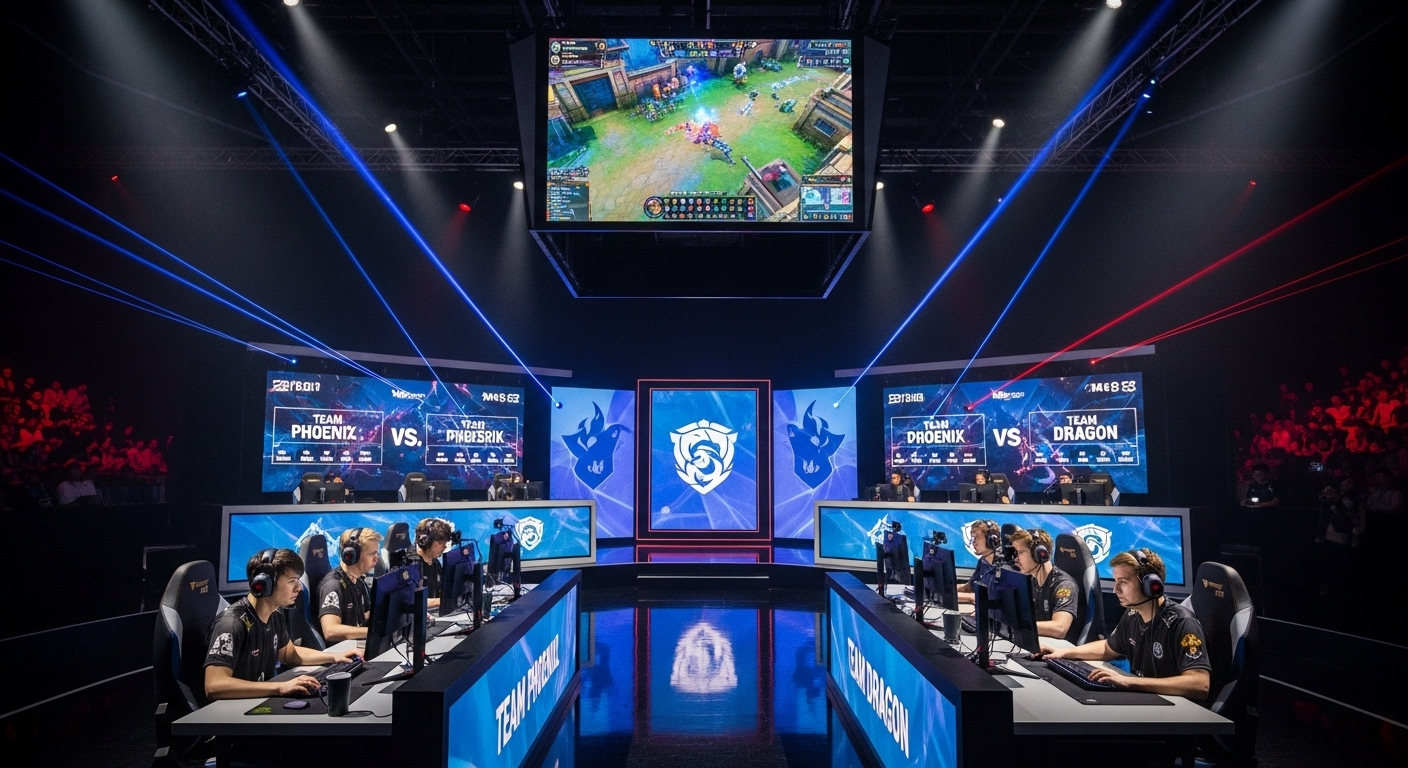
Esports events are often hosted in large arenas, complete with stage productions, commentary, and live audiences. These events combine the excitement of sports with the spectacle of entertainment, appealing to both gamers and non-gamers. The global nature of esports fosters cross-cultural connections and showcases the universal appeal of competition.
Economic Growth and Career Opportunities
The esports industry has become a major economic force, generating revenue through sponsorships, advertising, merchandise, ticket sales, and digital content. Brands recognize esports as an effective way to reach younger, tech-savvy audiences, leading to increased investment.
Beyond professional players, esports has created diverse career opportunities. Roles include event organizers, broadcasters, marketing specialists, content creators, game testers, and community managers. Educational institutions are also beginning to offer programs focused on esports management and game-related studies, further expanding career pathways.
Streaming and Fan Engagement
Streaming has revolutionized how fans interact with esports. Viewers are no longer passive spectators; they engage directly with players, commentators, and other fans through live chats and community platforms. This interaction creates a sense of belonging and loyalty that strengthens fan communities.
Many professional players also stream their practice sessions, allowing fans to gain insight into their training routines and personalities. This transparency builds personal connections and transforms players into influential public figures. Esports thrives on this close relationship between competitors and audiences.
The Cultural Impact of Esports
Esports has become a significant part of modern youth culture. Gaming communities offer spaces for social interaction, self-expression, and collaboration. For many young people, esports represents an opportunity to pursue passion-driven careers that were once unimaginable.
Fashion, music, and language influenced by gaming culture are now mainstream. Esports has also contributed to changing perceptions of gaming, shifting it from a solitary activity to a social and competitive experience. This cultural influence continues to grow as esports gains wider acceptance.
Health, Discipline, and Mental Strength
Despite misconceptions, professional esports requires discipline and physical awareness. Long hours of gameplay can strain the body and mind, making health management essential. Players focus on posture, exercise, sleep, and nutrition to maintain performance.
Mental strength is equally important. High-pressure matches demand focus, emotional control, and resilience. Teams increasingly emphasize mental health support, helping players manage stress and avoid burnout. This holistic approach reflects the maturity and responsibility of the esports industry.
Gender Diversity and Inclusion
While esports has traditionally been male-dominated, efforts to promote diversity and inclusion are increasing. Female players, commentators, and organizers are gaining recognition and challenging stereotypes. Inclusive initiatives aim to create safe, respectful environments for all participants.
Promoting diversity strengthens esports by broadening its talent pool and audience. A more inclusive industry encourages creativity, innovation, and long-term sustainability. As attitudes continue to evolve, esports has the potential to become a model for digital inclusivity.
Technological Innovation in Esports
Technology is the foundation of esports, and ongoing innovation continues to shape the industry. Advances in hardware, software, and internet infrastructure improve gameplay quality and viewer experiences. Enhanced graphics, real-time analytics, and immersive broadcasting techniques elevate competitive events.
Emerging technologies such as virtual reality and augmented reality may further transform esports, offering new ways to play and watch games. These innovations highlight esports as a forward-looking industry driven by technological progress.
Challenges Facing Competitive Gaming
Despite its success, esports faces several challenges. Maintaining competitive integrity is essential, as issues such as cheating and unfair practices can undermine trust. Clear regulations and enforcement are necessary to protect the credibility of competitions.
Another challenge is sustainability. Rapid growth can lead to financial instability if organizations overextend. Long-term planning, ethical management, and responsible investment are crucial to ensuring continued success. Addressing these challenges will shape the future stability of esports.
The Future of Esports
The future of esports appears promising as it continues to integrate with mainstream entertainment. As audiences grow and technology evolves, esports will likely expand into new formats and platforms. Greater recognition from traditional sports institutions and media outlets will further legitimize competitive gaming.
Esports may also play a role in education, training skills such as teamwork, strategic thinking, and digital literacy. As society becomes more digitally connected, esports will remain relevant and influential.
Conclusion
Esports has transcended its origins to become a powerful force in global entertainment. It combines competition, technology, culture, and community in a way that reflects the digital age. From professional players and international tournaments to passionate fans and creative content, esports represents a new form of competitive expression.
As the industry continues to grow, its impact will extend beyond gaming, influencing how people connect, compete, and pursue their passions. Esports is no longer just about games; it is about the future of competition in a digital world.