Introduction
Esports, or electronic sports, has transformed the way people view competition and entertainment in the modern era. From casual gamers playing in their bedrooms to professional players competing on stadium stages in front of thousands of spectators, esports has grown into a multi-billion-dollar industry with a global audience.
Unlike traditional sports, esports thrives in a digital environment, yet it demands precision, strategy, teamwork, and mental resilience. Games such as League of Legends, Dota 2, Counter-Strike: Global Offensive, Fortnite, and Overwatch have become more than just entertainment—they are careers, cultures, and communities.
In this article, we will explore the rise of esports, the ecosystem of professional gaming, the impact of tournaments and prize pools, the culture surrounding esports, the challenges it faces, and the promising future of competitive gaming.
The Origins of Esports
Esports has a history that goes back decades, originating from the earliest arcade and console competitions. In the 1970s and 1980s, players competed for high scores in games like Pong, Space Invaders, and Pac-Man. These competitions were localized and often informal, but they laid the foundation for competitive gaming culture.
The 1990s saw the emergence of networked PC gaming, which allowed players to compete online. Titles like Quake and StarCraft became some of the first true esports games, with organized tournaments and online rankings. South Korea became a pioneering force in professional esports during this period, particularly with StarCraft, where televised competitions turned players into celebrities and inspired future generations of gamers.
By the early 2000s, esports was evolving into a professional industry with structured tournaments, organized teams, and increasing media coverage. This period marked the transition from hobbyist competitions to global entertainment.
The Esports Ecosystem
Modern esports is supported by a complex ecosystem involving players, teams, leagues, tournaments, streaming platforms, and sponsors. Each element contributes to the growth and sustainability of the industry.
Players
Professional esports players are the heart of the industry. They dedicate countless hours to practice, refine strategies, and maintain peak mental and physical condition. Unlike traditional athletes, esports players rely heavily on reaction speed, strategic thinking, communication, and multitasking. Many players start their careers at a young age and commit to long daily training schedules to remain competitive at the highest level.
Teams
Esports teams provide structure, coaching, management, and support for players. Organizations like Cloud9, Fnatic, and Team Liquid are recognized worldwide for fostering talent and competing across multiple games. Teams manage sponsorship deals, create content, coordinate training, and provide resources that allow players to focus on performance.
Leagues and Tournaments
Structured competition is the foundation of esports. Leagues such as the League of Legends Championship Series (LCS), the Overwatch League, and Call of Duty League operate with seasonal schedules, playoffs, and championships, similar to traditional sports.
Standalone tournaments, such as The International for Dota 2, Fortnite World Cup, and ESL One for CS:GO, provide high-stakes competition with substantial prize pools and global attention. These events attract thousands of live spectators and millions of online viewers, making esports a spectacle with international reach.
Streaming Platforms
Streaming platforms like Twitch, YouTube Gaming, and Trovo have revolutionized esports by connecting players and audiences in real time. Fans can watch live matches, interact with players through chat, and support their favorite streamers through subscriptions and donations. Streaming also allows content creation beyond tournaments, giving players the opportunity to build personal brands and reach global communities.
Sponsors and Brands
Sponsorships are a crucial revenue source in esports. Companies from tech, beverage, fashion, and gaming industries invest heavily in teams, tournaments, and content creators. Sponsorships provide financial stability for teams, fund prize pools, and elevate the visibility of competitive gaming to mainstream audiences. High-profile sponsorships also legitimize esports as a professional and respected industry.
Popular Esports Titles
Competitive gaming encompasses multiple genres, each with its unique skill set, community, and competitive structure.
- League of Legends (LoL): A multiplayer online battle arena game that emphasizes teamwork, strategy, and fast decision-making. The World Championship attracts millions of viewers worldwide.
- Dota 2: Known for its annual tournament, The International, which features one of the largest prize pools in esports history. It combines complex strategy with precision gameplay.
- Counter-Strike: Global Offensive (CS:GO): A first-person shooter requiring precise aiming, teamwork, and tactical execution. Major tournaments attract large audiences and offer substantial prizes.
- Fortnite: A battle royale game that combines shooting, building, and strategy. Its World Cup highlighted the mainstream potential of esports and massive prize pools.
- Overwatch: A team-based shooter with unique characters and strategic objectives, supported by professional leagues with seasonal competition.
- Call of Duty: A fast-paced first-person shooter with a professional league structure, attracting both casual and professional players.
Each game contributes to the diversity and appeal of esports, attracting players and fans from around the globe.
The Role of Prize Pools in Esports
Prize pools are a driving factor behind competitive intensity in esports. Large rewards attract top-tier talent, increase audience engagement, and elevate the stakes of tournaments. For example, The International for Dota 2 has had prize pools exceeding forty million dollars, making it one of the richest esports competitions worldwide.
Prize pools not only provide financial incentives but also symbolize prestige. Winning high-profile tournaments can elevate a player or team’s reputation, attract sponsorships, and create career opportunities. This combination of recognition and monetary reward motivates players to train harder, strategize better, and perform under pressure.
Esports as a Spectator Sport
Spectatorship is a crucial component of esports. Fans watch professional players navigate intricate strategies, make split-second decisions, and compete under high stakes. Professional commentary, real-time statistics, and dynamic camera angles enhance the viewing experience, making esports engaging and immersive.
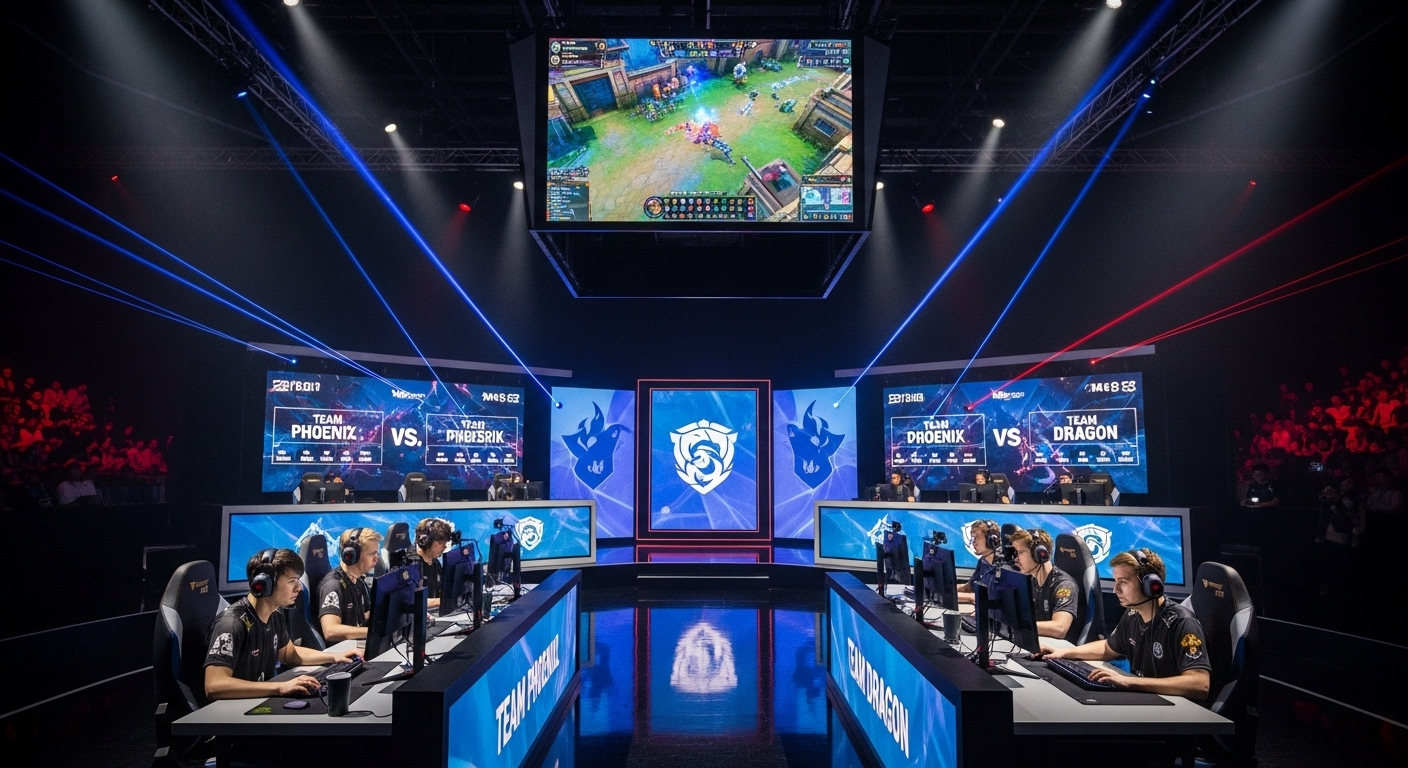
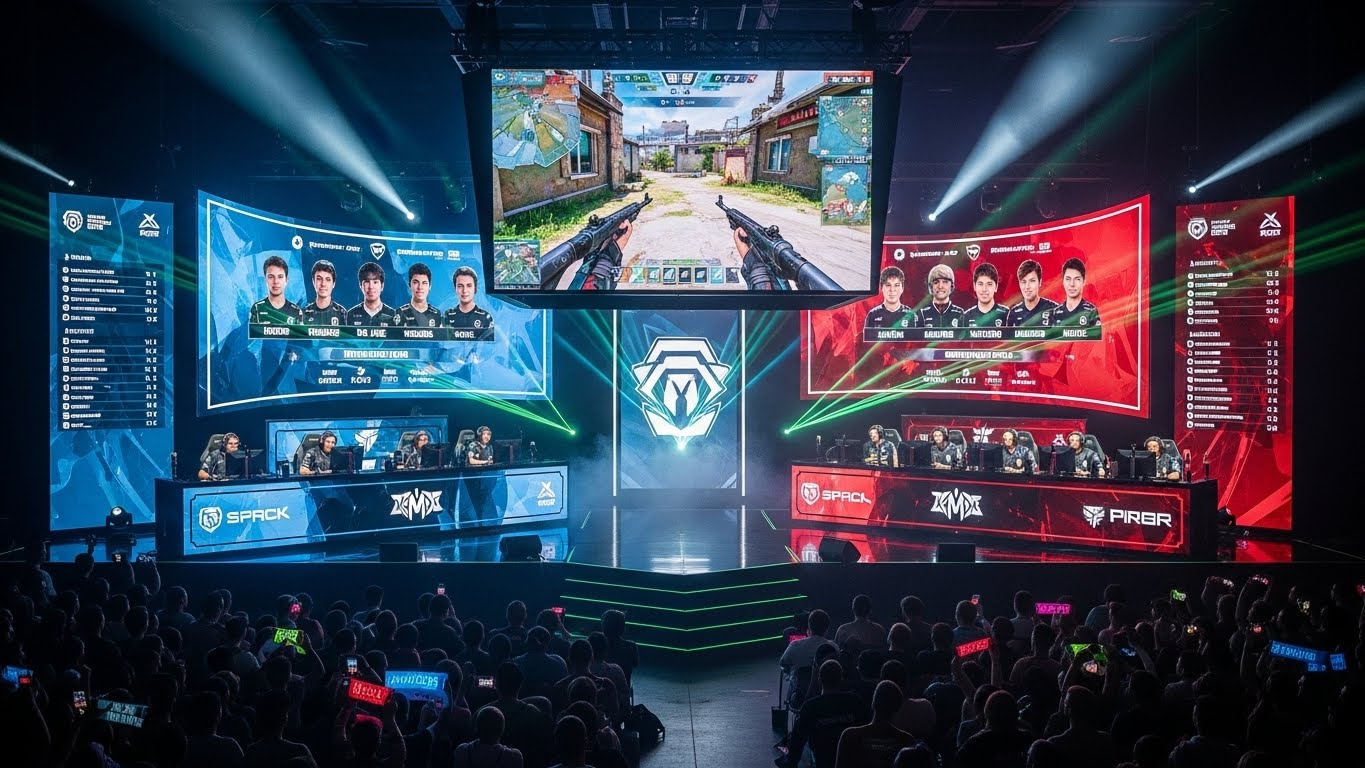
Major tournaments draw massive live audiences, filling arenas in cities like Seoul, Los Angeles, and Shanghai. Online streaming platforms allow millions more viewers to participate virtually, interact with other fans, and engage with content creators. Esports’ interactive nature creates a unique spectator experience, combining entertainment with community engagement.
The media landscape for esports has also expanded, with documentaries, highlight reels, and analysis shows providing deeper insight into games and strategies, helping casual fans connect with the competitive scene.
Cultural Impact of Esports
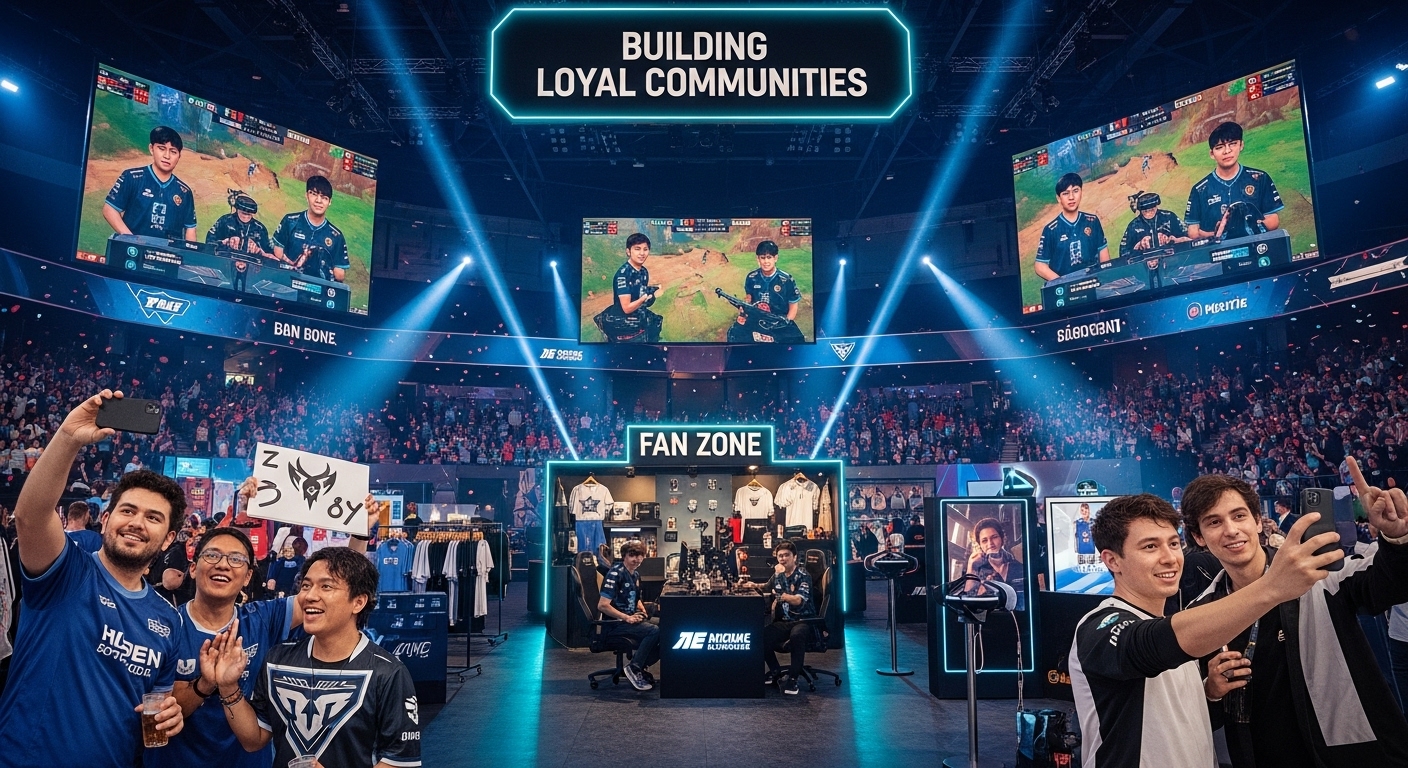
Esports has redefined gaming culture, transforming video games into a legitimate career path and a cultural phenomenon. Professional players are celebrated as athletes, with fan bases rivaling those of traditional sports stars. Online communities have emerged around games, fostering global connections, shared experiences, and collaborative creativity.
Esports has also influenced education and career opportunities. Universities now offer esports programs, scholarships, and courses in game design, strategy, and management. These initiatives reflect the recognition of esports as a professional and academic pursuit, providing structured pathways for aspiring players.
Furthermore, esports has become a platform for creativity and expression. Fans create art, memes, video content, and commentary that enhance the community experience, building rich and interactive cultures around competitive games.
Challenges Facing Esports
Despite its growth, esports faces challenges that could affect long-term sustainability.
- Mental Health and Burnout: Intense practice schedules, travel, and high expectations can lead to stress, anxiety, and burnout. Support systems are critical for player well-being.
- Cheating and Fair Play: Online gaming is susceptible to cheating, hacking, and exploitation, which threatens competition integrity. Anti-cheat measures and regulation are essential.
- Diversity and Inclusion: Gender representation and inclusivity remain issues in esports. Initiatives are underway to create safer and more welcoming environments.
- Financial Stability: While top-tier organizations thrive, smaller teams and emerging players often struggle to secure sustainable revenue streams, highlighting the need for balanced economic structures.
Addressing these challenges is essential for maintaining credibility, growth, and global legitimacy of esports.
The Future of Esports
The future of esports promises technological innovation and wider cultural integration. Virtual reality, augmented reality, and AI-driven tools could enhance immersion, strategy, and training methods. Mobile gaming is also expanding the global reach of esports, particularly in regions where PCs and consoles are less accessible.
Esports may further integrate with traditional sports and entertainment, creating hybrid events that combine gaming, live performances, and audience interaction. Educational programs and governmental recognition of esports careers will continue to support industry growth and professional legitimacy.
With continued innovation and audience expansion, esports is poised to become fully mainstream, influencing entertainment, technology, and global culture for decades to come.
Conclusion
Esports has grown from a small community of hobbyists into a global entertainment powerhouse. It has created careers, inspired communities, and shaped culture in ways comparable to traditional sports. Players, teams, leagues, tournaments, streaming platforms, and sponsors together form an ecosystem that fuels growth, competition, and entertainment.
While challenges remain, including mental health, inclusivity, and financial sustainability, esports continues to thrive and evolve. It represents a new era of competitive entertainment where digital skill, strategy, and teamwork are celebrated on a global stage. The rise of esports is a testament to human creativity, passion, and adaptability in the digital age.
Esports is more than gaming—it is a cultural phenomenon, a professional pursuit, and a form of entertainment that connects millions of people worldwide, shaping the way the world experiences competition and community in the twenty-first century.