Introduction: Esports and Its Global Emergence
In recent years, esports has transformed from a niche hobby into a global phenomenon. What began as small gatherings of gaming enthusiasts in living rooms and local LAN centers has evolved into a multi-billion-dollar industry, attracting millions of viewers and participants worldwide. Competitive gaming, or esports, encompasses a wide range of video games, each with its own community, tournaments, and professional leagues. From strategy games to first-person shooters, esports has become a central pillar of modern entertainment.
Unlike traditional sports, esports thrives in the digital age, where accessibility, connectivity, and technological advancements allow players from different continents to compete seamlessly. The growth of high-speed internet, streaming platforms, and social media has amplified the reach and influence of esports, turning casual gamers into professional athletes and online personalities into global icons.
The Evolution of Esports: From Hobby to Industry
The history of esports dates back several decades, with the earliest competitive video game events occurring in the late 1970s and 1980s. Games like Space Invaders and Pac-Man first sparked organized competitions, often in arcades where players showcased high scores. The concept of competitive gaming gained momentum in the 1990s with the rise of PC gaming and local area network (LAN) tournaments.
The early 2000s marked a turning point. Games such as Counter-Strike, StarCraft, and Warcraft III introduced professional-level competition and online multiplayer tournaments. South Korea, in particular, became a hotspot for esports, with dedicated gaming arenas and televised matches. This era laid the foundation for the professional leagues and sponsorship-driven ecosystem that defines modern esports.
As technology advanced, esports expanded beyond PC gaming to console and mobile platforms. The introduction of games like League of Legends, Dota 2, and Fortnite helped propel esports into mainstream culture. Large-scale tournaments with prize pools reaching millions of dollars began attracting global attention, demonstrating that esports was not just a pastime but a legitimate professional pursuit.
The Role of Streaming Platforms in Esports Growth
One of the driving forces behind the explosive growth of esports is streaming technology. Platforms such as Twitch, YouTube Gaming, and Facebook Gaming have transformed how audiences consume content. Unlike traditional sports, which rely on television broadcasts, esports thrives on live streaming, allowing fans to interact directly with players, commentators, and each other.
Streaming platforms also provide aspiring players with exposure. Gamers can build audiences, attract sponsorships, and even turn content creation into a career. This democratization of competitive gaming has fueled a surge in both player participation and viewer engagement, creating a dynamic ecosystem where talent, entertainment, and community converge.
Popular Esports Genres and Games
Esports encompasses a variety of genres, each with unique gameplay mechanics, strategies, and fanbases. Some of the most popular genres include:
1. Multiplayer Online Battle Arenas (MOBA)
Games like League of Legends and Dota 2 dominate the MOBA scene. These games require teams of players to work together to destroy the opposing team’s base while defending their own. MOBAs are known for their complex strategies, high skill ceilings, and intense team coordination.
2. First-Person Shooters (FPS)
FPS games such as Counter-Strike: Global Offensive, Call of Duty, and Valorant focus on shooting accuracy, reflexes, and map awareness. These games emphasize fast-paced action and precision, attracting audiences who enjoy high-intensity gameplay.
3. Real-Time Strategy (RTS)
RTS games, including StarCraft II, demand tactical thinking, resource management, and quick decision-making. While RTS games may not have the same mass appeal as MOBAs or FPS titles today, they laid the groundwork for competitive esports and continue to have dedicated fanbases.
4. Fighting Games
Fighting games like Street Fighter, Tekken, and Super Smash Bros. highlight one-on-one combat, requiring timing, reflexes, and precise execution. Fighting game tournaments have a passionate community, often celebrated for their vibrant local scenes and international championships.
5. Sports Simulations and Racing Games
Sports simulation games, such as FIFA and NBA 2K, as well as racing games like Gran Turismo and iRacing, bring the excitement of traditional sports into the virtual arena. These games attract fans who appreciate realism and competitive mechanics.
The Professional Esports Scene
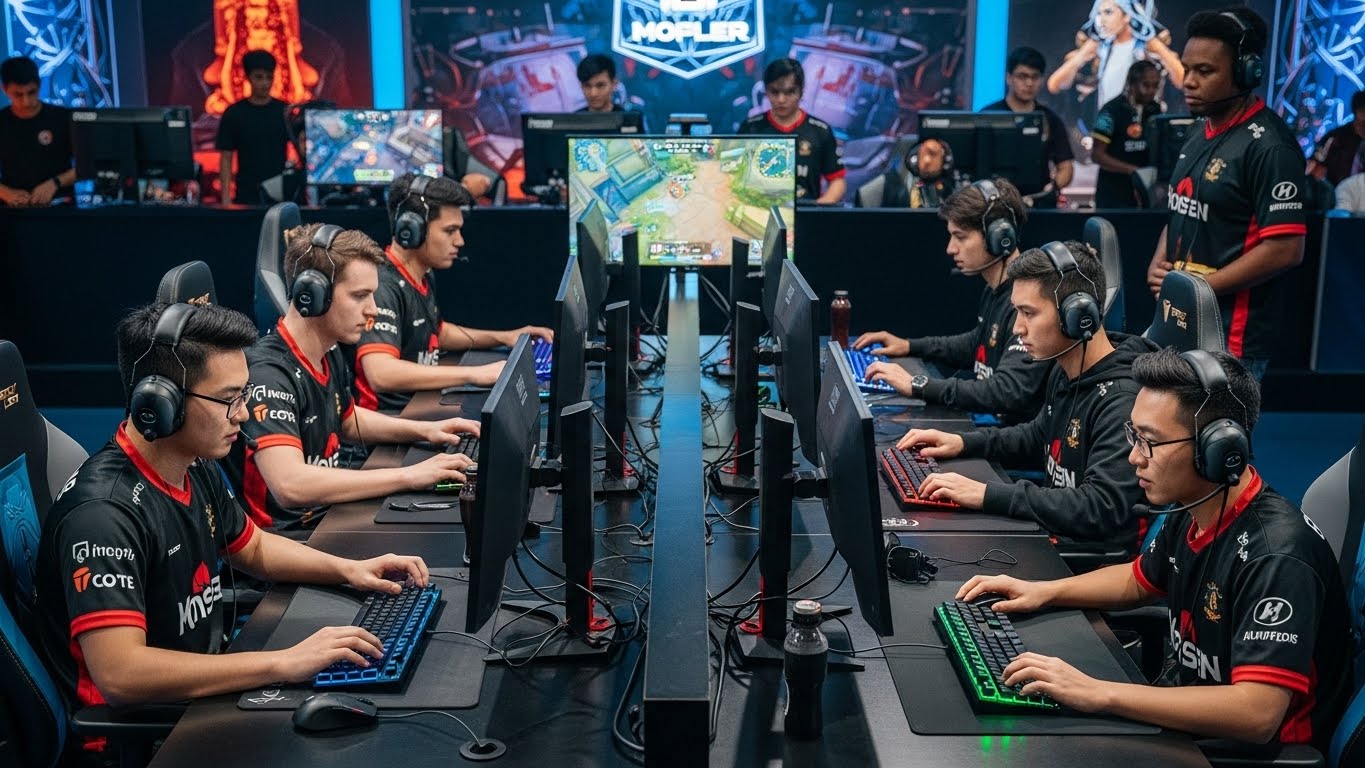
Esports has grown into a fully professionalized industry. Professional players often train rigorously, similar to athletes in traditional sports, with schedules that include practice, strategy planning, and physical conditioning. Teams have coaches, analysts, and support staff to optimize performance.
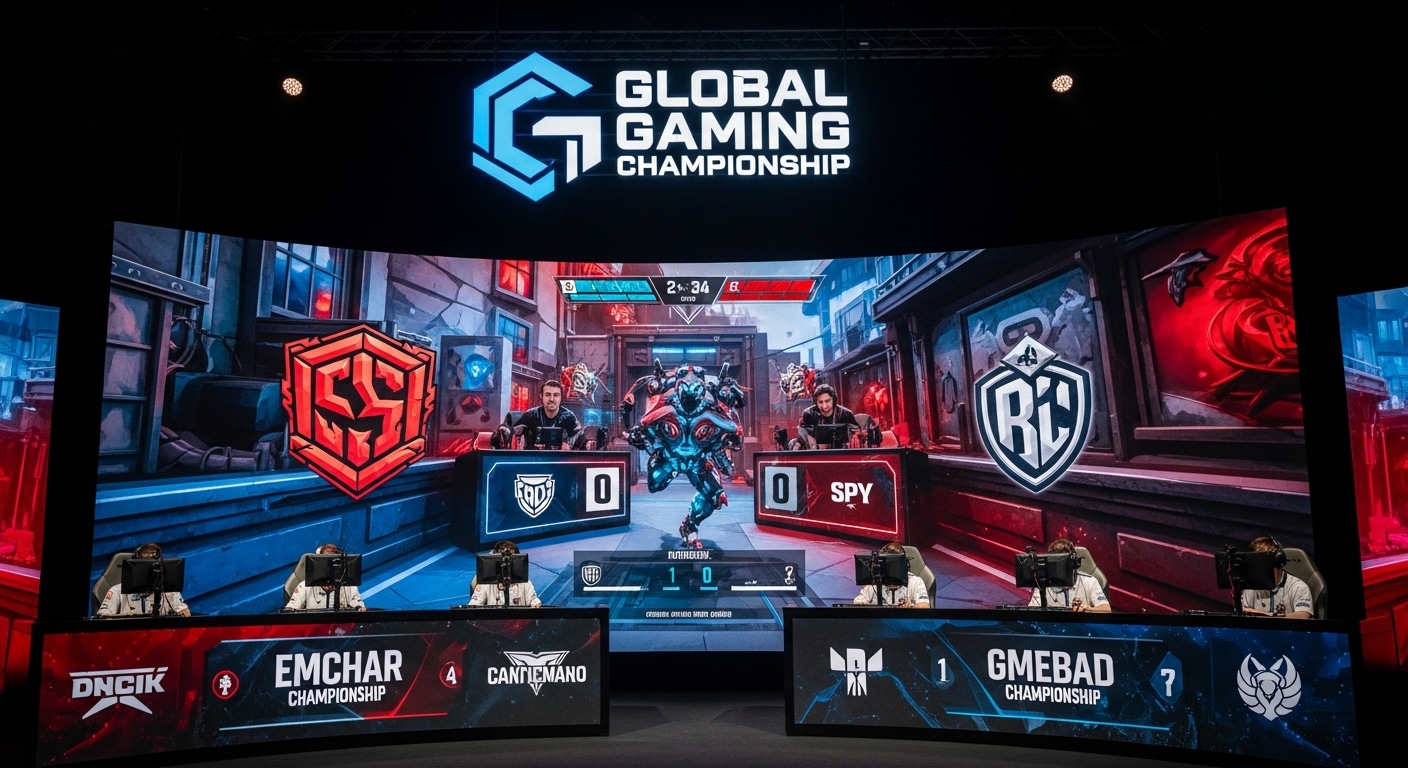
Tournaments now feature massive prize pools, sometimes exceeding millions of dollars, attracting global talent. Some notable events include The International (Dota 2), League of Legends World Championship, CS:GO Major Championships, and the Fortnite World Cup. Winning these tournaments can make a player’s career, turning them into global icons.
Esports organizations, such as Team Liquid, Fnatic, Cloud9, and T1, operate similarly to traditional sports clubs, managing multiple teams, securing sponsorships, and fostering fan communities. These organizations have become brands in their own right, bridging the gap between gaming culture and mainstream recognition.
The Impact of Esports on Culture and Society
Esports has influenced popular culture in profound ways. It has created a new kind of celebrity—gamers who are not just athletes but entertainers, content creators, and influencers. Streamers and professional players have become role models for younger generations, inspiring them to pursue gaming as a legitimate career path.
Additionally, esports has fostered global communities. Fans from different countries can connect through shared interests, forming online friendships, local clubs, and even fan conventions. The accessibility of esports allows anyone with a computer or gaming console to engage, democratizing entertainment and expanding cultural exchange.
Challenges Facing the Esports Industry
Despite its rapid growth, esports faces several challenges. Player burnout is a significant concern, as intense training schedules and constant competition can lead to mental and physical strain. Organizations and tournament organizers are increasingly recognizing the importance of mental health support and balanced lifestyles for players.
Another challenge is maintaining fairness and integrity. Cheating, match-fixing, and doping are risks that can undermine the credibility of competitions. As the industry professionalizes, implementing strict regulations, monitoring systems, and anti-cheating measures becomes critical.
Finally, esports faces the challenge of sustainability. While the industry is booming, fluctuations in sponsorship, viewership trends, and game popularity can impact financial stability. Organizations must innovate and diversify revenue streams to ensure long-term growth.
The Future of Esports
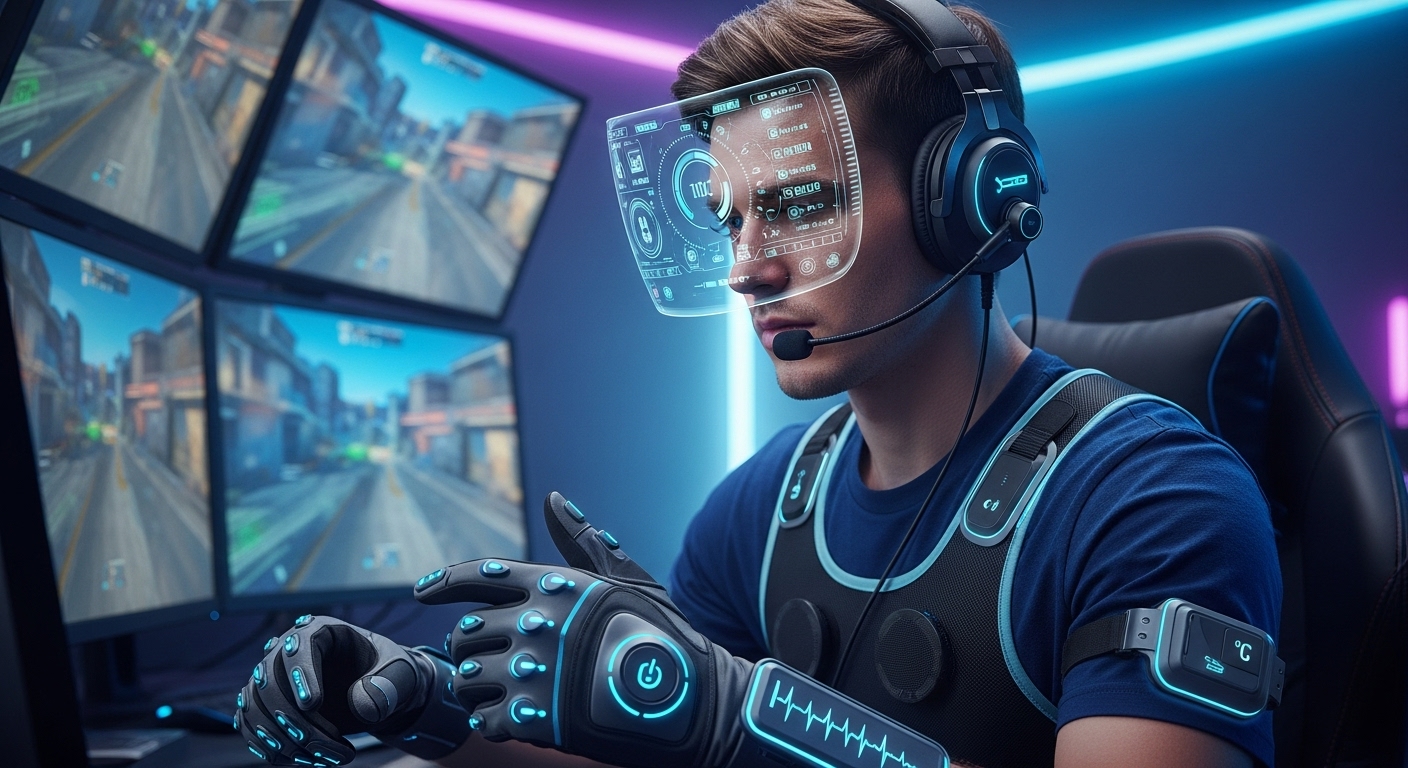
The future of esports looks promising. With advancements in technology, virtual reality (VR) and augmented reality (AR) could redefine competitive gaming, offering immersive experiences for both players and spectators. AI-driven coaching and analytics may further elevate player performance and strategy development.
Esports is also likely to become more integrated into traditional sports culture. Universities are offering esports scholarships, professional leagues are expanding, and major sporting events are incorporating esports exhibitions. As societal recognition grows, esports could become as mainstream as football, basketball, or soccer.
Furthermore, mobile esports is rapidly expanding, particularly in regions like Southeast Asia, Latin America, and India, where mobile gaming dominates. This trend opens new markets, diversifies player bases, and introduces fresh gameplay experiences.
Conclusion: Esports as a Cultural and Economic Force
Esports has evolved into more than just a form of entertainment—it is a cultural and economic force that transcends borders, languages, and traditional notions of competition. It unites communities, empowers professional players, and reshapes the entertainment industry.
As technology continues to evolve, esports will likely become even more immersive, accessible, and influential. Whether as a professional player, a fan, or a content creator, engaging with esports offers opportunities for connection, growth, and excitement in an increasingly digital world. The rise of esports is a testament to the power of gaming, innovation, and human creativity, heralding a future where competitive digital entertainment is celebrated on par with traditional sports.