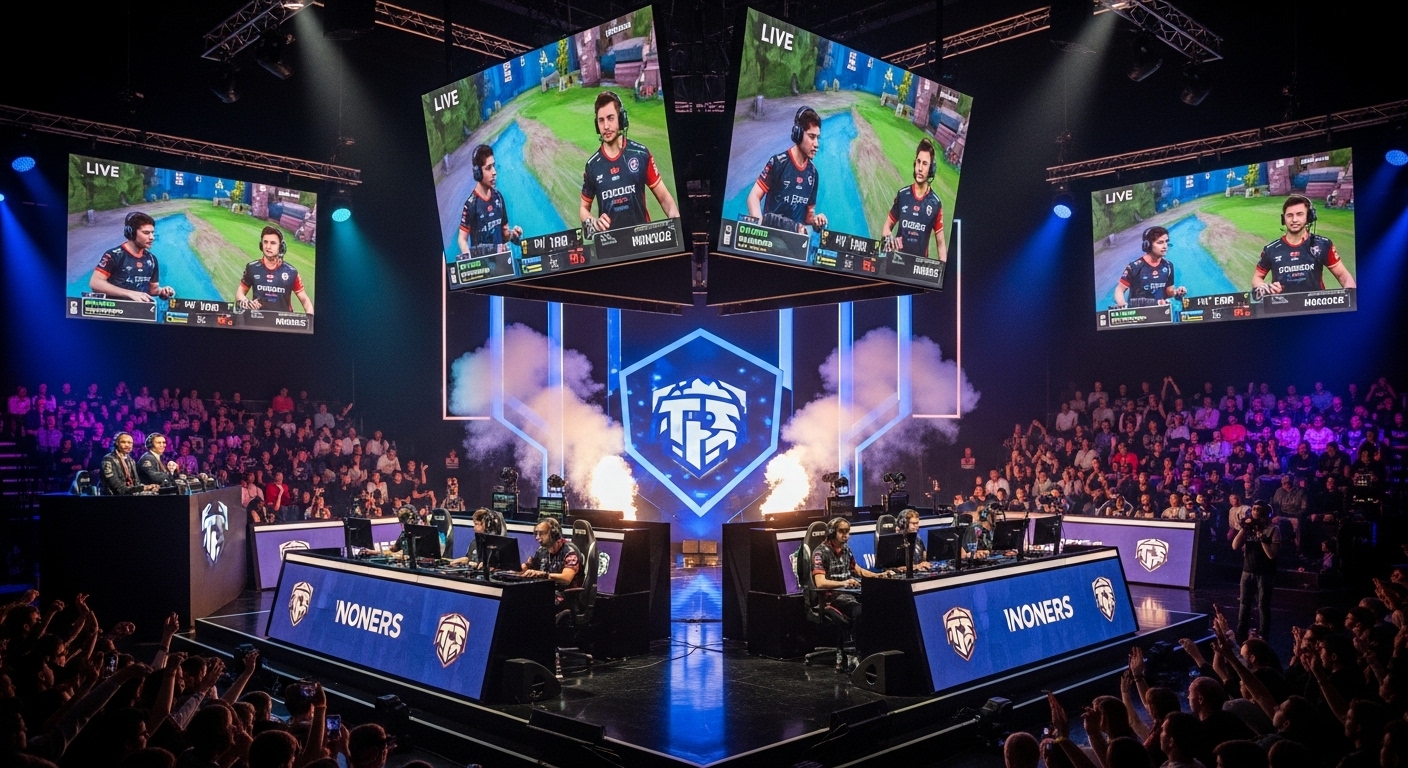
The world of competitive gaming, known as eSports, has grown from a niche hobby to a global cultural force in just a few short years. What began as small-scale tournaments with a handful of participants has now become a multi-billion-dollar industry, drawing millions of viewers, creating star players, and attracting major sponsorships. With events streamed live around the world and global tournaments offering millions in prize money, eSports has firmly cemented its place in the entertainment landscape. But what exactly is driving this explosive growth, and what does the future hold for digital competition? In this blog post, we will explore the rise of eSports, its impact on the sports and entertainment industries, and the exciting innovations that are shaping its future.
What Is eSports? A New Era of Competitive Gaming
At its core, eSports refers to organized, multiplayer video game competitions. These competitions are typically played at a professional level and are often streamed online for millions of viewers to watch in real time. Unlike casual gaming, where players simply enjoy playing for fun, eSports requires skill, strategy, and precision, making it a competitive arena for some of the best digital athletes in the world.
eSports spans a wide variety of video game genres. Popular games like League of Legends, Dota 2, Counter-Strike: Global Offensive, and Fortnite feature their own professional leagues and tournaments. In these games, teams or individual players face off against one another in structured formats, with players often dedicating hours of practice each day to refine their skills. The stakes are high—competitors can earn millions in prize money, sponsorship deals, and endorsements as they rise through the ranks.
What distinguishes eSports from traditional sports is its virtual nature. Rather than relying on physical strength, players must be mentally agile, capable of making split-second decisions while working as part of a team to achieve victory. This mental and strategic aspect of competition has created a unique and growing audience that is drawn to the challenges and excitement eSports provides.
The Growth of eSports: From Hobby to Global Phenomenon
The rise of eSports can be traced back to the late 1990s and early 2000s, when competitive video gaming began to take off in South Korea. It was here that early tournaments like the World Cyber Games and StarCraft competitions garnered attention and set the foundation for what would eventually become a global industry.
However, it wasn’t until platforms like Twitch, YouTube Gaming, and others began to emerge in the mid-2010s that eSports truly exploded into the mainstream. These platforms allowed gamers to broadcast their matches live, attracting audiences from all over the world. As streaming technology improved and internet speeds increased, the accessibility of eSports grew, allowing fans to watch live tournaments and interact with their favorite players in real time.
Today, eSports events like The International for Dota 2 or the League of Legends World Championship attract millions of viewers worldwide, with prize pools reaching into the tens of millions of dollars. These events are broadcast across multiple platforms, including TV networks, online streams, and mobile apps, solidifying eSports as a major entertainment format. The industry has even attracted significant investment from companies outside the gaming world, including tech giants, automobile manufacturers, and consumer brands.
Why eSports Is Different: A Unique Blend of Sports and Entertainment
One of the most unique aspects of eSports is that it brings together the worlds of entertainment, gaming, and sports. While traditional sports focus on physical prowess, eSports requires players to excel at mental agility, strategy, and teamwork. Games like League of Legends and Overwatch require players to think quickly, make fast decisions, and communicate with their teams to outsmart their opponents. This mental intensity gives eSports a different appeal from other forms of entertainment, where physical athleticism usually takes center stage.
In addition, eSports is widely accessible. Unlike traditional sports, which often require specific locations and equipment, anyone with a computer or gaming console and an internet connection can participate in or follow eSports. This accessibility has helped eSports expand rapidly across the globe, attracting diverse fanbases and players from all backgrounds.
Another reason eSports stands apart is the fast-paced nature of the games themselves. The action is continuous, with games lasting anywhere from 20 minutes to several hours. The intensity of these matches keeps viewers on the edge of their seats, making eSports an engaging form of entertainment. Fans are not just watching passive events—they’re actively following the strategies, plays, and dynamics of the game, making eSports one of the most interactive forms of viewing.
The eSports Economy: How Big Is the Industry?
eSports is no longer just about the players and the games—they’ve created a thriving economy around them. In 2021, the global eSports market was valued at over $1 billion, and projections suggest it will continue to grow as the popularity of competitive gaming expands.
Revenue in the eSports industry comes from a variety of sources, with the largest share coming from sponsorships. Companies see the value of associating with eSports to reach a young, tech-savvy audience. Major brands like Red Bull, Intel, Coca-Cola, and Samsung sponsor events, teams, and individual players, contributing millions of dollars to the industry.
Prize money is another significant revenue stream. For instance, The International Dota 2 tournament has one of the largest prize pools in eSports, reaching upwards of $40 million in recent years. This prize money is a powerful incentive for professional gamers, motivating them to compete at the highest level.
Additionally, broadcasting rights have played a crucial role in the growth of eSports. Traditional sports broadcasters and online platforms have secured broadcasting deals to air eSports events to global audiences. Platforms like Twitch and YouTube Gaming dominate the streaming of eSports content, drawing millions of viewers during live matches. This media attention has helped increase eSports’ legitimacy as a professional sport, attracting new sponsors, players, and fans to the ecosystem.
The Future of eSports: Where Is It Headed?
The future of eSports looks incredibly promising, with multiple areas of growth and innovation on the horizon. One of the most exciting developments is the potential integration of virtual reality (VR) and augmented reality (AR) into competitive gaming. These technologies could transform the way games are played, making the competition even more immersive and interactive for both players and viewers.
As eSports continues to grow, we can expect to see more involvement from traditional sports organizations. Major leagues such as the NBA, NFL, and even soccer clubs have begun investing in eSports teams and leagues, creating crossover between digital and physical sports. This integration will likely help elevate eSports to even greater heights, as it brings in fans who are already passionate about traditional sports.
Furthermore, the rise of mobile gaming will play a significant role in expanding the reach of eSports. With smartphones becoming increasingly powerful, mobile games like PUBG Mobile and Free Fire have garnered massive player bases and are now featured in major competitive events. As mobile gaming becomes more sophisticated, it’s likely that mobile eSports tournaments will attract even larger audiences.
Finally, the increased recognition of eSports as a legitimate career path for young gamers is a trend that will continue. With the rise of college eSports programs, scholarships, and professional leagues, the industry is providing opportunities for gamers to pursue their passion for competition while also building their careers.
Conclusion: eSports Is More Than Just a Game
eSports is much more than just a pastime—it’s a fast-growing, highly professionalized form of entertainment and competition that rivals traditional sports in both scale and excitement. The combination of skill, strategy, and teamwork makes eSports a unique and engaging experience for players and fans alike.
As the industry continues to grow, its influence will only expand, offering new opportunities for players, fans, and businesses alike. Whether you’re a competitive gamer or someone who enjoys watching the action unfold, it’s clear that eSports is here to stay and will continue to shape the future of digital competition. So, the next time you see a major eSports tournament, remember: you’re watching the future of sports unfold before your eyes.