Introduction
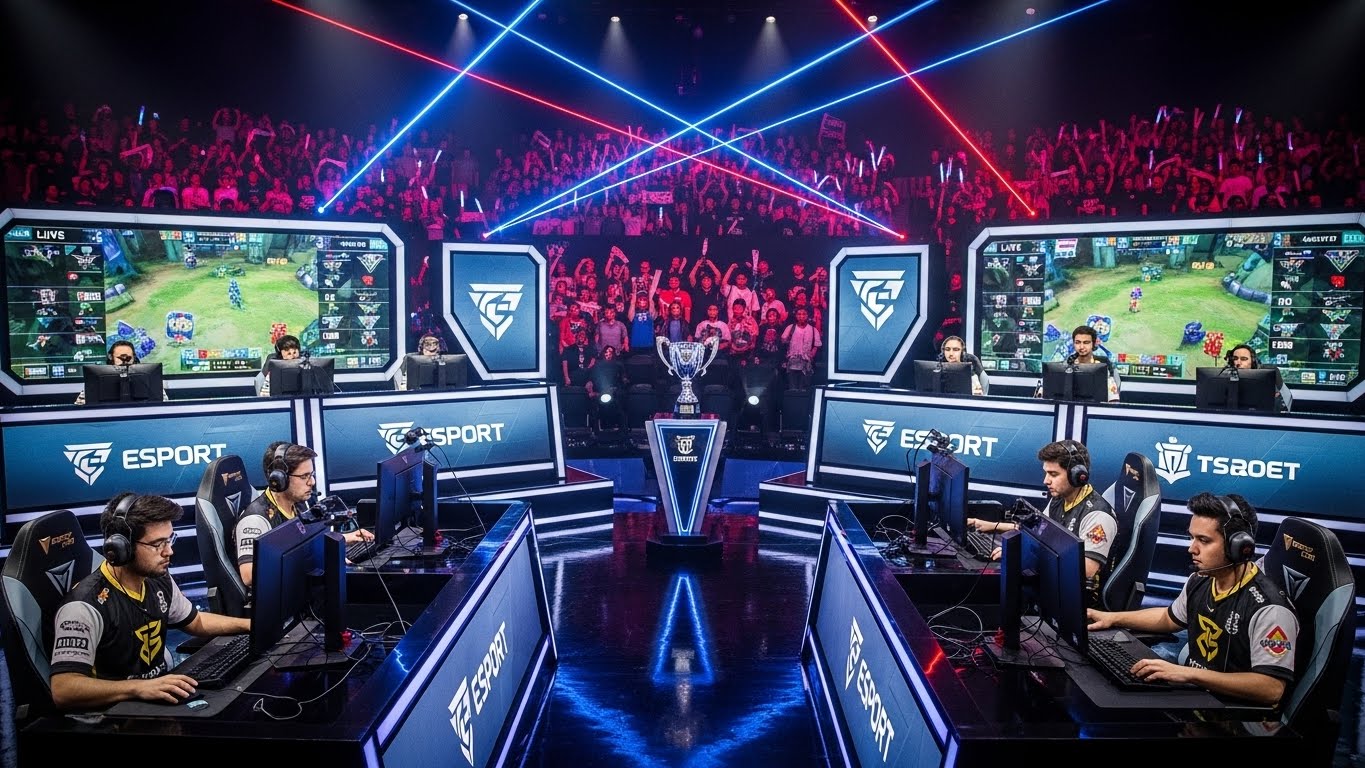
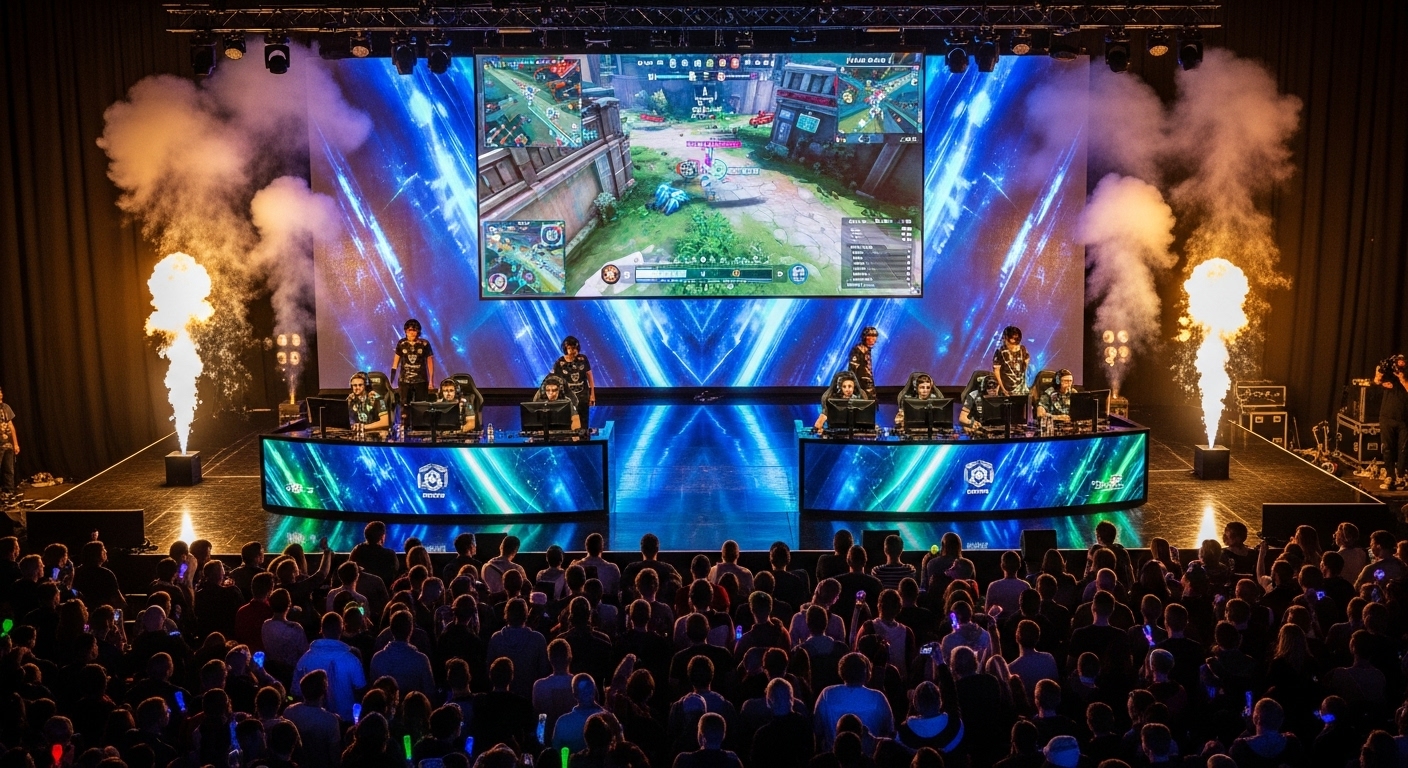
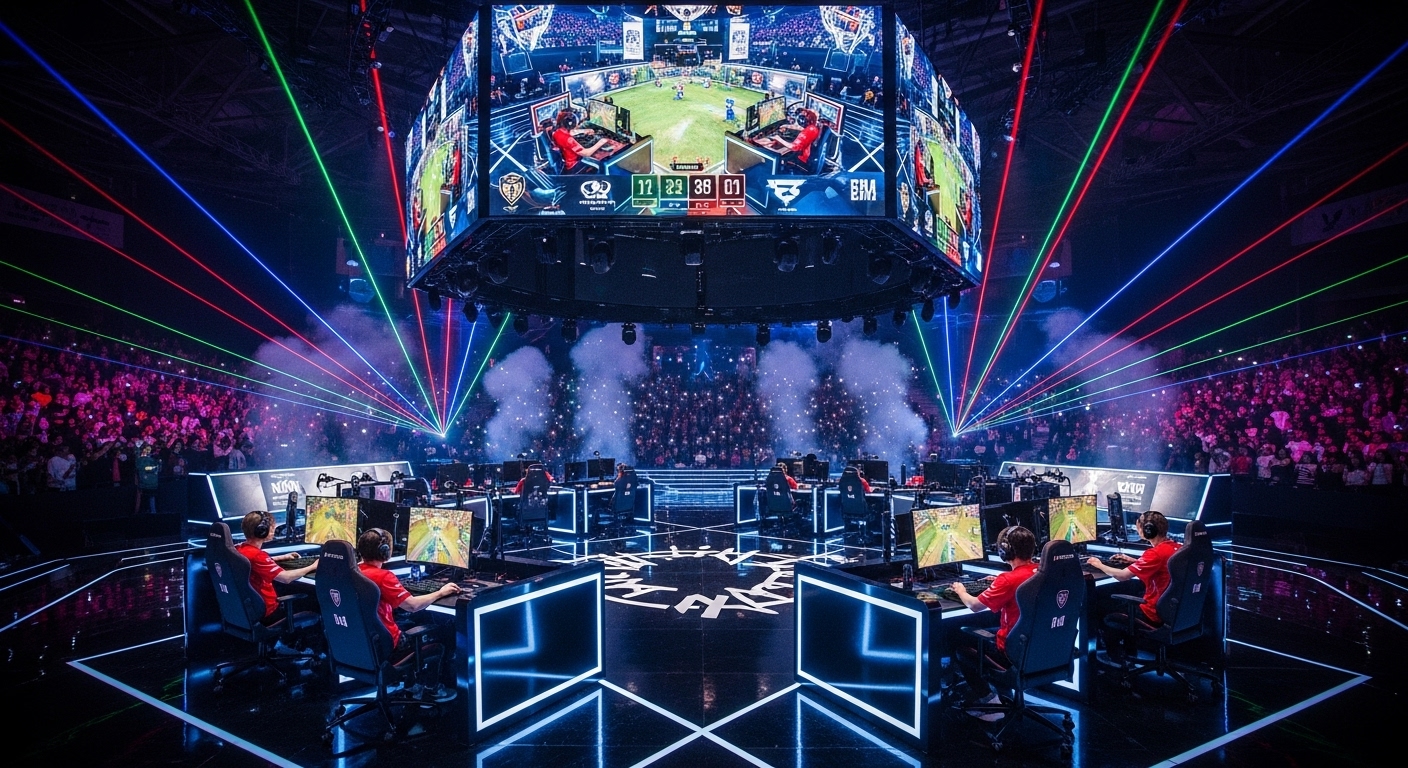
Esports has become one of the fastest-growing forms of entertainment in the world. What was once seen as a casual pastime for gamers has now turned into a professional and global phenomenon. The rise of esports has not only changed how people view gaming but also how they define competition. Today, millions of players and fans gather online and in arenas to celebrate the spirit of digital competition.
Understanding Esports
Esports, short for electronic sports, refers to organized video game competitions where individuals or teams compete against one another. These events can involve different genres such as action, strategy, or sports simulation games. Popular titles like League of Legends, Counter-Strike, Valorant, and Fortnite have become central to the esports scene. The appeal of esports lies in its accessibility, skill-based gameplay, and the sense of community it creates among gamers and viewers.
The Rise of the Esports Industry
In just a few years, esports has grown into a multi-billion-dollar industry. Large-scale tournaments are held around the world, attracting huge audiences both in person and online. Professional teams are now sponsored by global brands, and players sign contracts that rival those of traditional athletes. The industry also benefits from partnerships, media coverage, and the growing influence of gaming culture in mainstream entertainment.
The Skills Behind the Screen
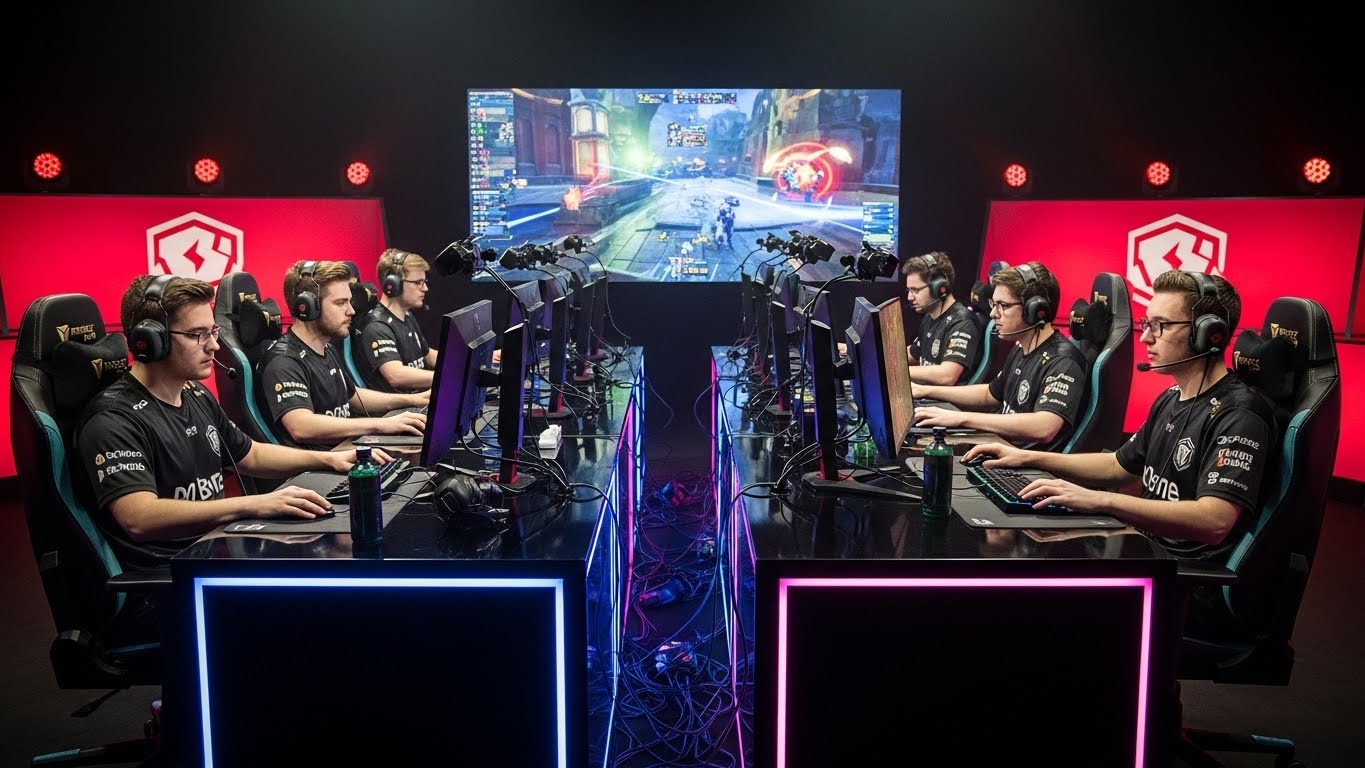
Esports may take place in a digital arena, but it demands the same level of focus, teamwork, and dedication as traditional sports. Players spend hours training, refining their strategies, and analyzing their performance. They must develop sharp reflexes, precise coordination, and strong mental discipline. Many professional players also follow strict schedules, including physical exercise and mental health routines, to maintain peak performance.
The Global Appeal of Esports
One of the most powerful aspects of esports is its global reach. Unlike traditional sports that may be limited by geography, esports connects people from all over the world. Tournaments bring together players from different cultures and languages who share a common passion for gaming. Fans are equally diverse, forming online communities that celebrate teamwork, creativity, and digital excellence. This sense of unity is what makes esports a truly international movement.
Esports and Education
Educational institutions are beginning to recognize the value of esports. Many schools and universities now have esports teams, training programs, and scholarships for talented players. Students not only compete in gaming events but also study subjects such as game design, digital marketing, and event management. This integration of esports into education opens doors for future careers and helps shape a generation skilled in technology and innovation.
Challenges in the Esports World
Despite its rapid success, the esports industry faces several challenges. Player burnout, financial instability for smaller teams, and lack of proper regulation are ongoing issues. Additionally, maintaining fair competition and ensuring mental well-being are crucial for long-term growth. However, as the industry matures, new efforts are being made to create supportive structures that protect players and maintain integrity in competition.
The Future of Esports
The future of esports looks bright and full of opportunity. Advancements in technology such as virtual reality, artificial intelligence, and cloud gaming are expected to transform the esports experience. The number of viewers continues to rise every year, and major sporting organizations are taking notice. Many experts predict that esports could one day be included in major international sports events, marking a new era for competitive entertainment.
Conclusion
Esports represents more than just gaming—it is a symbol of how technology and human creativity can come together to create something extraordinary. It has reshaped the definition of sports, competition, and community in the modern world. As esports continues to evolve, it stands as proof that passion, skill, and innovation can turn a digital dream into a global reality. The world of esports is not just the future of gaming; it is the future of entertainment itself.