Introduction to Esports
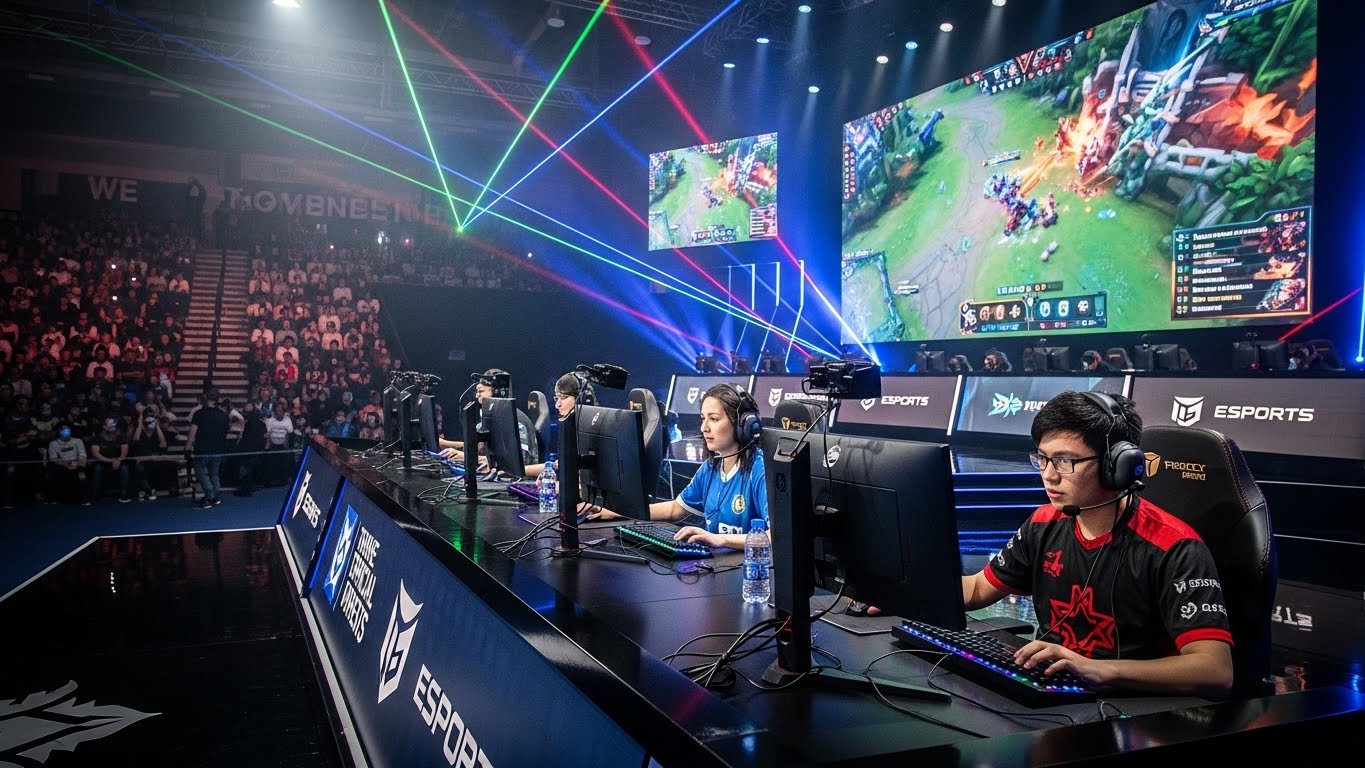
In the past two decades, the entertainment industry has experienced a transformation unlike any other, and at the heart of it lies the phenomenon known as Esports. Short for electronic sports, Esports represents competitive video gaming where players or teams face off against each other in organized tournaments. What began as casual matches among friends has evolved into a multi-billion-dollar global industry with professional players, massive audiences, and corporate sponsors. Esports has become a legitimate form of competition that rivals traditional sports in popularity, influence, and cultural significance.
The Origins of Competitive Gaming
The concept of competitive gaming traces back to the early days of arcade machines and home consoles. In the 1970s, video games like Space Invaders and Pong attracted players eager to prove their skills and set high scores. The first known video game tournament took place in 1972 at Stanford University for the game Spacewar, where the prize was a year’s subscription to Rolling Stone magazine. This humble beginning laid the foundation for what would become an international spectacle.
By the 1980s, arcade gaming culture flourished, and companies like Atari began hosting larger competitions. Televised game shows and gaming magazines started celebrating top players. The 1990s saw the rise of console gaming and local area network (LAN) parties, which allowed gamers to connect their computers and compete in real time. Games like Doom, Quake, and StarCraft were among the first to establish online multiplayer communities that hinted at the Esports revolution to come.
The Explosion of Online Gaming
The early 2000s marked the dawn of widespread internet access, and with it came the global connection of gamers. Online gaming made it possible for players from different continents to compete instantly. Titles such as Counter-Strike, Warcraft III, and Dota shaped the competitive scene. These games required teamwork, strategic thinking, and fast reflexes—traits that mirrored traditional athletic competitions.
Tournaments began to move from local halls to grand arenas, with spectators watching in person or through live streams. The launch of platforms like Twitch and YouTube Gaming allowed fans to watch live matches, learn strategies, and follow their favorite teams. This digital accessibility democratized Esports, turning it into a mainstream entertainment source.
Professionalization of Esports
As viewership grew, so did investment. Major companies saw the potential of Esports and began sponsoring teams and tournaments. Organizations like Fnatic, Team Liquid, and Cloud9 emerged as household names in gaming. Professional players started earning salaries, signing contracts, and representing global brands.
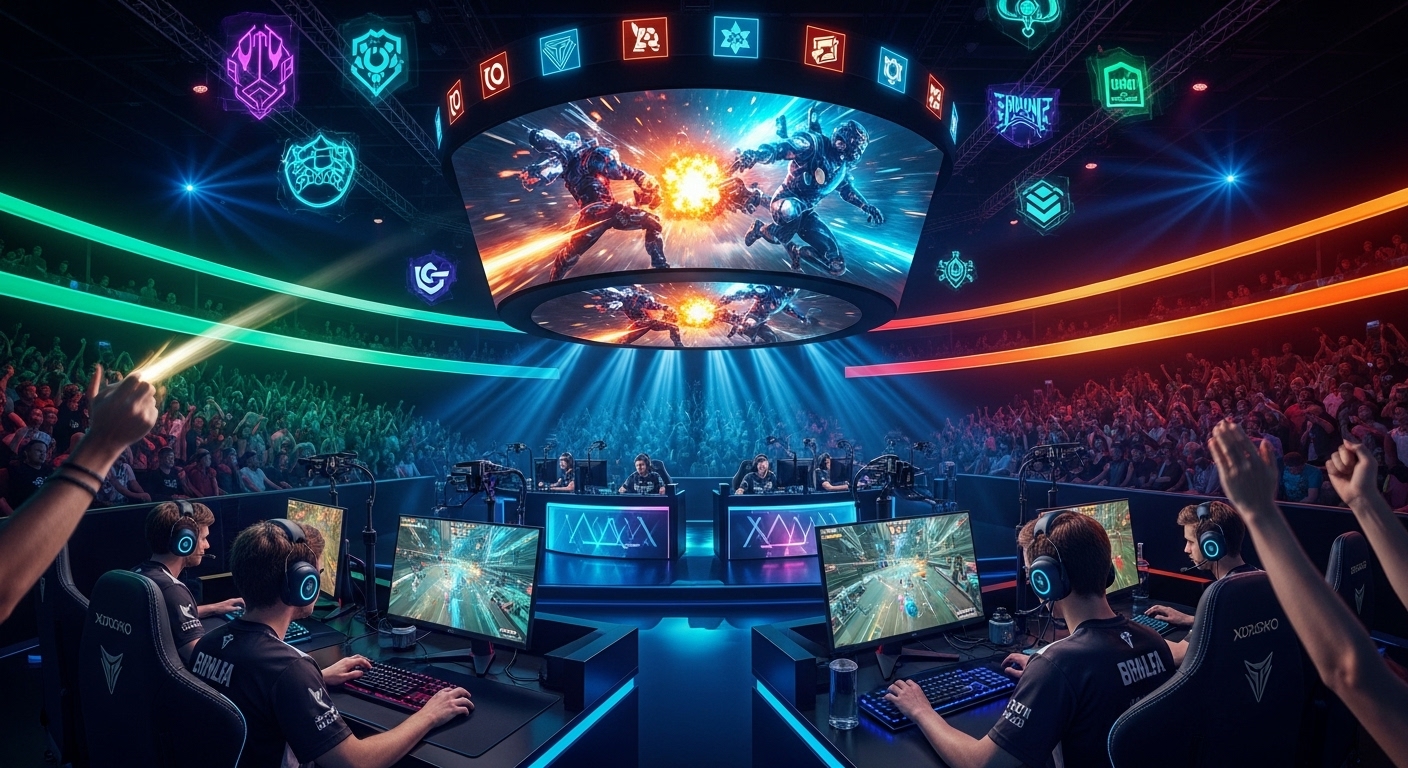
Tournaments like The International for Dota 2, League of Legends World Championship, and the CS:GO Major Championships began offering multi-million-dollar prize pools. These events attracted global audiences rivaling the viewership of traditional sporting events such as the Super Bowl or the FIFA World Cup. The infrastructure supporting Esports—from coaches and analysts to physiotherapists and psychologists—became as structured as that of any professional sports team.
Popular Esports Titles
Several games have defined the Esports landscape. Each belongs to a different genre, attracting unique audiences and fostering distinct competitive communities.
League of Legends
Riot Games’ League of Legends (LoL) remains one of the most popular Esports titles. Its strategic depth, constant updates, and global competitive circuit have helped it dominate the industry. The annual World Championship fills stadiums and is watched by tens of millions of fans worldwide.
Counter-Strike: Global Offensive
CS:GO, developed by Valve, continues the legacy of tactical first-person shooters. Its straightforward mechanics—defuse the bomb or rescue the hostages—combined with high-skill gameplay, make it a staple in competitive gaming.
Dota 2
Another Valve title, Dota 2, is known for its complexity and immense prize pools. The International, its flagship event, has broken multiple records for offering the largest payouts in Esports history.
Fortnite
Epic Games’ Fortnite introduced battle royale gaming to Esports audiences with flashy visuals and celebrity crossovers. It brought younger players and mainstream attention to the scene, merging gaming, entertainment, and pop culture.
Call of Duty
Call of Duty’s franchise-based league structure has made it one of the most organized competitive gaming circuits. It appeals to console players and continues to innovate with each new release.
Valorant
Riot Games entered the tactical shooter genre with Valorant, combining elements of CS:GO and hero-based games. Its global tournaments have rapidly gained traction, establishing it as one of the newest powerhouses in Esports.
Esports and Traditional Sports: A Comparison
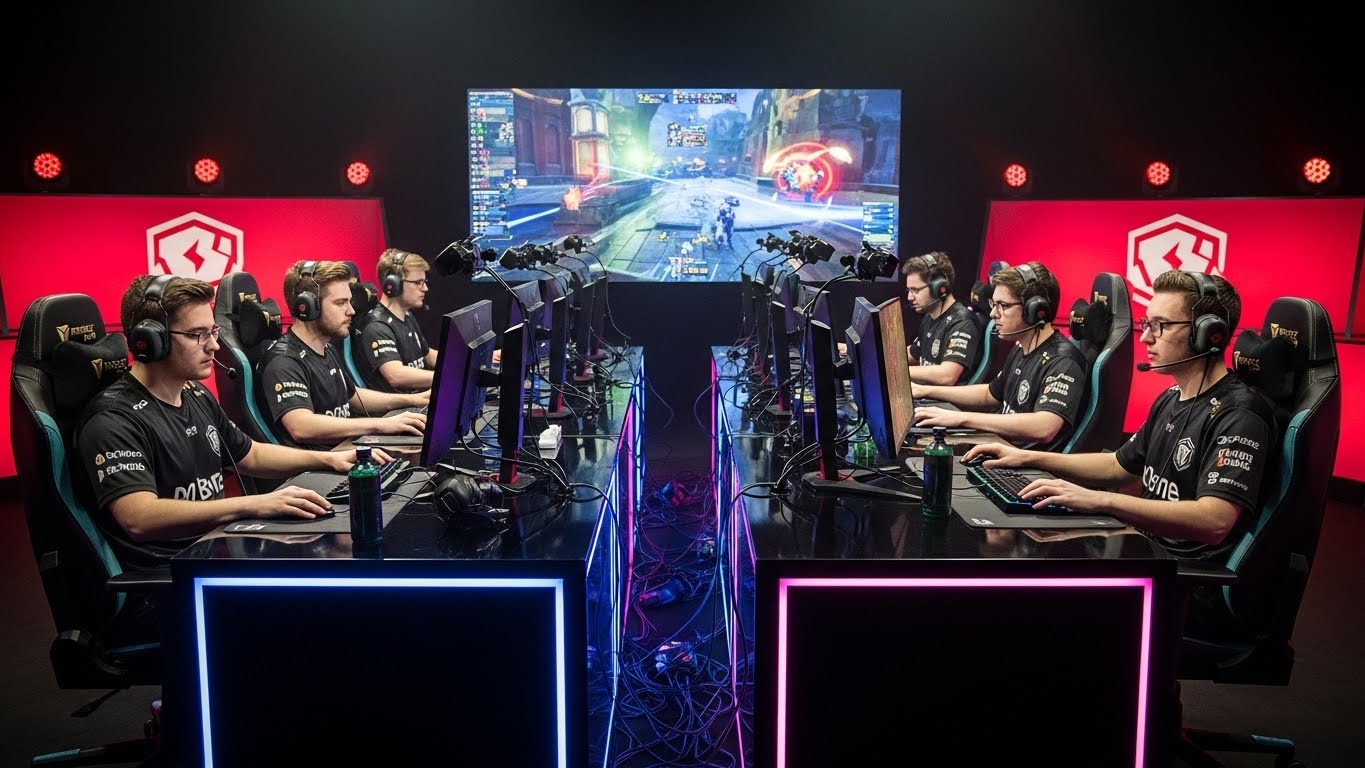
While Esports differ from physical sports in format, they share core characteristics such as teamwork, competition, and skill mastery. Professional players undergo rigorous training schedules, practice for hours daily, and maintain peak mental focus. Like athletes, they study opponents, refine strategies, and rely on coaches to optimize performance.
Traditional sports rely on physical endurance, while Esports emphasize cognitive speed, decision-making, and reaction time. Both demand discipline, mental resilience, and teamwork. Moreover, Esports are breaking down barriers by showing that athleticism can exist beyond the physical realm.
The Global Growth of Esports
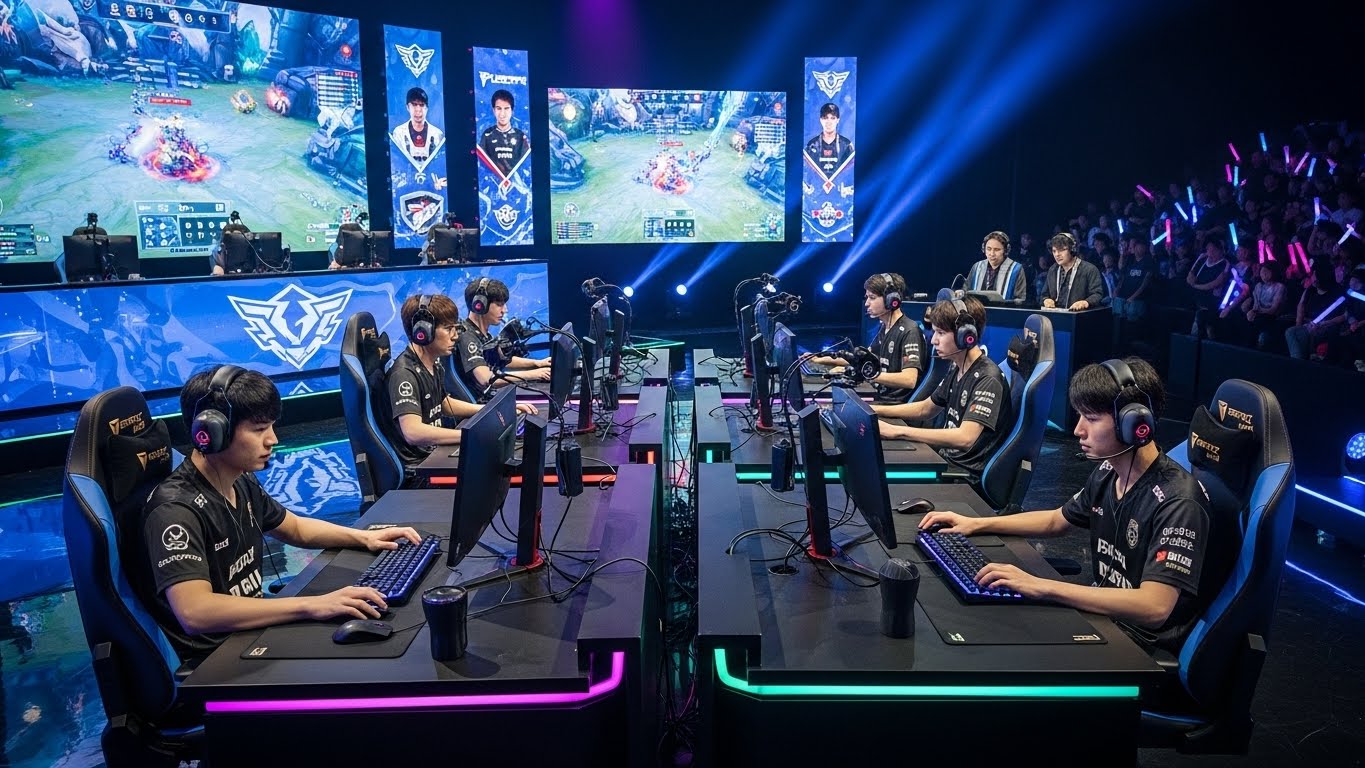
Esports have transcended borders and languages. Regions like South Korea, China, North America, and Europe have become hubs of competitive gaming. South Korea deserves special mention for establishing Esports as a respected profession. The country’s infrastructure, from dedicated gaming houses to government support, set the standard for other nations.
China hosts some of the largest gaming markets and invests heavily in Esports education and infrastructure. Western nations have followed suit, with universities offering Esports scholarships and degrees. Global tournaments now feature players from dozens of countries, promoting cross-cultural collaboration and exchange.
The Role of Streaming Platforms
Streaming has been the lifeblood of Esports’ success. Platforms like Twitch, YouTube Gaming, and Kick provide instant access to live matches and player interactions. Unlike traditional sports broadcasts, streaming allows fans to communicate directly with players through chat and social media.
This interactivity has given rise to content creators who bridge the gap between competition and entertainment. Many professional players stream their practice sessions, share tutorials, and build personal brands. Streaming has also allowed Esports to thrive independently of traditional television networks, relying instead on digital communities that span the globe.
The Business of Esports
Esports is no longer just about playing games—it’s an entire ecosystem involving sponsorships, advertising, merchandise, media rights, and event management. Major corporations such as Intel, Coca-Cola, and Red Bull sponsor teams and events. Broadcasting rights are sold to online and TV platforms, while ticket sales and merchandise contribute to revenue streams.
Esports organizations operate much like traditional sports franchises. They recruit players, manage contracts, and develop marketing strategies. Brand partnerships and influencer marketing have become integral to the industry’s financial success. Additionally, Esports arenas are being built in major cities, signaling the permanence of this digital revolution.
Education and Career Opportunities
Esports has created a variety of career paths beyond playing competitively. Game development, event organization, commentary, analysis, marketing, and coaching all form vital parts of the industry. Universities now offer Esports management programs to prepare students for these roles.
Professional players often retire early due to the intense mental strain, but they frequently transition into careers as streamers, coaches, or analysts. The industry’s growth ensures that skilled individuals—whether in production, technology, or creative direction—can find rewarding opportunities.
The Impact of Esports on Youth Culture
Esports has had a profound impact on younger generations. It has reshaped how youth engage with technology, entertainment, and community. For many, gaming is more than a hobby—it’s a form of expression and belonging. Online communities provide social spaces where friendships form across borders.
The narrative that gaming is isolating has been challenged by Esports’ collaborative nature. Players learn communication, teamwork, and problem-solving through gameplay. Moreover, competitive gaming can inspire confidence, ambition, and a sense of achievement.
The Challenges Facing Esports
Despite its rapid growth, Esports faces challenges. Player burnout is common due to long practice hours and constant competition. Mental health awareness is improving, but many players still struggle with the pressures of performance and public scrutiny.
Another concern is the lack of standardization. Unlike traditional sports governed by international federations, Esports are controlled by game publishers, which can lead to inconsistent rules and regulations. Issues like cheating, match-fixing, and doping (through cognitive enhancers) also pose ethical challenges.
Additionally, the industry grapples with inclusivity. While Esports has made progress, gender imbalance and online toxicity remain issues that must be addressed for a truly equitable community.
The Role of Esports in Technology Development
Esports drives innovation across multiple technological fields. Hardware manufacturers design gaming peripherals—monitors, graphics cards, keyboards, and mice—to meet competitive standards. Internet providers enhance latency reduction for smoother gameplay.
Virtual reality and augmented reality are beginning to integrate into Esports, offering immersive experiences for both players and spectators. Artificial intelligence and data analytics help teams analyze gameplay patterns and refine strategies. These advancements not only improve gaming but also influence broader tech sectors.
Esports as a Cultural Movement
Esports has evolved from a niche activity into a cultural phenomenon. Major tournaments attract celebrities, musicians, and athletes. Collaborations between game developers and pop culture icons highlight Esports’ growing influence on fashion, music, and entertainment.
Gaming culture now extends beyond screens. From Esports merchandise to documentaries, from fan art to cosplay, the ecosystem celebrates creativity and diversity. The fusion of technology, art, and competition has turned Esports into one of the defining elements of modern digital culture.
The Future of Esports
The future of Esports looks remarkably bright. With technological advancements, the line between digital and physical experiences continues to blur. Virtual arenas, metaverse platforms, and global tournaments will redefine how people experience competition.
Mainstream recognition is also expanding. Esports is being considered for inclusion in future Olympic events, marking a milestone in its journey toward legitimacy. Governments and educational institutions are supporting Esports development, acknowledging its potential as both a cultural export and an economic driver.
Sustainability will become a key focus, as the industry aims to reduce its environmental footprint through eco-friendly events and digital solutions. The next decade promises continued evolution, innovation, and integration of Esports into everyday life.
Conclusion
Esports is no longer just a pastime—it is a movement that combines technology, competition, and creativity. From humble beginnings in arcade halls to global arenas filled with roaring fans, Esports has reshaped how the world perceives gaming. It has built careers, communities, and cultures, bridging gaps between generations and nations.
As the industry continues to grow, it reflects the human desire for connection, mastery, and shared experiences. Esports is more than a game—it’s the embodiment of the digital age’s spirit: fast-paced, global, and endlessly evolving.