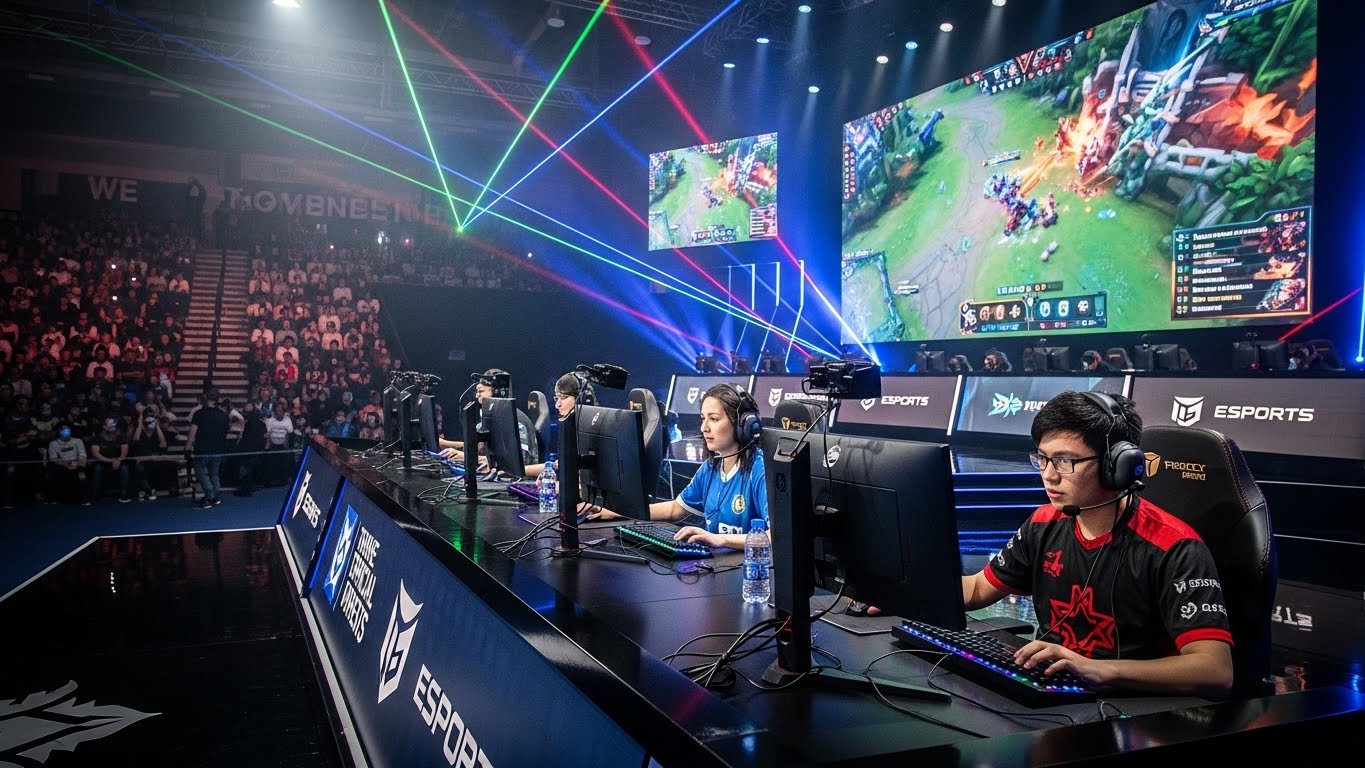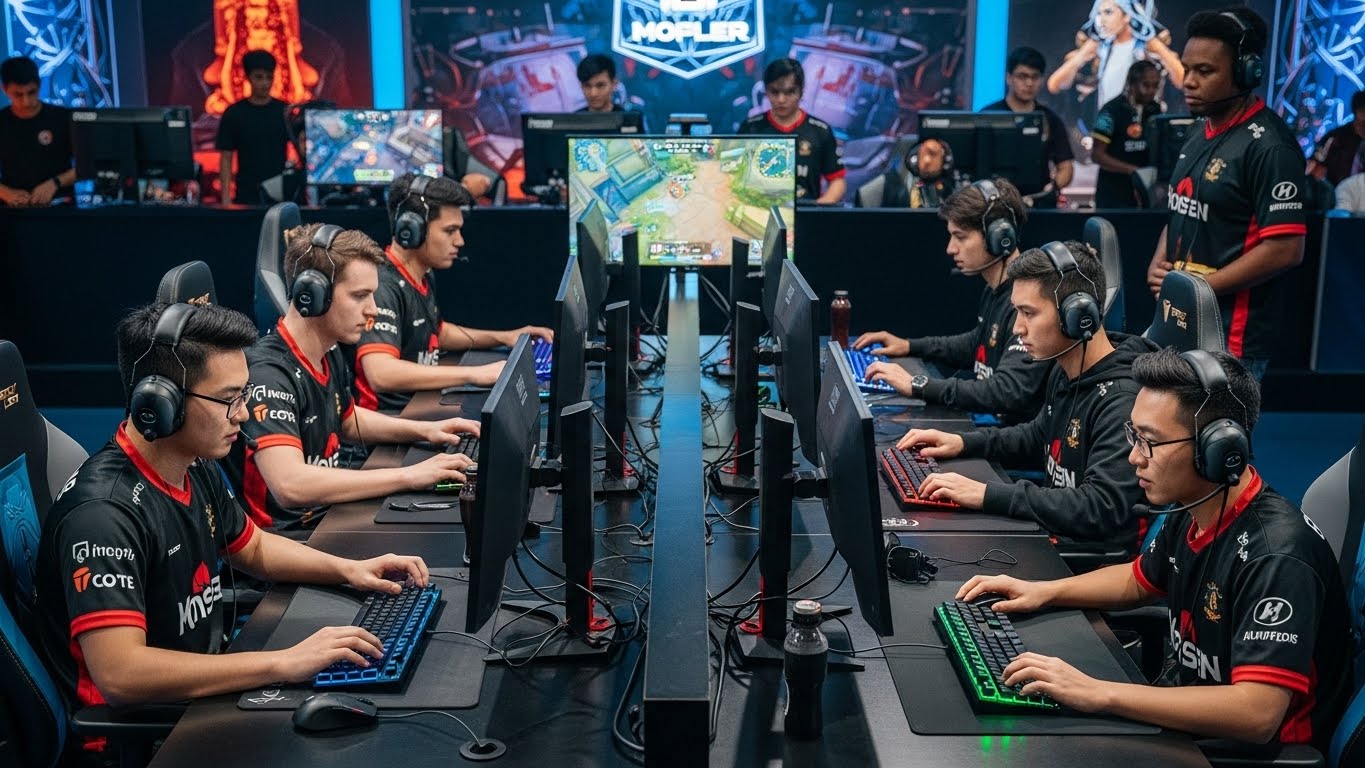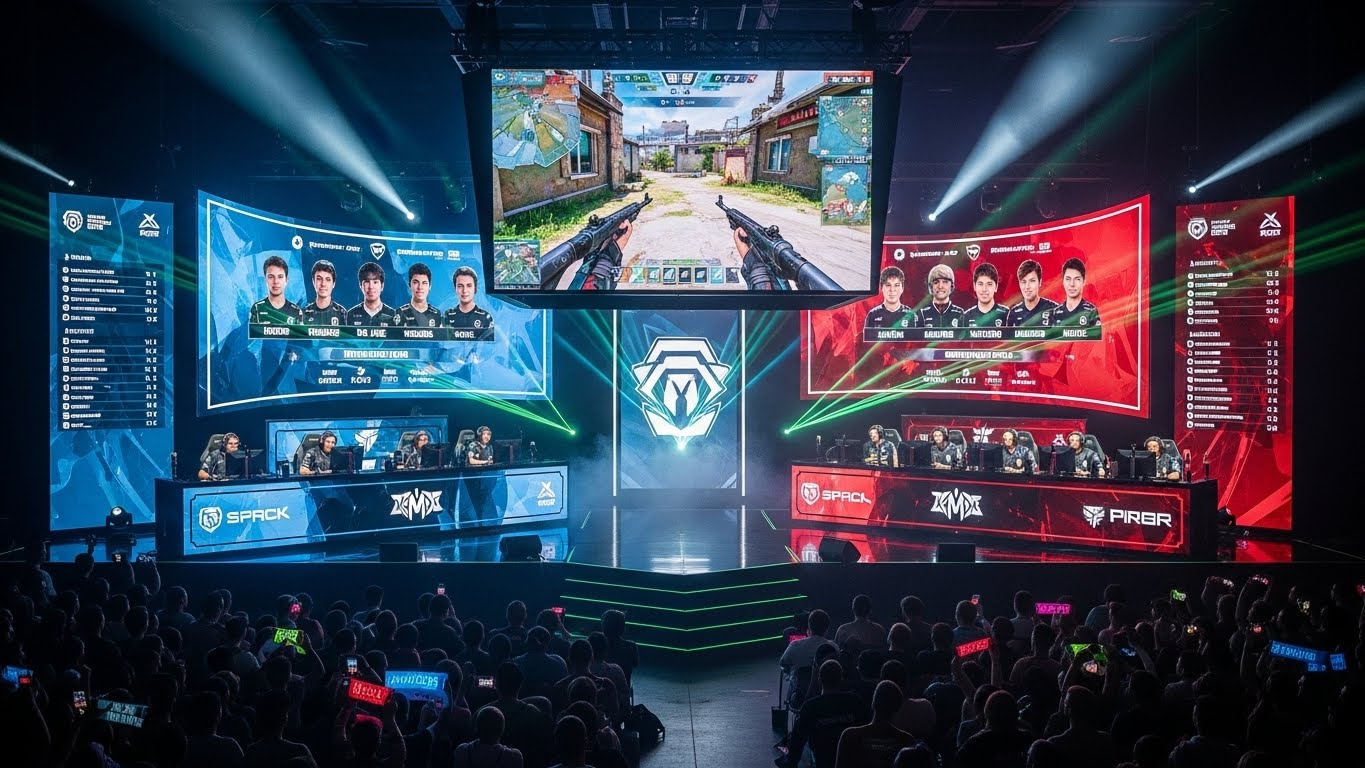
Esports, or competitive gaming, has emerged as one of the most influential entertainment phenomena of the 21st century. What began as a niche hobby for video game enthusiasts has now grown into a global industry with millions of players, fans, and professionals. Beyond the excitement of competition, esports is reshaping the way people perceive gaming, creating economic opportunities, fostering communities, and redefining modern sports culture. This article explores the evolution, impact, and future of esports, highlighting why it has become a cultural powerhouse.
The Origins and Evolution of Esports
The roots of esports date back to the late 1970s and 1980s, when video game competitions began gaining attention. Early tournaments featured arcade games like Space Invaders and Pac-Man, drawing local crowds eager to showcase their skills. The 1990s saw the rise of networked gaming and competitive PC titles such as StarCraft, Warcraft, and Counter-Strike. These games laid the foundation for organized competitive gaming, attracting dedicated players and forming early esports communities.
With the advent of online streaming platforms in the 2000s, esports entered a new era. Gamers could now broadcast their gameplay to global audiences, turning casual players into celebrities and amateur tournaments into international spectacles. Today, esports spans multiple genres, from first-person shooters and battle royales to real-time strategy and sports simulations, reflecting its immense diversity and appeal.
The Economic Significance of Esports
Esports is no longer just a hobby; it is a thriving economic ecosystem. Professional tournaments offer prize pools that rival traditional sports championships, attracting sponsorships from technology companies, gaming brands, and even mainstream corporations. Advertising revenue, merchandise sales, and media rights further contribute to the financial growth of the industry.
Esports organizations operate like professional sports franchises, employing players, coaches, analysts, and content creators. Cities that host tournaments experience boosts in tourism, hospitality, and media attention. The industry’s economic impact illustrates that esports is a sustainable business with global relevance, capable of generating income, employment, and entrepreneurial opportunities.
Career Opportunities in Esports
Esports offers a wide array of career paths, transforming gaming into a legitimate profession. Professional players earn income through tournament winnings, team salaries, and streaming platforms. Beyond playing, careers include coaching, event management, marketing, content creation, and game development. Shoutcasters, or esports commentators, provide live analysis during tournaments, enhancing the spectator experience and contributing to the industry’s growth.
Becoming a professional esports athlete requires discipline, strategy, and rigorous practice. Many players adhere to structured schedules, focusing on in-game mechanics, teamwork, and mental preparation. Nutrition, physical fitness, and psychological coaching are also increasingly emphasized, demonstrating that competitive gaming demands dedication comparable to traditional sports.
Technology as the Backbone of Esports
The growth of esports is intrinsically linked to technological advancements. High-performance gaming rigs, consoles, and peripherals allow players to compete at the highest level, while fast internet connections ensure smooth multiplayer experiences. Performance analytics help teams refine strategies and track individual improvement. Emerging technologies such as virtual reality and cloud gaming promise to reshape how esports is played and consumed.
Streaming platforms play a critical role in connecting fans with players. Live broadcasts, interactive chats, and social media integration allow audiences to engage with tournaments in real time. Technology not only enables competitive gaming but also fosters fan communities, enhances accessibility, and drives innovation in the esports ecosystem.
Building Communities Through Esports
One of esports’ most remarkable aspects is its ability to build global communities. Players and fans from different countries, cultures, and backgrounds can connect through shared interests. Online platforms such as gaming forums, Discord servers, and social media channels allow discussions, collaboration, and friendships to flourish. Local esports clubs and leagues further foster social interaction, offering spaces for practice, teamwork, and competition.
Esports communities are often inclusive, enabling underrepresented groups to participate and thrive. Women, differently-abled gamers, and individuals from diverse backgrounds find opportunities to compete, create content, and contribute to the esports culture. These communities not only provide social connections but also inspire mentorship, collaboration, and personal growth.
Cognitive and Mental Benefits of Esports
Esports offers more than entertainment; it enhances cognitive abilities and mental resilience. Competitive gaming improves hand-eye coordination, strategic thinking, problem-solving, and multitasking. Team-based games cultivate communication, leadership, and adaptability under pressure.
Players also develop mental endurance. The competitive environment teaches individuals to handle stress, recover from setbacks, and maintain focus during long matches. While balance is crucial to prevent excessive screen time, structured esports engagement can foster valuable life skills that extend beyond gaming.
Challenges and Ethical Considerations
Despite its growth, esports faces significant challenges. Mental health and burnout are concerns for professional players who endure intense training and high-pressure competition. Overuse of screens can impact physical and mental well-being, highlighting the importance of balanced routines.
Regulation is another critical issue. Unlike traditional sports, esports lacks a universal governing body, making it difficult to standardize rules, player contracts, and tournament regulations. Issues such as cheating, doping, and match-fixing must be addressed to ensure fair play. Gender inequality and underrepresentation also remain challenges, emphasizing the need for inclusive practices within the industry.
Esports in Education and Youth Development
Esports is increasingly recognized as an educational tool. Schools and universities worldwide are establishing esports programs, clubs, and scholarships. Participation encourages teamwork, strategic thinking, digital literacy, and leadership. These programs prepare students for careers in gaming, technology, media, and entrepreneurship.
For students who may struggle in traditional sports or social environments, esports provides an alternative platform for success. It builds confidence, fosters collaboration, and promotes inclusivity. Educational esports initiatives demonstrate that gaming can be a constructive and enriching activity when approached thoughtfully.
Global Reach and Cultural Impact
Esports has become a truly global phenomenon. Countries across Asia, Europe, North America, and South America host professional leagues, produce top-tier players, and stage international tournaments. South Korea and China, in particular, are renowned for their esports infrastructure, professional leagues, and fan culture.
International competitions connect players and audiences from diverse cultural backgrounds. Fans learn about different traditions, languages, and gaming strategies, creating opportunities for cultural exchange. Esports has become a vehicle for global unity, highlighting shared passion and competition that transcend national borders.
The Future of Esports
The future of esports promises exciting innovations and broader acceptance. Virtual reality, augmented reality, and cloud-based gaming will continue to enhance player and spectator experiences. Competitive gaming will likely expand into new genres and formats, attracting a wider audience.
Esports will also intersect more with mainstream entertainment and traditional sports, through collaborations with celebrities, media, and global brands. As the industry grows, emphasis on player welfare, inclusivity, and ethical governance will ensure sustainable development. With technological advancement and societal recognition, esports is poised to remain a major cultural and economic force.
Conclusion: Redefining Competition
Esports is more than a digital pastime; it is a dynamic and transformative global phenomenon. It creates career opportunities, fosters communities, enhances cognitive skills, and drives economic growth. By challenging traditional notions of sports and competition, esports demonstrates that skill, teamwork, and dedication can thrive in virtual environments.
Beyond the thrill of gaming, esports is about connection, strategy, and growth. It bridges cultures, empowers diverse participants, and inspires innovation. As the industry continues to evolve, esports will not only redefine how we compete but also how we engage, learn, and interact in the digital age. The world of esports proves that the virtual arena can be just as impactful as the physical one, shaping the future of entertainment, education, and community.