Introduction
Esports, short for electronic sports, has evolved from a niche pastime into a global phenomenon that transcends age, culture, and geography. Once dismissed as mere entertainment for teenagers, it now commands millions of viewers, offers professional careers, and generates multi-billion-dollar revenues. Esports represents a fusion of gaming, competition, and entertainment, where strategy, reflexes, and teamwork are as critical as in traditional sports. Beyond just gaming, esports has become a cultural and technological force, reshaping how people interact, compete, and consume entertainment.
The Origins of Competitive Gaming
The roots of esports can be traced back to the 1970s and 1980s, when arcade gaming competitions began to emerge. High-score contests in games like Space Invaders, Pac-Man, and Donkey Kong were celebrated by local communities and fostered early competitive spirit. As home consoles gained popularity, informal competitions began in living rooms and school tournaments, laying the foundation for organized gaming.
The 1990s marked a significant turning point with the rise of multiplayer PC games. Titles like StarCraft, Quake, and Counter-Strike allowed players to compete online, introducing strategy and teamwork to competitive play. These games cultivated dedicated communities, where skill and coordination were paramount. By enabling global competition, the internet transformed esports from a local hobby into an international pursuit.
Professionalization of Esports
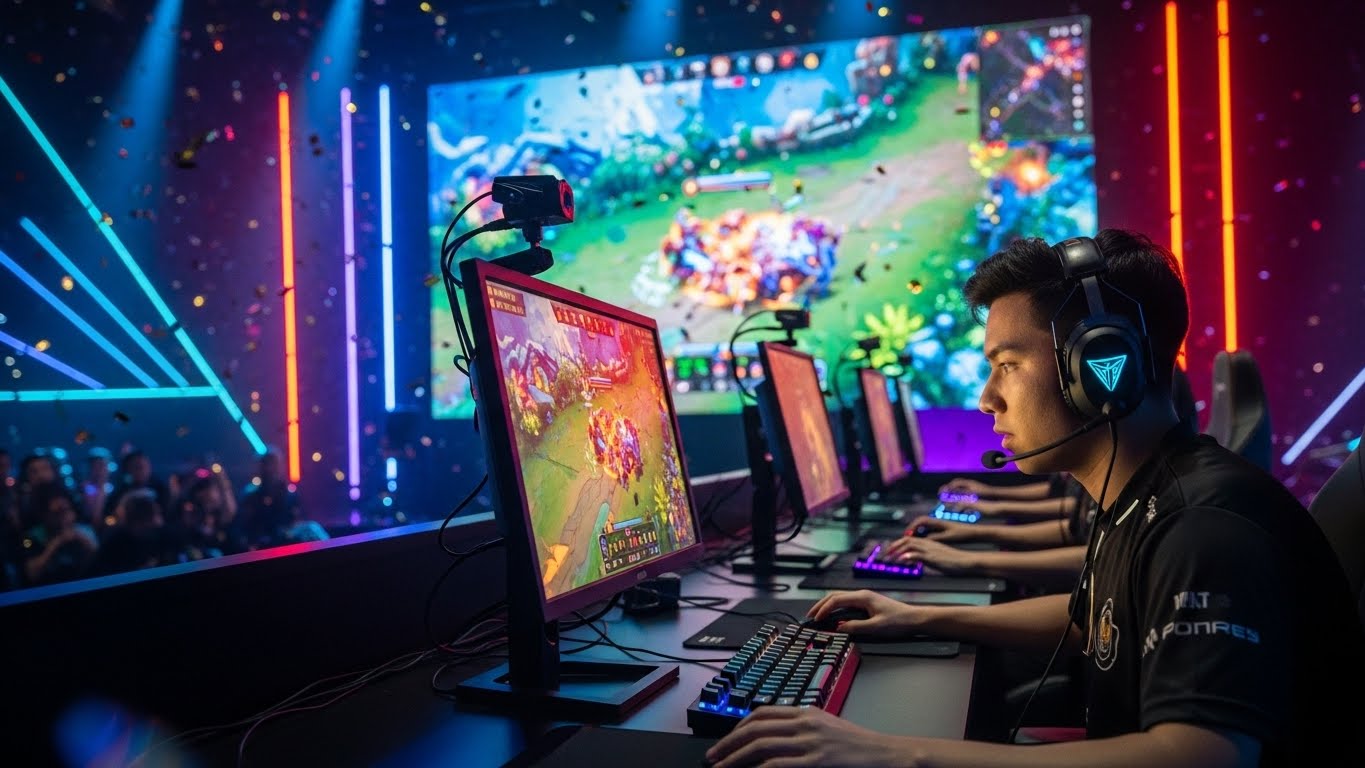
The 2000s saw esports evolve into a professional industry. Teams emerged with formal rosters, coaching staff, and training routines. Players began to sign contracts and compete in organized leagues. Popular games such as League of Legends, Dota 2, and Counter-Strike: Global Offensive became staples of competitive esports, with tournaments offering substantial prize pools.
Professionalization also attracted sponsorships and media attention. Corporations recognized esports as a platform to engage younger audiences, leading to partnerships with technology brands, energy drinks, and apparel companies. The development of professional leagues, structured tournaments, and international competitions marked a shift from casual gaming to a legitimate career path.
Global Popularity and Cultural Impact
Esports is a worldwide phenomenon with cultural significance in multiple regions. South Korea is widely considered the birthplace of professional esports, especially with StarCraft in the early 2000s. Dedicated esports arenas, internet cafes, and nationwide competitions set a global standard. Europe and North America developed their own professional leagues, while Southeast Asia and Latin America are rapidly growing markets.
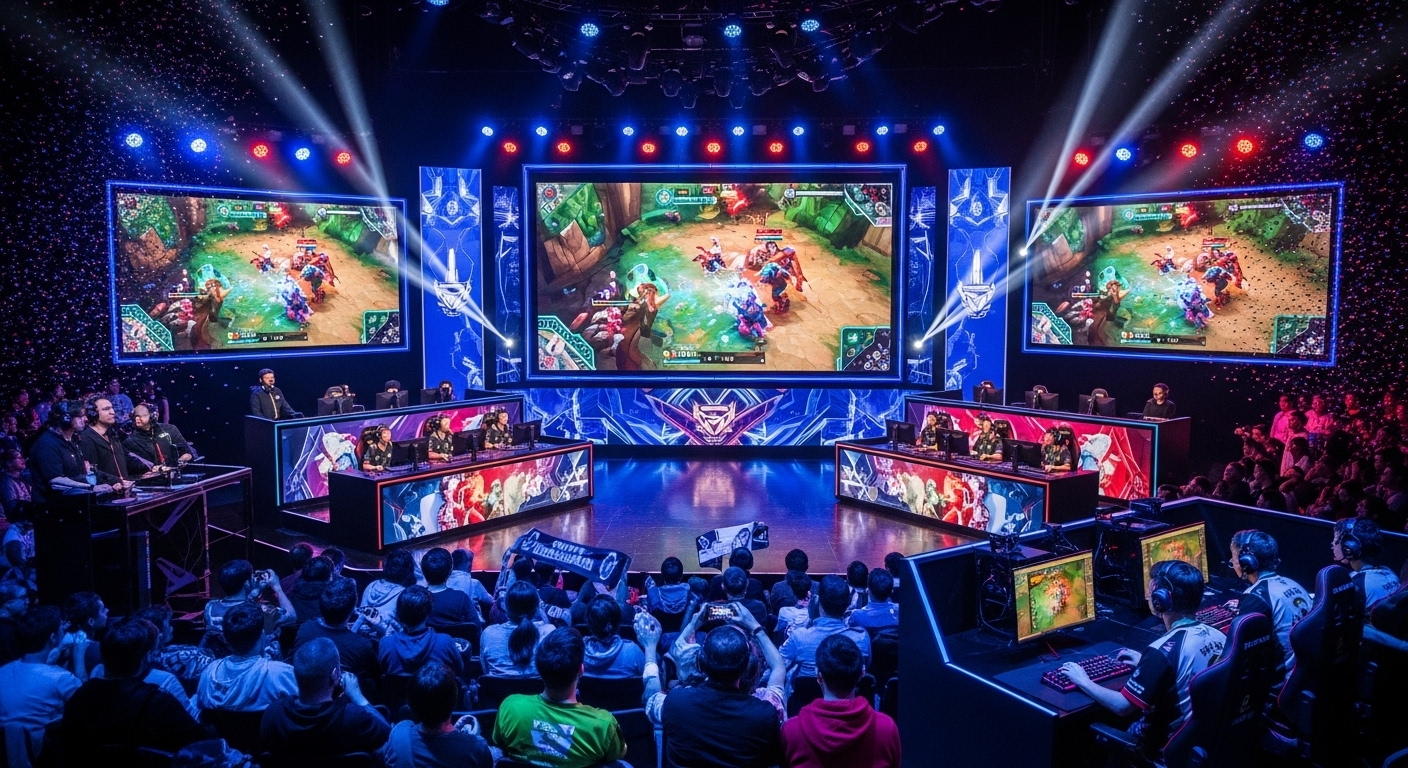
Streaming platforms such as Twitch and YouTube Gaming have amplified esports’ global reach. Fans can watch live competitions from anywhere in the world, participate in discussions, and follow favorite teams and players. This accessibility has transformed esports into a shared cultural experience that connects millions of people across borders.
Major Esports Titles and Genres
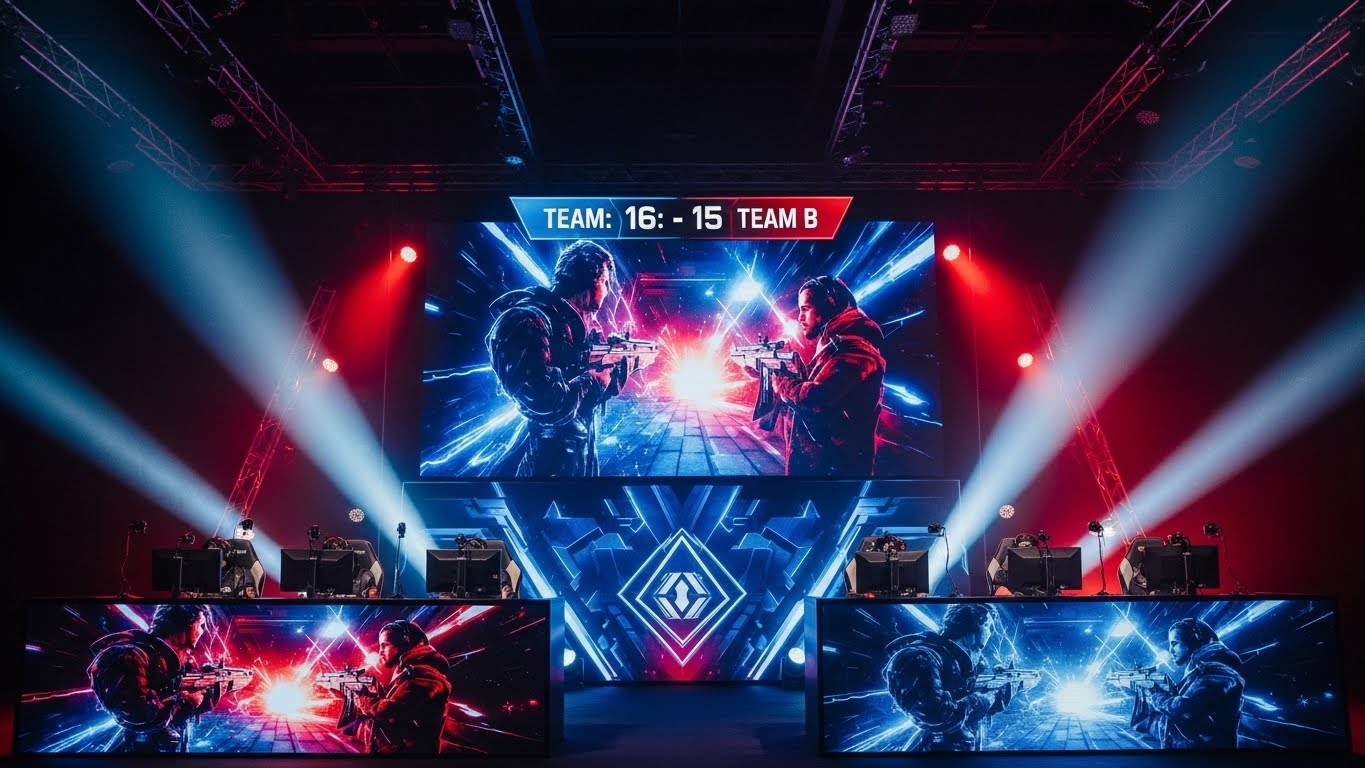
The esports landscape is diverse, with multiple genres catering to various skills and audiences. Multiplayer online battle arena games, or MOBAs, like League of Legends and Dota 2 emphasize strategy, coordination, and long-term planning. First-person shooters such as Counter-Strike: Global Offensive and Valorant demand quick reflexes, accuracy, and teamwork. Battle royale games like Fortnite and PUBG blend survival mechanics with competitive play, while sports simulation titles such as FIFA and NBA 2K replicate real-world athletic competition in a digital format.
This variety allows esports to appeal to a wide audience, offering both casual viewers and dedicated fans numerous ways to engage. Each game fosters its own competitive ecosystem, creating communities of players, commentators, and enthusiasts worldwide.
The Rise of Streaming Platforms
Streaming has been crucial to esports’ exponential growth. Platforms like Twitch and YouTube Gaming allow audiences to watch live gameplay, interact with players in real time, and follow competitive leagues from their homes. Streamers can cultivate massive followings, share strategies, and provide entertainment beyond formal tournaments.
Streaming has also created new revenue streams. Professional players and content creators earn income through advertisements, sponsorships, subscriptions, and donations. The interactivity of streaming adds a unique social dimension, allowing fans to feel directly connected to players and events. This has helped esports transition from niche competitions to mainstream entertainment.
Economic Impact of Esports
Esports has emerged as a multi-billion-dollar industry with a complex ecosystem. Revenue streams include tournament prize money, sponsorship deals, merchandise sales, media rights, and digital content monetization. Professional teams and players often secure lucrative contracts and endorsements, while companies leverage esports to engage younger demographics.
The industry also generates employment opportunities beyond gameplay. Coaches, analysts, event organizers, commentators, content creators, and marketing professionals all contribute to the esports economy. Its growth has transformed gaming from a recreational activity into a professional and economic powerhouse.
Esports as a Career
Esports provides diverse career opportunities. Professional players train rigorously to improve reflexes, strategy, and teamwork. Coaches and analysts develop game strategies and monitor performance metrics. Commentators, hosts, and content creators entertain audiences and build communities around esports events.
Careers in esports require discipline, resilience, and adaptability. Success is often determined by skill, consistency, and public engagement. Beyond gameplay, esports careers develop transferable skills in communication, teamwork, and digital media management, making them viable paths for long-term professional growth.
Esports in Education
Esports is increasingly integrated into educational programs. Schools and universities offer esports clubs, tournaments, and scholarships for talented players. Students gain skills in strategy, critical thinking, teamwork, and time management while pursuing their passion.
Esports in education also exposes students to technology, media production, and digital entrepreneurship. This formal recognition not only legitimizes competitive gaming but also prepares students for future careers in esports, technology, and related industries.
Social and Cultural Influence
Esports fosters global communities and inclusivity. Players and fans from different cultures and backgrounds collaborate and compete, breaking down barriers often present in traditional sports. Competitive skill, strategic thinking, and teamwork define success more than physical attributes, making esports accessible to a broader demographic.
Esports also shapes popular culture. Professional players achieve celebrity status, tournaments are broadcast to millions, and games influence fashion, music, and social trends. It is not just a pastime; esports has become a defining element of contemporary youth culture and digital entertainment.
Challenges Facing Esports
Despite its growth, esports faces challenges. Player burnout is common due to long hours of training and high-stakes competition. Mental health, physical strain, and career longevity are critical concerns. Cheating, performance-enhancing software, and online harassment are ongoing issues that threaten competitive integrity.
Regulation is another challenge. Unlike traditional sports, esports lacks a single governing body, leading to inconsistent rules and standards across leagues and tournaments. Addressing these issues is essential to maintain trust, fairness, and professionalism in the industry.
Technology Driving Esports
Technology underpins esports’ growth. High-performance computers, fast internet, and advanced graphics engines enhance gameplay and viewing experiences. Virtual reality and augmented reality are beginning to create immersive esports experiences.
Artificial intelligence is increasingly used to analyze gameplay, develop strategies, and improve training efficiency. These technological advancements ensure that esports continues to innovate, offering richer experiences for players and spectators alike.
The Future of Esports
The future of esports is promising. Virtual reality and augmented reality could redefine competitive experiences, allowing fans to experience games from entirely new perspectives. Cross-industry collaborations with traditional sports, entertainment, and media will likely expand esports’ reach.
Countries around the world are investing in esports infrastructure, training programs, and arenas, further legitimizing it as a professional sport. As technology advances and cultural acceptance grows, esports has the potential to become an enduring and mainstream form of competition and entertainment.
Conclusion
Esports has transformed from casual gaming into a global phenomenon, redefining competition, entertainment, and community. Its professional leagues, streaming platforms, educational programs, and international tournaments reflect the industry’s maturity and cultural impact.
Beyond the games themselves, esports represents a new form of social interaction, career opportunity, and cultural expression. It challenges traditional notions of sports and athleticism, creating inclusive spaces where talent, strategy, and teamwork determine success. As technology and society evolve, esports will continue to shape the future of digital competition and redefine what it means to be a professional athlete in the modern age.