Introduction: The Rise of eSports
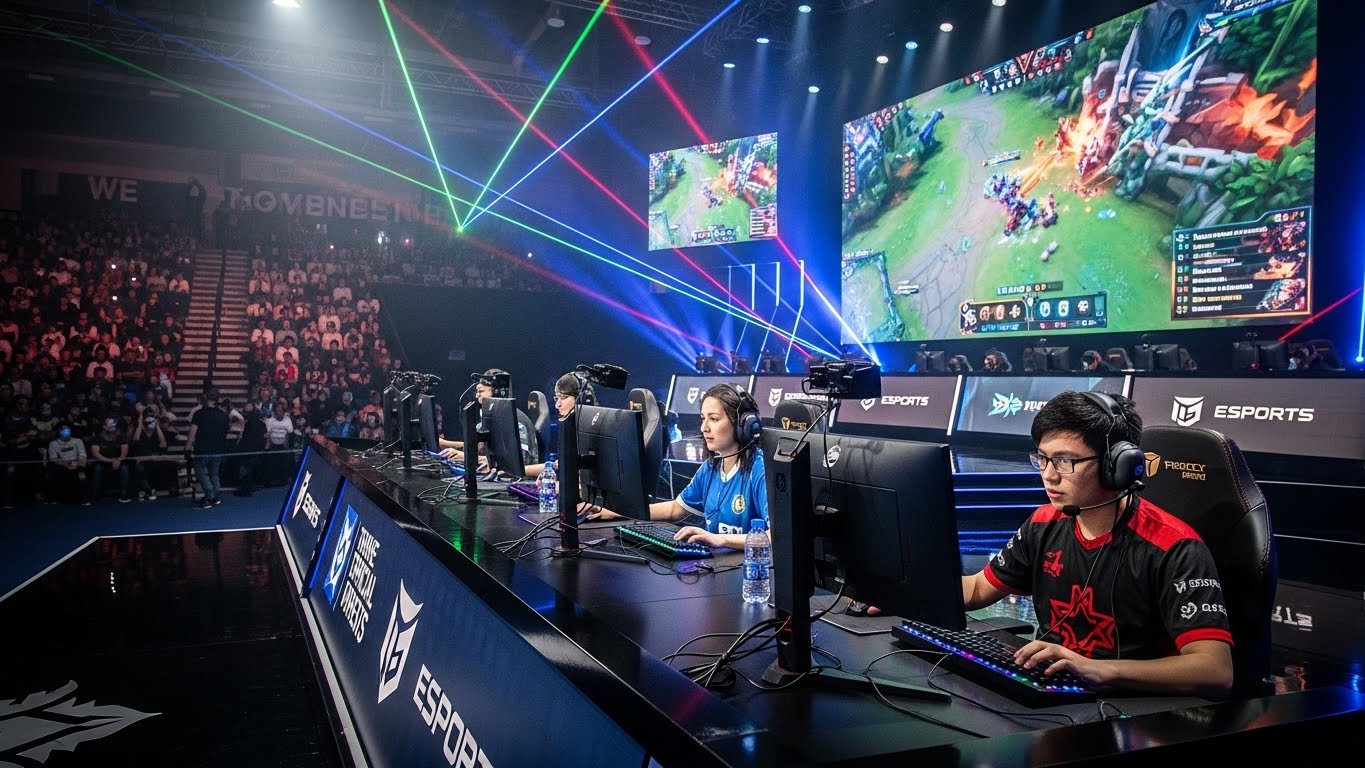
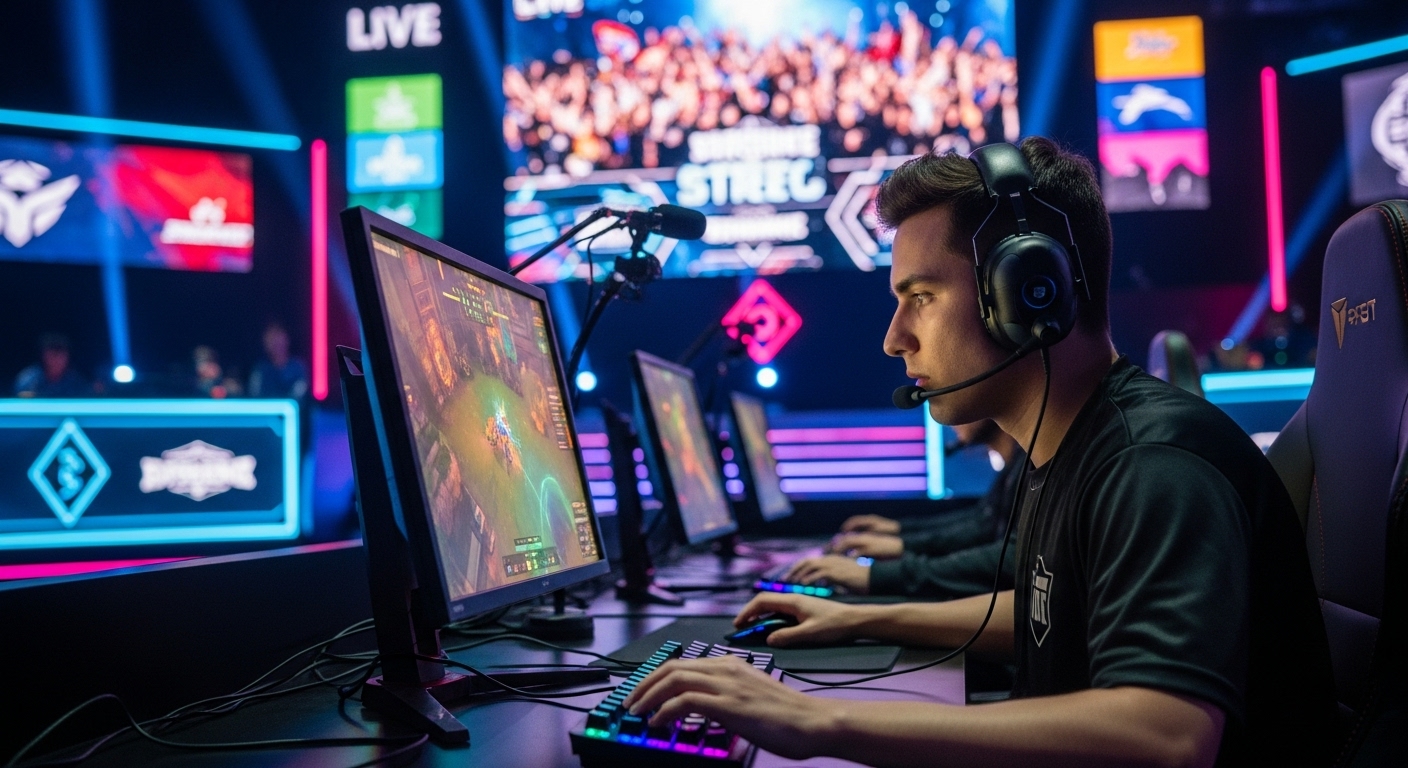
eSports has rapidly evolved from a casual hobby into a global phenomenon. Millions of players and fans participate in tournaments, watch live streams, and follow professional gaming leagues. What was once simple entertainment has transformed into a multi-billion-dollar industry that blends skill, strategy, and technology.
The Growth of Competitive Gaming
Competitive gaming began with small tournaments and local matches, but the rise of high-speed internet and streaming platforms has expanded its reach worldwide. Today, professional leagues, international championships, and online streaming make eSports a serious career path for talented players. Technology, community engagement, and sponsorships have all contributed to its remarkable growth.
Popular eSports Genres
eSports includes a variety of gaming genres, each with unique challenges and appeal:
- MOBA (Multiplayer Online Battle Arena): Games like League of Legends and Dota 2 emphasize teamwork, strategy, and coordination.
- FPS (First-Person Shooter): Titles such as Counter-Strike and Call of Duty focus on reflexes, precision, and tactical thinking.
- Battle Royale: Games like Fortnite and PUBG challenge players to survive and adapt in dynamic, fast-paced environments.
- Sports Simulations: Digital versions of football, basketball, and racing allow players to compete in virtual arenas with real-world skills.
The Impact of eSports
eSports has significant cultural and economic influence:
- Career Opportunities: Gamers, coaches, content creators, and analysts now have professional avenues in the industry.
- Community Engagement: Online tournaments and forums foster social connections, teamwork, and mentorship among global players.
- Economic Contribution: Sponsorships, merchandising, and large-scale events contribute to a growing industry economy.
- Skill Development: Competitive gaming enhances strategic thinking, communication, problem-solving, and reflexes.
Challenges in eSports
Despite its growth, eSports faces challenges such as online harassment, player burnout, and the need for ethical gameplay regulations. Ensuring fairness, inclusivity, and mental well-being is crucial for the industry’s long-term sustainability.
The Future of eSports
The future of eSports looks promising, driven by emerging technologies like virtual reality, augmented reality, and artificial intelligence. These innovations will enhance gameplay, audience engagement, and professional training. eSports is poised to become an even more integral part of digital entertainment, education, and global culture.
Conclusion
eSports is more than gaming—it is a revolution in competitive digital entertainment. By combining strategy, skill, and technology, it has created new opportunities for players, communities, and industries worldwide. With responsible growth and continued innovation, eSports will remain a dynamic and influential part of modern culture for years to come.