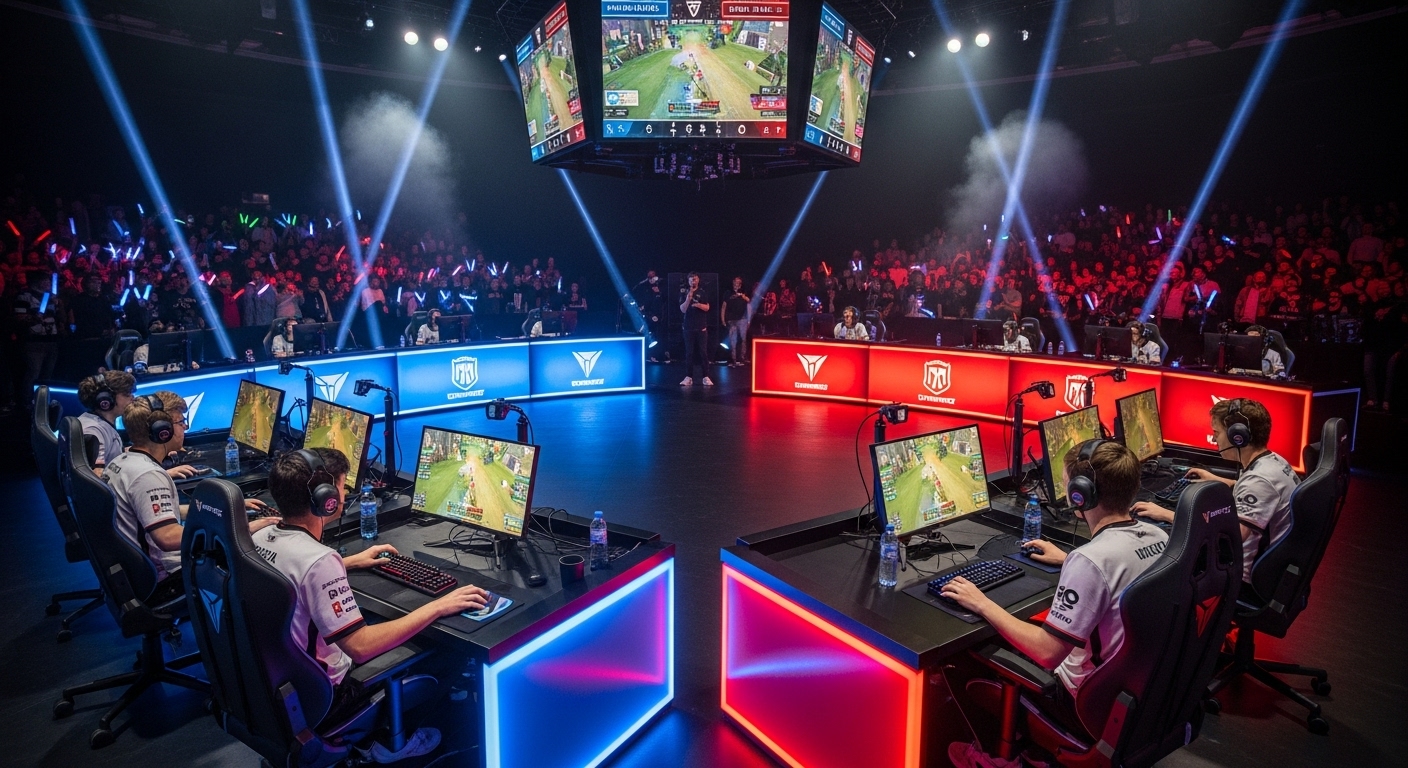
Over the past decade, esports has evolved from a niche hobby into a global phenomenon, and one region that has witnessed explosive growth is the Middle East. With its youthful, tech-savvy population and rapidly expanding infrastructure, the Middle East has become a key player in the global esports ecosystem. From large-scale tournaments and professional teams to increasing sponsorship deals and government support, esports in the Middle East is experiencing a meteoric rise. In this blog post, we’ll explore the factors behind this growth, the challenges the region faces, and the exciting future that lies ahead for Middle Eastern esports.
1. A Young and Digital-First Population
One of the primary factors driving the rise of esports in the Middle East is the region’s young, tech-savvy population. According to statistics, over 60% of the Middle Eastern population is under the age of 30, and many of these young people are digital natives with a natural affinity for gaming. The gaming culture is deeply ingrained in the region, particularly in countries like Saudi Arabia, the UAE, Qatar, and Egypt, where gaming is seen as both a leisure activity and a potential career path.
The youth in the Middle East have embraced video games not just as a form of entertainment but as a competitive activity. The rise of mobile gaming, which dominates much of the region’s gaming market, has also played a significant role in driving interest in esports. With the increasing accessibility of high-speed internet and the widespread availability of smartphones and gaming consoles, the Middle East is becoming a hotbed for esports enthusiasts.
2. Government Support and Infrastructure Investment
Governments in the Middle East have recognized the potential of esports as both a cultural and economic driver, leading to significant investments in esports infrastructure. Countries like Saudi Arabia, the United Arab Emirates, and Qatar are pouring resources into developing esports ecosystems that not only support competitive gaming but also position the region as a global leader in the industry.
For instance, Saudi Arabia has taken a bold step toward becoming an esports powerhouse with the launch of its “Saudi Esports Federation” (SEF), which is responsible for promoting esports across the kingdom. The country has already hosted major international esports tournaments such as the “Gamers8” festival, which attracted top players and teams from around the world.
Similarly, the UAE is home to one of the most advanced esports hubs in the region. The Dubai World Trade Centre, for example, has hosted multiple esports events, including the Dubai Esports Festival. Additionally, the UAE government is investing in the development of esports academies and training centers to nurture homegrown talent.
These investments are not only helping to raise the profile of esports but are also creating a sustainable ecosystem that includes gaming tournaments, professional teams, sponsorships, and media rights, further cementing the region’s role in the global esports scene.
3. The Growth of Local Esports Tournaments
Local esports tournaments have been crucial in building the region’s competitive gaming scene. As the interest in esports grows, the Middle East has seen an increasing number of regional tournaments, both online and offline, catering to various genres such as first-person shooters (FPS), multiplayer online battle arenas (MOBA), and battle royale games. These tournaments offer local players the opportunity to compete at a high level and serve as stepping stones to international recognition.
In addition to national and regional events, Middle Eastern players and teams are increasingly participating in global esports tournaments, representing their countries on the international stage. The success of players from the region in global competitions has helped fuel the rise of esports across the Middle East, inspiring a new generation of gamers to pursue esports professionally.
As the esports ecosystem grows, we can expect to see more local tournaments attracting international sponsors and media partners. These tournaments not only provide valuable exposure for local players but also contribute to the overall development of esports in the region.
4. Esports Teams and Organizations in the Middle East
Alongside individual players, esports organizations in the Middle East are also growing rapidly. Professional teams representing the region have become a force to be reckoned with on the international esports circuit. These organizations are investing heavily in player development, coaching, and management, and they are attracting sponsorships from global brands eager to tap into the Middle Eastern market.
Teams like “Nasr Esports” and “Team Falcons” are making waves in popular esports titles such as “League of Legends,” “PUBG Mobile,” and “FIFA,” competing at high levels and bringing home championships. These teams are not only showcasing the talent in the region but are also becoming role models for aspiring players who dream of making it to the professional stage.
Moreover, regional esports organizations are starting to attract attention from multinational corporations and sponsors, adding credibility to the scene and elevating the level of competition. As these organizations grow, they will continue to play a central role in developing the talent pipeline and driving the esports industry forward.
5. The Role of Streaming and Content Creation
Streaming platforms like Twitch and YouTube have become central to the global esports ecosystem, and the Middle East is no exception. Content creators and streamers from the region are gaining substantial followings, creating a vibrant community of viewers and fans. These content creators often share their gameplay, host live streams, and engage with their followers, which in turn drives more interest in esports.
The popularity of streaming is helping to democratize esports in the region, providing a platform for aspiring players to showcase their skills, build a fanbase, and even secure sponsorships. In particular, games like “Fortnite,” “Valorant,” and “PUBG Mobile” have enjoyed significant success in the Middle East, with streamers and influencers driving engagement and helping to popularize these games within local communities.
Streaming also provides an important revenue stream for players, content creators, and organizations alike. With the support of local and international brands, Middle Eastern esports content creators are able to turn their passion for gaming into a full-time profession, further solidifying the region’s place in the global esports landscape.
6. Cultural and Social Impacts
Esports in the Middle East isn’t just about competition—it’s also about cultural impact. Gaming provides an avenue for social interaction, community building, and even empowerment, especially for young people in the region. Esports has become a platform where gamers can showcase their skills, express their personalities, and connect with like-minded individuals from across the globe.
Moreover, esports provides a sense of belonging, particularly for underrepresented groups. Women, for example, have increasingly become a part of the esports scene in the Middle East. While the region traditionally had fewer women involved in competitive gaming, this is slowly changing, and the rise of female esports leagues and tournaments is helping to foster greater inclusion.
The social aspect of esports also extends to mental health and personal development. Many players view gaming as a way to de-stress, build teamwork skills, and develop resilience. Esports can teach valuable life lessons, such as how to deal with failure, work collaboratively, and handle pressure—skills that can be beneficial both in gaming and in life.
7. Challenges and the Path Ahead
While the rise of esports in the Middle East is undeniable, there are still challenges that the region must address to ensure sustained growth. Issues such as limited access to high-speed internet in rural areas, regulatory hurdles, and the need for further investment in grassroots gaming initiatives must be addressed for esports to reach its full potential in the region.
Additionally, the gaming community in the Middle East is still in the process of developing its own identity. As esports continues to grow, there will be a need for greater collaboration between players, organizations, and governments to create an ecosystem that supports all aspects of the esports lifecycle, from grassroots players to top-tier professionals.
However, the trajectory of esports in the Middle East is extremely promising. With continued investment in infrastructure, the development of local talent, and the growing popularity of streaming and content creation, the Middle East is poised to become one of the most influential regions in the global esports arena.
Conclusion
The rise of esports in the Middle East is a testament to the region’s growing influence in the global gaming landscape. Driven by a young, digital-first population, significant government investments, the growth of local tournaments, and a flourishing esports culture, the Middle East is well on its way to becoming a hub for competitive gaming. While challenges remain, the future of esports in the region looks bright, and its impact on both the cultural and economic landscape will only continue to grow. As the industry matures, we can expect the Middle East to produce world-class players, teams, and organizations that will compete on the global stage and leave an indelible mark on the world of esports.