Introduction
The world of competitive gaming, widely known as esports, has exploded from niche communities into a global phenomenon. It is no longer merely a hobby for enthusiasts; it has become a legitimate industry encompassing millions of players, fans, and billions of dollars in revenue. This blog post explores the multifaceted world of esports, delving into its origins, the structure of competitive play, the life of professional gamers, economic impacts, cultural significance, and the future that awaits this rapidly evolving arena.
The Origins of Esports: From Arcades to Stadiums
Esports did not emerge overnight. Its roots trace back to the earliest days of video gaming in the 1970s and 1980s, when players competed in arcades or via local area networks. Titles like Pong and Space Invaders laid the groundwork for competitive play, but it was the rise of personal computers and consoles that truly propelled esports forward.
The 1990s saw games like Quake and StarCraft become the first to host organized competitions, gathering players for LAN tournaments and early online events. These foundational competitions built the communities that would later grow into the massive, interconnected ecosystems that exist today.
What Defines Esports Today?
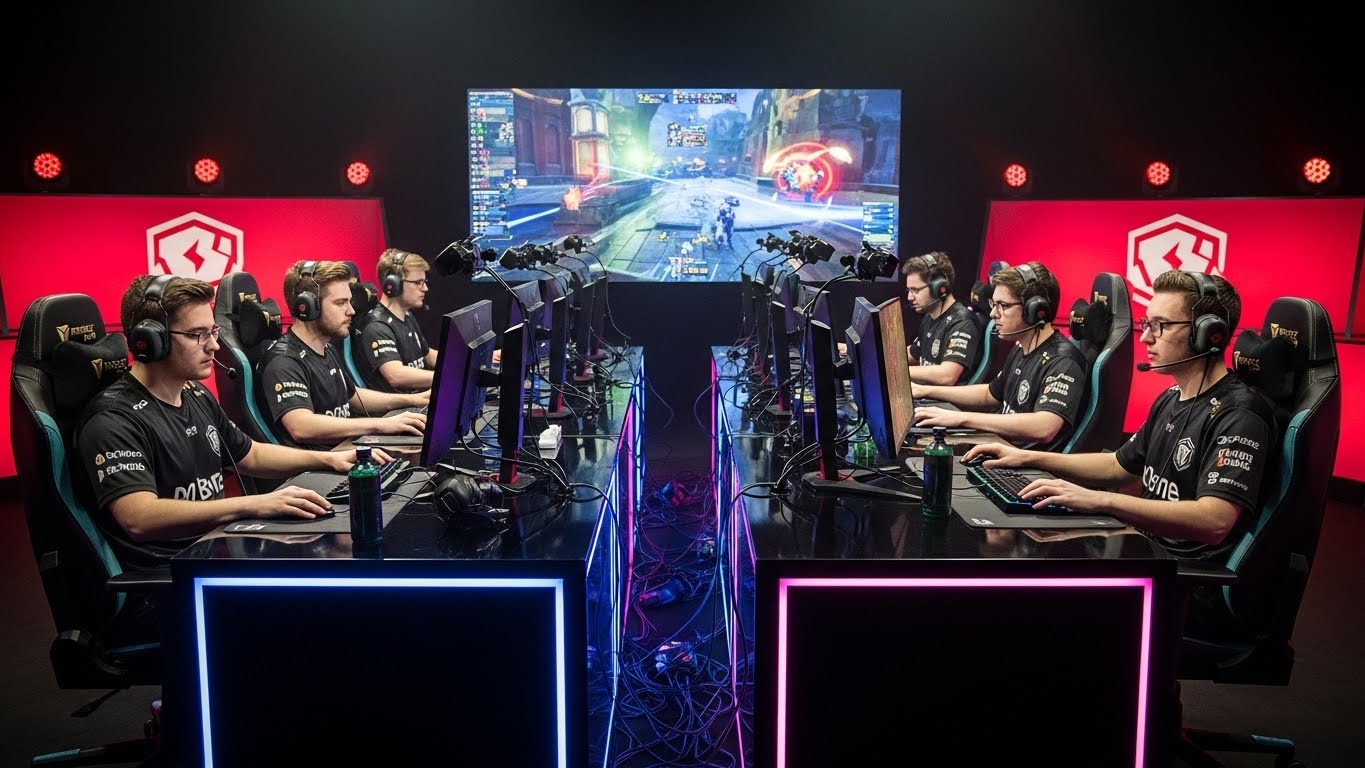
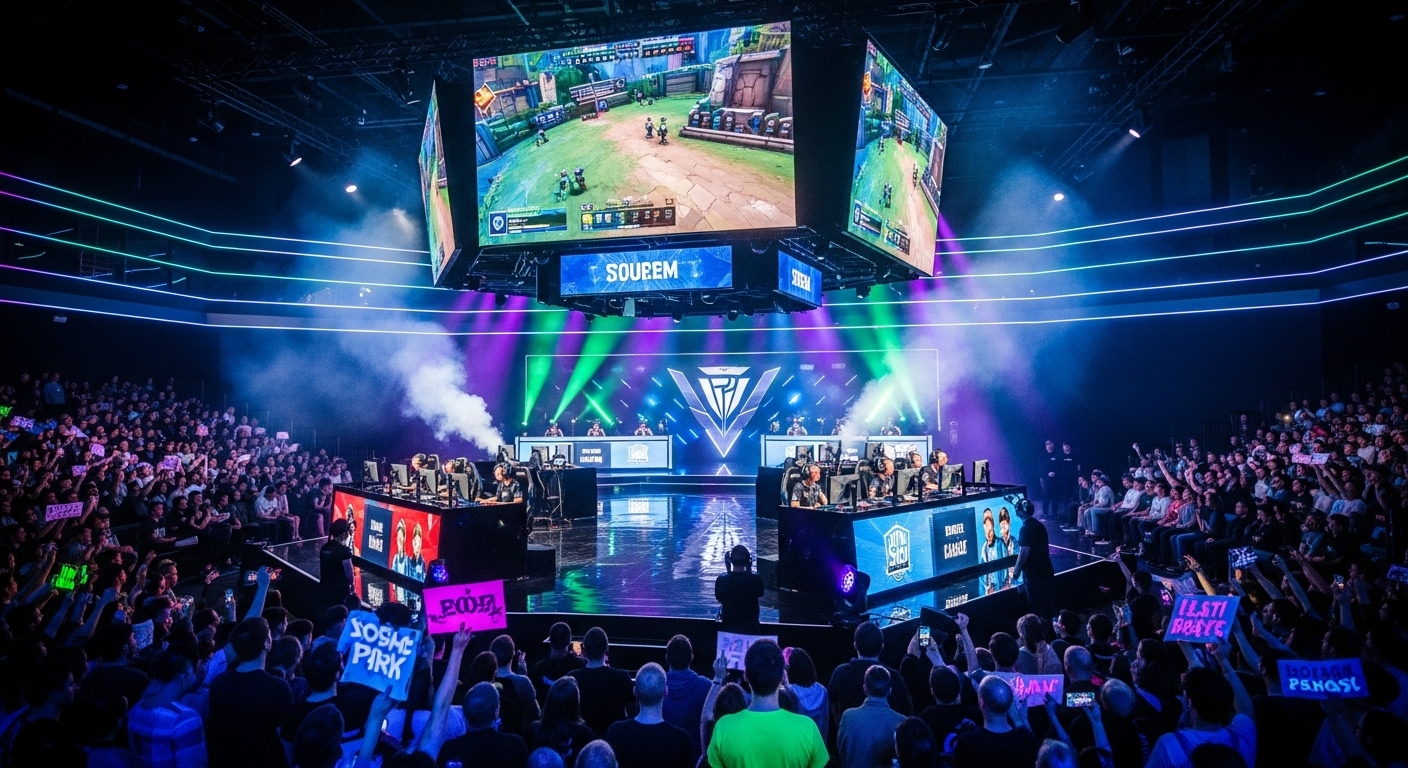
At its core, esports is competitive video gaming played at a professional level, typically organized around tournaments with spectators watching either in person or through streaming platforms. Several key elements define modern esports:
- High Skill Requirement: Professional players demonstrate precision, strategic thinking, quick reflexes, and teamwork.
- Structured Competitions: From local qualifiers to global championships, tournaments follow formats that test consistency and adaptability.
- Spectator Engagement: Fans worldwide watch live streams, follow player personalities, and engage in online communities.
- Developer and Sponsor Support: Game publishers and brands provide financial backing and infrastructure, fostering growth.
The combination of these elements elevates esports beyond casual gaming into a recognized sport.
Popular Esports Titles and Their Unique Characteristics
Esports is not a monolith; different games attract distinct audiences and require diverse skill sets. Here are some of the most prominent titles shaping the scene today:
- League of Legends: A Multiplayer Online Battle Arena (MOBA) game that demands strategic team play and individual mechanical skill. Its complex objectives and champion diversity create deep gameplay.
- Counter-Strike: Global Offensive: A tactical first-person shooter centered on precision aiming, map control, and teamwork, famous for its high stakes and rapid gameplay.
- Dota 2: Another MOBA with a high skill ceiling, known for its depth, large hero pool, and massive prize pools at major tournaments.
- Valorant: A newer tactical shooter that blends traditional shooting mechanics with unique agent abilities, bringing fresh strategic layers.
- Fortnite: A battle royale game that combines shooting with building mechanics, fostering creativity and quick adaptability.
- Mobile Titles: Games like PUBG Mobile and Mobile Legends have introduced esports to massive audiences in regions where mobile gaming dominates.
Each title offers a unique competitive experience, contributing to esports’ diverse landscape.
The Anatomy of Esports Organizations
Behind every professional esports player is an organization that manages multiple facets of their career. These organizations resemble traditional sports clubs but with nuances specific to digital competition.
Player Recruitment and Contracts:
Esports teams scout talent from amateur circuits or online rankings, signing players under contracts that stipulate salaries, obligations, and sometimes revenue sharing. These contracts often include provisions for streaming, social media presence, and promotional activities.
Training and Coaching:
Successful teams employ coaches, analysts, psychologists, and even fitness trainers. The goal is to optimize player performance through tactical preparation, mental resilience, and physical health.
Branding and Marketing:
Teams build their identity through logos, merchandise, social media, and fan engagement. This brand presence is critical for attracting sponsors and maintaining fan loyalty.
Event Logistics and Management:
Coordinating travel, accommodations, and tournament participation is a key organizational function, ensuring players can focus on competition.
The Life of a Professional Esports Player
Esports athletes lead rigorous lives comparable to traditional athletes, balancing intense training with public engagement and personal wellbeing.
Daily Training Regimen:
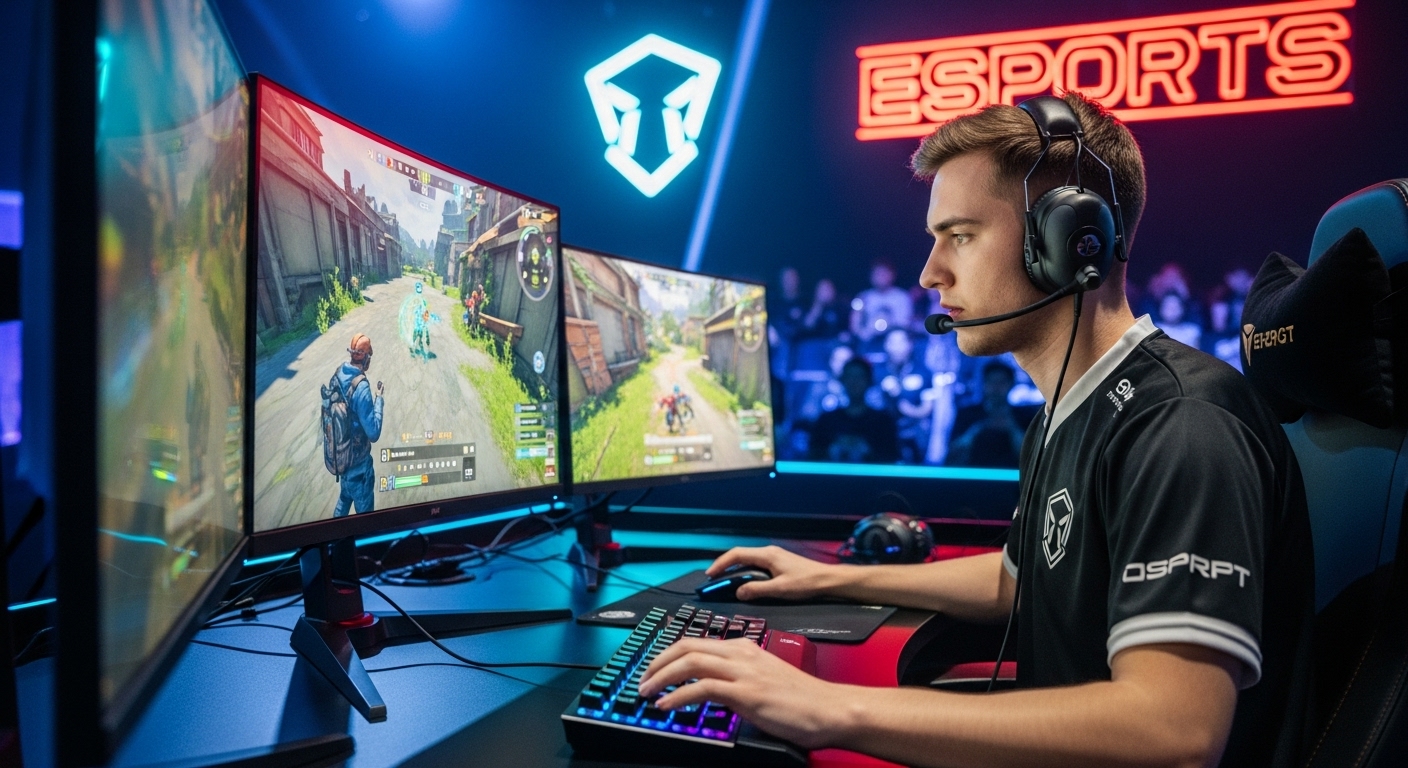
Professional gamers typically practice six to eight hours daily, focusing on mechanical skill drills, strategy review, team coordination, and mental exercises. Regular scrimmages against other teams simulate tournament conditions.
Physical and Mental Health Challenges:
Long hours at the computer can lead to repetitive strain injuries, eye strain, and poor posture-related issues. Additionally, the high-pressure environment creates mental health concerns, including anxiety and burnout.
Support Systems:
To address these challenges, many teams provide access to physiotherapists, mental health professionals, and wellness programs. Sleep schedules, nutrition, and physical exercise are increasingly recognized as vital components of a player’s routine.
Public Persona and Community Interaction:
Beyond competition, players often engage fans through live streaming, social media, and appearances, fostering a personal connection that enhances their marketability.
The Business of Esports: Economy and Monetization
Esports has developed a complex economic structure that benefits players, teams, publishers, sponsors, and media platforms alike.
Revenue Streams:
- Sponsorships and Advertising: Brands invest heavily to reach esports audiences, sponsoring teams, events, and content creators.
- Media Rights and Broadcasting: Platforms pay for exclusive streaming rights, while viewership generates advertising revenue.
- Merchandising and Tickets: Fans purchase team jerseys, collectibles, and tickets to live events, providing direct revenue.
- Prize Money: Tournaments offer substantial prizes, motivating players and increasing competitiveness.
- Content Creation: Players and organizations monetize through streaming, video content, and fan subscriptions.
Investor Interest:
Esports companies attract venture capital and corporate investments due to rapid growth and the young, digitally engaged demographic.
Cultural Impact and Community Dynamics
Esports has fostered vibrant communities that transcend national borders, languages, and cultures. These communities drive much of the culture and growth.
Fandom and Identity:
Fans identify strongly with teams, players, and regions. Rivalries, fan chants, and memes create a shared culture. Community forums, Discord servers, and social media serve as hubs for discussion and content sharing.
Inclusivity and Diversity:
While esports has faced criticism for underrepresentation of women and minorities, there are ongoing efforts to promote inclusivity through initiatives, diverse role models, and community moderation.
Grassroots Movements:
Local tournaments, online ladders, and amateur leagues provide entry points for aspiring players and cultivate new talent.
Technological Innovations Fueling Esports
Esports exists at the intersection of gaming and cutting-edge technology, which continuously shapes the experience for players and spectators.
Streaming Platforms:
Platforms that allow live broadcast and interaction have revolutionized how esports content is consumed. Real-time chat, donations, and emotes create an immersive viewing experience.
Analytics and Data Science:
Teams use advanced data analytics to improve strategies and player performance. Real-time statistics and heatmaps inform coaching decisions.
Virtual Reality and Augmented Reality:
Emerging technologies promise to transform esports by introducing new gameplay formats and viewer experiences.
Artificial Intelligence:
AI tools assist in player scouting, game balance testing, and even generating highlights or commentary.
Challenges Facing the Esports Industry
Despite its rapid growth, esports faces several hurdles that need addressing to ensure sustainable development.
Regulatory Fragmentation:
The industry lacks uniform regulation, leading to inconsistencies in player contracts, tournament standards, and dispute resolution.
Player Welfare:
High burnout rates and health issues necessitate better support structures and policies.
Game Publisher Dominance:
Because most esports depend on specific game titles controlled by publishers, changes to game mechanics or licensing decisions can disrupt ecosystems.
Cheating and Integrity:
Match-fixing, cheating software, and gambling scandals threaten esports’ legitimacy and require ongoing vigilance.
Monetization Sustainability:
Balancing monetization with audience growth and community satisfaction is an ongoing business challenge.
The Future of Esports: Trends and Predictions
Looking ahead, esports is poised to evolve in several exciting ways.
Integration with Traditional Sports:
Esports is increasingly embraced by traditional sports organizations, leading to partnerships, shared events, and blended fan experiences.
New Competitive Formats:
Hybrid formats combining physical and digital challenges, augmented reality games, and innovative tournament structures will emerge.
Global Expansion:
Emerging markets in Asia, Latin America, and Africa will contribute new players, fans, and economic activity.
Educational and Career Pathways:
Universities and training academies offering esports scholarships and career development programs will professionalize the pipeline.
Sustainability and Ethics:
Greater emphasis on player rights, mental health, and fair play will shape policies and industry standards.
Conclusion
Esports is not just a new form of entertainment or competition; it is a complex ecosystem that combines technology, culture, business, and human endeavor. From its humble beginnings to its current status as a global phenomenon, esports continues to redefine what it means to compete and connect in the digital age. Its ongoing evolution presents opportunities and challenges that will shape the future of sport, media, and community worldwide.
Whether you are a player, fan, entrepreneur, or observer, understanding esports offers valuable insights into the next frontier of competition and cultural expression. The game is changing—and those who embrace it stand to be part of an extraordinary journey.