Introduction
In the span of just a few decades, esports has undergone a remarkable transformation from a niche hobby to a global cultural phenomenon. What once began as casual gaming competitions has blossomed into a billion-dollar industry with professional teams, global tournaments, massive sponsorships, and millions of dedicated fans. Today, esports rivals traditional sports in terms of audience size, sponsorship value, and media coverage. From online streams to massive arenas filled with screaming fans, competitive gaming has become a legitimate form of entertainment with its own stars, storylines, and passionate fanbase.
Esports isn’t just about playing video games—it’s about competition, skill, strategy, and entertainment. It represents the next frontier in global sports, where digital platforms and physical presence converge to create something unique. This blog will explore the evolution of esports, how it has become a dominant force in the entertainment industry, and where it’s headed in the future.
The Humble Origins of Esports
To understand the meteoric rise of esports, it’s important to trace its origins. The first competitive gaming events were small-scale, often limited to local arcades or private gatherings. In the early 1970s, games like Space Invaders and Pong offered players the opportunity to test their skills and compete for high scores. These early competitions were far from the professionally organized events we see today, but they laid the foundation for what was to come.
The 1990s brought the advent of online multiplayer gaming. Titles like Doom, Warcraft, and Quake enabled players to connect over the internet and face off against one another in virtual arenas. These early games created a sense of community and established the idea of competition in the digital realm. The rise of online play fueled the growth of amateur tournaments and local competitions. It wasn’t until the late 1990s and early 2000s that the first large-scale esports events began to take shape, with competitions like the World Cyber Games (WCG) and Cyberathlete Professional League (CPL) paving the way for professional esports as we know it today.
The Role of Streaming in the Growth of Esports
One of the most significant developments in the rise of esports has been the advent of live streaming. The introduction of platforms like Twitch, YouTube Gaming, and Facebook Gaming revolutionized how fans experience esports. For the first time, viewers could watch their favorite players and teams compete in real time from anywhere in the world. Streaming enabled fans to engage with the competition in ways that were previously impossible, allowing them to watch, comment, and even interact with players during live broadcasts.
Twitch, in particular, has played a central role in the esports ecosystem. Launched in 2011, the platform allowed players to stream their gameplay to a global audience. As esports grew in popularity, Twitch became the primary platform for broadcasting tournaments, making it easier for fans to watch professional gamers live from their homes. The interactive nature of streaming also allowed for direct communication between players and fans, helping to build a sense of community around esports.
Streaming platforms also introduced a new form of monetization for players and organizations. Through ad revenue, sponsorships, and donations, esports personalities could make a living off their content. This led to the rise of professional streamers, whose influence often rivals that of traditional athletes in terms of brand partnerships and social media following.
Esports Leagues and the Rise of Professionalism
As the esports scene grew, so did the need for organization and structure. Early tournaments were often one-off events with no consistent scheduling or infrastructure. As esports evolved, major gaming companies began to invest in organized leagues, ensuring that competitive gaming could be played on a professional level with consistent rules, seasons, and prize pools.
In 2011, Riot Games launched the League of Legends Championship Series (LCS), which became one of the first major esports leagues to adopt a professional franchise model. The LCS helped establish esports as a legitimate career, offering players a steady salary, team sponsorships, and an organized season of competition. It wasn’t long before other games followed suit, creating their own professional leagues. Games like Overwatch, Dota 2, and Counter-Strike: Global Offensive soon adopted similar league structures, creating opportunities for players to turn their passion into a full-time career.
These professional leagues have helped to elevate esports to the level of traditional sports. Players now compete in a regular season, often followed by playoffs and finals, just like their counterparts in the NBA or NFL. In addition, franchises like Cloud9, Team Liquid, and Fnatic have become household names in the esports community, with major sponsorship deals and dedicated fanbases.
Esports Events: The Spectacle of Competitive Gaming
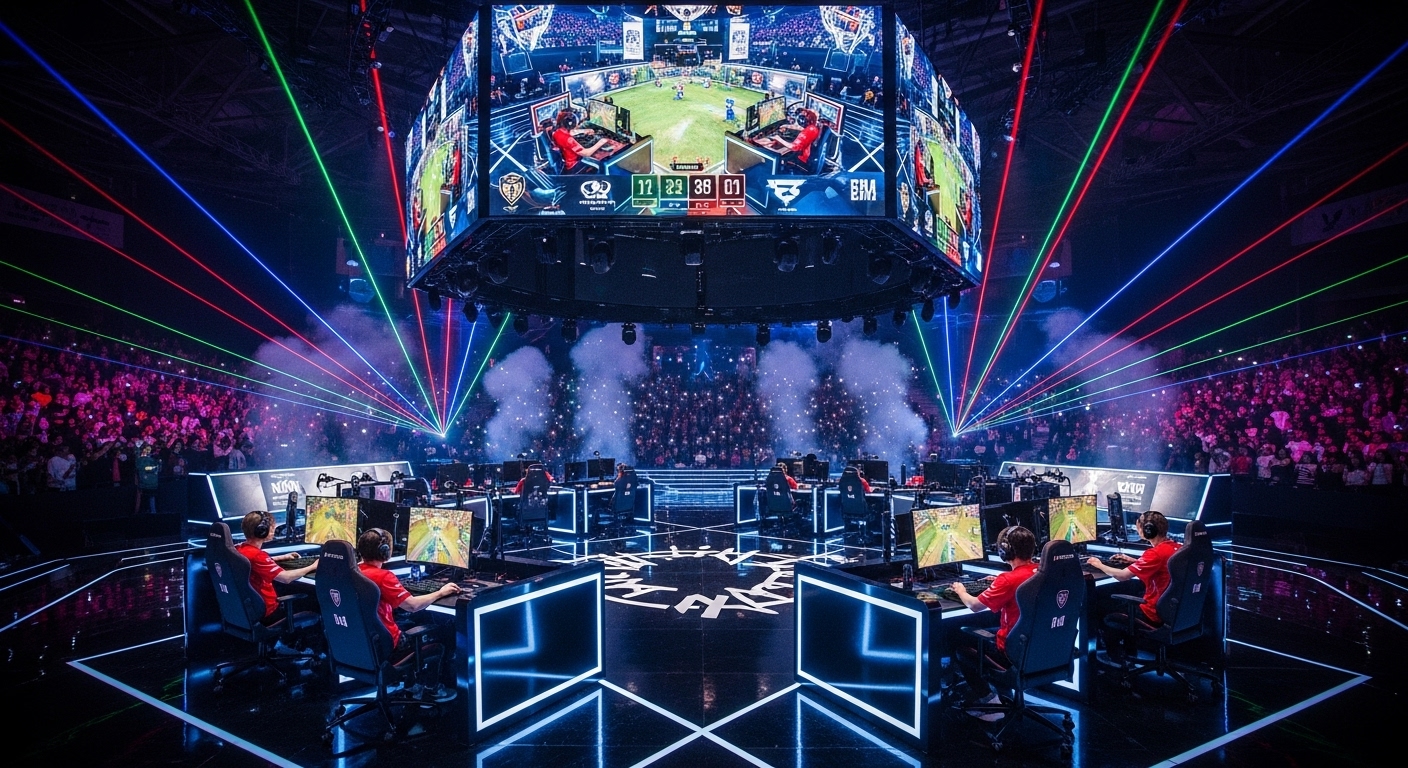
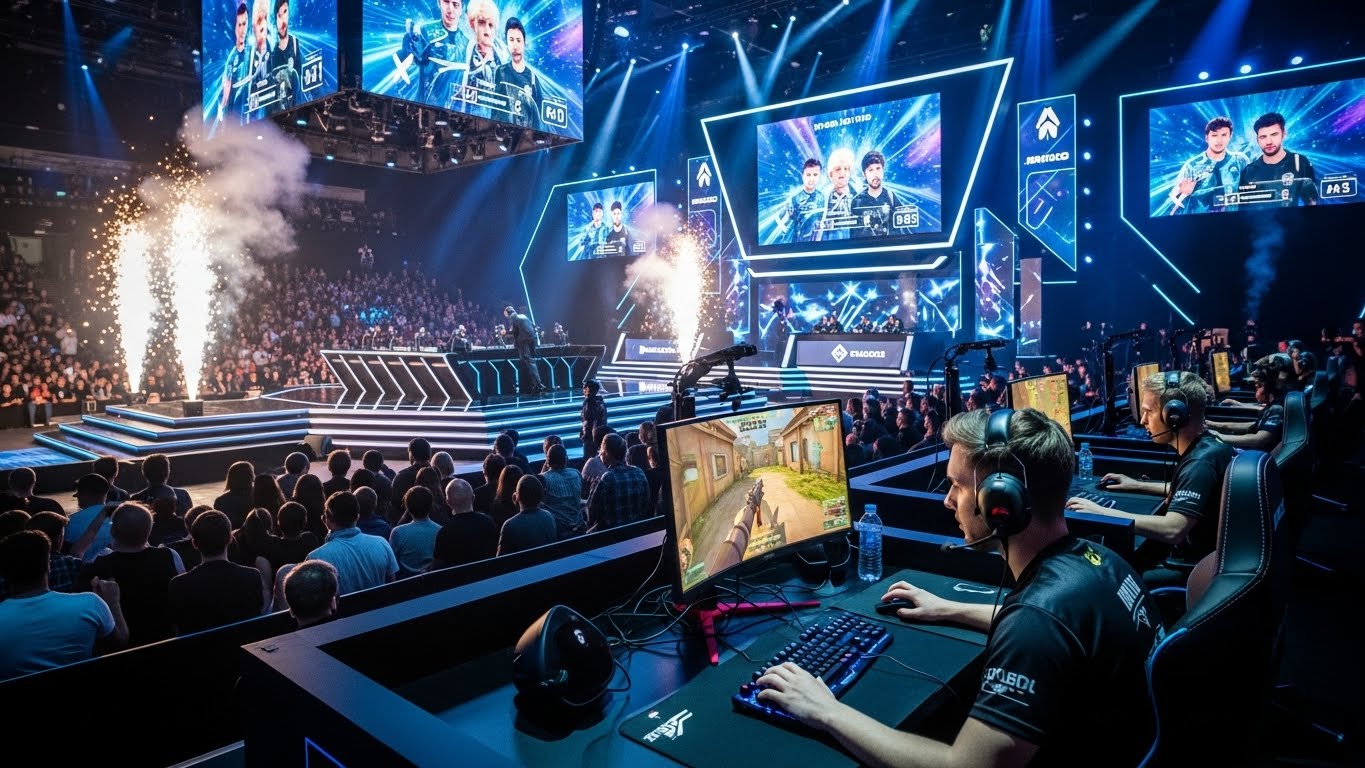
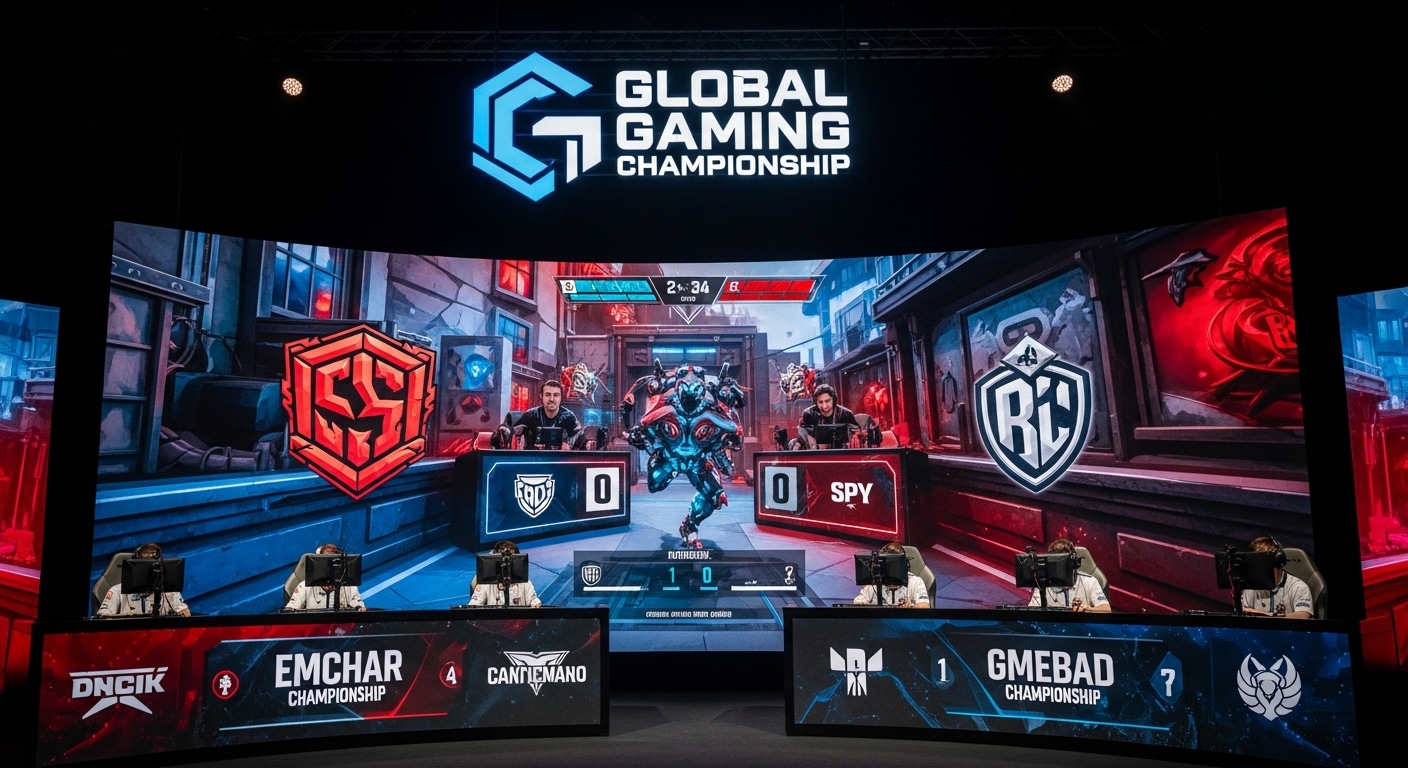
One of the defining features of esports is its massive, high-stakes events that bring together the best players from around the world. Major tournaments like The International (Dota 2), the League of Legends World Championship, and CS:GO Majors have become annual spectacles, attracting millions of viewers both online and in person. These events are broadcasted to a global audience, often filling large arenas with passionate fans who cheer for their favorite teams.
The production quality of esports events has also improved dramatically in recent years. High-definition broadcasts, expert commentators, and immersive in-game graphics have made esports tournaments visually stunning. These events often include live music performances, celebrity appearances, and fan interactions, making them more than just competitions—they’re full-fledged entertainment experiences.
The International, for example, has become an iconic event in the esports world, offering one of the largest prize pools in all of competitive gaming. In 2021, the prize pool for The International 10 reached over $40 million, a staggering figure that showcases the immense popularity of esports.
Esports as a Career Path: The Professional Gamer
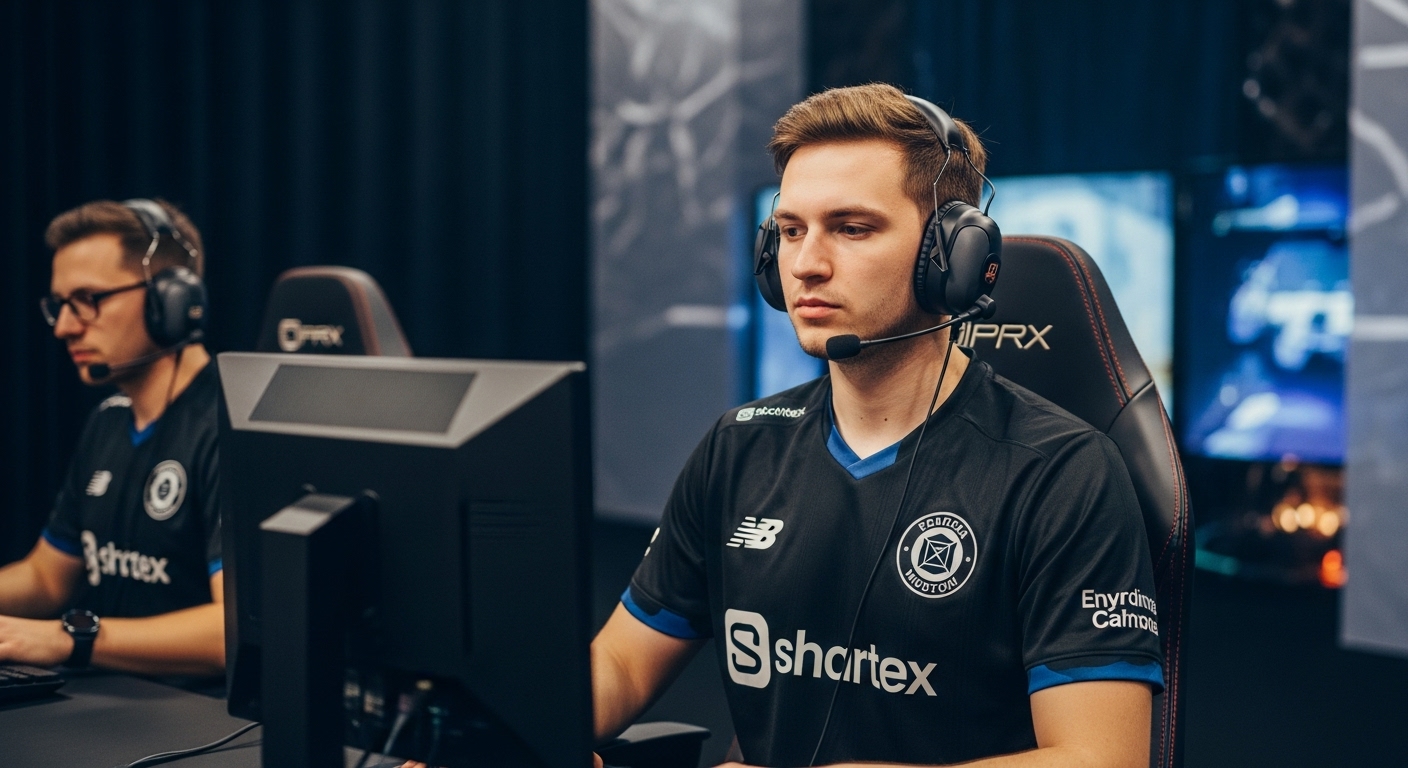
Esports has opened up new career opportunities for gamers. What once was a hobby for many has now become a legitimate profession, with players earning salaries, sponsorships, and prize money for their skills. The rise of professional esports has also led to the creation of other jobs in the industry, from coaches and analysts to event organizers and content creators.
Becoming a professional gamer, however, is not an easy task. The competition is fierce, and players must dedicate countless hours to mastering their games. Many professional esports players begin their careers at a young age, often in their teens, and spend years refining their skills. Just like traditional athletes, esports players train rigorously, studying their opponents and strategizing for each match.
Esports players can earn substantial incomes, particularly those at the top of their games. Prize money from tournaments can reach millions of dollars, and sponsorships from major brands further boost their earnings. Streaming platforms like Twitch provide an additional revenue stream for players, who can monetize their gameplay through subscriptions, ads, and donations.
The Cultural Impact of Esports
Esports has gone beyond just being a form of entertainment—it has become a global cultural movement. From gaming conventions like DreamHack to fan gatherings at live tournaments, esports has created a sense of community that spans continents. Fans unite over shared passions for their favorite games, players, and teams, forming tight-knit communities that transcend borders.
The global appeal of esports is also reflected in the diverse range of cultures and countries represented in top-tier tournaments. Players from Europe, North America, South Korea, China, and beyond compete for global supremacy, creating a truly international spectacle. The rise of esports has helped to break down cultural barriers, uniting people from different backgrounds through their shared love of gaming.
In addition to fostering global communities, esports has also impacted mainstream entertainment. The growing popularity of competitive gaming has led to increased media coverage, with major broadcasters like ESPN and Fox Sports beginning to air esports events. Major companies from various industries, including tech, fashion, and sports, are now sponsoring esports events, further legitimizing gaming as a cultural and commercial force.
The Future of Esports: What’s Next?
The future of esports is incredibly exciting. As technology continues to advance, esports will only become more immersive and engaging. Virtual reality (VR) and augmented reality (AR) are expected to play a bigger role in the esports experience, offering fans and players new ways to interact with the games. Imagine attending an esports tournament in VR, where you can feel like you are sitting courtside with your favorite team.
Mobile gaming is also poised to take esports to new heights. Mobile esports has already seen a surge in popularity, with games like PUBG Mobile and Clash Royale attracting millions of players and viewers. As mobile technology improves, more players will be able to compete on the go, expanding the reach of esports even further.
Esports’ inclusion in major sporting events like the Olympics is another possibility. Discussions have already begun about the potential of adding esports to the Olympic roster, and it seems likely that competitive gaming will eventually gain recognition as an official Olympic sport.
Conclusion
Esports has come a long way from its early days in local arcades and amateur tournaments. What started as a small subculture has blossomed into a global entertainment juggernaut, attracting millions of fans, players, and sponsors. Esports has transformed the way we view gaming, making it a legitimate form of competition and entertainment on par with traditional sports.
The future of esports looks incredibly promising, with technological advancements, global expansion, and new career opportunities on the horizon. As the industry continues to grow, esports will undoubtedly become an even more influential part of our cultural and entertainment landscape. For those who love gaming, the world of esports is just getting started.