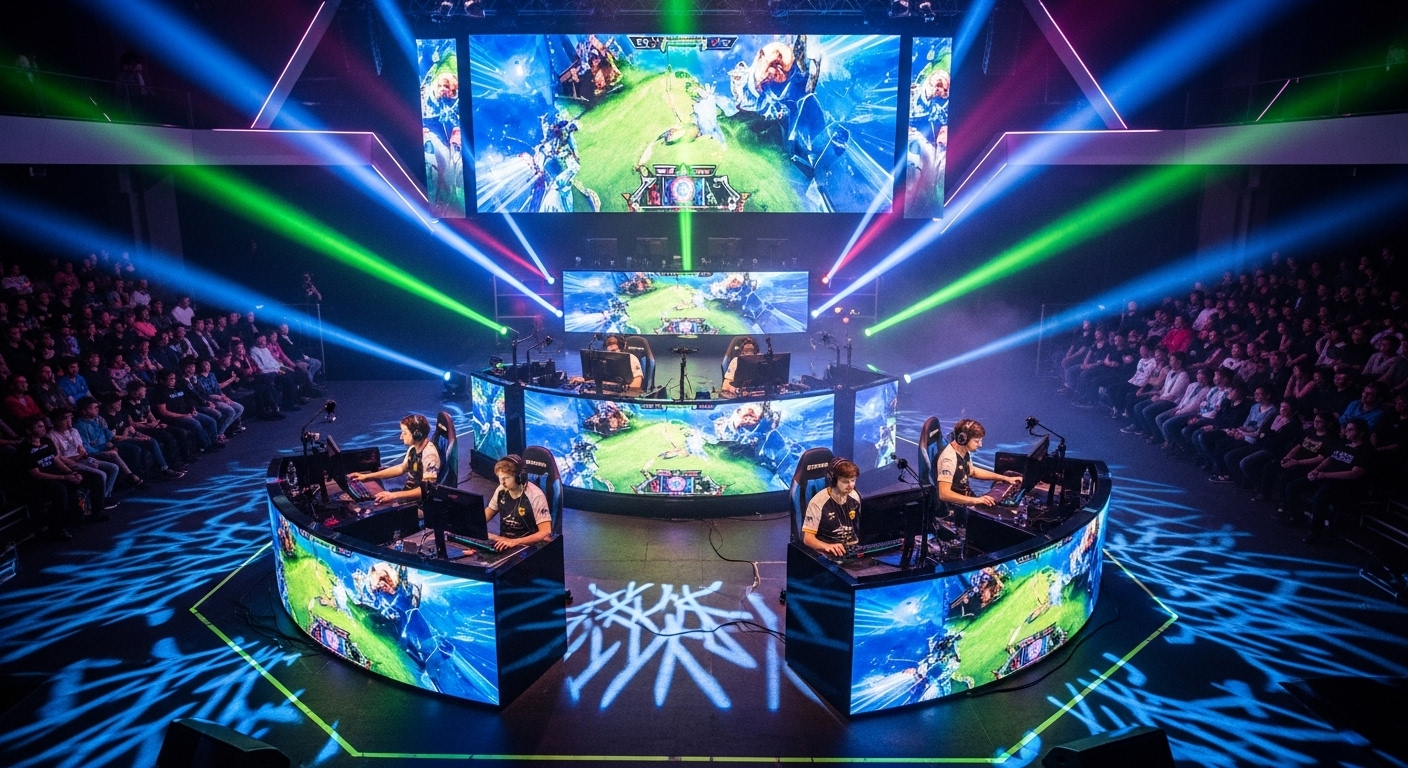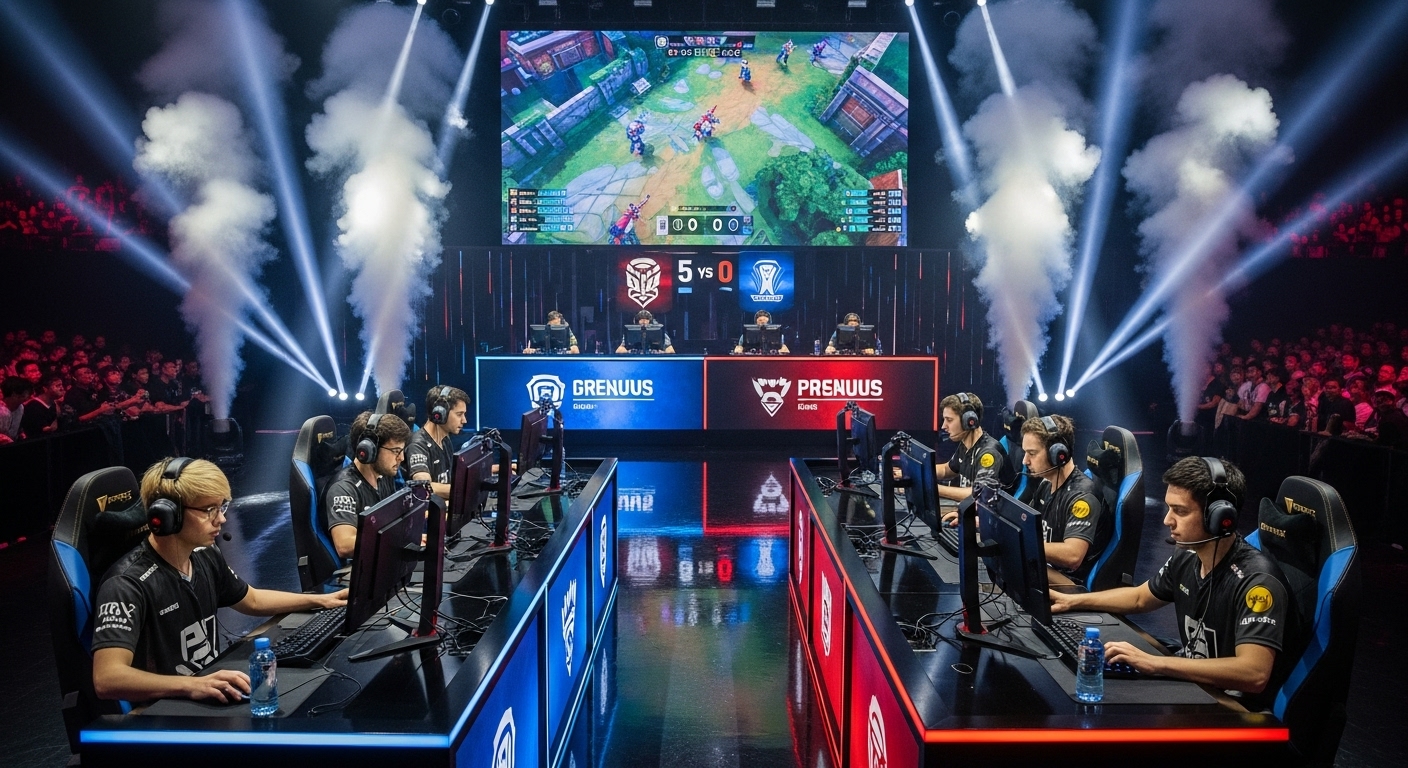
In the past two decades, eSports has evolved from a niche activity enjoyed by passionate gamers to a multi-billion dollar industry with a global following. What was once a hobby for a small group of individuals has now become a mainstream cultural phenomenon. Whether it’s League of Legends, Counter-Strike: Global Offensive, or the ever-popular Fortnite, competitive gaming is here to stay, and its influence is only continuing to grow. From professional players who are treated like sports stars to packed arenas with fans cheering for their favorite teams, eSports has become a significant part of the entertainment landscape, changing how people view gaming, competition, and community.
In this blog, we’ll explore how eSports has grown from humble beginnings to a global powerhouse, the key factors driving its success, and its impact on entertainment, culture, and the future of competition.
The Origins of eSports: From Casual Competition to Professional League
Though the term “eSports” may seem new to many, competitive gaming has existed in some form since the early days of video games. The first significant eSports tournament took place in 1972, when Stanford University hosted the Intergalactic Spacewar Olympics, a competition centered around the game Spacewar. However, it was not until the late 1990s and early 2000s that competitive gaming started to take on a more organized, professional structure.
Games like Quake and StarCraft became central to the growing eSports scene, with early events attracting dedicated players and fans. These tournaments were often held in LAN (local area network) settings, where gamers would compete in person, connected via network cables. The real breakthrough for eSports came in the early 2000s with the creation of large-scale events like the World Cyber Games and the Electronic Sports World Cup. These tournaments set the stage for the future of eSports, attracting players from around the globe and giving birth to the idea that competitive gaming could become a global industry.
In the following years, the rise of the internet and online gaming platforms such as Battle.net and Steam further fueled the growth of eSports. These platforms allowed players from different parts of the world to compete against each other without having to meet in person. The StarCraft series, especially StarCraft: Brood War in the early 2000s, is often credited with being one of the first games to truly solidify the eSports scene, particularly in South Korea, where the gaming culture was more developed and broadcasted on television.
The Streaming Revolution: Twitch and the Rise of Global Audiences
Perhaps the most significant factor in the rise of eSports as we know it today has been the advent of streaming platforms like Twitch. Launched in 2011, Twitch allowed gamers to broadcast their live gameplay to an audience, making it possible for millions of fans around the world to watch eSports competitions in real time. The platform’s success not only allowed professional players and teams to grow their fanbases but also gave a new generation of gamers the opportunity to view their favorite games being played by the best players in the world.
The streaming revolution also provided a way for fans to engage with eSports in a more interactive way. Viewers could chat with players, ask questions, and even donate money to support their favorite streamers. This interaction created a sense of community around eSports that had never existed before, turning watching a game into a participatory experience.
Twitch became the home for many high-profile eSports events, including the League of Legends World Championship, The International for Dota 2, and Overwatch League. With millions of viewers tuning in from across the world, eSports has become one of the most-watched categories of content on streaming platforms.
The Key Players and Teams: Building a Professional eSports Ecosystem
While games are at the heart of eSports, the true lifeblood of the competitive scene are the players and the teams they represent. These players are the modern-day athletes of the digital age, dedicating hours of practice, strategy, and teamwork to perfect their skills and compete at the highest level.
In eSports, the most successful players often begin their careers in their teens, competing in online tournaments and building a reputation in the gaming community. As they progress in skill, they are often scouted by professional eSports organizations, which offer contracts to play for established teams. These teams operate much like traditional sports teams, with coaches, analysts, and managers who work behind the scenes to ensure that the players perform at their best.
Some of the most recognizable names in eSports have become celebrities in their own right. Players like Faker (Lee Sang-hyeok) from League of Legends, s1mple (Oleksandr Kostyliev) from Counter-Strike: Global Offensive, and Ninja (Tyler Blevins) from Fortnite have massive followings, making them more than just gamers—they are public figures with brand deals, sponsorships, and a powerful presence across social media platforms.
eSports teams, such as Team Liquid, Cloud9, T1, and FaZe Clan, have become household names, with dedicated fans and loyal followings. These organizations invest in player development, scouting the best talent and providing training facilities, coaches, and psychologists to help players achieve peak performance. Teams are often sponsored by major brands, including companies like Red Bull, Intel, and Adidas, all of whom recognize the potential of eSports as a powerful marketing platform.
Major Tournaments and Leagues: The Thrill of Global Competition
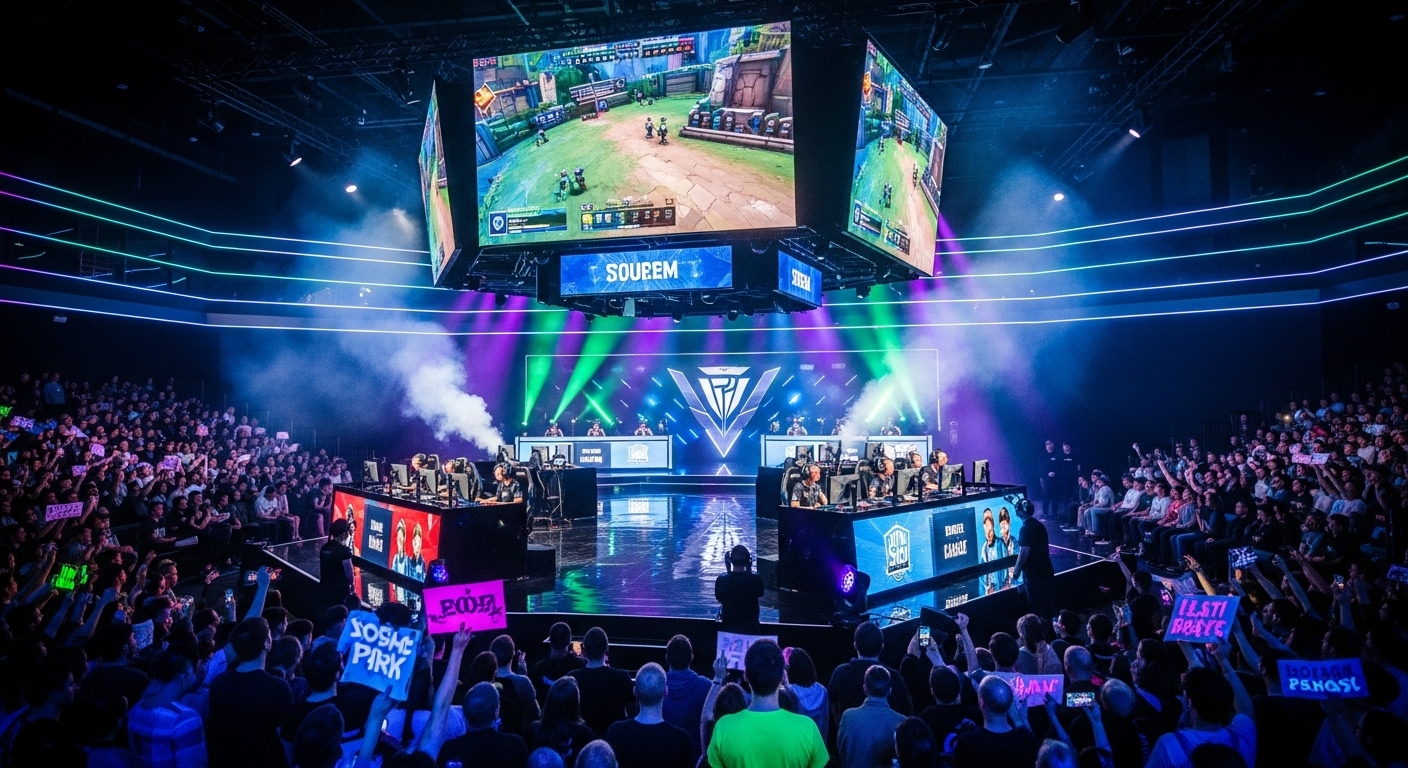
Tournaments and leagues are the cornerstone of eSports, providing a platform for players and teams to showcase their skills and compete for prize money, sponsorships, and global recognition. The biggest events in eSports today are often as grand and thrilling as any traditional sports event, attracting massive crowds, high-profile sponsors, and millions of viewers.
One of the most prestigious events in eSports is The International, the annual Dota 2 tournament organized by Valve Corporation. With prize pools often exceeding $30 million, The International draws competitors from around the globe, and the grand final matches are watched by millions of fans. League of Legends, with its annual World Championship, is another premier eSports event, boasting an audience that rivals the viewership of major traditional sports events like the Super Bowl.
Leagues such as the Overwatch League, Call of Duty League, and LCS (League of Legends Championship Series) are designed to give teams a structured competition schedule, similar to professional sports leagues like the NBA or NFL. These leagues feature regular seasons, playoff stages, and ultimately a grand championship event. As with traditional sports leagues, eSports teams compete for bragging rights, sponsorship deals, and prize money, all while building their brand and fan base.
These tournaments and leagues have raised the stakes for competitive gaming, and the atmosphere at live events is often electric. Fans pack arenas to cheer on their favorite teams, creating an environment that rivals that of major sports venues. The live-streaming experience, along with the professional commentary and high production value of broadcasts, brings the excitement directly into homes worldwide.
The Business of eSports: Sponsorships, Revenue, and Investment
eSports has evolved into a lucrative industry, with revenue streams coming from multiple channels. One of the primary sources of income for eSports organizations is sponsorships. Major companies in tech, fashion, and even fast food have seen the value in aligning themselves with the eSports ecosystem. Brands like Intel, Coca-Cola, Nike, and Razer sponsor players, teams, and events, seeing eSports as a valuable avenue for marketing to a young, engaged, and tech-savvy audience.
Revenue also comes from streaming platforms, where ad revenue and subscription fees support content creators and tournament broadcasts. Platforms like Twitch and YouTube have become essential in the growth of eSports, with monetization opportunities built into the platforms themselves. Fans who subscribe to channels or donate during live streams help sustain the livelihood of professional gamers.
Additionally, ticket sales from live events, merchandise sales, and the rise of in-game items and skins contribute to eSports’ financial ecosystem. Prize pools for major tournaments continue to grow, with the Dota 2 prize pool for The International regularly surpassing $30 million, one of the largest in the history of competitive sports.
The explosive growth of eSports has also attracted investment from traditional sports organizations, tech companies, and even venture capital firms. Teams and leagues are treated as business ventures, with sponsorships, media rights, and commercial partnerships being key drivers of revenue. Some of the largest professional sports organizations, including teams in the NBA, NFL, and European football leagues, have invested in eSports, further validating its position in the entertainment landscape.
The Cultural Impact of eSports: Shaping Communities and Identity
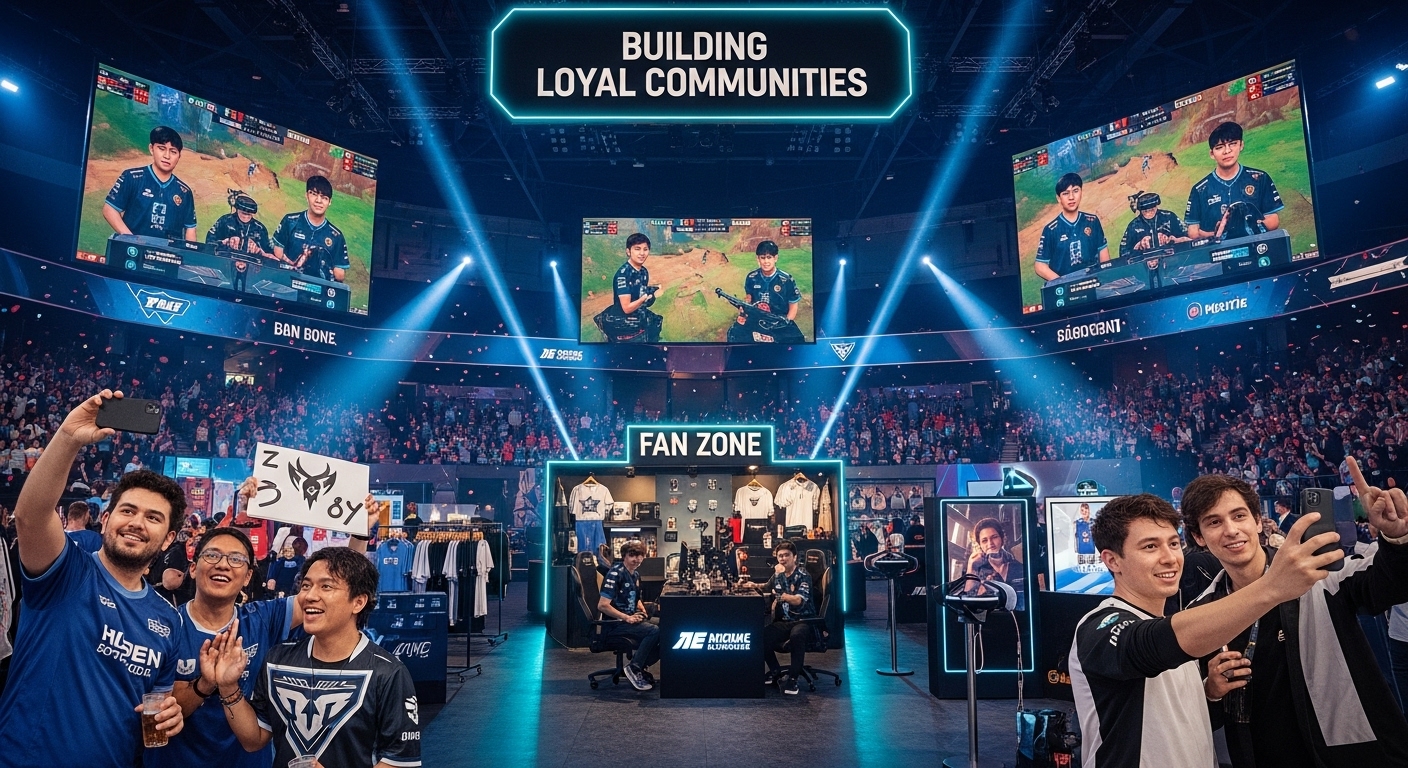
eSports has not only transformed the world of gaming but also played a pivotal role in shaping digital communities. The gaming world has long been a place for like-minded individuals to come together, but eSports takes this community-building to a new level. Through streaming platforms, social media, and fan clubs, eSports has created an inclusive and global culture where fans can interact with players, coaches, and other fans.
The rise of eSports also speaks to the changing nature of competition itself. Traditionally, competitive sports were seen as a physical pursuit, but eSports challenges this notion by showing that the future of competition may involve mental acuity, strategy, and collaboration rather than physical strength. For many fans, eSports provides a sense of identity, as they can follow teams and players who represent something larger than just a game—they represent a community, a passion, and a lifestyle.