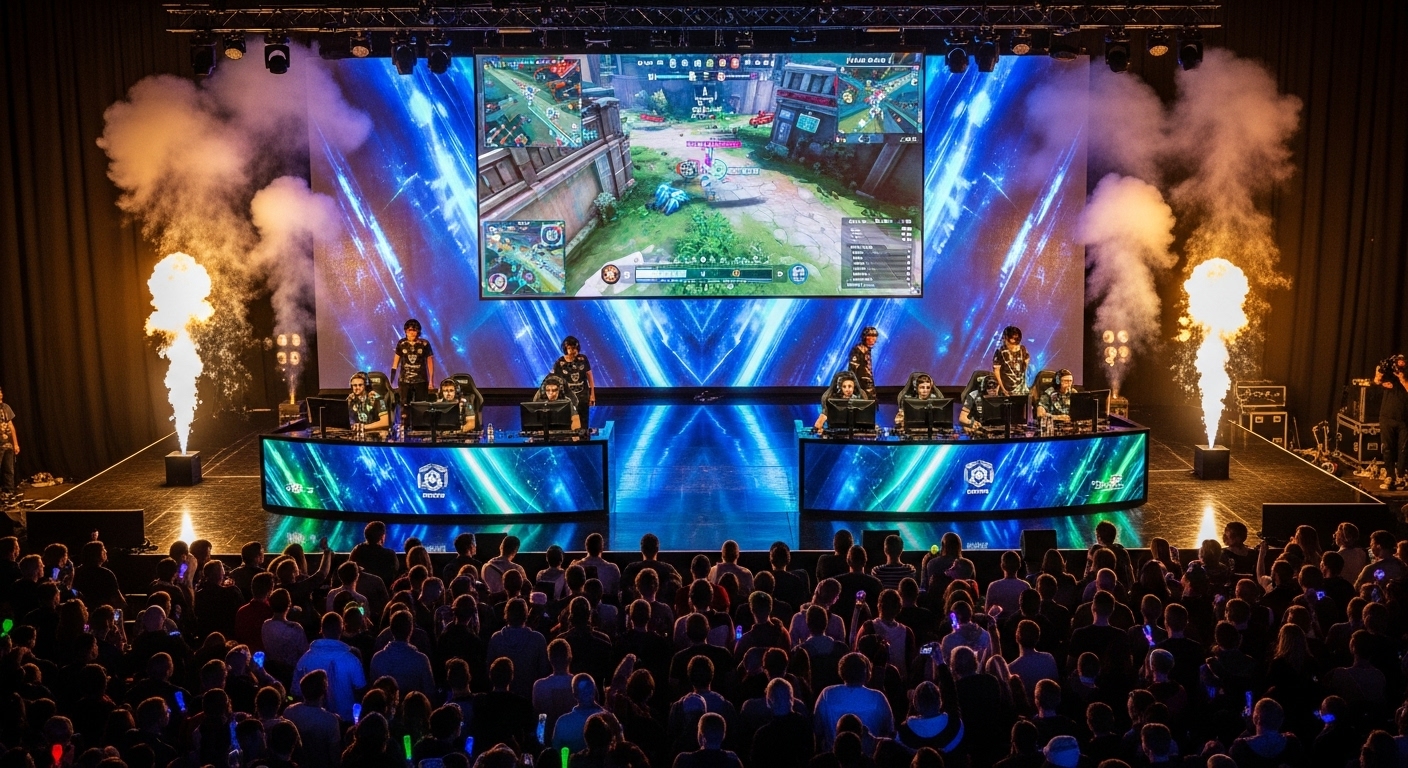
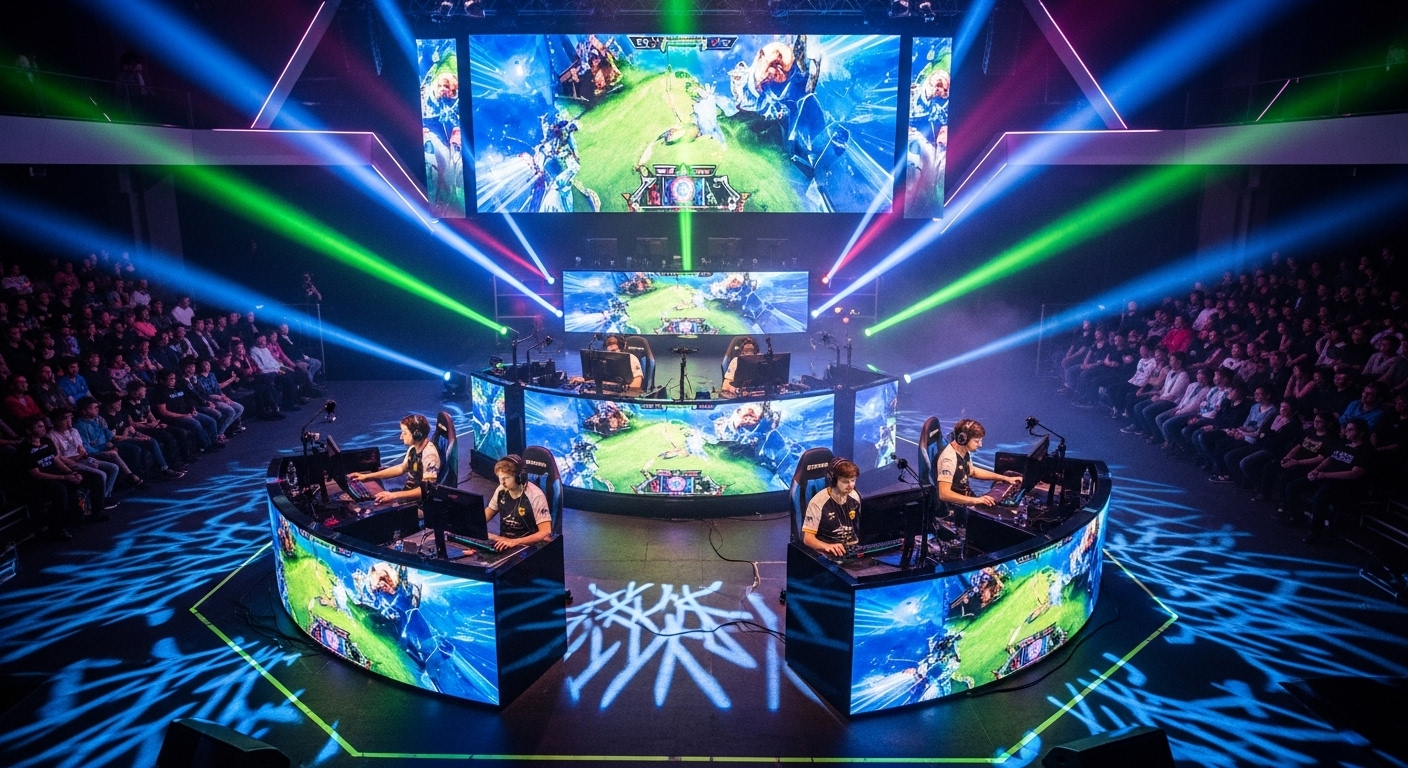
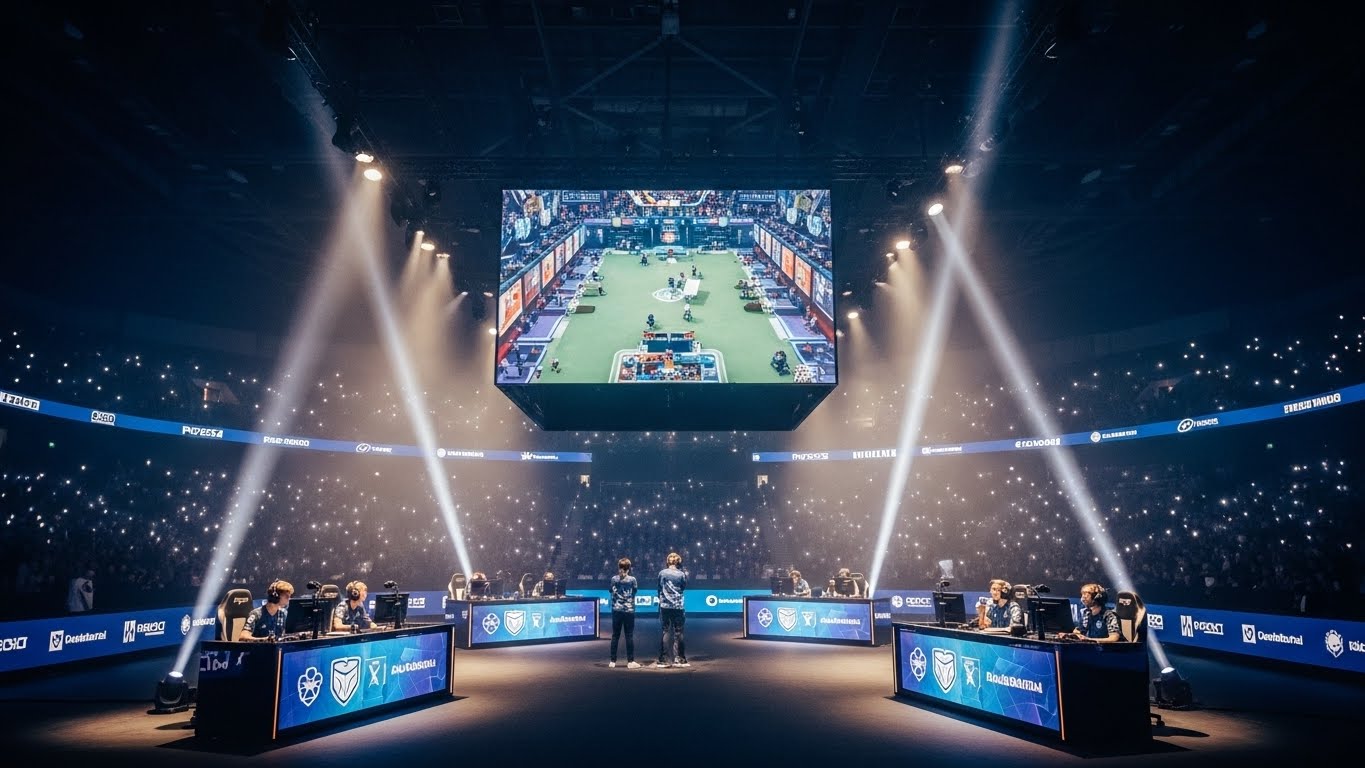
Esports, or competitive gaming, has rapidly evolved from a niche hobby to a global cultural and professional phenomenon. What was once considered a pastime for video game enthusiasts has now become a legitimate industry, attracting millions of viewers, professional players, and massive investments. Esports combines entertainment, technology, and competition in a way that resonates with modern audiences, redefining how we perceive gaming. This article explores the rise of esports, its structure, influence, challenges, and the exciting future that awaits this dynamic industry.
The Origins of Esports
The roots of esports can be traced back to the early days of video gaming. In the 1970s and 1980s, arcade competitions and high-score challenges brought players together to test their skills. Games like Pong and Space Invaders encouraged friendly rivalry, while events such as the Space Invaders Championship in 1980 drew thousands of participants.
With the advent of personal computers and multiplayer games in the 1990s, esports began to take shape as a structured competitive activity. Titles like StarCraft, Quake, and Counter-Strike introduced global online competitions, connecting players across regions and laying the foundation for the professional esports scene.
Popular Esports Game Genres
Esports is not limited to a single type of game. It encompasses various genres, each offering unique competitive experiences and attracting different audiences.
Multiplayer Online Battle Arena (MOBA)
MOBAs are team-based strategy games where players control unique characters with distinct abilities. The objective is typically to destroy the opponent’s base while coordinating with teammates. League of Legends and Dota 2 are the most prominent examples, drawing millions of viewers to major international tournaments. Success in MOBAs relies on teamwork, strategy, and quick decision-making, making them highly engaging for both players and spectators.
First-Person Shooters (FPS)
FPS games emphasize combat from the player’s perspective, requiring precise aim, reflexes, and tactical thinking. Games like Counter-Strike: Global Offensive, Valorant, and Call of Duty dominate the FPS esports scene. These competitions often feature fast-paced action, teamwork, and strategic planning, attracting large fanbases and professional organizations.
Battle Royale Games
Battle royale games, including Fortnite and PUBG, feature large-scale survival gameplay where players or teams fight to be the last standing. The unpredictability and dynamic nature of these games make them exciting for players and viewers alike. Esports tournaments in this genre offer high-stakes action and emphasize adaptability and strategy under pressure.
Fighting Games
Fighting games, such as Street Fighter, Tekken, and Super Smash Bros., focus on one-on-one combat. Players master complex combos, timing, and character-specific techniques to outperform their opponents. Competitive fighting games have longstanding tournament traditions and dedicated fan communities, showcasing individual skill and precision.
Sports Simulation Games
Sports simulation esports, including FIFA, NBA 2K, and Madden NFL, replicate real-world sports in a digital environment. Players compete virtually, combining gaming skills with knowledge of actual sports. These esports attract both traditional sports fans and gaming enthusiasts, bridging the gap between real-life athletics and digital competition.
Structure of Esports Competitions
Esports has become a highly organized and professional industry, with structures similar to traditional sports leagues.
Professional Teams and Organizations
Professional esports teams operate like sports franchises, with management, coaches, analysts, and players. Teams compete in regional and international leagues, often with sponsorship deals, salaries, and dedicated training facilities. Successful organizations invest in player development, strategic planning, and branding to maintain competitive and financial success.
Tournaments and Leagues
Esports tournaments range from small online competitions to large-scale global events. Leagues like the League of Legends Championship Series and Overwatch League feature seasonal play, playoffs, and championships. High-profile tournaments such as The International for Dota 2 offer multi-million-dollar prize pools, drawing international attention and massive viewership.
Streaming and Broadcasting
Streaming platforms have revolutionized how esports is consumed. Platforms like Twitch and YouTube Gaming allow fans to watch live matches, interact with commentators, and engage with the community. Broadcasting rights, sponsorship deals, and media coverage contribute significantly to the financial growth and legitimacy of esports.
The Popularity of Esports
Esports’ rapid growth is driven by accessibility, entertainment value, and community engagement.
Global Audience
Millions of viewers worldwide tune in to watch esports tournaments. Live streams, highlights, and commentary create a shared experience that transcends geographic boundaries. Fans follow their favorite teams and players, forming communities around shared interests.
Career Opportunities
Esports offers diverse career paths beyond playing professionally. Players can become coaches, analysts, streamers, content creators, or event organizers. The industry also provides opportunities in marketing, broadcasting, and game development, making it a viable professional avenue for many individuals.
Social Engagement and Community
Esports fosters strong communities where players and fans interact online. Forums, social media groups, and fan pages allow enthusiasts to discuss strategies, share content, and celebrate achievements. These communities create a sense of belonging and enhance the overall esports experience.
Cultural Impact
Esports has influenced mainstream culture by integrating gaming into entertainment, fashion, and media. Professional players gain celebrity status, tournaments are broadcasted globally, and gaming culture inspires music, merchandise, and fan art. Esports is not just a competitive activity; it has become a cultural movement.
Technological Advancements Driving Esports
Technology plays a crucial role in the growth and sophistication of esports.
High-Speed Internet and Connectivity
Reliable, high-speed internet is essential for competitive gaming. It enables seamless online play, live streaming, and global connectivity. Low latency and stable connections ensure fair competition and enhance the viewing experience for fans.
Advanced Gaming Hardware
High-performance computers, consoles, and peripherals support competitive gameplay. Precise controls, fast processing speeds, and high-quality graphics are critical for professional esports. Hardware improvements contribute to both player performance and spectator enjoyment.
Virtual and Augmented Reality
VR and AR technologies are beginning to shape esports by creating immersive experiences for players and audiences. Virtual arenas and augmented interactive elements can enhance engagement and redefine how esports is played and watched.
Analytics and Artificial Intelligence
AI and data analytics improve performance tracking, strategy development, and content personalization. Teams use analytics to study opponents, refine tactics, and monitor player progress, elevating the level of competition in esports.
Challenges in Esports
Despite its growth, esports faces challenges that need attention to ensure sustainability.
Health and Wellness
Professional esports players spend long hours training, which can lead to physical strain, eye fatigue, and mental health issues. Promoting healthy practices, balanced schedules, and wellness programs is essential for the longevity of players’ careers.
Fair Play and Cheating
Cheating and unfair practices threaten the integrity of competitions. Secure platforms, strict regulations, and monitoring systems are necessary to maintain fairness and credibility in esports.
Regulation and Legitimacy
Esports operates across multiple countries, each with its own legal and regulatory frameworks. Standardizing rules, ensuring ethical conduct, and maintaining professionalism are ongoing challenges for global tournaments and leagues.
Market Saturation and Competition
The rapid expansion of esports has led to a crowded market. Standing out among numerous tournaments, games, and content creators requires innovation, quality, and effective audience engagement.
The Future of Esports
The future of esports is promising, with growth driven by technological innovation, audience expansion, and professionalization.
Mainstream Recognition
Esports continues to gain recognition alongside traditional sports. Its inclusion in major events and the growing legitimacy of professional leagues indicate increasing acceptance and cultural significance.
Technological Integration
Emerging technologies like virtual reality, augmented reality, cloud gaming, and AI will enhance both gameplay and spectator experiences. Immersive environments and interactive features will redefine the esports landscape.
Global Expansion
Esports is expanding into emerging markets, attracting new players, viewers, and investment. This global growth will further diversify talent pools and audience demographics.
Collaboration with Entertainment and Media
Esports will increasingly intersect with entertainment industries, including music, film, and digital media. Collaborative events, themed content, and cross-industry partnerships will attract broader audiences and create innovative experiences.
Sustainability and Ethics
The industry is focusing on sustainable growth, player welfare, and ethical practices. Promoting inclusivity, mental health awareness, and fair competition will ensure long-term stability and credibility.
Conclusion
Esports has transformed from a hobbyist activity into a global phenomenon that combines entertainment, technology, and professional competition. Its growth reflects the universal appeal of gaming and the possibilities offered by digital connectivity. From MOBA and FPS games to battle royale and sports simulations, esports offers diverse experiences that engage players and viewers alike.
Despite challenges such as player health, regulation, and market saturation, esports continues to thrive and evolve. With technological innovations, expanding global audiences, and increasing mainstream recognition, esports is poised to become an enduring part of entertainment culture.
Esports is more than just competitive gaming; it is a revolution in digital entertainment, community engagement, and professional sports. Its influence will continue to grow, shaping how we play, watch, and interact in the digital age.