Introduction: The Rise of Digital Competition
Esports, short for electronic sports, has grown from a small hobby into a global phenomenon. What was once limited to local gaming competitions is now a multi-billion-dollar industry with professional teams, international tournaments, and millions of dedicated fans. Esports is reshaping the way people view competition, entertainment, and careers in the digital age.
The Origins of Esports
The history of esports can be traced back to the 1980s and 1990s when arcade competitions and early computer games like Pac-Man and Street Fighter began attracting competitive players. The real surge came with online multiplayer games such as StarCraft and Counter-Strike, which allowed players from around the world to compete. Over time, improved internet connectivity and streaming technology transformed these competitions into global events that draw massive audiences.
The Professional Scene
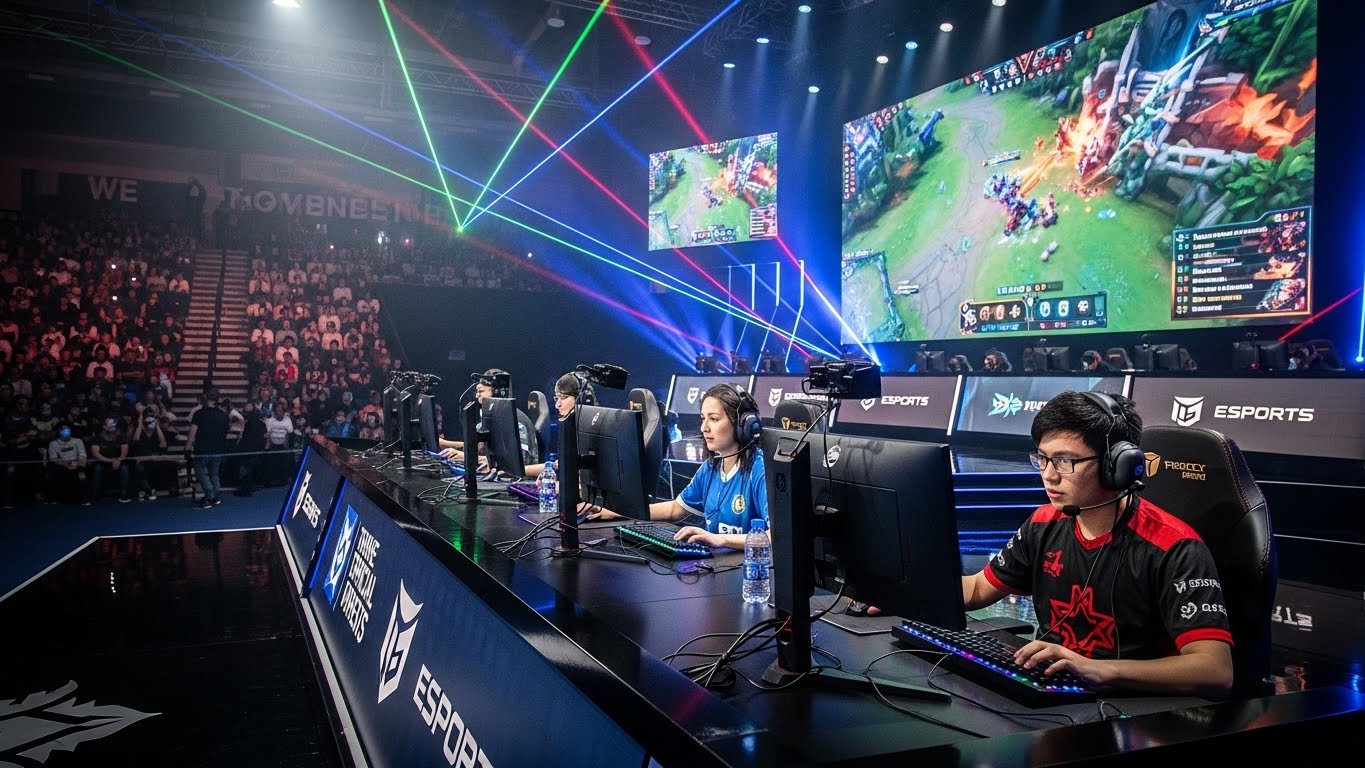
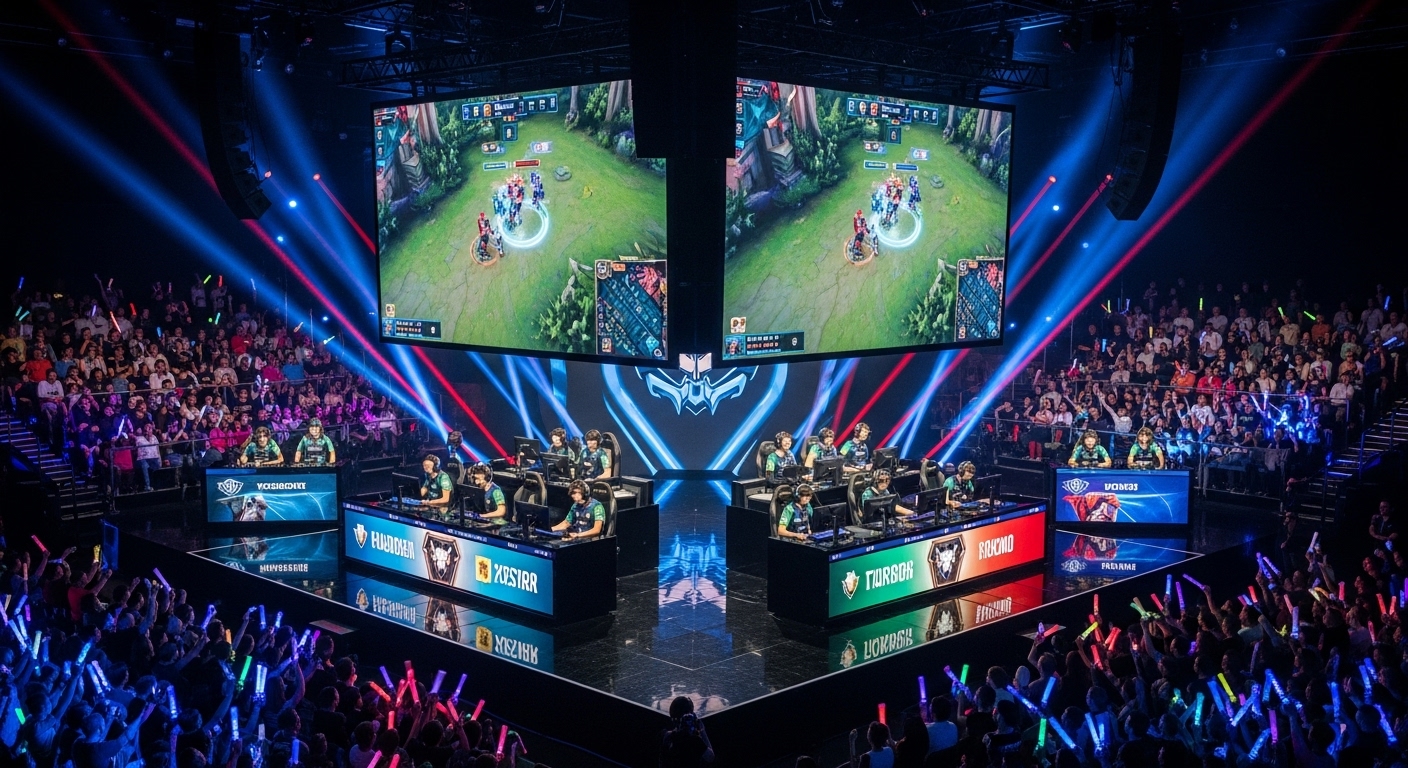
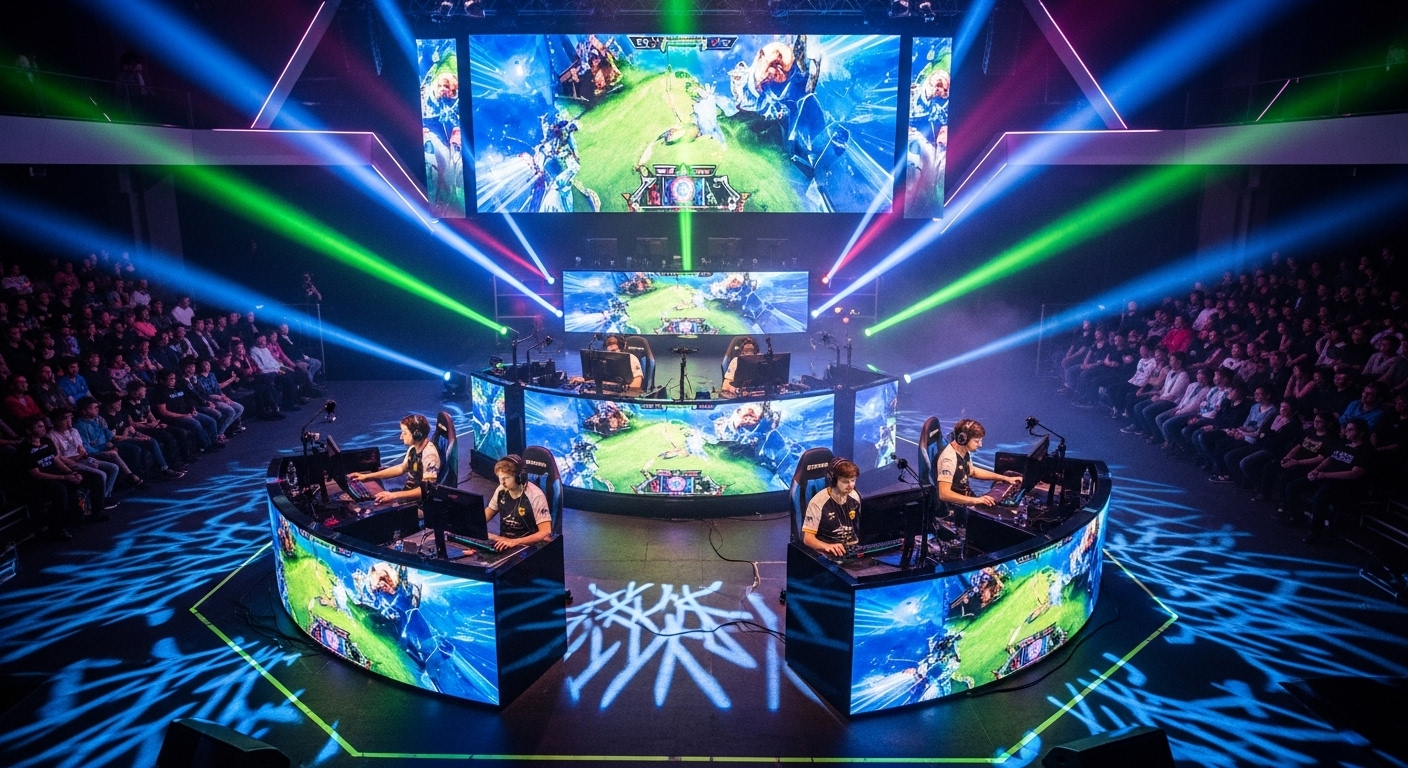
Today, esports is highly professionalized. Teams hire coaches, analysts, and support staff to maximize performance. Players train for hours every day, focusing on strategy, communication, and reaction time. Major tournaments, such as the League of Legends World Championship or Dota 2’s The International, fill arenas and attract millions of online viewers. The level of dedication and skill rivals that of traditional athletes, proving that esports is more than just a game—it’s a serious competitive sport.
Economic Impact
The financial growth of esports has been staggering. Beyond tournament prizes, the industry generates revenue from sponsorships, merchandise, and media deals. Global brands now invest in esports to reach younger audiences, further boosting the industry’s legitimacy. This growth has created numerous career opportunities, from professional players and coaches to event organizers and content creators, making esports a viable profession for many.
Cultural Significance
Esports has developed a vibrant global culture. Fans connect through live streaming, social media, and online communities, sharing excitement, strategies, and fandom. Esports also promotes inclusivity, offering opportunities for players of all backgrounds and abilities to compete on the world stage. The industry has created a sense of belonging and identity for millions of players and spectators alike.
Challenges Facing Esports
Despite its success, esports faces several challenges. Player burnout, mental health concerns, and inconsistent regulations are ongoing issues. Additionally, the rapid pace of technological change and evolving game trends require constant adaptation. Addressing these challenges is essential for the long-term sustainability of esports and its recognition as a legitimate sport.
Conclusion: The Future of Esports
Esports is more than just a form of entertainment—it represents the future of competitive culture. From grassroots tournaments to international spectacles, it has proven that gaming can unite people, generate economic opportunities, and inspire passion worldwide. As technology advances and the industry continues to grow, esports is poised to become an even more influential force in shaping modern sports and digital culture.