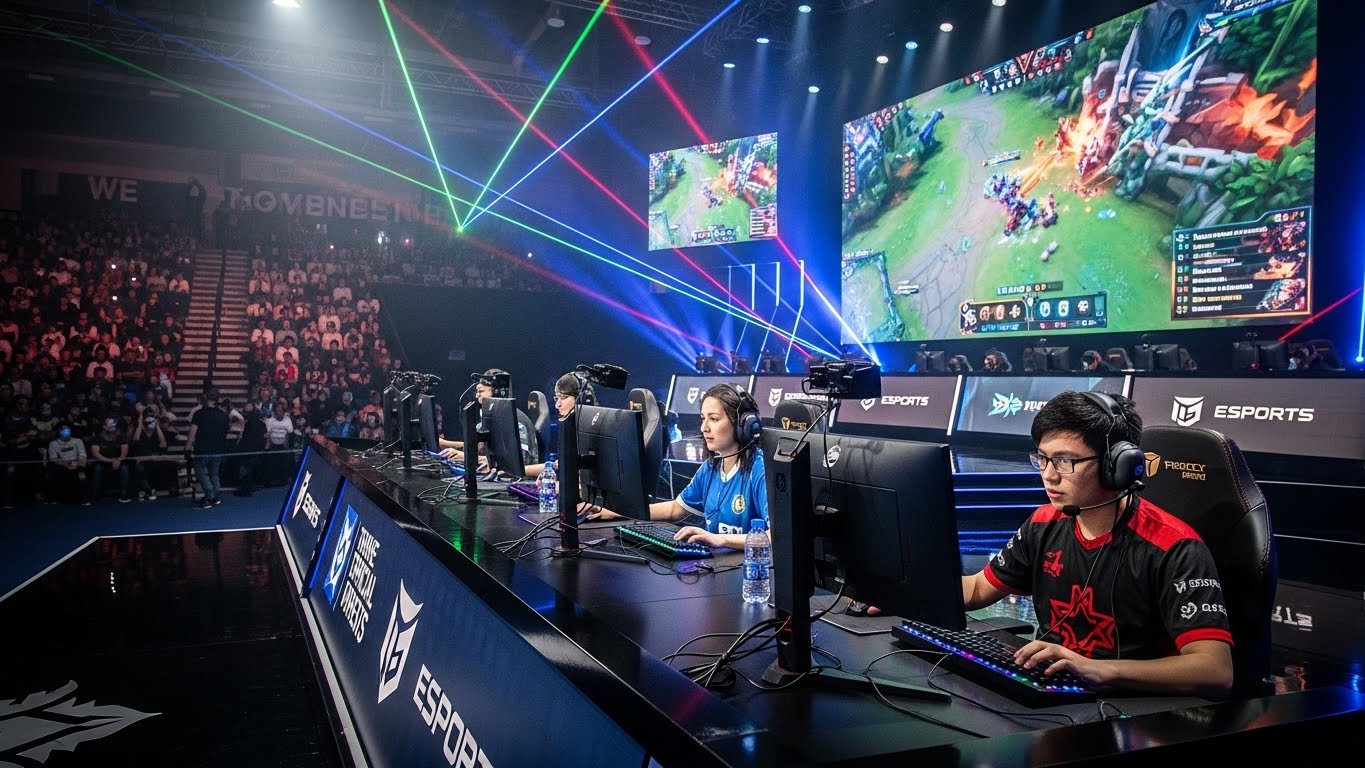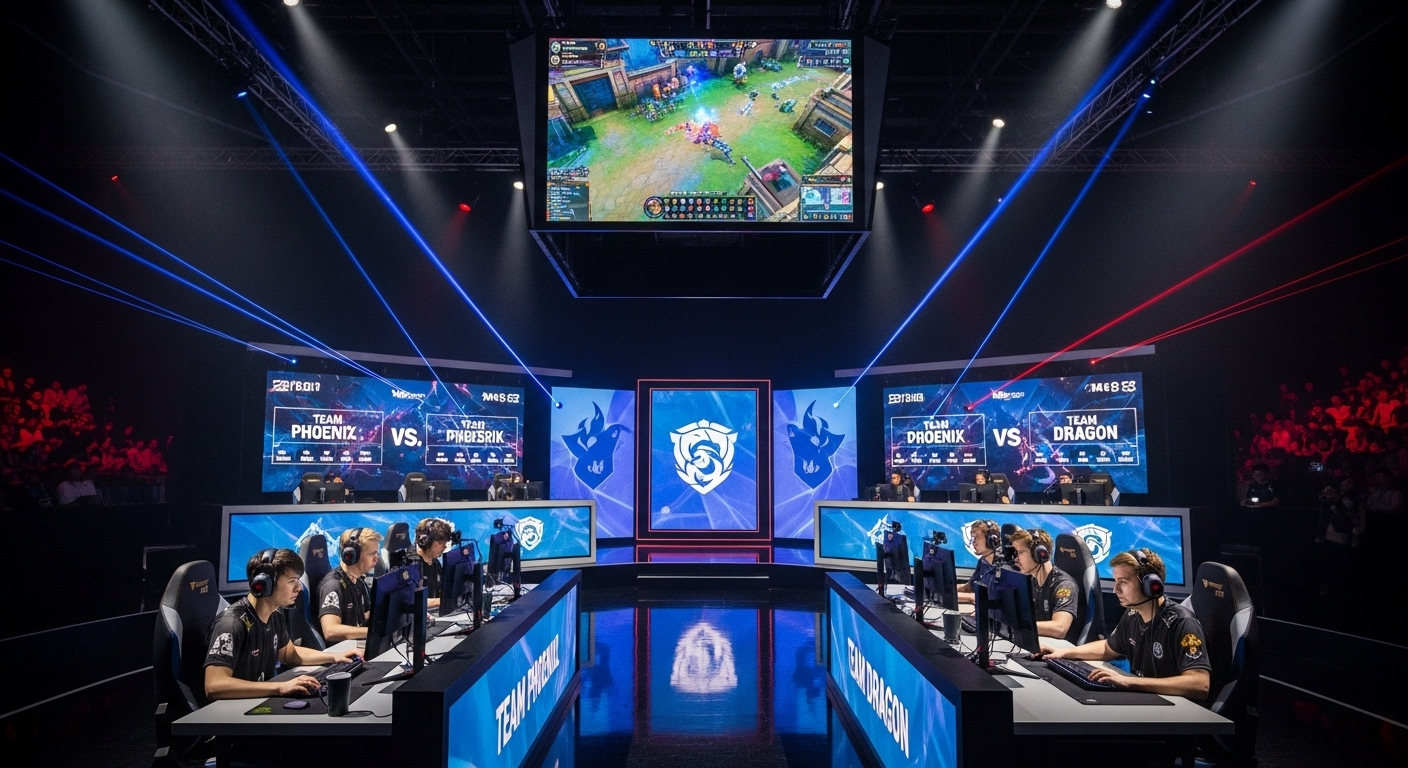
Esports has evolved far beyond its origins as competitive gaming. What started as a niche interest shared among passionate players has now become a global industry worth billions of dollars, captivating audiences around the world. But beyond the flashing lights, roaring crowds, and million-dollar tournaments, many esports players have shown a remarkable commitment to making a difference in their communities. Whether through charity streams, youth mentorship programs, or social initiatives, esports professionals are increasingly using their platforms to give back and inspire positive change.
This blog explores the many ways esports players contribute to society, highlighting their efforts to uplift others and build a legacy that extends far beyond gaming.
The Power of Influence in Esports
In the digital age, influence is one of the most powerful tools for social impact. Esports players, with their massive fanbases and online presence, have the ability to reach millions with a single post or stream. Many top players recognize this power and choose to channel it toward meaningful causes.
For instance, professional gamers often use their streaming platforms to host charity events, raising funds for global and local issues ranging from disaster relief to health research. These events not only generate significant donations but also bring awareness to causes that may otherwise go unnoticed.
Unlike traditional sports stars who rely on television interviews or brand sponsorships to communicate, esports players interact directly with their fans in real time. This direct connection fosters authenticity and allows fans to see the genuine passion these players have for giving back. The result is a community that not only watches but participates in acts of kindness and generosity.
Charity Streams and Fundraising Campaigns
One of the most common and effective ways esports players give back is through charity livestreams. Platforms such as Twitch and YouTube Gaming have become hotspots for fundraising events where streamers and players dedicate a portion of their streaming hours to raising money for good causes.
Charity streams often feature challenges, special game modes, or community tournaments to keep viewers entertained while contributing. Many players donate portions of their tournament winnings or share profits from in-game purchases, merchandise sales, or exclusive events.
These efforts are not small-scale. In many cases, charity streams have raised millions of dollars for hospitals, children’s organizations, and mental health charities. The esports community’s ability to mobilize and raise funds quickly reflects the unity and compassion that exists beyond the competitive arena.
Supporting Mental Health Initiatives
Mental health has long been a topic of concern in the gaming world. The pressures of professional competition, long hours of practice, and public scrutiny can take a toll on even the most seasoned players. Recognizing this, many esports professionals have become advocates for mental health awareness and support.
Some players share their personal experiences with stress, burnout, or anxiety to help destigmatize mental health discussions in gaming. Others collaborate with nonprofits to fund counseling services, establish wellness programs, or provide resources for young gamers who may be struggling.
By opening up about their own challenges, these players not only help others but also reshape the culture of esports into one that values well-being as much as performance. The message is clear: taking care of mental health is as important as mastering in-game skills.
Mentoring the Next Generation of Gamers
Another powerful way esports players give back is by mentoring aspiring professionals. Many established players dedicate time to teaching new gamers about the industry—offering tips on improving gameplay, maintaining a healthy balance, and handling the business side of esports.
Some players start their own training camps or join organizations focused on developing young talent. They understand that their success has paved the way for future players, and they feel a sense of duty to guide those who come after them.
Mentorship in esports is not just about teaching game mechanics—it’s about fostering discipline, teamwork, and sportsmanship. These lessons go beyond gaming and can help shape responsible, community-minded individuals.
Donating Equipment and Resources
Access to proper equipment can be a barrier for many aspiring gamers. Recognizing this, some esports players donate gaming PCs, peripherals, and other resources to schools, youth centers, or underprivileged communities.
These donations help provide opportunities for young people who might not otherwise have access to competitive gaming. Beyond hardware, players sometimes collaborate with brands or esports organizations to establish gaming clubs or scholarships, allowing students to pursue gaming as both a hobby and a potential career path.
This kind of giving back ensures that the next generation of esports players comes from diverse backgrounds and experiences, enriching the competitive landscape.
Community Building and Local Engagement
While esports is global, many players also focus on local initiatives. They engage with their hometowns by sponsoring community events, visiting schools, and organizing charity tournaments. These actions show fans that success doesn’t mean losing touch with one’s roots.
Local engagement also fosters stronger ties between esports and traditional community values. When young fans see their gaming heroes returning home to support local causes or mentor neighborhood youth, it helps redefine what it means to be a role model.
Environmental and Social Causes
Some esports players extend their giving to environmental and social issues. From promoting eco-friendly gaming setups to supporting disaster relief efforts, these initiatives demonstrate how gaming communities can contribute to a sustainable future.
For instance, esports organizations have partnered with conservation groups to plant trees for every match won or to reduce carbon footprints from large-scale events. Players amplify these efforts by encouraging fans to take part, creating a ripple effect that combines entertainment with environmental action.
Social responsibility also extends to inclusivity and diversity in gaming. Players use their platforms to speak out against discrimination and advocate for equality across gender, race, and identity lines. By doing so, they make the esports environment more welcoming for everyone.
Philanthropic Partnerships
Many professional players and teams collaborate with charitable organizations to create lasting impact. Partnerships allow for structured, sustained efforts rather than one-time donations.
For example, some esports teams establish foundations that focus on specific causes, such as education or child welfare. Players often serve as ambassadors or board members, lending their voices and influence to drive change. These partnerships transform goodwill into organized, measurable outcomes that can benefit communities for years.
Philanthropy in esports has matured significantly in recent years. It’s no longer just about individual acts of kindness; it’s about creating systems that enable continuous giving and community development.
The Role of Fans in Giving Back
The generosity of esports players is often amplified by their fans. In many cases, fundraising events rely heavily on viewer participation, whether through donations, purchases, or spreading awareness. This dynamic creates a collaborative culture where players and fans unite to make a difference.
When fans see their favorite players advocating for causes, they feel inspired to contribute too. The sense of shared purpose strengthens the bond between players and their communities, turning gaming into a collective force for good.
This symbiotic relationship is one of the most beautiful aspects of esports philanthropy—it transforms entertainment into empowerment.
Corporate and Organizational Support
Esports teams and sponsors also play a major role in enabling players to give back. Many organizations encourage their athletes to participate in social initiatives and provide platforms or financial support for charitable activities.
Corporate partnerships can amplify the impact of these efforts by combining the influence of esports players with the resources of major brands. When brands, teams, and players work together for a cause, the results are often far-reaching and long-lasting.
Through these collaborations, esports becomes a bridge between entertainment and activism, showing that success and compassion can coexist.
How Giving Back Strengthens the Esports Community
The act of giving back does more than just help communities—it strengthens the entire esports ecosystem. Players who engage in philanthropy foster goodwill and elevate the public perception of gaming. Instead of being seen as just digital competitors, they become ambassadors of positivity and progress.
Moreover, charitable work brings the community closer together. Fans, players, and organizations unite under shared values, creating a sense of belonging that goes beyond fandom. This interconnectedness ensures that esports remains not only profitable but also purposeful.
Giving back also encourages personal growth for players. It reminds them of the importance of gratitude and humility, grounding them amid the fame and pressure of professional gaming.
Challenges in Balancing Competition and Community Work
Despite their passion for helping others, many esports players face challenges in balancing community work with their professional commitments. Competitive gaming demands rigorous practice schedules, travel, and constant mental focus.
However, many players manage to find creative ways to integrate philanthropy into their daily routines—whether through short charity streams, partnerships, or using social media to spread awareness. This adaptability shows how deeply rooted the desire to give back has become in the esports culture.
The Future of Giving in Esports
As esports continues to grow, so will the opportunities for players to make a difference. With the industry’s increasing visibility and resources, players are likely to establish more foundations, host global charity tournaments, and advocate for global causes.
Technology will play a major role in expanding these efforts. From blockchain-based donations to interactive charity events in virtual spaces, the possibilities are endless. What’s certain is that giving back will remain an integral part of the esports identity.
In the future, we may even see esports leagues dedicated entirely to charity, where teams compete not just for glory but to raise funds for humanitarian causes. Such initiatives could redefine how the world views competitive gaming.
Conclusion
Esports players are proving that gaming can be about more than competition—it can be a catalyst for positive change. Through charity streams, mentorship, donations, and advocacy, these players are uplifting communities and inspiring millions to do the same.
Their actions show that success in esports is not just measured by trophies or earnings but by the impact one makes off the screen. As the industry continues to evolve, the giving spirit of its players ensures that the future of gaming will be not only competitive but compassionate.
In every act of kindness, every dollar raised, and every young gamer inspired, the heart of esports beats stronger—reminding the world that even in a digital arena, humanity remains the ultimate victory.