Introduction: When Games Became More Than Play
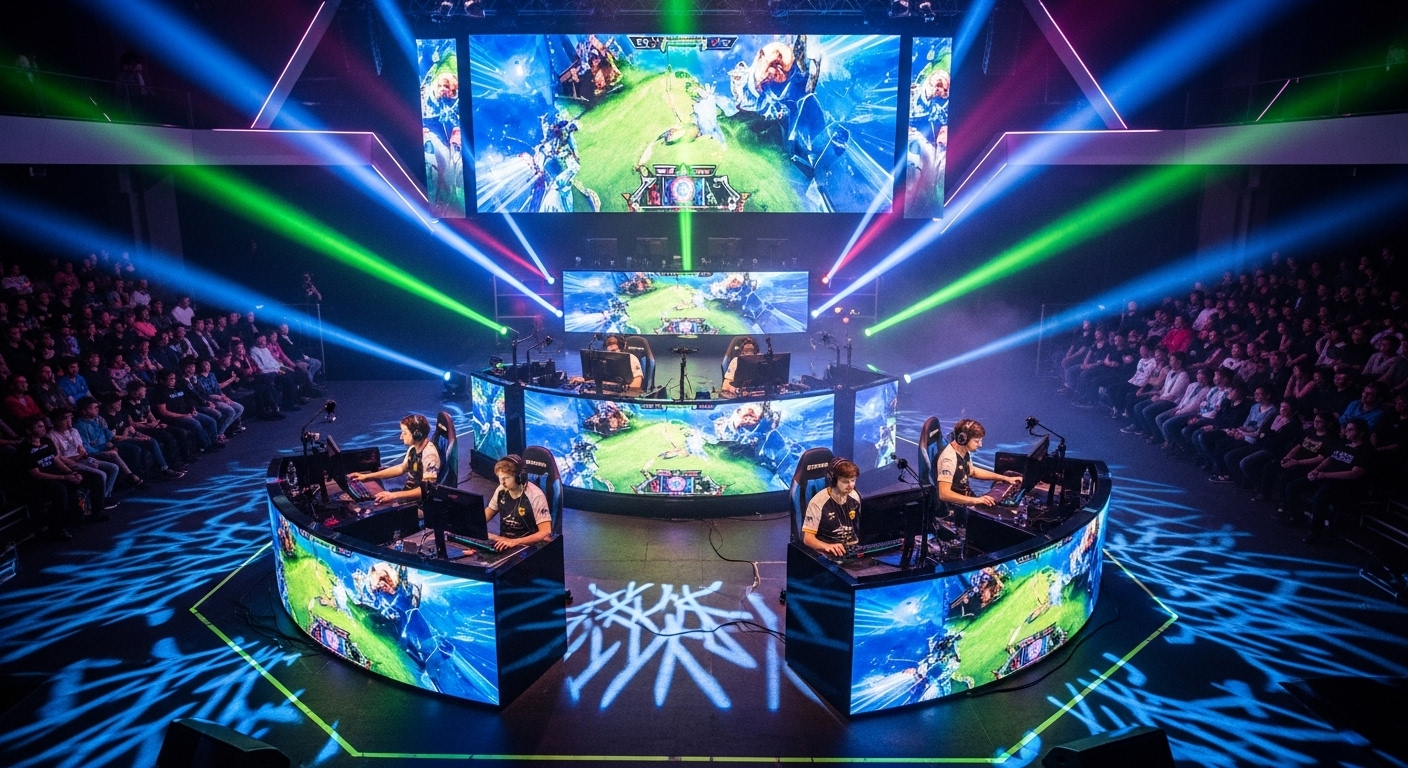
Not long ago, competitive gaming was seen as a hobby tucked away in bedrooms and internet cafés. Today, esports has evolved into a global phenomenon that fills stadiums, attracts millions of viewers, and builds careers that rival traditional sports. Esports is no longer just about playing games well; it is about performance, strategy, storytelling, and community. This transformation reflects a broader cultural shift in how entertainment, competition, and technology intersect in the modern world.
Understanding Esports: More Than Just Video Games
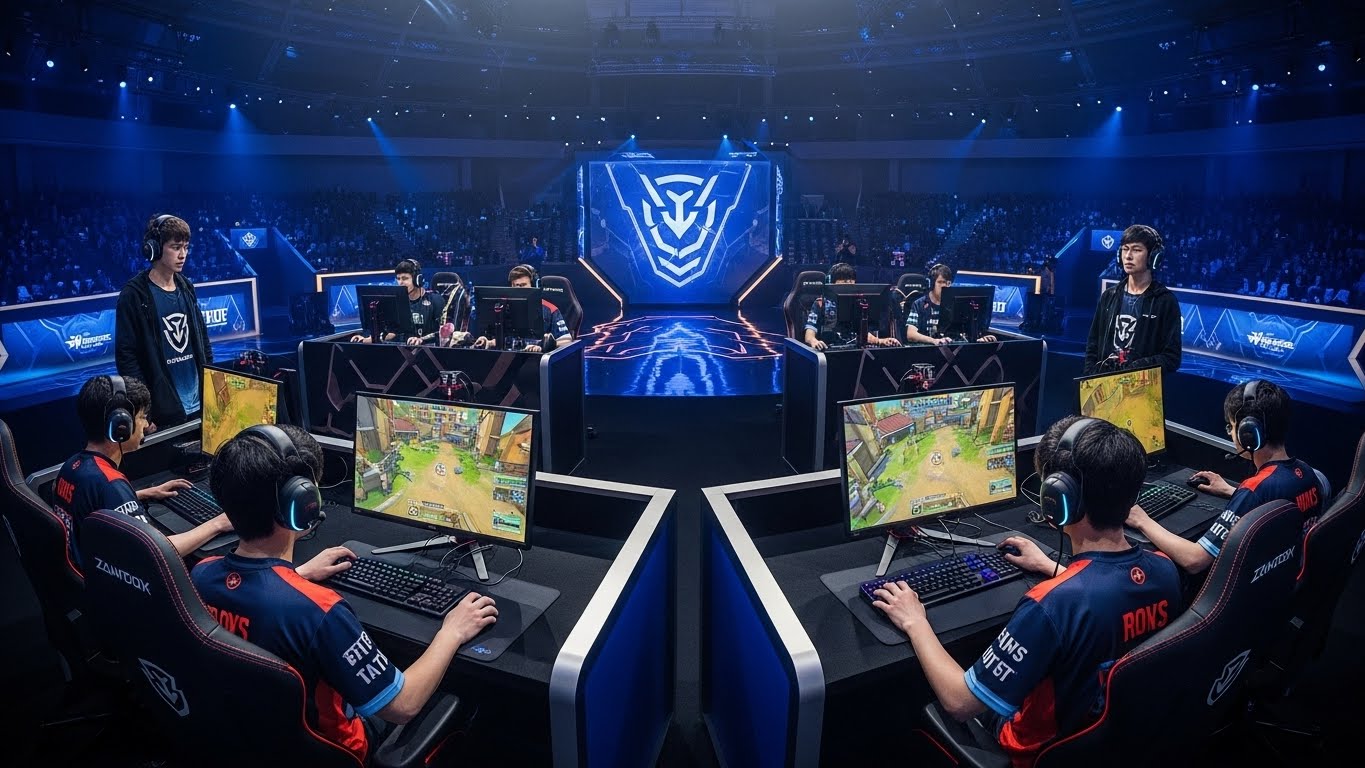
Esports, short for electronic sports, refers to organized competitive gaming where professional players or teams compete in popular video games under structured rules and formats. Unlike casual gaming, esports emphasizes high-level skill, rigorous practice, coaching, and tournament play. Titles span multiple genres, including strategy, shooters, sports simulations, and battle arenas. What unites them is competition at the highest level, often watched by large audiences both online and in physical arenas.
The Early Days: From LAN Parties to Professional Leagues
The roots of esports can be traced back to the early days of multiplayer gaming, when players gathered at local events to compete against one another. These early competitions were small, community-driven, and fueled by passion rather than profit. Over time, improvements in internet connectivity allowed competitions to move online, expanding the player base and audience. As viewership grew, sponsors, organizers, and publishers began to recognize the potential of esports as a professional industry.
The Role of Technology in Esports Growth
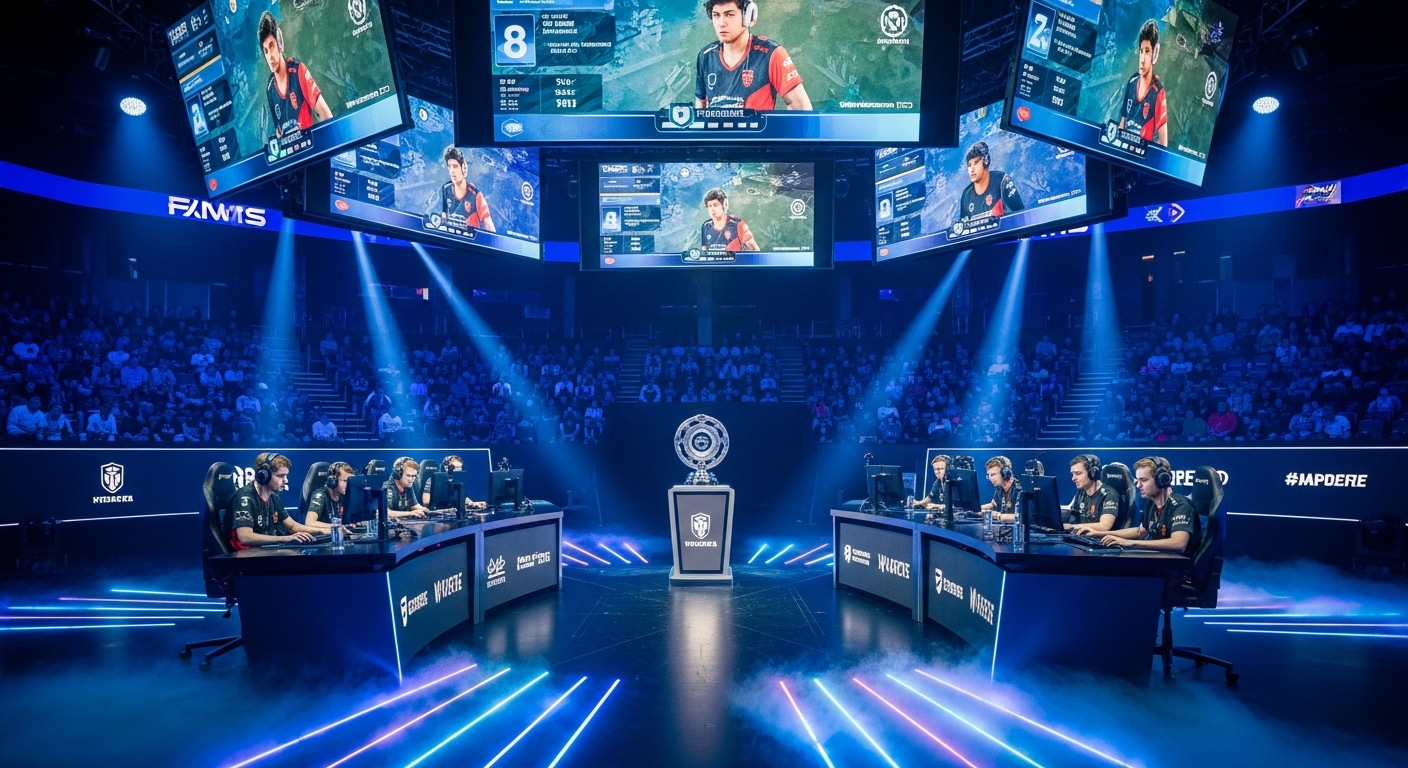
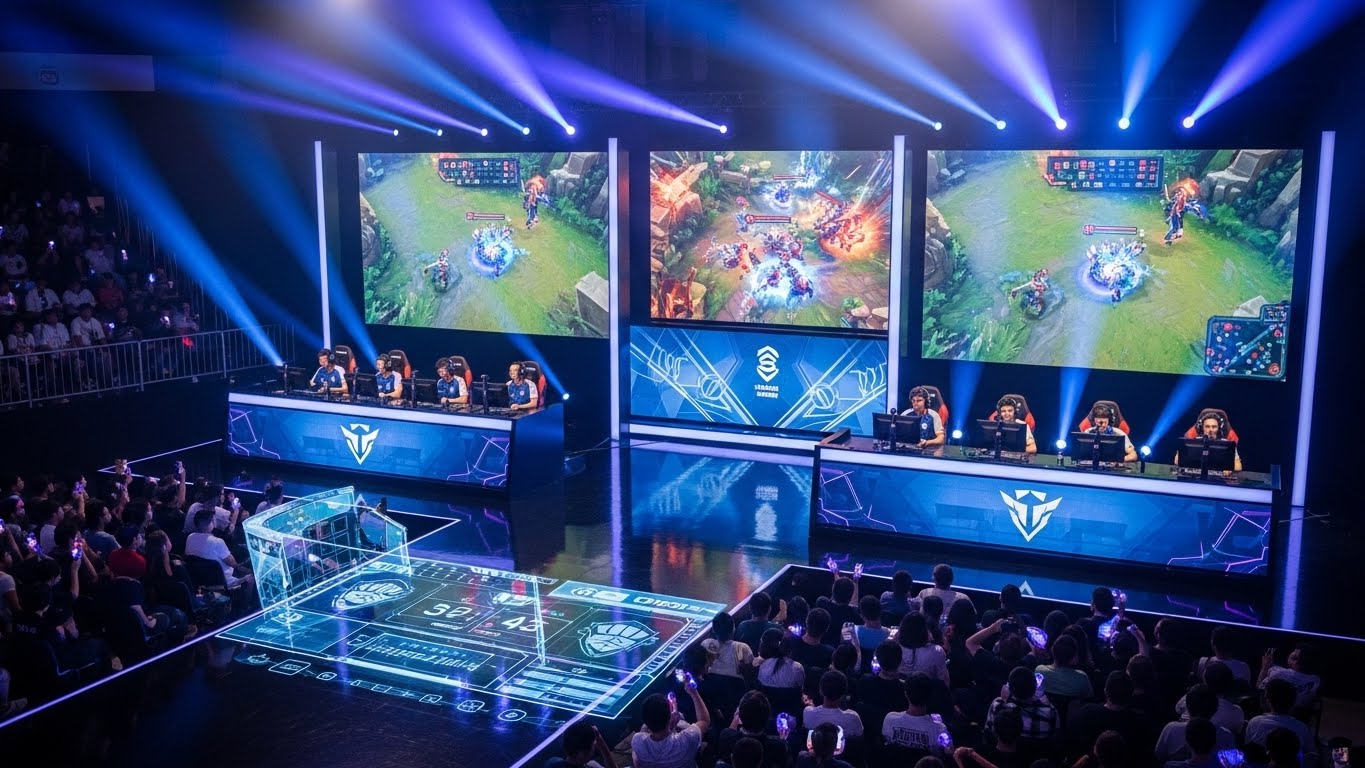
Technology has been the backbone of esports expansion. High-speed internet, powerful gaming hardware, and advanced streaming platforms have made it possible for millions to watch competitions in real time. Spectators can follow matches from different camera angles, listen to expert commentary, and interact with fellow fans. These technological tools have transformed esports into an immersive experience, blurring the line between player and viewer.
Esports Athletes: Training, Discipline, and Performance
Professional esports players are often misunderstood as simply talented gamers. In reality, they follow demanding schedules that include daily practice, strategic analysis, physical exercise, and mental conditioning. Reaction time, hand-eye coordination, and decision-making under pressure are critical skills. Teams employ coaches, analysts, and support staff to help players refine strategies and maintain peak performance. The discipline required mirrors that of traditional athletes, even though the arena is digital.
The Business of Esports: An Emerging Industry
Esports has grown into a complex ecosystem involving teams, leagues, sponsors, media companies, and event organizers. Revenue streams include sponsorships, advertising, merchandise, ticket sales, and media rights. Brands outside the gaming world have entered the space, recognizing esports audiences as young, engaged, and global. This commercial growth has brought professionalism and stability, but it has also introduced challenges related to sustainability and fair competition.
Global Reach and Cultural Impact
One of esports’ most remarkable qualities is its global nature. Players from different countries compete on equal footing, united by shared rules and digital platforms. International tournaments showcase cultural diversity while fostering a sense of global community. Esports has also influenced fashion, music, and language, shaping youth culture in subtle but powerful ways. For many fans, esports is not just entertainment but a key part of their identity.
Esports and Traditional Sports: A New Relationship
Rather than replacing traditional sports, esports has developed alongside them. Many sports organizations and athletes have invested in esports teams or leagues, recognizing the overlap in fan engagement and competitive spirit. Esports borrows elements from traditional sports, such as league structures and broadcasting styles, while also introducing innovations like interactive viewing. This relationship highlights how competition can evolve without losing its core appeal.
Education and Career Opportunities in Esports
As esports has matured, it has opened doors to a wide range of career paths beyond playing. Opportunities exist in coaching, event management, broadcasting, marketing, game design, and data analysis. Educational institutions have begun offering programs related to esports management and production. These developments demonstrate that esports is not a fleeting trend but a field with long-term professional potential.
Challenges Facing the Esports Ecosystem
Despite its growth, esports faces several challenges. Player burnout is a serious concern due to intense schedules and high expectations. Issues such as fair play, cheating, and governance require constant attention. Additionally, maintaining financial stability for smaller teams and tournaments remains difficult. Addressing these challenges is essential for ensuring the long-term health and credibility of the industry.
The Social Side of Esports Communities
Esports thrives on community. Fans gather online and offline to discuss matches, support teams, and share experiences. These communities provide a sense of belonging, especially for individuals who may not connect with traditional sports. Streaming and social interaction allow fans to feel closer to players, creating personal connections that deepen engagement and loyalty.
Esports as a Spectator Experience
Watching esports is designed to be exciting and accessible. Professional commentators explain strategies, highlight key moments, and build narratives around rivalries and comebacks. Visual effects and dynamic camera work enhance the viewing experience. For spectators, esports offers fast-paced action combined with strategic depth, making it engaging even for those who do not play the games themselves.
The Future of Esports: Innovation and Expansion
Looking ahead, esports is poised to continue evolving. Advances in technology may introduce new forms of competition and viewing experiences. Greater inclusion, improved player welfare, and stronger governance structures will shape the next phase of growth. As esports integrates further into mainstream culture, it will continue to redefine what competition and entertainment can look like in the digital age.
Conclusion: A Digital Arena with Real-World Impact
Esports represents more than a new way to play games; it is a reflection of how society adapts to technological change. By combining competition, community, and creativity, esports has built a powerful cultural force that resonates across borders. From humble beginnings to global stages, esports shows that passion and skill can transform pixels into powerhouses. As the industry matures, its influence on entertainment, culture, and careers will only continue to grow.