Introduction
In a world where technology evolves faster than ever, one entertainment revolution has surged ahead with unstoppable momentum—esports. Once dismissed as a niche pastime for gamers, competitive video gaming has exploded into a global phenomenon, captivating millions of fans and generating billions in revenue. Esports is not merely about playing games; it is a cultural movement that has redefined competition, community, and entertainment in the twenty-first century.
The rise of esports mirrors humanity’s transition into a digital era. With professional players, international tournaments, massive audiences, and lucrative sponsorships, esports has earned its place alongside traditional sports. Its growth tells a remarkable story about how passion, innovation, and technology can combine to create something extraordinary.
The Origins of Competitive Gaming
The roots of esports stretch back further than most people realize. The first recorded gaming competition occurred in 1972 at Stanford University, where students competed in the game Spacewar. The grand prize was a one-year subscription to a science magazine, but what truly mattered was the birth of digital competition.
By the 1980s, video games had taken the world by storm. Arcade cabinets filled malls and entertainment centers, and titles like Pac-Man and Donkey Kong became household names. Players began competing for the highest scores, and local tournaments were born. These early events planted the seeds of esports, fostering the competitive spirit that would later fuel a global industry.
As home consoles and personal computers grew popular, gaming shifted from public arcades to living rooms and LAN parties. Multiplayer titles like Quake, StarCraft, and Counter-Strike gave rise to organized competitions. Players connected their computers locally to battle one another, creating the social and competitive foundation that esports would later build upon.
The Internet Revolution and the Rise of Online Tournaments
The dawn of broadband internet in the early 2000s marked a turning point. No longer limited by geography, gamers could challenge opponents from across the world. Online communities began to thrive, and with them came organized tournaments hosted on emerging platforms.
Games like Warcraft III, Counter-Strike 1.6, and Halo created dedicated fanbases. Forums and chat servers buzzed with strategy discussions, highlight clips, and player rivalries. This era gave birth to the first generation of esports stars—players whose skills and personalities drew loyal followings.
Companies recognized this growing enthusiasm. Online ladders and ranking systems appeared, providing structure to competition. Early esports organizations such as SK Gaming and Team Liquid began forming, laying the groundwork for modern professional teams. The dream of making a career from gaming was no longer far-fetched—it was becoming possible.
The Age of Streaming and Global Accessibility
Esports truly came of age with the rise of live streaming. Platforms that allowed fans to watch matches in real time changed everything. Instead of reading about results, viewers could now experience the thrill of competition from home. This accessibility transformed gaming from a solitary activity into a shared global spectacle.
Twitch, YouTube Gaming, and similar services provided the perfect stage for professional tournaments. Games such as League of Legends, Dota 2, and Counter-Strike: Global Offensive became international sensations. Prize pools soared into the millions, and championship events filled massive arenas.
Streaming also created new kinds of stars. Professional players and casual streamers alike could attract vast audiences, building communities that revolved around entertainment, education, and shared enthusiasm. Esports was no longer confined to the hardcore gaming world—it had entered mainstream culture.
The Professionalization of Esports
As the industry expanded, it began to mirror traditional sports in structure and professionalism. Teams hired coaches, managers, analysts, and nutritionists to help players reach their full potential. Training facilities equipped with the latest hardware and ergonomic setups became common.
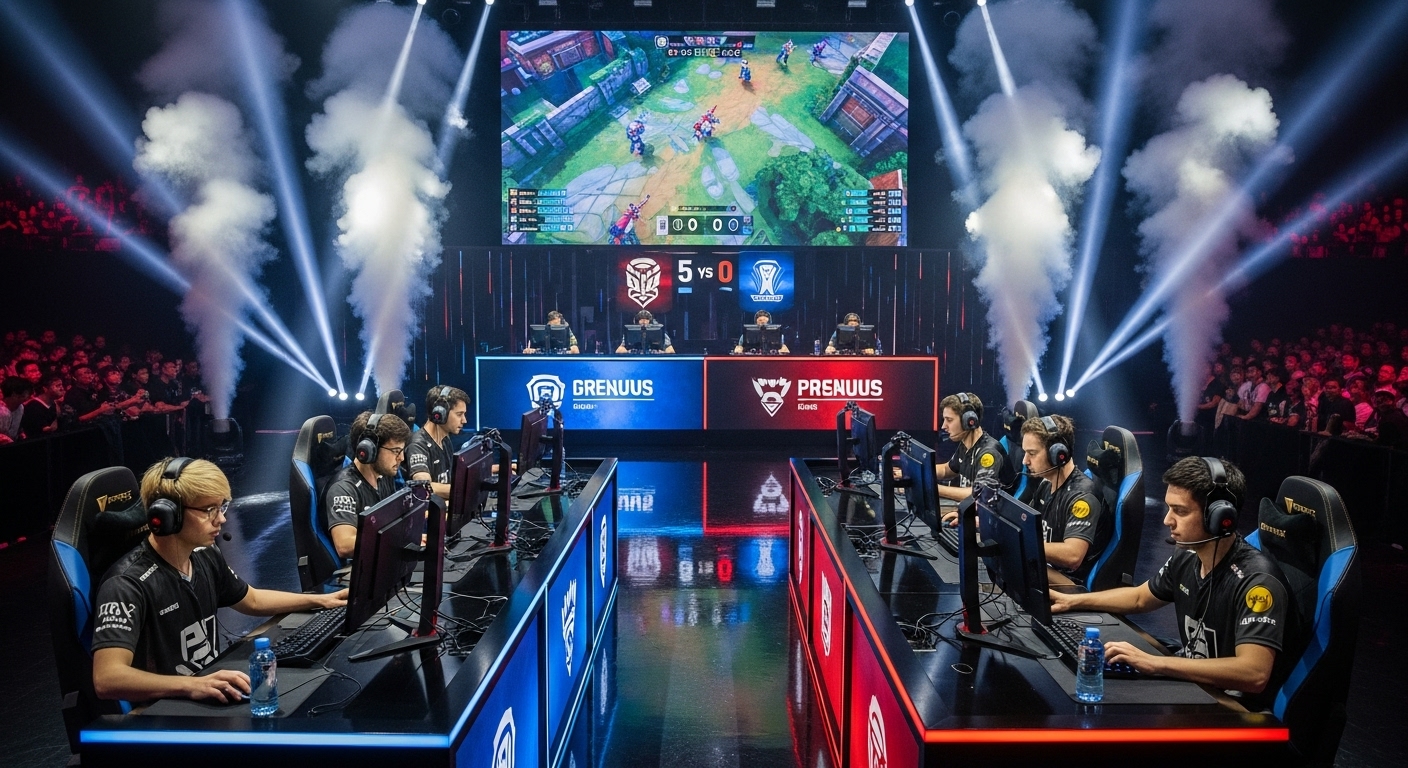
Major developers and organizations launched franchised leagues to bring consistency to competition. The Overwatch League and the League of Legends Championship Series introduced city-based teams, local fanbases, and seasonal structures. These developments gave esports legitimacy and stability, drawing attention from investors and sponsors around the world.
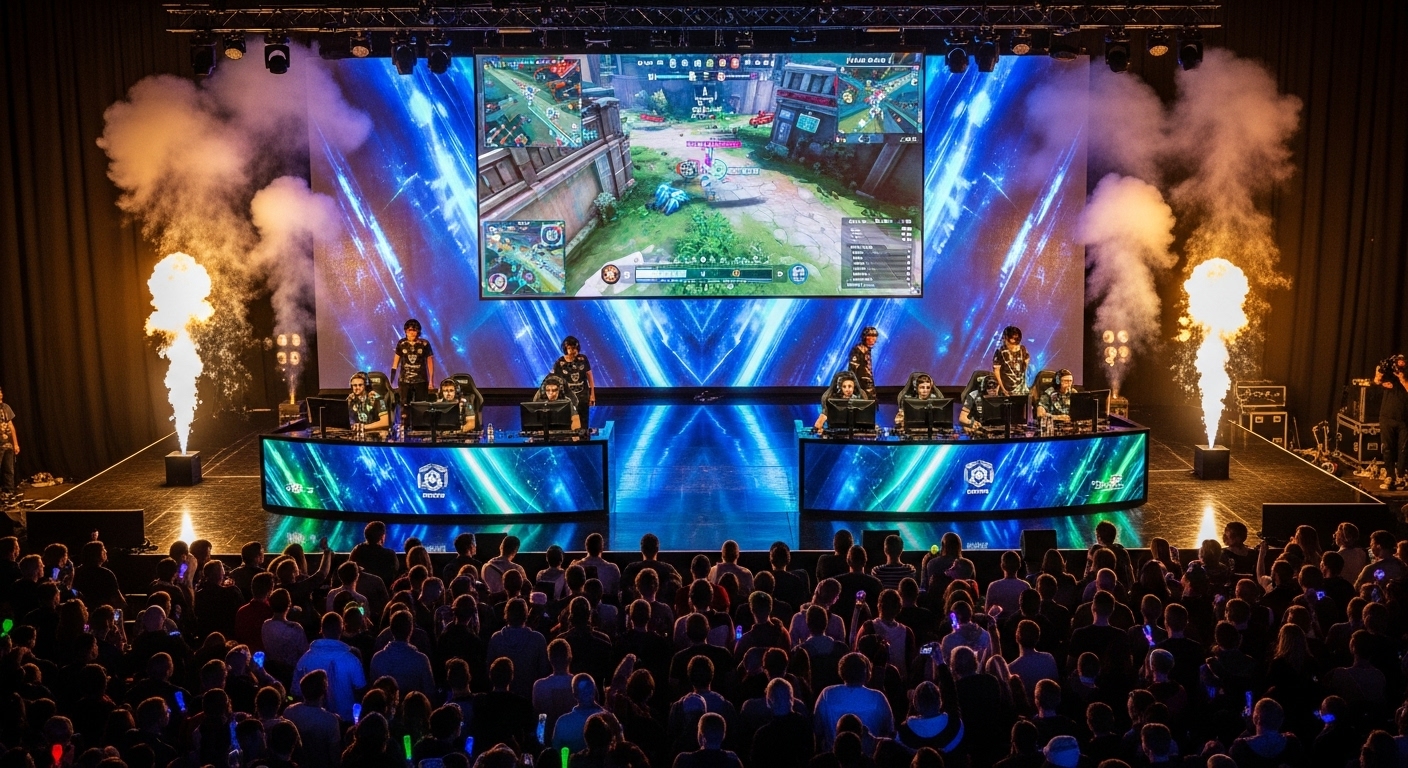
With millions watching live broadcasts and attending in-person events, esports turned into a media powerhouse. Production quality improved dramatically, featuring commentators, replays, and cinematic storytelling that rivaled traditional sports broadcasts. The industry was no longer a subculture—it was a new form of mainstream entertainment.
The Global Appeal of Esports
One of esports’ greatest strengths lies in its global inclusivity. Traditional sports often require physical presence or national infrastructure, but esports transcends borders. A player in South Korea can compete against someone in Brazil or the United States with only a stable internet connection.
Asian countries, particularly South Korea and China, were among the first to embrace esports as a professional career path. In South Korea, games like StarCraft became national obsessions, with players achieving celebrity status. Stadiums filled with fans cheering for their favorite teams long before esports gained recognition elsewhere.
Europe and North America soon followed, with universities, sponsors, and even government agencies supporting esports initiatives. Emerging regions like Southeast Asia, the Middle East, and Africa have begun building thriving esports ecosystems, further expanding the global reach of competitive gaming.
The Esports Economy
Behind every match and highlight reel lies a complex economic machine. Esports generates revenue through sponsorships, advertising, merchandise, event tickets, and digital content. Top organizations operate as multi-million-dollar businesses, employing not just players but also media teams, marketing departments, and creative professionals.
Brands have recognized the marketing power of esports. With audiences composed primarily of tech-savvy young people, esports offers a direct connection to one of the most valuable demographics. Sponsorship deals with major companies from technology, automotive, beverage, and apparel industries have become standard.
Prize pools have grown exponentially. Events like The International for Dota 2 boast tens of millions in rewards, often crowdfunded by passionate fans. These massive figures symbolize how deeply audiences are invested in the success of their favorite games and players.
The Human Element: Players and Their Journey
Behind every click, flick, and headshot are individuals who dedicate their lives to mastering their craft. Professional esports players train for countless hours each day, perfecting strategies and refining reflexes. Their dedication rivals that of any traditional athlete.
However, this lifestyle is not without challenges. The pressure to perform at the highest level, frequent travel, and the need for constant adaptation can lead to burnout. Many organizations now employ sports psychologists and wellness experts to ensure their players maintain a healthy balance.
Esports has also opened doors for players beyond competition. Retired professionals often transition into coaching, content creation, commentary, or management. The skills developed in esports—teamwork, critical thinking, leadership—translate into various industries, proving that gaming is more than just play.
Esports and Education
The rise of esports has influenced the education sector in surprising ways. Many universities now offer esports scholarships, treating gaming talent similarly to athletic ability. Academic programs focused on esports management, marketing, and event production have emerged, preparing students for careers in this growing industry.
Schools also recognize esports as a valuable extracurricular activity. It encourages teamwork, communication, and strategic thinking. For students who may not connect with traditional sports, esports offers a sense of belonging and competition.
Through education, esports is helping to shape the next generation of digital professionals. It is fostering innovation, creativity, and collaboration among young people who see gaming not just as entertainment, but as a viable career path.
The Role of Technology in Esports Advancement
Esports could not exist without technology, and every innovation pushes the boundaries of what’s possible. Faster internet speeds, powerful processors, and high-refresh-rate monitors have elevated gameplay to professional standards.
Artificial intelligence now plays a growing role in analyzing matches, providing insights into player performance and strategic trends. Virtual and augmented reality are poised to create new immersive competitive formats. Meanwhile, cloud gaming promises to make esports even more accessible, allowing players to compete on any device without expensive hardware.
Technology also enhances the viewing experience. Advanced production tools, instant replays, and interactive overlays give spectators more engagement and understanding. As technology continues to evolve, the line between player and audience will blur even further, transforming how people experience digital competition.
Esports Culture and Community
Beyond the bright lights of tournaments lies a vibrant and passionate community. Esports fans express their devotion through fan art, cosplay, online discussions, and local meetups. They are the lifeblood of the industry, driving its popularity and keeping its culture alive.
Community engagement is what sets esports apart from many traditional sports. Fans interact directly with players through social media and live chats, creating an unprecedented level of connection. This accessibility fosters loyalty and shared identity, making esports not just entertainment but a lifestyle.
The inclusivity of esports is another defining characteristic. Regardless of gender, nationality, or background, anyone can become a competitor or fan. This global unity is one of the most beautiful aspects of esports—a digital world where everyone has a place.
Challenges and Controversies
Despite its success, esports faces several challenges that must be addressed to ensure sustainable growth. Issues like match-fixing, cheating, and doping threaten the integrity of competition. Strict regulation and oversight are necessary to maintain fairness.
Player welfare is another concern. Many professionals begin their careers as teenagers and retire by their mid-twenties due to burnout. Establishing standardized contracts, health benefits, and career transition support is crucial.
Toxicity in online communities also poses problems, as negative behavior can alienate fans and players alike. Promoting positive conduct, inclusivity, and respect is essential to maintaining the integrity of the esports community.
The Future of Esports
The future of esports looks brighter than ever. With continued technological innovation, broader accessibility, and growing mainstream recognition, it is poised to reach even greater heights. Industry experts predict that esports could soon rival or even surpass traditional sports in global viewership and revenue.
Virtual reality and augmented reality will introduce entirely new genres of competitive gaming, merging physical movement with digital environments. Artificial intelligence may evolve into real-time strategic assistance or even new forms of interactive coaching.
Esports’ integration into mainstream entertainment will also deepen. Expect more collaborations with music, fashion, and film. Esports personalities will continue to cross over into pop culture, influencing trends and inspiring future generations.
Perhaps most importantly, esports will continue to connect people across borders. In an increasingly divided world, it serves as a reminder that shared passion can unite humanity in digital harmony.
Conclusion
Esports is more than a trend—it is a testament to how technology, creativity, and human ambition can merge to create something extraordinary. From small arcade gatherings to global stadium events, its journey reflects the evolution of modern entertainment.
It celebrates skill, strategy, and perseverance, proving that competition is not limited to physical arenas. The digital athlete of today embodies the same dedication and sportsmanship as any traditional competitor, only in a new and evolving form.
As we look to the future, one thing is certain: esports is here to stay. It continues to inspire millions, break barriers, and redefine what it means to play, compete, and connect. The digital arena has become the new frontier of human potential—and its story has only just begun.