Introduction
Over the last decade, esports has transformed from a niche pastime into one of the most influential entertainment industries in the world. What began as small-scale gaming competitions in cramped internet cafés has now exploded into massive global events drawing millions of spectators. Prize pools rival those of traditional sports, players have become celebrities, and gaming organizations have evolved into professional franchises. This blog post dives deep into the world of esports, exploring its rise, its cultural impact, the technology driving it, and why it continues to redefine modern entertainment.
The Origins of Esports
While competitive gaming feels like a modern concept, its roots stretch back to the early days of computer technology. In the 1970s, universities hosted friendly contests among students, testing their skills in simple games. The scene slowly grew as arcades became popular in the 1980s and home gaming systems emerged in the 1990s.
Real transformation came with the rise of the internet. Suddenly, players didn’t need to be in the same room to compete. Early online multiplayer games introduced the thrill of battling opponents across the world. By the 2000s, organized tournaments began forming, and game developers started designing titles specifically with competitive play in mind. Esports was no longer a playful distraction. It was becoming something bigger.
The Digital Stadium: How Streaming Changed Everything
If the internet lit the spark for esports, live-streaming platforms provided the fuel. The ability for players to broadcast their gameplay to global audiences revolutionized gaming culture. Fans could now watch skilled competitors in real time, learn their strategies, and connect with communities built around their favorite games.
Streaming also blurred the line between professional players and entertainers. Some gamers became famous not only for winning tournaments but for their personalities and interactions with fans. This new hybrid of performance and competition helped solidify esports as an entertainment category all its own.
Professionalization of Esports Teams
As esports grew, so did the seriousness of its teams and players. What used to be informal groups of friends competing for bragging rights is now a highly structured system resembling traditional sports franchises.
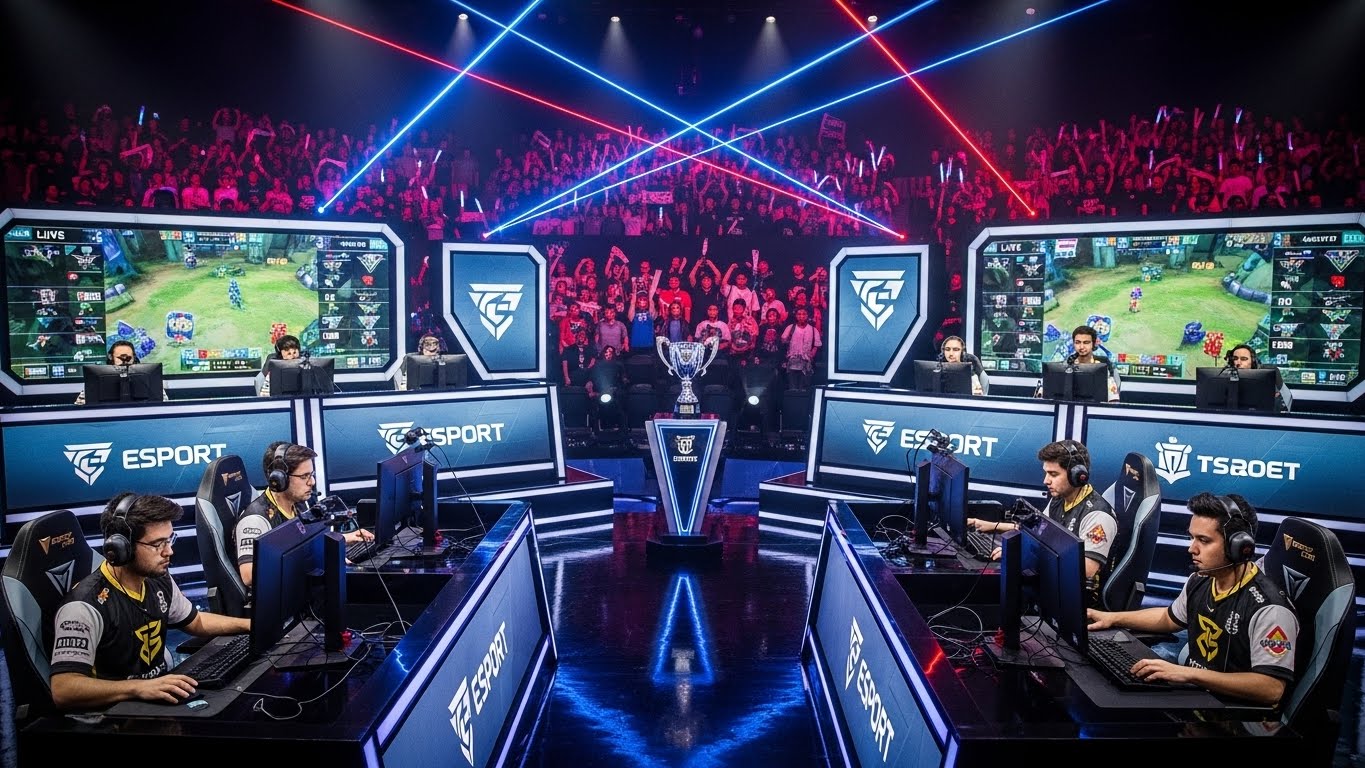
Professional organizations recruit top talent, provide housing, pay salaries, and offer access to coaches, trainers, and nutritionists. Many teams have analysts who study gameplay footage to identify patterns and weaknesses. All this structure is designed to ensure players perform at their absolute peak during tournaments.
This shift towards professionalism has made esports a viable career path. Young players now train for hours each day, refining their reflexes and mastering every detail of their chosen game. For many, esports is not a hobby. It is a full-time job.
The Games That Shaped the Competitive Landscape
Not every video game becomes an esport. Titles that achieve long-term competitive success share certain qualities: strategic depth, balanced gameplay, and strong community support.
Real-time strategy games once dominated the competitive scene, with intense focus on resource management and rapid-fire decisions. First-person shooters introduced fast-paced action requiring near-perfect reflexes. Multiplayer online battle arena games became the most influential category, blending teamwork, strategy, and mechanical skill. Fighting games carved out a passionate community built on precision and mind games. Sports simulations created tournaments mirroring real-world leagues.
Each genre brought something unique to the esports ecosystem. Together, they diversified the scene and allowed fans to engage with the style of play they enjoyed most.
Globalization of Esports and Cultural Impact
One of the most fascinating aspects of esports is its global nature. Unlike traditional sports that dominate specific parts of the world, esports has fans everywhere. Players from Asia, Europe, North America, and beyond compete in the same tournaments.
Many countries have embraced esports at a national level. Universities offer scholarships for competitive players. Government bodies recognize esports as legitimate sports. Training academies have opened, providing structured environments for young talent. Some countries even broadcast major esports events on television.
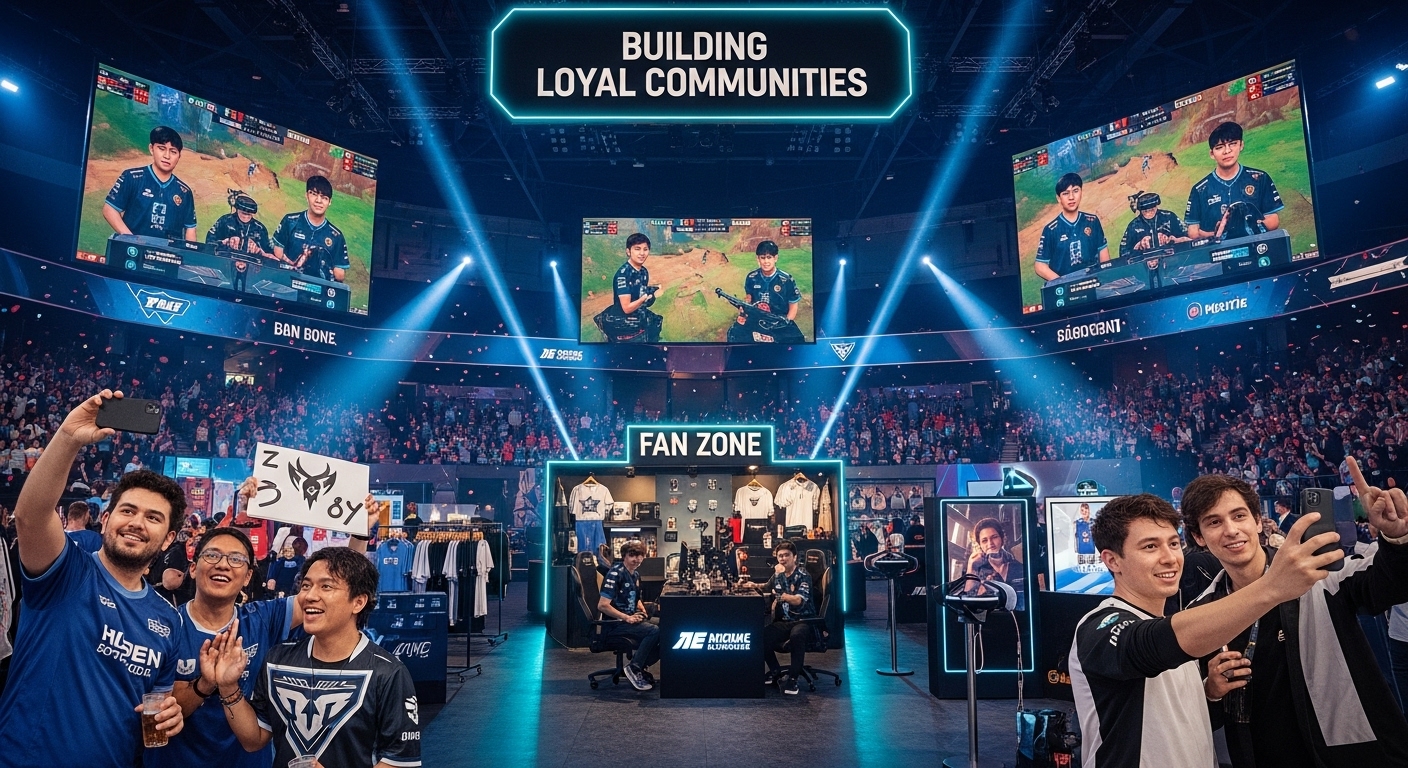
This global reach has also impacted modern culture. Gaming slang has entered everyday conversations. Merch from esports teams is worn like fashion statements. Young people aspire to become professional gamers, content creators, or analysts. The influence of esports extends far beyond the matches themselves.
Technological Innovations Driving Growth
Esports could never have reached its current scale without major advancements in technology. High-speed internet allowed international competition to flourish. Powerful gaming PCs and consoles made high-performance gameplay accessible to millions.
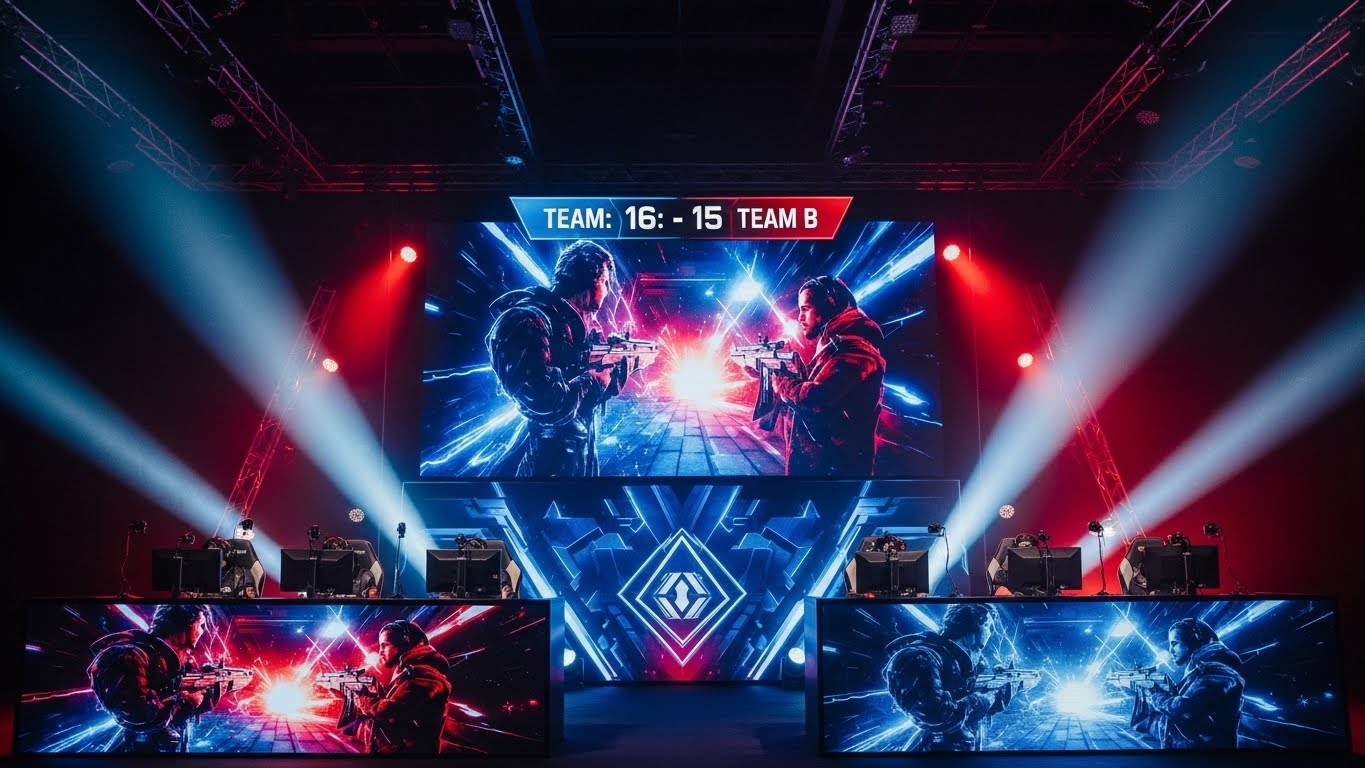
Broadcasting technology continues to improve, offering spectators cinematic angles, instant replays, and detailed statistics. Virtual reality is introducing new genres of competitive experiences. Artificial intelligence helps players train more effectively by simulating complex strategies and scenarios.
These innovations not only enhance the gaming experience for players but make esports events more immersive for spectators. Technology and esports evolve together, pushing each other to new heights.
The Economics of Esports
Esports is not just entertainment. It is big business. Revenue comes from sponsorships, advertising, ticket sales, merchandise, team branding, and massive live events.
Gaming companies play a crucial role by supporting competitive scenes for their games. Brands from outside the gaming industry, including technology companies, sports apparel manufacturers, and financial institutions, sponsor teams and tournaments. These partnerships bring legitimacy and financial stability.
What makes esports particularly appealing for investors is its young audience. Brands eager to connect with digital-native generations see esports as an ideal platform. The industry’s economic growth shows no signs of slowing.
Challenges Facing the Esports Industry
Despite its success, esports faces several challenges. Player burnout is a major concern, as professionals often train intensely, leaving little time for recovery. The pressure to maintain peak performance is immense, especially for younger competitors.
The issue of competitive integrity is also important. Organizers must maintain strict rules to prevent cheating, match-fixing, or unfair advantages.
Additionally, the rapidly changing nature of video games means that esports landscapes can shift quickly. A once-popular game can lose its audience, forcing players and organizations to adapt.
While these challenges are significant, ongoing efforts to provide better support for players and establish stronger regulations continue to strengthen the industry.
Esports and Traditional Sports: Rivals or Partners
For years, there was debate about whether esports should be considered a real sport. Today, that debate has largely faded. Traditional sports clubs have invested in esports teams. Stadiums once used only for physical sports now host major gaming tournaments.
The two worlds share many similarities: competition, teamwork, strategy, coaching, fan engagement, and massive global audiences. Instead of rivals, traditional sports and esports have become partners, each learning from the other.
The Future of Esports
The future of esports looks incredibly promising. As technology advances, gaming experiences will become richer and more immersive. Esports could expand into new genres, attract even larger audiences, and establish deeper roots in mainstream culture.
Virtual reality competitions may become more common. AI may be used to create personalized training programs. Future tournaments could blend real and virtual elements in ways we have not yet imagined.
As younger generations who grew up watching esports become adults, the industry’s influence will only deepen. What we are witnessing now is just the beginning.
Conclusion
Esports has risen from humble beginnings to become a global powerhouse of entertainment, technology, and culture. Its journey reflects the evolution of modern society, where digital experiences hold as much value as physical ones.
Whether you are a casual gamer, a hardcore competitor, or simply a curious observer, the world of esports has something to offer. It brings people together, celebrates skill and creativity, and pushes the limits of what competition can be.
The screen is no longer just a window into a game. It is a gateway to a global arena, where players rise, legends are made, and millions cheer for the thrill of victory.