Introduction: The Dawn of Competitive Gaming
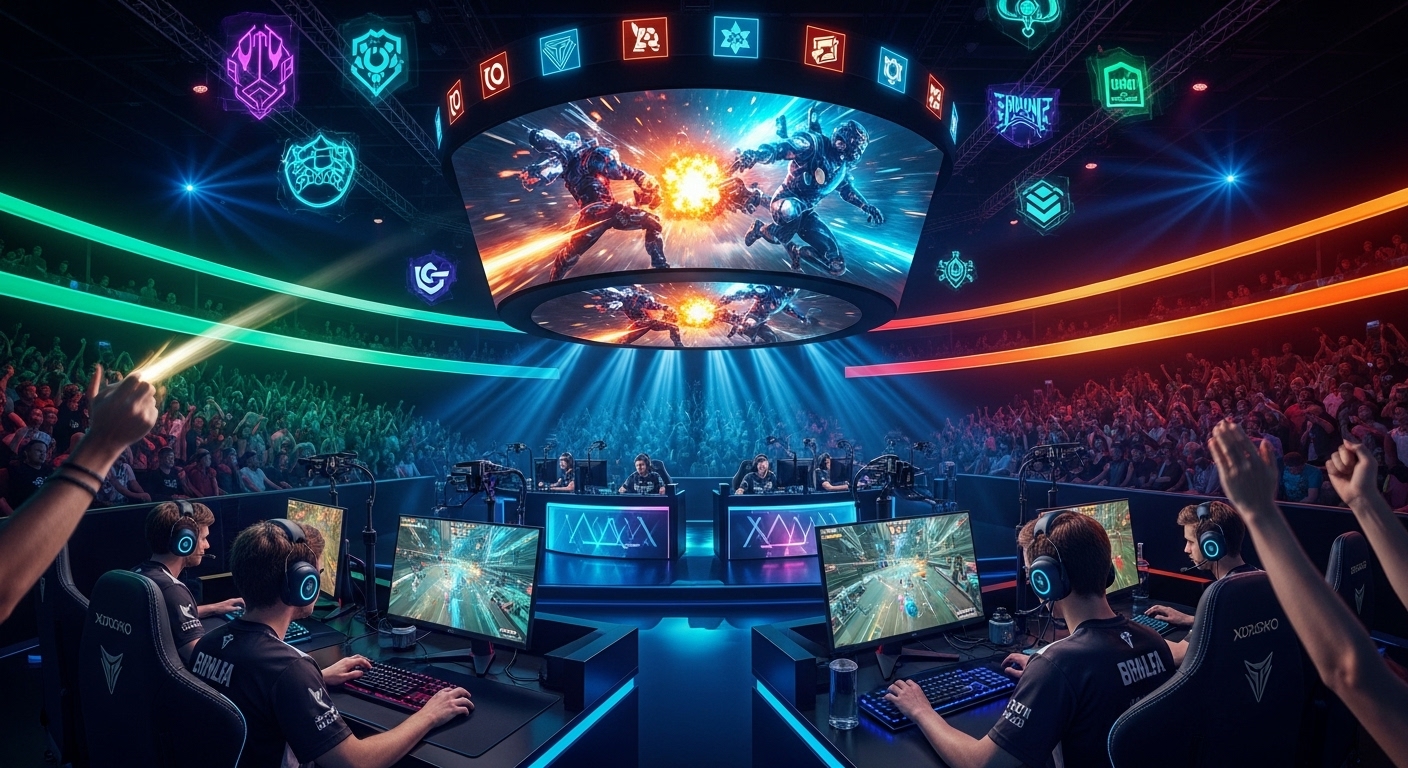
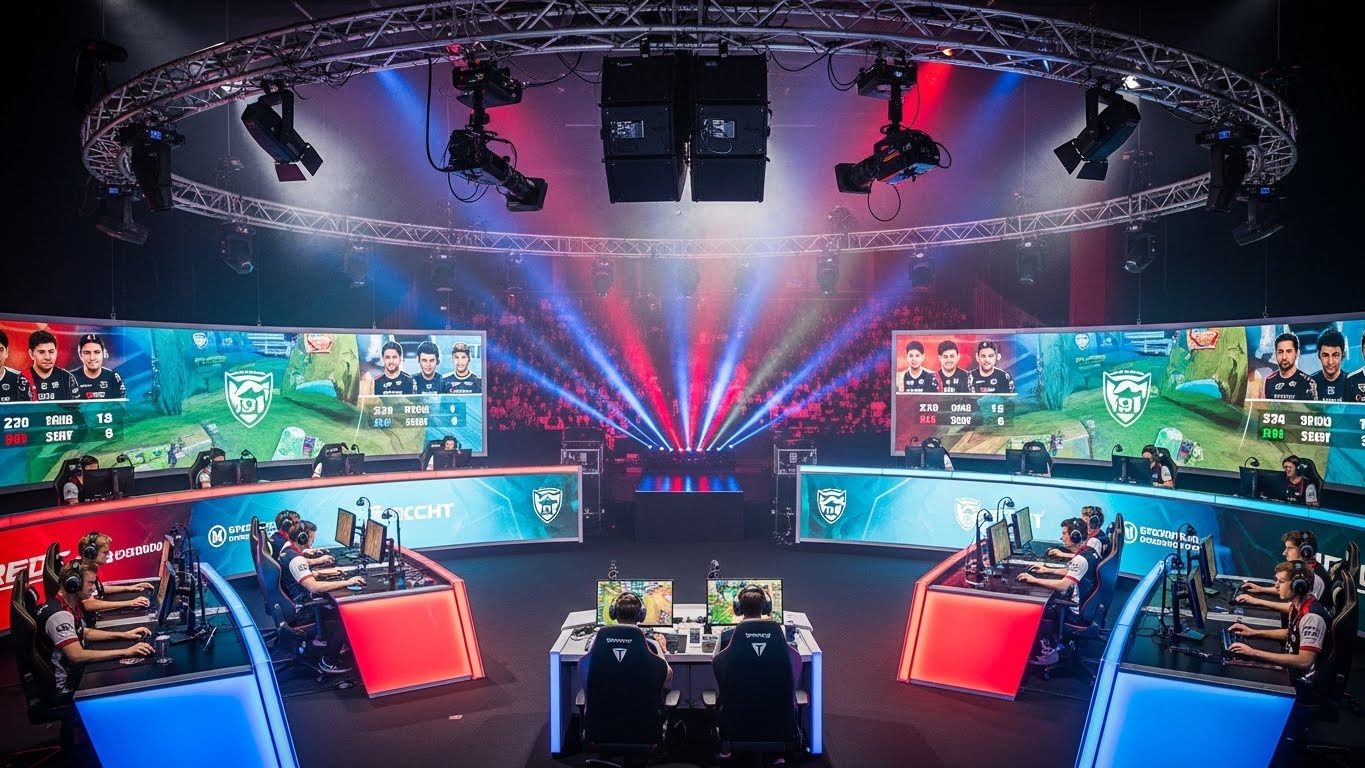
Esports, or electronic sports, has transformed from a niche hobby into a global phenomenon, capturing the attention of millions of players and viewers worldwide. What once was considered a pastime for enthusiasts sitting in basements is now a professionally organized industry with structured leagues, sponsorship deals, and multi-million-dollar tournaments. The growth of esports highlights how digital technology and interactive entertainment have merged to create new forms of competition and social engagement.
Unlike traditional sports, esports does not require physical prowess, yet it demands strategic thinking, hand-eye coordination, teamwork, and mental resilience. Competitive gamers spend countless hours honing their skills, often practicing as intensely as professional athletes. Esports has not only opened doors to professional careers for gamers but has also created opportunities in broadcasting, event management, coaching, and marketing.
The Evolution of Esports
The history of esports can be traced back to the 1970s and 1980s, when early video game competitions began to emerge. One of the first documented events took place in 1972, with a Spacewar competition hosted at Stanford University. However, the modern concept of esports began in the 1990s, fueled by the rise of PC gaming and networked multiplayer experiences. Games like StarCraft, Quake, and Counter-Strike became competitive staples, drawing attention from passionate communities around the globe.
As internet connectivity improved, online tournaments allowed players from different countries to compete, breaking down geographical barriers. By the 2000s, esports organizations started forming professional teams, and sponsorships began flowing into the scene. The introduction of streaming platforms in the 2010s, most notably Twitch, revolutionized the way fans could engage with esports. Viewers could watch live competitions, interact with players, and participate in online communities, propelling esports into mainstream entertainment.
Popular Esports Titles and Their Appeal
Today, the esports landscape features a diverse range of games, each catering to different types of players and audiences. Multiplayer online battle arena (MOBA) games like League of Legends and Dota 2 offer strategic, team-based gameplay that tests both coordination and tactical thinking. First-person shooters (FPS) such as Counter-Strike: Global Offensive, Valorant, and Call of Duty attract players who excel in fast reflexes and precise aiming. Real-time strategy (RTS) games challenge players to make quick decisions under pressure, while sports simulations like FIFA and NBA 2K bring familiar traditional sports into a digital arena.
Each game develops its own culture, fan base, and competitive ecosystem. The appeal lies not only in the gameplay itself but also in the personalities of players, the drama of tournaments, and the sense of community among fans. These games have turned players into celebrities, with millions following their favorite esports stars online.
The Economics of Esports
Esports is no longer just a hobby; it has evolved into a billion-dollar industry with a complex economic structure. Revenue streams include sponsorships, advertising, merchandise, ticket sales, and media rights. Major tournaments offer prize pools that reach into the tens of millions, reflecting the increasing investment in the industry. Corporate sponsors ranging from tech companies to beverage brands recognize the marketing potential of esports, targeting a demographic that is highly engaged and digitally active.
Moreover, esports has created employment opportunities beyond players. Coaches, analysts, content creators, event organizers, and broadcasters all contribute to the industry’s growth. Universities and schools are also offering esports scholarships, providing education and career pathways in a field previously thought unconventional.
The Global Reach of Esports
One of the most remarkable aspects of esports is its global reach. Unlike many traditional sports, esports can be played anywhere with a computer or console and a stable internet connection. This accessibility has led to a diverse player base, with top teams coming from countries across Asia, Europe, and North America. South Korea, in particular, has emerged as a hub for esports, with professional players achieving celebrity status and entire television networks dedicated to broadcasting competitions. China, the United States, and several European nations have also invested heavily in esports infrastructure, recognizing its potential as both entertainment and economic driver.
Esports tournaments often attract audiences in the millions, with live streams generating significant viewership comparable to major sporting events. International competitions, such as world championships, showcase the best talent and foster a sense of global community among fans.
The Role of Technology in Esports
Technology plays a central role in the development and popularity of esports. High-performance gaming computers, consoles, and peripherals allow players to maximize their potential, while streaming platforms enable real-time engagement with fans worldwide. Advances in graphics, artificial intelligence, and network infrastructure have also elevated gameplay, making competitions more immersive and accessible.
Beyond gameplay, data analytics has become essential for esports. Teams use statistical analysis to study opponents, optimize strategies, and track player performance. Virtual reality and augmented reality are beginning to offer new ways for spectators to experience tournaments, potentially revolutionizing how esports is consumed in the future.
Challenges Facing the Esports Industry
Despite its rapid growth, esports faces several challenges. The intense pressure on professional players can lead to mental health issues, including stress, burnout, and anxiety. Long hours of practice and competition take a toll on physical health, with repetitive strain injuries being common. Organizations and governing bodies are increasingly recognizing the need to provide support systems, including counseling and wellness programs.
Another challenge is the lack of standardization in regulations and competition rules. Unlike traditional sports, which have long-established governing bodies, esports is fragmented across multiple game titles, publishers, and leagues. This can lead to inconsistencies in rules, player contracts, and tournament formats. Additionally, the industry grapples with issues like cheating, match-fixing, and toxic behavior in online communities, which can threaten its credibility and long-term growth.
The Cultural Impact of Esports
Esports has had a profound cultural impact, influencing entertainment, media, and even education. Streaming personalities and professional gamers have become mainstream celebrities, shaping trends and inspiring young audiences. Gaming conventions, fan events, and cosplay activities celebrate the intersection of gaming and culture, creating vibrant communities around shared interests.
Esports has also challenged traditional notions of what constitutes a sport. While some skeptics argue that esports lacks physicality, proponents emphasize the skill, strategy, and dedication required to compete at the highest level. In many countries, esports is now recognized as a legitimate sport, with professional leagues, sponsorships, and government support contributing to its credibility.
The Future of Esports
The future of esports looks promising, with continued growth expected in both participation and viewership. Emerging technologies such as virtual reality, cloud gaming, and AI-driven coaching are likely to redefine competitive gaming experiences. Expansion into mobile esports is also gaining momentum, making competitive gaming accessible to an even broader audience.
Education and career opportunities in esports are expected to diversify, with programs in game design, marketing, event management, and sports psychology becoming more common. As esports continues to integrate with mainstream media, collaborations with entertainment, music, and fashion industries may further enhance its global appeal.
Moreover, the rise of virtual tournaments and cross-platform competitions suggests that esports will continue to break down barriers, allowing fans from all over the world to participate in ways that traditional sports cannot. This inclusivity and adaptability are key factors in esports’ long-term success and cultural relevance.
Conclusion: A New Era of Competition
Esports represents a new era of competition, where skill, strategy, and technology converge in ways unimaginable a few decades ago. From humble beginnings to a billion-dollar global industry, esports has redefined what it means to compete and connect in the digital age. Its impact extends beyond the gaming community, influencing media, culture, and education while opening doors for professional opportunities and global collaboration.
As technology evolves and audiences grow, esports will continue to push boundaries, offering immersive experiences that challenge traditional definitions of sport and entertainment. For players and fans alike, esports is more than a game—it is a dynamic arena where passion, skill, and innovation come together to shape the future of competition.