Introduction: From Living Rooms to Global Stadiums
In the past, competitive gaming was often dismissed as a casual hobby confined to bedrooms and living rooms. Today, esports has evolved into a global phenomenon that rivals traditional sports in viewership, revenue, and cultural impact. Millions of fans tune in daily to watch professional players compete at the highest level, while packed arenas roar with excitement during live tournaments. Esports is no longer just about playing games; it is about strategy, discipline, teamwork, and the pursuit of excellence in a digital arena.
The Evolution of Esports
The roots of esports can be traced back to early arcade competitions, where players competed for high scores and bragging rights. As home consoles and personal computers became more accessible, competitive gaming communities began to form. The rise of the internet accelerated this growth, allowing players from different parts of the world to compete in real time. Over the years, esports transformed from small community tournaments into professionally organized leagues with sponsors, coaches, analysts, and massive prize pools.
Popular Esports Genres and Games
Esports encompasses a wide variety of game genres, each requiring a unique skill set. Multiplayer online battle arena games emphasize teamwork, strategic planning, and quick decision-making. First-person shooters demand sharp reflexes, precision, and situational awareness. Real-time strategy games test a player’s ability to manage resources and think several steps ahead, while sports simulation games bridge the gap between traditional athletics and digital competition. This diversity allows esports to appeal to a broad audience with different interests and play styles.
The Professional Esports Player
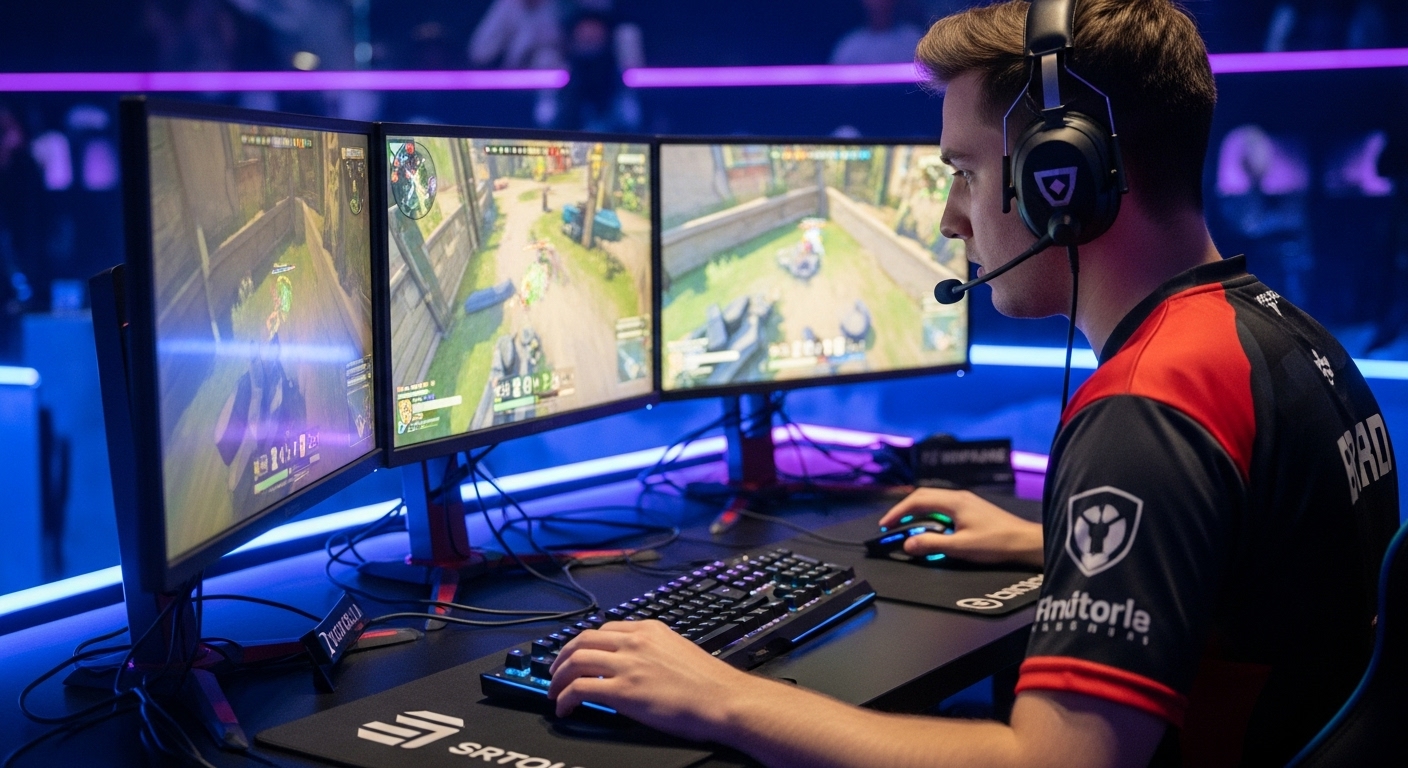
Becoming a professional esports player requires far more than casual gaming. Players often follow rigorous training schedules that include practice sessions, strategy discussions, physical exercise, and mental conditioning. Reaction time, hand-eye coordination, and game knowledge must be honed continuously. Many players also work with coaches and psychologists to manage stress and improve performance under pressure. The lifestyle is demanding, but for those who succeed, it offers recognition, financial rewards, and the chance to compete on the world stage.
Teamwork and Strategy in Esports
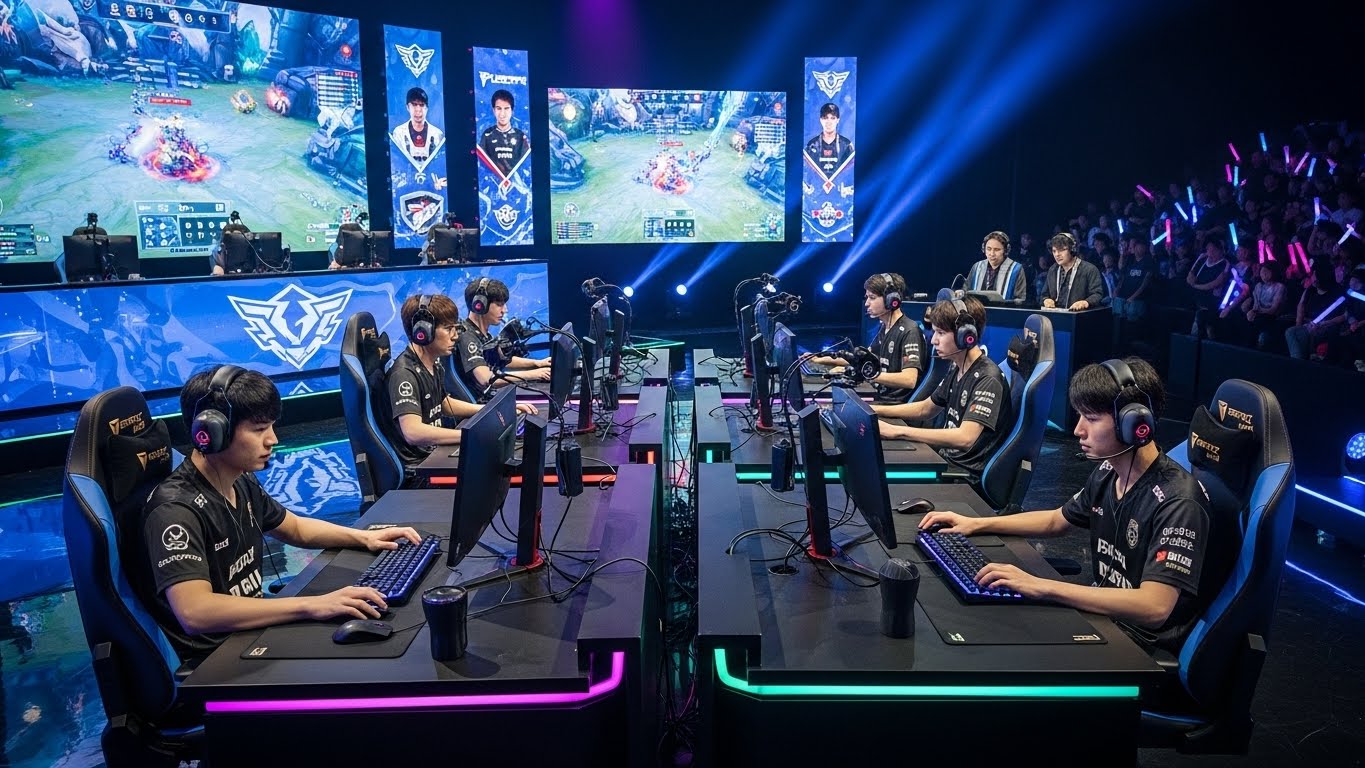
Contrary to the stereotype of gaming as a solitary activity, esports is deeply rooted in teamwork. Successful teams rely on strong communication, trust, and coordination. Each player typically has a specialized role that contributes to the overall strategy. Teams analyze opponents, review gameplay footage, and develop tactics tailored to specific matches. This strategic depth is one of the reasons esports is so engaging to watch, as fans can appreciate both mechanical skill and intelligent decision-making.
Esports Tournaments and Global Events
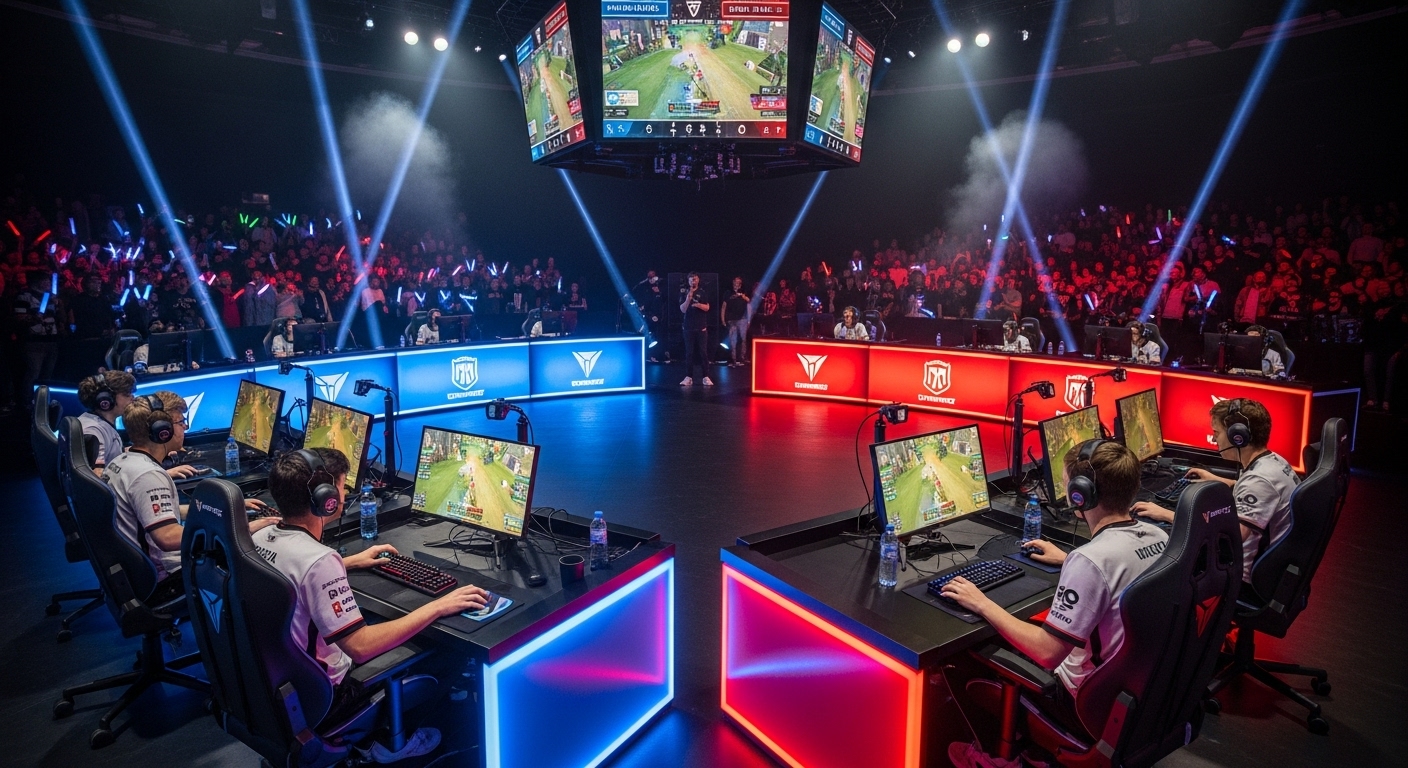
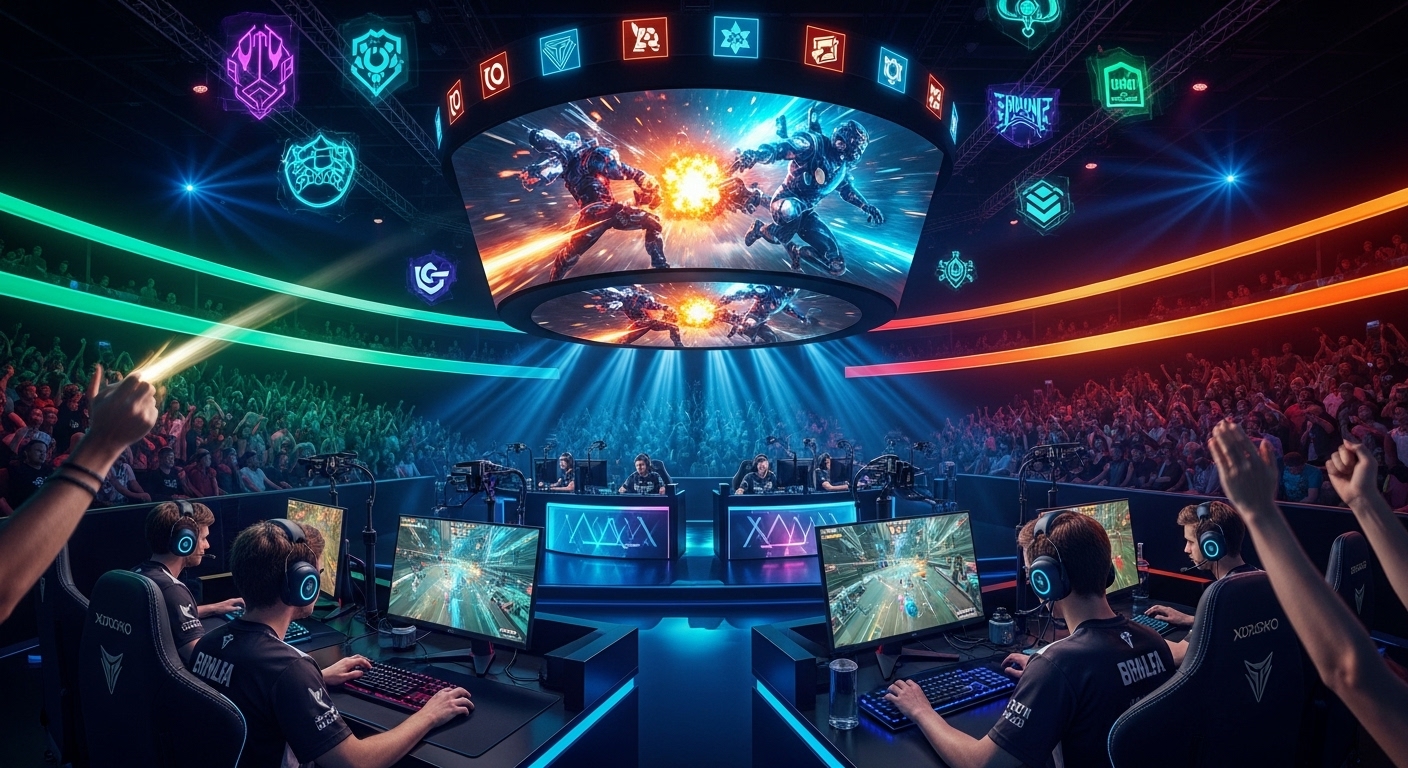
Major esports tournaments are spectacles that rival traditional sporting events in scale and excitement. These events often feature elaborate stage designs, live audiences, professional commentary, and high production value. Players travel internationally to compete, representing teams, organizations, and sometimes even their countries. Winning a major tournament can define a player’s career, while fans eagerly follow storylines of rivalry, redemption, and dominance.
The Business Side of Esports
Esports has grown into a multi-billion-dollar industry supported by sponsorships, advertising, merchandise, ticket sales, and media rights. Brands from technology, fashion, food, and even automotive sectors have entered the esports space to connect with younger, digitally savvy audiences. Professional organizations operate like traditional sports franchises, managing player contracts, marketing strategies, and long-term brand development. This commercial growth has helped legitimize esports as a sustainable career path.
Streaming and Content Creation
Streaming platforms have played a crucial role in the rise of esports. Fans can watch live matches, follow their favorite players, and engage with communities in real time. Many professional players and former competitors have become successful content creators, sharing gameplay, tutorials, and personal insights. This direct interaction between players and fans has created a unique ecosystem where entertainment, education, and competition coexist.
The Role of Technology in Esports
Advanced technology is at the heart of esports. High-performance hardware, fast internet connections, and sophisticated software ensure fair and smooth competition. Data analytics tools are increasingly used to analyze gameplay, track performance metrics, and refine strategies. Virtual reality and augmented reality are also beginning to influence how audiences experience esports, hinting at an even more immersive future.
Esports and Education
Educational institutions around the world are recognizing the potential of esports. Many schools and universities now offer esports programs, scholarships, and dedicated training facilities. These initiatives not only support competitive play but also teach valuable skills such as teamwork, leadership, problem-solving, and digital literacy. Esports education is helping bridge the gap between gaming culture and academic development.
Social Impact and Community Building
Esports has a powerful ability to bring people together across cultural and geographical boundaries. Online communities form around teams, games, and personalities, creating a sense of belonging for fans. Esports events often promote inclusivity and diversity, offering opportunities for players from different backgrounds to shine. Charity tournaments and community-driven initiatives further demonstrate the positive social impact of esports.
Challenges Facing the Esports Industry
Despite its rapid growth, esports faces several challenges. Player burnout is a significant concern due to intense training schedules and competitive pressure. Issues such as fair compensation, contract transparency, and career longevity are still being addressed. Additionally, maintaining competitive integrity and preventing cheating remain ongoing priorities. Addressing these challenges is essential for the long-term health of the industry.
The Future of Esports
The future of esports looks promising as technology continues to advance and global interest grows. New games and formats will emerge, expanding the competitive landscape. Increased collaboration between esports and traditional sports organizations is likely, further blurring the lines between physical and digital competition. As audiences grow and infrastructure improves, esports is poised to become an even more influential part of global entertainment.
Conclusion: A New Era of Competition
Esports represents a new era of competition where skill, strategy, and technology intersect. What began as a niche hobby has evolved into a cultural and economic force that continues to shape how people play, watch, and connect. As esports moves forward, it challenges traditional notions of sports and competition, proving that excellence can be achieved not only on physical fields but also in digital arenas. The rise of esports is not just a trend; it is a reflection of how modern society embraces innovation, community, and the limitless potential of human creativity.