Introduction: A New Era of Competition
Esports has undeniably become one of the most rapidly growing industries in the world. What was once seen as a niche activity for dedicated gamers has exploded into a global phenomenon, with millions of fans tuning in to watch live streams, attend massive tournaments, and support their favorite teams and players. Esports has redefined competition in the digital age, combining cutting-edge technology, intense gameplay, and a passionate global community. From its humble beginnings in arcade tournaments to its current status as a billion-dollar industry, esports is shaping the future of both entertainment and competition.
The Rise of Esports: From Casual Gaming to Global Phenomenon
The journey of esports began in the 1990s, when early games such as Street Fighter and Quake started gaining traction in competitive circles. However, it was not until the widespread availability of the internet that the competitive gaming scene truly began to take off. Online multiplayer games like Warcraft and StarCraft allowed players from different regions to face off, creating the foundation for what would become a global competitive gaming community.
The rise of streaming platforms like Twitch and YouTube also played a significant role in accelerating esports growth. By giving players and fans the ability to broadcast and watch tournaments live, these platforms helped create a sense of global community around competitive gaming. With the increasing popularity of games like League of Legends, Dota 2, Counter-Strike: Global Offensive, and Fortnite, esports began to attract millions of viewers and huge corporate sponsors.
As the years passed, the professionalization of esports took shape. Esports organizations began forming teams, hiring coaches, analysts, and even sports psychologists to ensure their players performed at the highest level. The growth of esports leagues, tournaments, and live events further fueled its rise. The industry has grown from a niche subculture to a mainstream spectacle, attracting the attention of investors, media outlets, and even traditional sports organizations.
The Professionalization of Esports: The New Digital Athlete
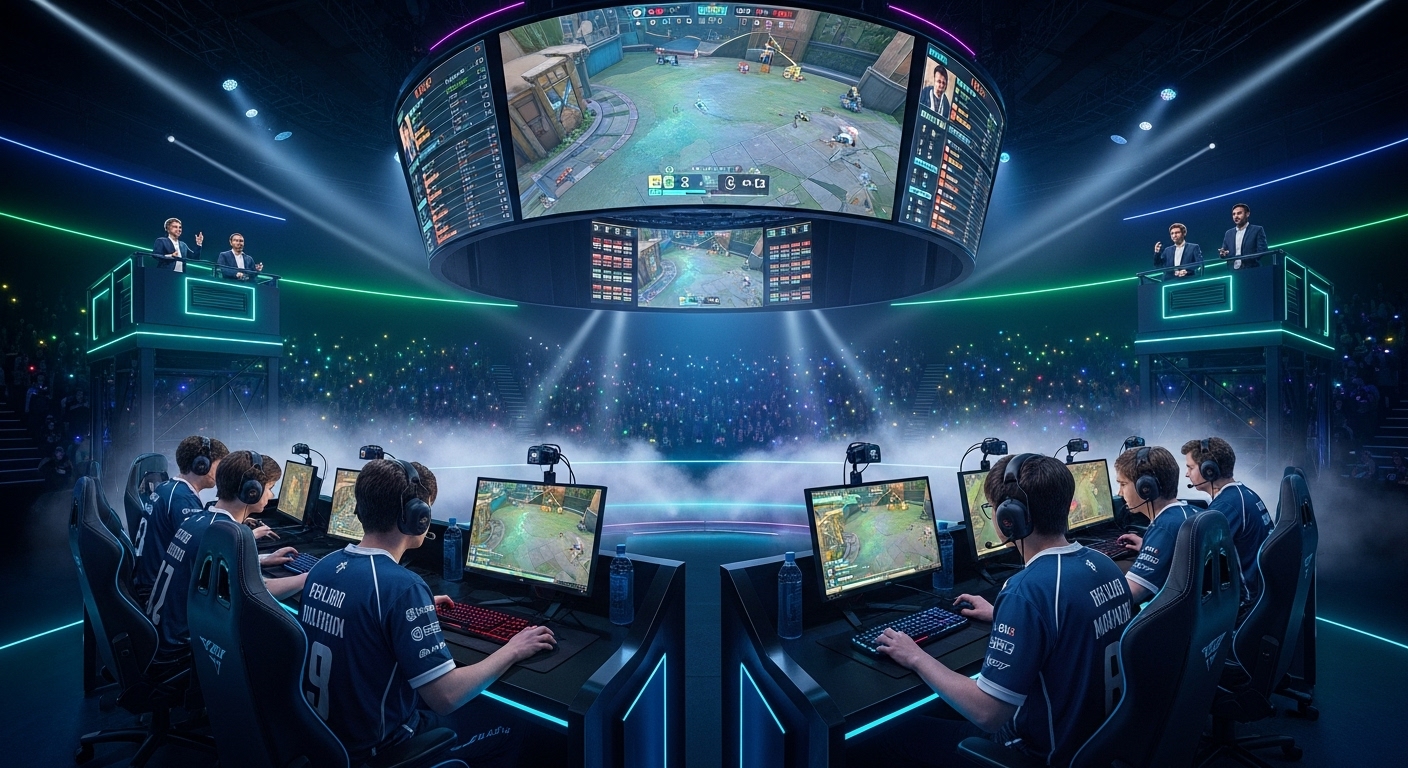
What once started as casual competition among friends in basement tournaments has now evolved into a full-fledged professional ecosystem. Professional esports players are no longer just hobbyists; they are athletes who dedicate their lives to mastering their craft. Training schedules are grueling, and players often spend 10-12 hours a day practicing, scrimming (practice games), and analyzing their performance. This commitment is comparable to traditional athletes in sports such as basketball or football, where hours of practice are required to achieve peak performance.
Being an esports athlete requires more than just technical skill. Successful players must be able to handle immense pressure, work cohesively with their teams, and adapt to constantly changing gameplay dynamics. They must make split-second decisions under high stress, react to opponents’ moves with precision, and maintain mental clarity throughout long hours of intense competition. As a result, the demands of being a professional gamer are not simply about gaming talent but also mental toughness, physical endurance, and teamwork.
Esports organizations have embraced this professional mentality, hiring coaching staff, analysts, and even physiologists to ensure players stay healthy both physically and mentally. Players are now expected to follow strict routines that include regular fitness exercises, mental health counseling, and even sleep therapy to prevent burnout. The esports industry has mirrored traditional sports in many ways, from professional leagues to team branding, sponsorships, and merchandising.
The Spectacle of Esports: Live Events and Global Competitions
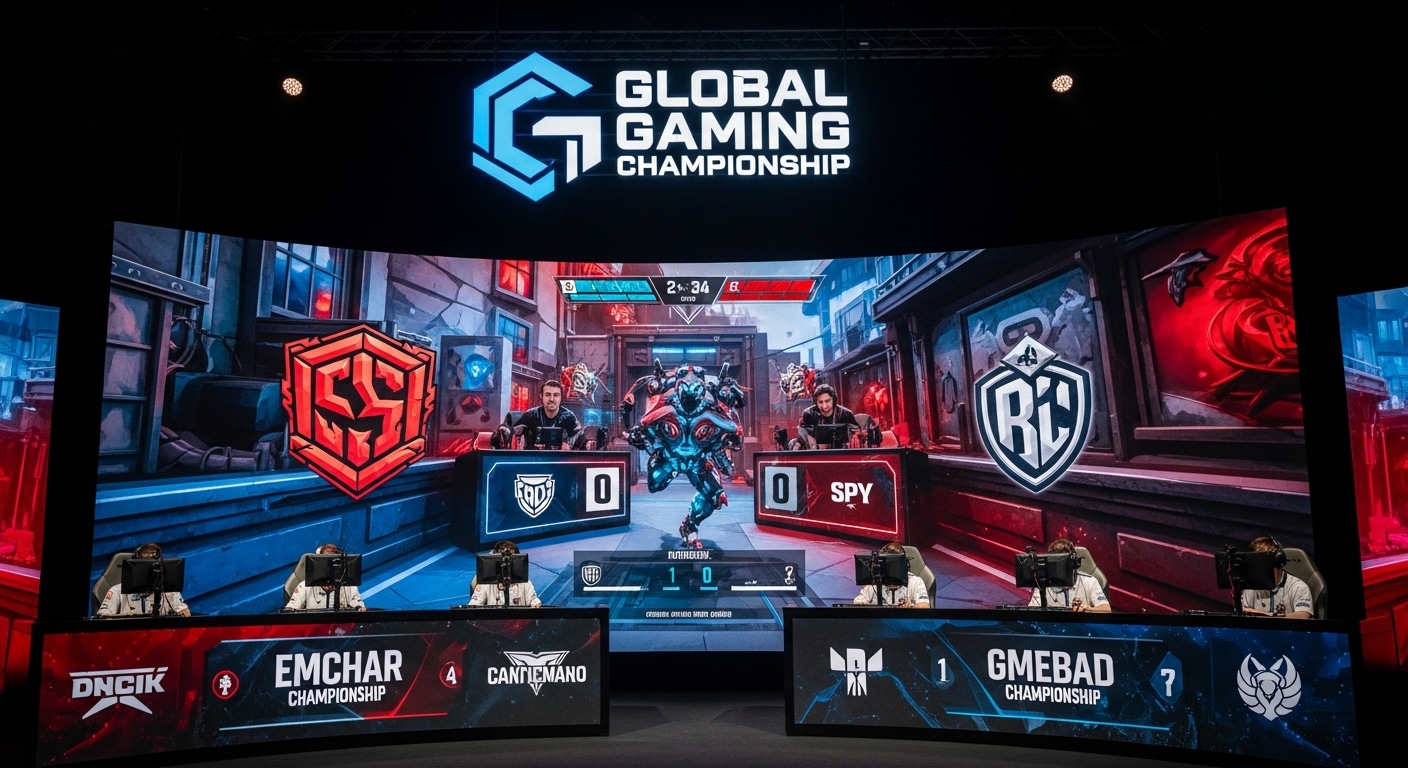
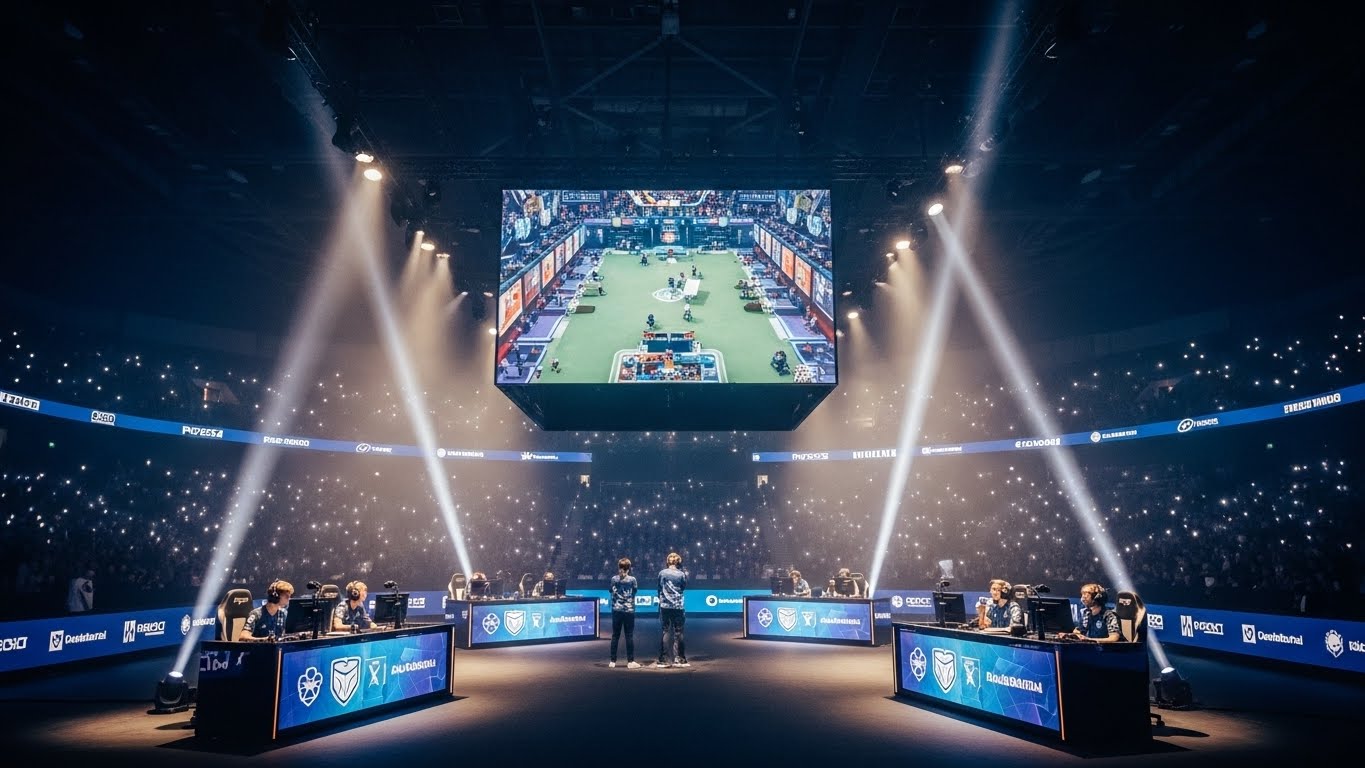
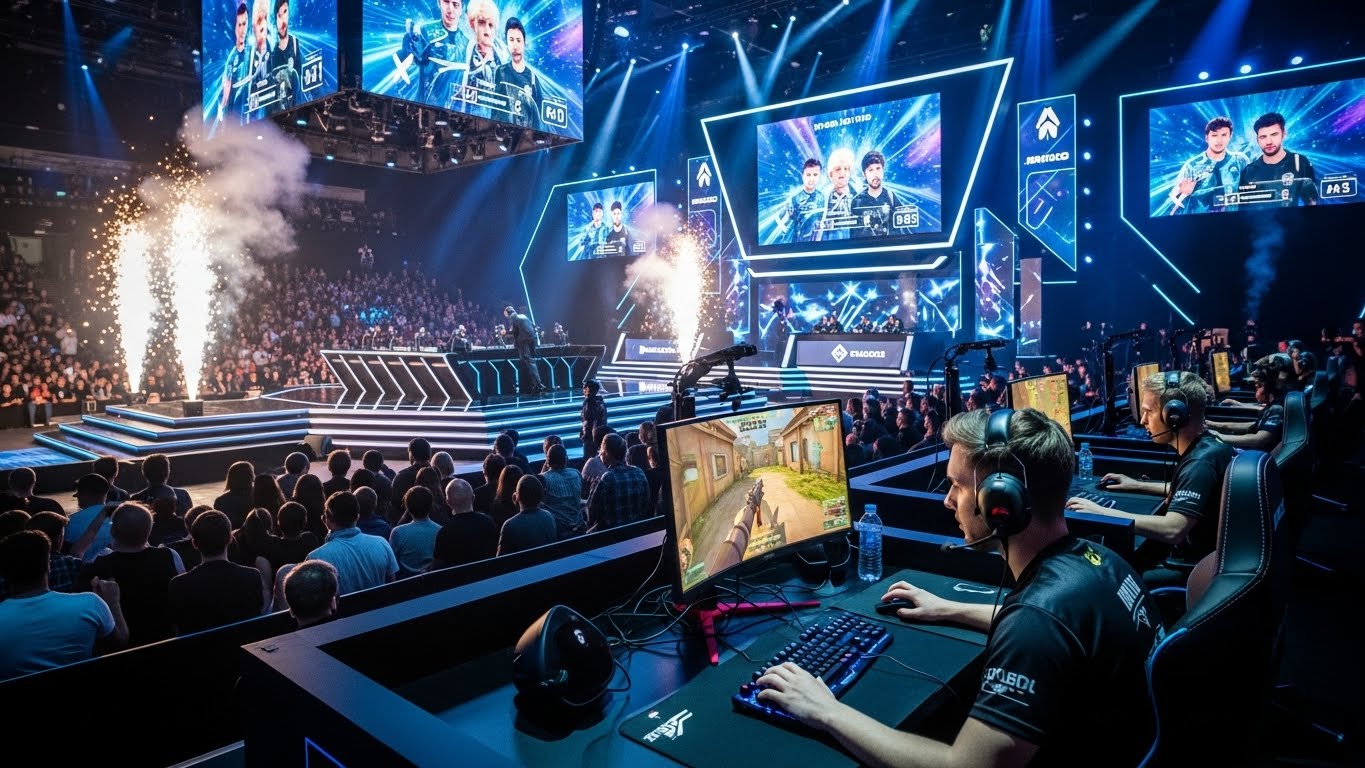
One of the key elements driving the growth of esports has been the evolution of live events. As esports tournaments have grown in scale and importance, they have begun to resemble traditional sports events in terms of production quality and audience engagement. Major tournaments such as The International, League of Legends World Championship, and Overwatch League Finals are now held in massive stadiums or arenas, drawing thousands of fans. These events have become true spectacles, complete with intense pre-match hype, live commentary, and immersive fan experiences.
The atmosphere at these events is electric. Fans cheer for their favorite teams and players, wave banners, and wear jerseys just as they would in any traditional sports arena. The excitement and energy of these live events is a testament to the growing appeal of esports as a mainstream form of entertainment. Moreover, live streaming has made it possible for fans across the globe to watch these events in real-time, providing a unique, interactive experience that was previously reserved for traditional sports broadcasts.
The impact of esports live events has also gone beyond just entertainment. Esports has introduced new forms of sponsorship and partnership opportunities for brands looking to reach younger, tech-savvy audiences. Big-name companies such as Coca-Cola, Intel, and Red Bull now sponsor esports teams, tournaments, and leagues, underscoring the commercial viability of the industry. For these brands, esports offers a direct line to the digital-first generation of consumers who are increasingly turning to online platforms for both entertainment and social interaction.
Streaming and Content Creation: The Heart of Esports Culture
While live events and tournaments have helped boost esports’ popularity, streaming platforms have been the heartbeat of the industry. Websites like Twitch and YouTube have given players and teams a direct channel to interact with their fanbase, share content, and showcase their skills. Streaming has allowed esports to become a 24/7 global phenomenon, with fans tuning in to watch games, learn new strategies, and engage with their favorite players.
For many esports players, streaming has become just as important as competing. Content creators are not just limited to tournaments; they also engage with their audience through live streams, where they play casually, answer questions, and give insights into their lives and training regimens. This interaction helps to build a closer relationship between the player and their fans, creating a loyal following that extends beyond just tournament victories.
Streaming has also opened doors for non-professional players to gain recognition. Some streamers have gone from being casual gamers to full-time content creators with millions of followers and lucrative sponsorship deals. This democratization of fame has made esports more accessible than ever before, allowing anyone with a skill and a platform to potentially rise to the top.
The Business of Esports: An Industry Worth Billions
The business side of esports has been just as transformative as its competitive side. In 2023, the global esports industry was estimated to be worth over $1 billion, and that number is expected to continue growing. Revenue streams for esports include sponsorships, media rights, advertising, ticket sales, merchandise, and even esports betting. Large companies, such as Intel, Logitech, and Microsoft, invest heavily in esports, recognizing the marketing potential and the access to a young, tech-savvy audience.
Sponsorship deals have become a major source of income for esports teams and tournaments. Major corporations sponsor everything from individual players to entire leagues, branding events and matches with their logos and products. These partnerships offer immense value, both financially and in terms of brand recognition. In some cases, esports sponsorships can be just as lucrative as traditional sports endorsements, with players earning substantial sums from sponsorships alone.
Another key revenue stream for the esports industry is broadcasting rights. As streaming platforms have become central to esports, companies like Twitch and YouTube pay millions of dollars for the rights to broadcast tournaments and live events. These platforms also make money from ads, subscriptions, and donations, further fueling the growth of the industry.
Opportunities and Career Paths in Esports
Esports has not only created opportunities for players but also for individuals with a wide range of skills. As the industry has evolved, it has opened doors for individuals in various fields such as event management, content creation, marketing, broadcasting, graphic design, and more. Esports teams and organizations now employ specialists in digital marketing, social media management, sales, and even legal and financial advisors.
Esports is also providing career opportunities for people interested in technology. Game developers, stream platform managers, and tournament organizers are just a few examples of roles that are in high demand. With esports universities and college programs popping up worldwide, young people now have educational pathways that lead directly into the industry.
For aspiring players, the road to success is challenging, but it is becoming increasingly possible for those with the right skills and dedication to break into the professional scene. Many competitive gamers now start their careers at a young age, honing their skills through online competitions and amateur leagues before eventually being scouted by professional teams.
The Future of Esports: What Lies Ahead
The future of esports is undoubtedly bright. As technology continues to evolve, the experience of playing and watching esports will become even more immersive. Virtual reality (VR) and augmented reality (AR) are likely to play a major role in shaping the future of competitive gaming, making the experience more interactive for both players and viewers.
Esports will also continue to gain recognition on the global stage. Governments and educational institutions are beginning to embrace esports as a legitimate form of competition and a potential career path. In fact, some countries, such as South Korea, already have well-established esports infrastructure, with government-backed initiatives to promote competitive gaming.
As esports continues to grow, it will likely be integrated with traditional sports in new and innovative ways. Hybrid events, where physical athletes and esports players compete side by side, could become more common. The blending of traditional and digital sports will likely create even more opportunities for players, fans, and industry professionals alike.
Conclusion: The Digital Playground of Tomorrow
Esports is no longer just about playing video games; it is a dynamic and rapidly evolving industry that is reshaping the way we think about competition and entertainment. The journey of esports—from casual tournaments to global spectacles—has been nothing short of remarkable. With its growing fanbase, increasing business opportunities, and expanding career paths, esports has firmly established itself as a mainstream form of entertainment.