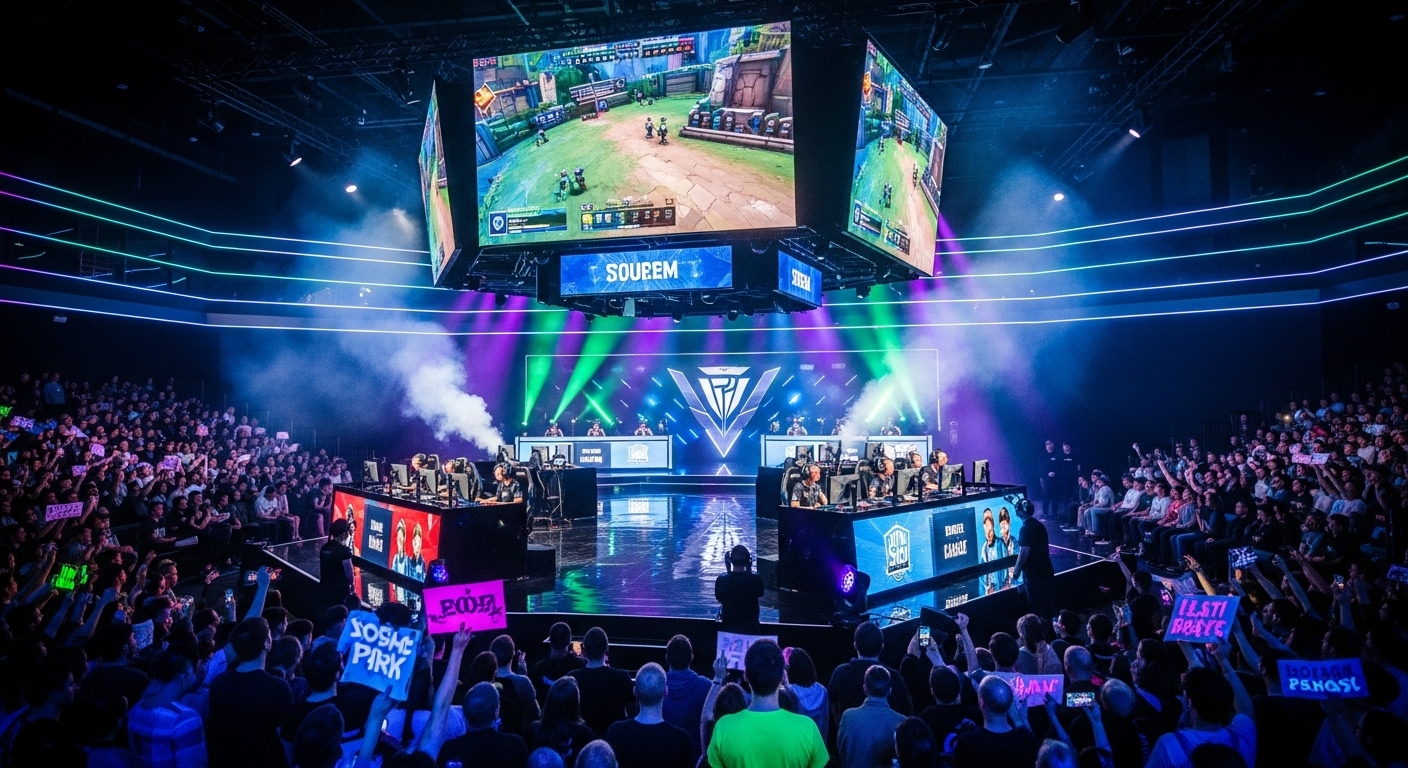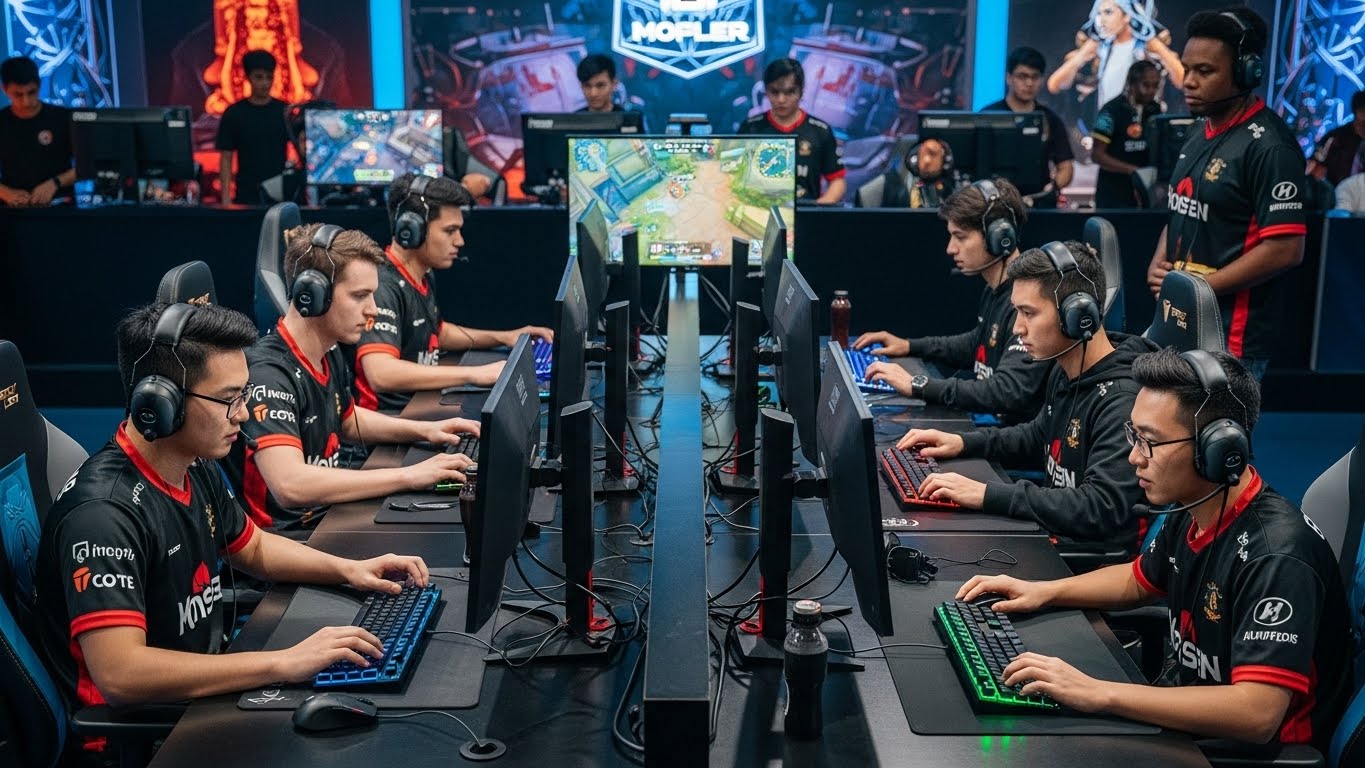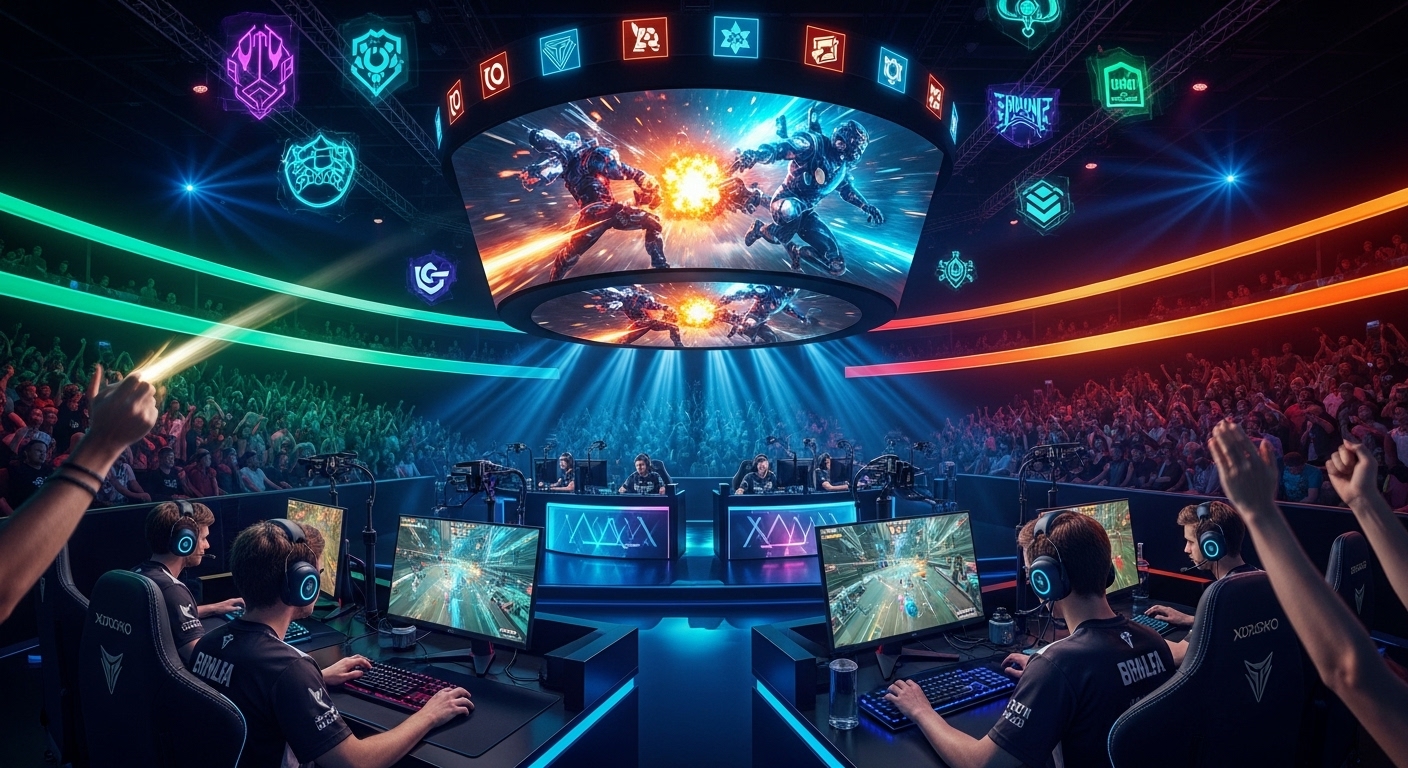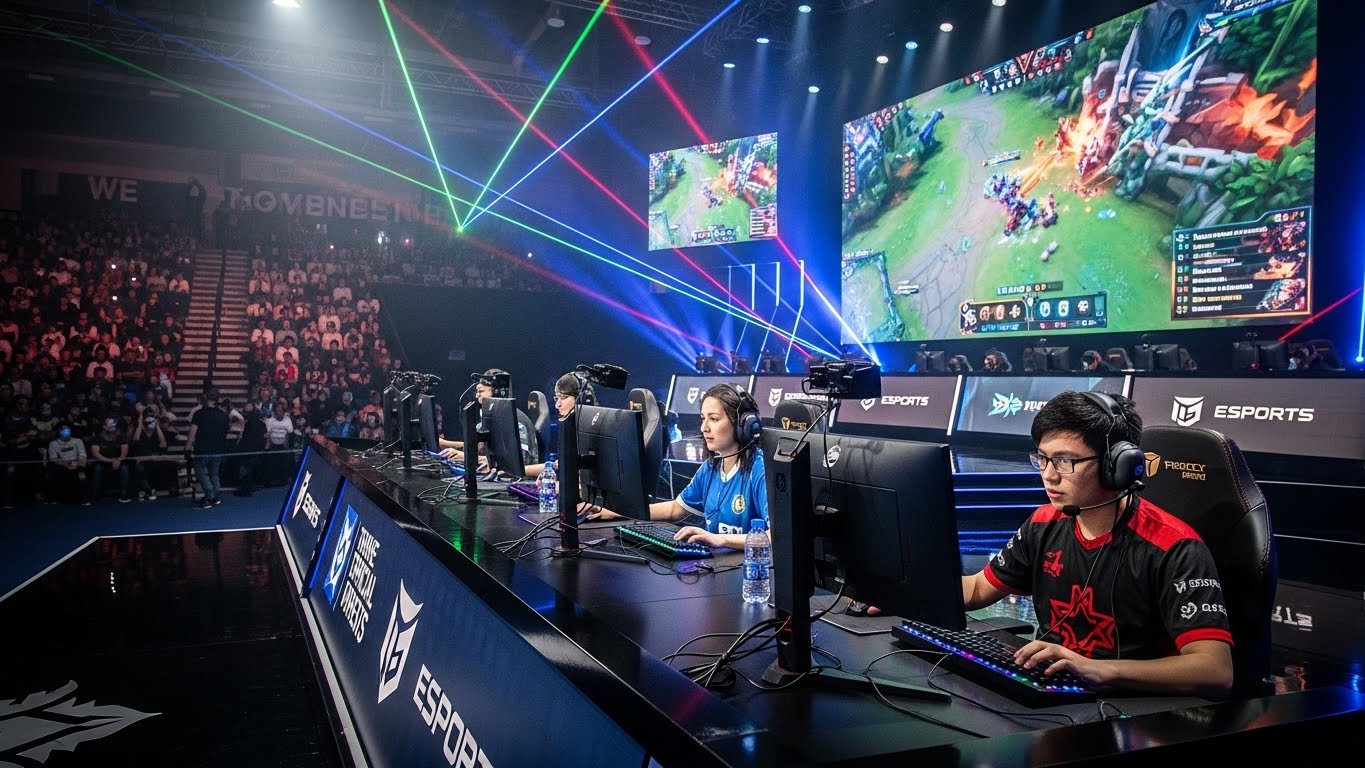
Esports, once considered a niche hobby for a small community of gamers, has exploded into a global phenomenon. What was once a pastime confined to arcades and basement competitions is now a multi-billion-dollar industry that attracts millions of viewers, sponsors, and players from around the world. The rise of esports has revolutionized the gaming landscape and is reshaping the way we think about sports, entertainment, and competition in the 21st century.
In this blog post, we will dive deep into the world of esports, exploring its rapid growth, its impact on the gaming industry, and the ways in which it is transforming traditional concepts of sports and entertainment.
The Birth of Esports: From Hobby to Global Phenomenon
Esports, short for electronic sports, refers to competitive video gaming where professional players compete in organized tournaments, often with large cash prizes on the line. The origins of esports date back to the early 1990s, when competitive gaming was mainly a hobby for enthusiasts who would gather in local tournaments or LAN parties. Games like Street Fighter II and Quake were some of the first to host competitive tournaments.
The first real breakthrough for esports came in 1997 with the creation of Red Annihilation, a Quake tournament that attracted 2,000 participants and was broadcast on television. However, it was in the early 2000s that esports began to take on a more professional appearance. The creation of dedicated esports leagues like the World Cyber Games (WCG) and Electronic Sports World Cup (ESWC) began to elevate competitive gaming into a more structured and recognized event.
One of the key milestones in esports history came in 2011 with the launch of the League of Legends World Championship, an event that brought together some of the best players from around the globe and was watched by millions online. This marked the beginning of a major shift, with esports slowly evolving into the highly commercialized industry it is today.
The Esports Ecosystem: Key Players and Stakeholders
The esports ecosystem is a complex web of players, teams, sponsors, event organizers, media companies, and fans. Understanding how these elements work together is crucial to grasping the magnitude of the esports industry.
- Professional Players and Teams
At the heart of esports are the professional players and the teams they represent. These players are often highly skilled and dedicate countless hours to mastering their games. Just like athletes in traditional sports, esports professionals often train in teams, with coaches, analysts, and support staff to help them improve their gameplay.
Top esports organizations like Team Liquid, Cloud9, and Fnatic have built international brands, signifying the crossover between esports and traditional sports in terms of sponsorship, fanbase, and media presence.
- Game Developers and Publishers
Esports cannot exist without the games that fuel its competitive nature. Game developers and publishers, such as Riot Games, Blizzard Entertainment, and Valve, play an instrumental role in creating the games that become esports titles. These companies not only design the games but also build and manage the infrastructure required for competitive play, such as tournaments, ranking systems, and online ladders.
For example, Riot Games’ League of Legends has become one of the most played and widely recognized esports titles, with a robust competitive scene that spans the globe. The developers often invest heavily in esports ecosystems, providing funding for tournaments and ensuring a steady flow of new content to keep the player base engaged.
- Event Organizers and Broadcast Networks
Major esports events are often organized by specialized companies that have a deep understanding of how to run large-scale competitions. ESL (Electronic Sports League), DreamHack, and Major League Gaming (MLG) are some of the most recognized event organizers that host tournaments, both online and offline, attracting thousands of participants and millions of viewers.
The growth of esports as a spectator sport has led to broadcasting becoming a major industry within itself. Platforms like Twitch, YouTube Gaming, and Facebook Gaming provide live streaming services that allow fans to watch their favorite players and teams compete in real time. In recent years, traditional TV networks and sports channels have also begun to broadcast esports events, further cementing its place in the mainstream media.
- Sponsors and Advertisers
As esports becomes more commercially viable, a growing number of companies are eager to get involved through sponsorships and advertising. Brands from industries such as technology, fashion, and energy drinks are investing heavily in esports, seeing it as an opportunity to reach a young, tech-savvy demographic.
Big-name companies like Intel, Nike, and Coca-Cola have become key sponsors of esports events and teams. These partnerships help fund tournaments, offer players the resources they need, and create lucrative brand deals for organizations.
The Role of Streaming Platforms in Esports’ Popularity
One of the biggest contributors to the growth of esports has been the rise of streaming platforms, particularly Twitch, which has become synonymous with competitive gaming. Twitch allows gamers to stream their gameplay to a live audience, creating an interactive experience for both the player and the viewer. This gives fans direct access to their favorite players and teams, while providing streamers with the opportunity to monetize their content through subscriptions, donations, and sponsorships.
The success of platforms like Twitch has also led to the rise of esports content creators, who produce not only gameplay videos but also commentary, analysis, and behind-the-scenes content. These creators act as influencers, helping to cultivate the esports community and attract new viewers.
Moreover, the integration of interactive features, such as live chat and voting systems, allows fans to engage with the action in real time, making esports events more dynamic and personal.
Esports as a Spectator Sport: The Growth of Viewership
Esports has transformed from being a niche interest to a global spectator sport, drawing millions of viewers for major tournaments. According to recent reports, esports events regularly attract larger viewerships than traditional sports like the NBA Finals or NFL Playoffs.
The League of Legends World Championship held annually is one of the most-watched esports events, with its 2020 finals drawing over 100 million viewers worldwide. This level of viewership has helped esports secure a spot alongside traditional sports in terms of media rights deals, broadcasting, and global recognition.
Esports’ popularity can be attributed to several factors. For one, esports is easily accessible through streaming platforms, allowing fans from all corners of the globe to tune in. Additionally, the diverse range of games played in esports, from MOBA (Multiplayer Online Battle Arena) games like Dota 2 to first-person shooters like Counter-Strike: Global Offensive, appeals to a wide variety of audiences.
The Future of Esports: Trends and Predictions
The esports industry shows no signs of slowing down, and its future looks promising. Below are a few trends and predictions for the next phase of esports evolution:
- Mainstream Integration with Traditional Sports
Esports is likely to continue integrating with traditional sports, both in terms of media and marketing. Major sports leagues such as the NBA and NFL have already begun investing in esports ventures. This fusion will result in more hybrid events that combine physical sports and digital gaming, attracting broader audiences. - Increased Sponsorship and Monetization
As the industry matures, there will be an increase in sponsorships, brand partnerships, and revenue streams. As esports continue to grow in popularity, more companies will look to invest in the space, pushing the industry toward even greater financial stability and sustainability. - Virtual Reality and Augmented Reality Integration
Esports could also evolve with the introduction of virtual reality (VR) and augmented reality (AR). These technologies have the potential to transform the way fans experience esports events, offering more immersive and interactive viewing experiences. - Esports as a Career Path
As esports continues to thrive, it will become an increasingly viable career path for young players. We can expect more colleges and universities to offer esports scholarships and degree programs, helping to formalize the profession and attract a new generation of players. - Diversity and Inclusion
Another trend that is likely to gain traction is the growing push for diversity and inclusion within esports. Initiatives aimed at encouraging women, minorities, and underrepresented groups to participate in esports are already underway, and this push will likely continue to grow in the coming years.
Conclusion: A New Era for Competitive Gaming
Esports has come a long way from its humble beginnings in the 1990s, evolving into a global entertainment powerhouse that is reshaping the future of gaming, sports, and media. With millions of fans, massive sponsorship deals, and ever-growing professional scenes, esports is well on its way to becoming a mainstream fixture in the entertainment industry.
As the ecosystem around esports continues to evolve, its impact on culture, technology, and even traditional sports will be felt for years to come. Whether you’re a casual gamer, a professional player, or a fan tuning into a tournament, esports has undoubtedly changed the way we perceive gaming, competition, and entertainment.
In the end, esports is not just about playing games – it’s about creating a global community, pushing the boundaries of technology, and turning digital competition into a spectacle for the world to enjoy. The future of esports is bright, and we are only scratching the surface of what this incredible industry can achieve.