Introduction: Understanding Esports
Esports, short for electronic sports, has transformed from a niche hobby into a global phenomenon. Once limited to small gaming communities competing in local tournaments, esports now dominates the entertainment industry, drawing millions of viewers, professional players, and sponsors worldwide. Unlike traditional sports, esports emphasizes strategic thinking, rapid reflexes, teamwork, and mental agility, challenging players in entirely digital arenas.
The industry spans a wide range of competitive games, including first-person shooters, multiplayer online battle arenas, real-time strategy games, fighting games, and sports simulations. The growth of streaming platforms, professional leagues, and international tournaments has turned competitive gaming into a legitimate career path for many players. Esports is now a thriving ecosystem encompassing players, teams, sponsors, broadcasters, and fans.
This blog explores the history, growth, genres, community, technology, and future of esports, highlighting how it has reshaped entertainment and digital culture.
The Origins of Competitive Gaming
The roots of esports can be traced to the late 1970s and 1980s when arcade games and early personal computers introduced competitive gaming. Players would compete for high scores in games such as Space Invaders, Pac-Man, and Donkey Kong. Competitions were often held locally or organized by gaming magazines, providing trophies or small prizes.
The 1990s marked the rise of networked gaming, allowing players to compete across cities and countries. Games like Doom, Quake, and StarCraft introduced multiplayer mechanics that required teamwork, strategy, and quick reflexes. StarCraft, in particular, became a cultural phenomenon in South Korea, establishing the first professional leagues and televised matches, setting the stage for modern esports.
The expansion of online communities further fueled competitive gaming. Forums and fan groups allowed players to share strategies, organize tournaments, and form teams, creating a foundation for the international esports ecosystem we see today.
Professionalization of Esports
The 2000s witnessed the professionalization of esports. Titles such as Warcraft III, Counter-Strike, and Defense of the Ancients introduced complex gameplay systems requiring intensive practice, coordination, and strategy. Players began treating gaming as a serious pursuit, dedicating hours daily to skill improvement.
South Korea emerged as a global hub for professional esports, with players achieving celebrity status. Professional leagues, sponsorship deals, and televised tournaments provided both visibility and legitimacy to competitive gaming. Inspired by this model, other regions, including North America, Europe, and China, developed their own professional esports ecosystems.
Streaming platforms such as Twitch and YouTube Gaming revolutionized esports further, allowing fans to watch live competitions, interact with players, and follow professional teams globally. Streaming has made esports more accessible, attracting new audiences and increasing revenue streams for the industry.
Popular Esports Genres and Games
Esports encompasses multiple genres, each with unique competitive mechanics and audiences.
Multiplayer Online Battle Arena (MOBA) Games
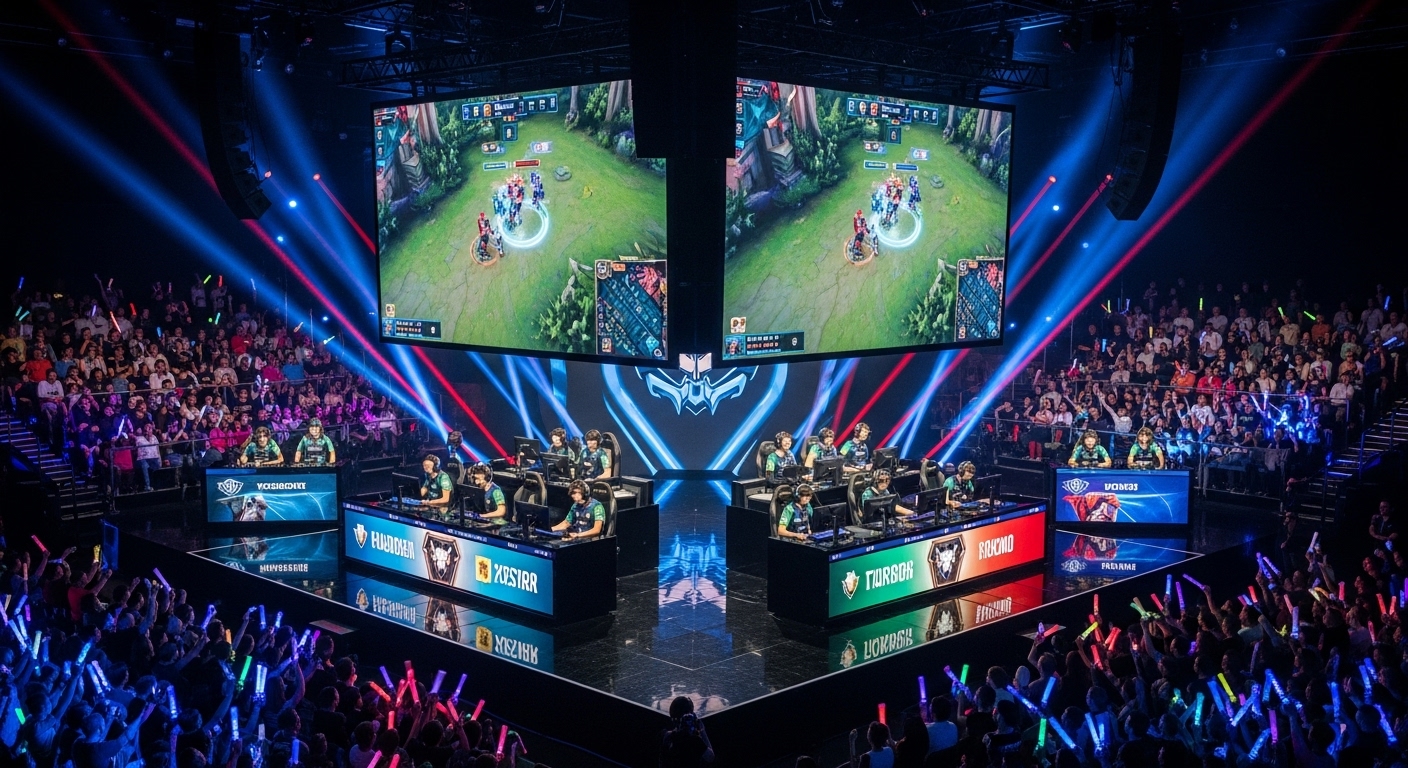
MOBA games like League of Legends and Dota 2 are among the most popular esports titles. Players select unique characters and work in teams to destroy opponents’ bases while coordinating strategy and skill use. Tournaments such as the League of Legends World Championship and Dota 2’s The International offer multi-million-dollar prize pools, drawing millions of viewers worldwide.
First-Person Shooter (FPS) Games
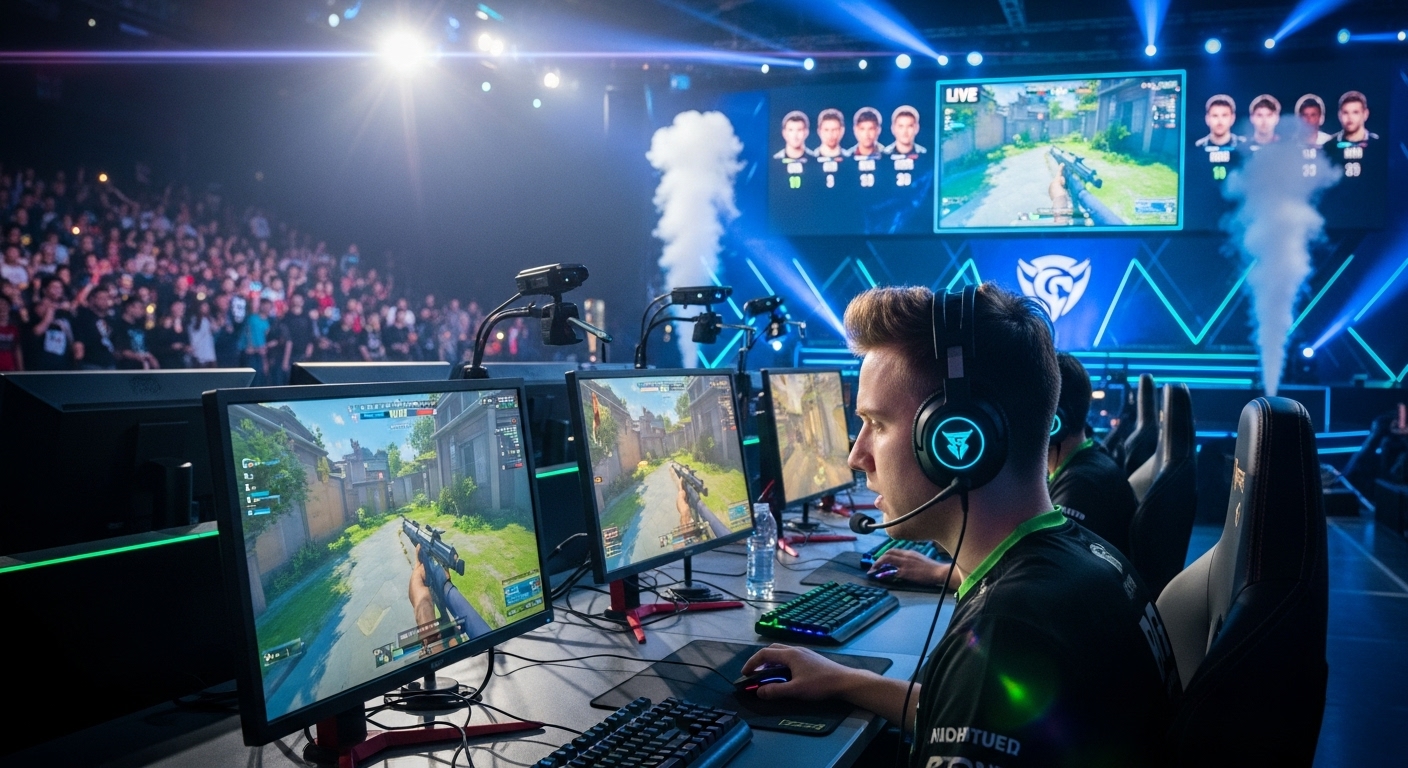
FPS games like Counter-Strike: Global Offensive, Valorant, and Call of Duty focus on precision, reflexes, and tactical teamwork. FPS tournaments are intense, often filling arenas and attracting large online audiences. Competitive FPS games emphasize strategy, map knowledge, and coordination, making them thrilling both to play and watch.
Battle Royale Games
Games like Fortnite and PUBG have popularized the battle royale format, where players compete in last-person-standing scenarios. These games demand adaptability, strategic planning, and rapid decision-making. Large-scale tournaments with substantial prize pools have made battle royale titles a key part of the esports ecosystem.
Sports Simulation and Fighting Games
Sports simulators such as FIFA and NBA 2K replicate real-world sports, allowing players to compete virtually. Fighting games like Street Fighter and Super Smash Bros. emphasize timing, skill, and quick reflexes. Both genres maintain competitive circuits, offering diverse opportunities for professional players and engaging audiences with varied interests.
Esports as a Career
Esports has become a viable career option for professional players, coaches, analysts, and content creators. Players often dedicate six to ten hours per day to practice, focusing on teamwork, strategy, and individual skill improvement. Mental resilience, focus, and physical well-being are crucial for maintaining peak performance.
Professional esports teams operate similarly to traditional sports organizations, employing coaches, analysts, managers, and support staff to optimize performance. Training facilities feature high-end computers, ergonomic setups, and collaborative spaces for strategy discussions.
Top-tier players earn income from tournament winnings, salaries, sponsorships, and streaming revenue. Many build personal brands through social media, merchandise, and content creation. Esports careers extend beyond gameplay, encompassing broadcasting, event management, analytics, and marketing, creating a multifaceted industry.
The Global Esports Industry
Esports is now a multi-billion-dollar industry with significant international reach. Asia, particularly South Korea and China, leads in professional leagues, audience size, and infrastructure. North America and Europe contribute through organized tournaments, corporate sponsorships, and team management.
Major tournaments rival traditional sporting events in production quality and scale. The Dota 2 International and League of Legends World Championship consistently offer multi-million-dollar prize pools and attract global viewership. Sponsorships from major brands like Intel, Coca-Cola, and Nike have further solidified esports as a legitimate and profitable industry.
Streaming platforms are central to esports success. They provide live broadcasts, fan interaction, and monetization opportunities, allowing viewers worldwide to engage with tournaments, teams, and players in real time.
Esports Culture and Community
Esports culture is vibrant and inclusive, blending gaming, technology, and social interaction. Fans engage through online forums, social media, and live events, forming strong communities centered around games and teams. This culture fosters identity, loyalty, and engagement comparable to traditional sports fandom.
Educational institutions have also embraced esports. Universities offer scholarships, training programs, and organized teams, creating structured pathways for aspiring players. These initiatives provide legitimacy, promote talent development, and further integrate esports into mainstream culture.
Cosplay, streaming, and fan-created content have expanded the cultural influence of esports, allowing enthusiasts to express creativity and participate actively in the community.
Technology Driving Esports
Technology underpins every aspect of esports. High-performance hardware, fast internet connectivity, and advanced software enable competitive gameplay and immersive experiences. Streaming technology allows real-time broadcasting, interaction, and community engagement.
Data analytics and artificial intelligence enhance performance by providing insights into player strategies, opponent behavior, and team coordination. Virtual and augmented reality are emerging as potential tools for more immersive esports experiences, offering new ways for fans and players to engage with games.
Technology ensures that esports remains innovative, dynamic, and accessible, contributing to the industry’s sustained growth.
Challenges in Esports
Despite its growth, esports faces challenges including mental and physical health, inclusivity, and financial sustainability. Players often endure long practice hours, high-pressure competition, and public scrutiny, making wellness initiatives essential.
Diversity and inclusion are critical for the industry’s growth. Efforts are underway to create equitable opportunities for women, minorities, and underrepresented groups. Ethical concerns such as cheating, gambling, and fair play also require regulatory oversight to maintain integrity.
Financial sustainability remains a challenge for smaller teams and amateur players. While top players earn substantial income, many organizations operate on tight margins, highlighting the need for equitable revenue structures and support systems.
The Future of Esports
The future of esports is bright, driven by technology, innovation, and global connectivity. Virtual reality, augmented reality, and artificial intelligence will redefine gameplay, spectatorship, and interactivity. New genres, international tournaments, and cross-platform competitions will diversify the industry and attract broader audiences.
Esports will continue integrating with mainstream culture, potentially appearing in international multi-sport events and further embedding educational programs to nurture talent. Global connectivity ensures esports remains inclusive, accessible, and engaging.
The combination of creativity, competition, and technology ensures esports will shape the entertainment industry, influence culture, and provide professional opportunities for future generations.
Conclusion: Esports as a Cultural and Professional Force
Esports has evolved from humble arcade competitions into a global, multi-billion-dollar industry. It represents a professional ecosystem, a cultural phenomenon, and an interactive form of entertainment captivating millions worldwide.
Professional players, teams, and streaming platforms have transformed esports into a mainstream, respected, and influential industry. As it continues to grow, esports will redefine competition, entertainment, and community engagement, securing its place as a defining force in the digital age.