Esports has quickly evolved from a niche hobby to a global multi-billion-dollar industry. What was once viewed as a casual pastime for gamers has now become a professional sport with millions of viewers, athletes, and fans worldwide. In this blog, we will explore the world of esports, how it has grown, the impact it has had on entertainment, and what the future might hold for this dynamic sector.
What Is Esports?
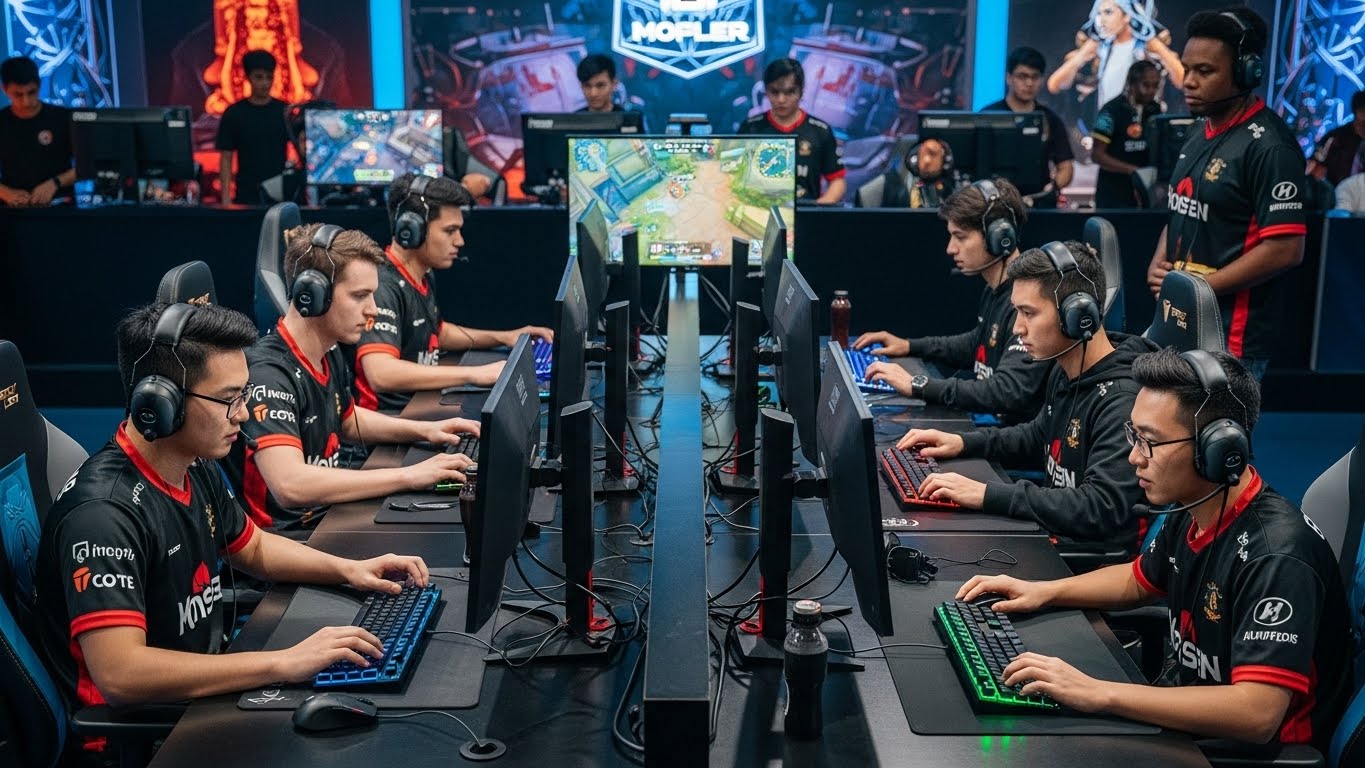
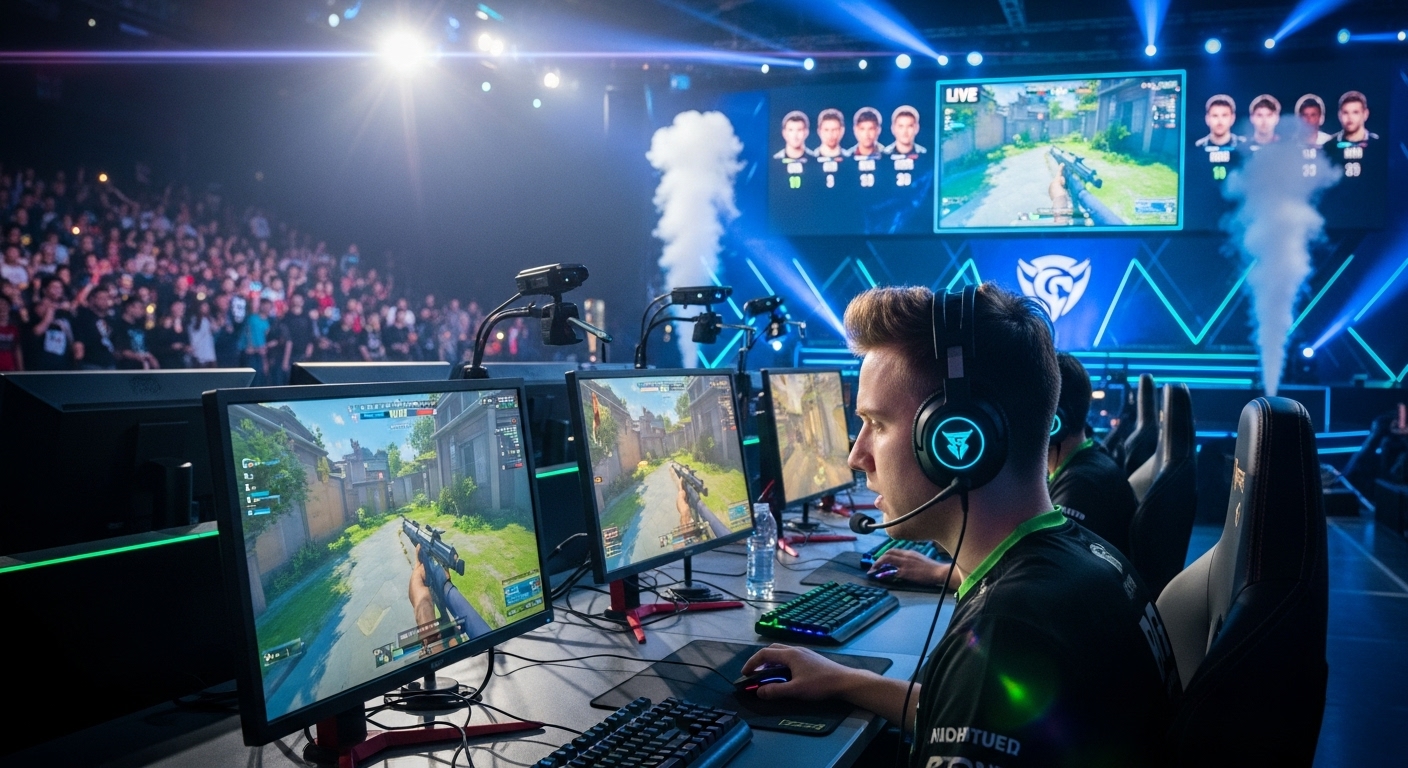
At its core, esports refers to competitive video gaming at a professional level. Players compete individually or as part of teams in organized tournaments, often for large prize pools. These tournaments are broadcasted online or on TV, attracting millions of viewers. Games typically featured in esports competitions include popular titles like League of Legends, Counter-Strike: Global Offensive, Fortnite, Dota 2, and Overwatch, among others.
Esports is unique in that it combines the thrill of traditional sports with the engaging nature of video games, making it accessible to a broad demographic. The competitive aspect, combined with the skills required to excel at these games, has made it a captivating spectacle for audiences around the world.
The Evolution of Esports
From Arcade Games to Online Competitions
The history of esports dates back to the 1970s, when arcade games first gained popularity. Early games like Pong and Space Invaders sparked interest in competitive gaming, but it wasn’t until the 1990s that organized esports began to take shape. In the early days, competitions were small and local, often hosted in arcades or college campuses. These were casual events, and the prize money was minimal.
However, the advent of the internet and the development of online multiplayer games revolutionized the esports landscape. Titles like Warcraft and Quake allowed players to compete from anywhere in the world, creating a global community of gamers. The late 1990s and early 2000s saw the establishment of professional leagues and tournaments, such as the World Cyber Games and Electronic Sports World Cup.
Mainstream Growth and Professionalization
By the mid-2000s, esports began to catch the attention of major companies and investors. Professional teams emerged, and players began to earn salaries, sponsorships, and endorsement deals. Games like StarCraft and Counter-Strike saw the rise of professional leagues in South Korea, which became the epicenter of competitive gaming.
The 2010s marked a pivotal moment in the growth of esports, as the industry went mainstream. Games like League of Legends and Dota 2 introduced massive esports tournaments with prize pools that reached millions of dollars. Broadcasting platforms like Twitch and YouTube Gaming provided a global stage for players and fans to interact, making esports more accessible to everyone. The audience for esports grew exponentially, with millions tuning in to watch major events like The International and the League of Legends World Championship.
The Business of Esports
Major Companies and Investors
Esports has become a lucrative industry, attracting significant investments from major companies. Traditional sports organizations like the NBA and NFL have even ventured into the world of esports by investing in teams and leagues. The partnership between esports and mainstream brands is increasingly common, with companies like Intel, Coca-Cola, Red Bull, and Mercedes-Benz sponsoring major events and teams.
One of the key drivers of esports’ financial success is its diverse revenue streams. Revenue is generated from advertising, sponsorships, media rights, ticket sales, merchandise, and, of course, streaming platforms. In 2021, the global esports industry was valued at over $1 billion, and projections show it could exceed $3 billion by the mid-2020s.
The Role of Streaming Platforms
The rise of streaming platforms like Twitch and YouTube Gaming has played a critical role in the growth of esports. These platforms allow players to broadcast their gameplay, build personal brands, and connect directly with their fans. Many professional gamers now make a significant portion of their income through streaming and sponsorships, and popular streamers have become celebrities in their own right.
Live streams of esports tournaments have also attracted millions of viewers, with major events being broadcasted to audiences across the world. Streaming has democratized access to esports, as fans no longer need to attend live events to follow the action. The ability to interact with players and other viewers via live chats and social media has further enhanced the sense of community around esports.
The Impact of Esports on Traditional Sports
Changing the Perception of Sports
Esports has led to a shift in how people define what qualifies as a “sport.” Traditional sports have long been seen as physical, requiring athletic ability and strength. Esports, however, emphasizes mental acuity, strategic thinking, reflexes, and teamwork. While critics may argue that esports isn’t a “real sport,” many have come to acknowledge its legitimacy, with some even comparing it to traditional sports in terms of the skill and dedication required to succeed.
The integration of esports into traditional sports organizations has further bridged the gap between the two. Teams like Team Liquid and Cloud9 now boast professional players who train, compete, and earn money just like athletes in more conventional sports. Even universities are getting in on the action, with many offering scholarships for esports players, signaling the increasing academic and professional recognition of competitive gaming.
Esports as a Social Experience
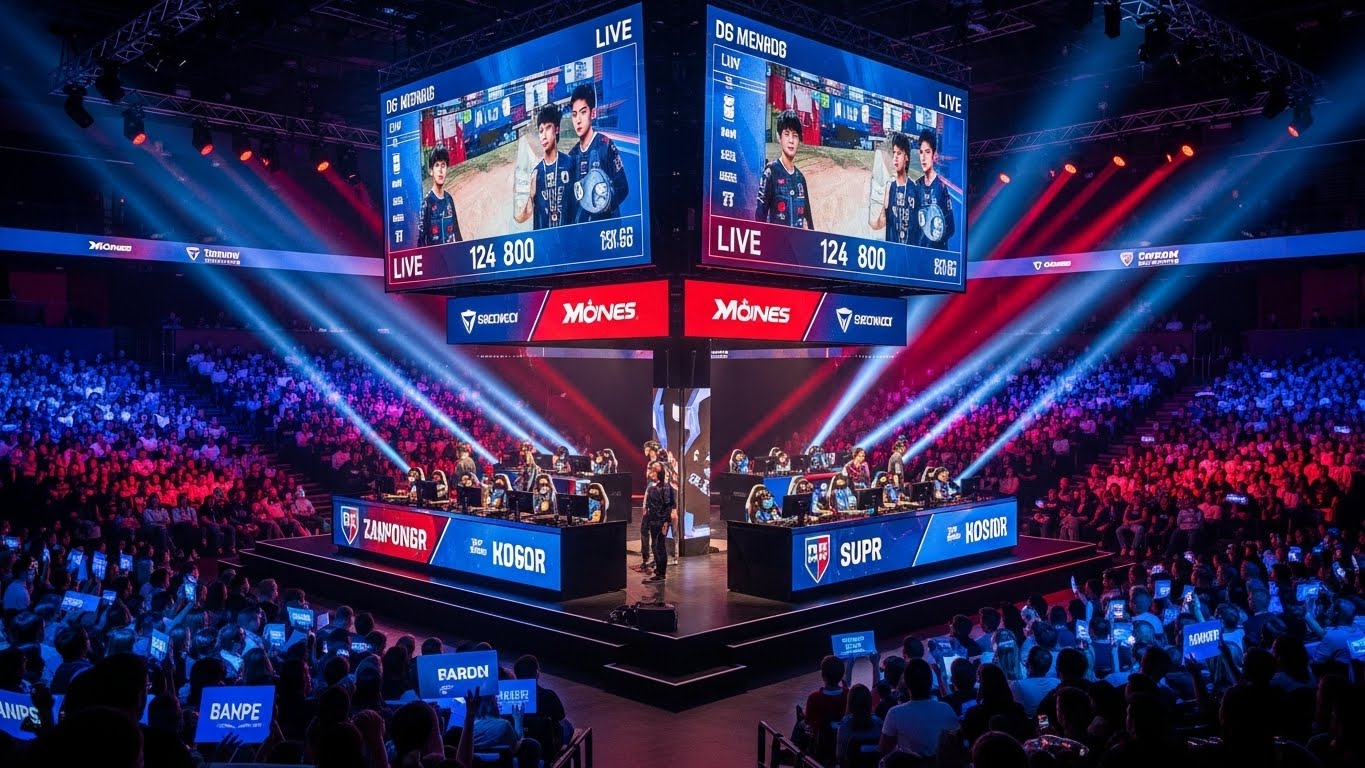
One of the most significant cultural shifts driven by esports is the concept of social gaming. Online gaming has always allowed players to connect with friends, but esports takes this to a new level. Fans can engage with their favorite teams and players through social media, live streams, and in-person events. Esports tournaments, like The International or the League of Legends World Championship, attract thousands of spectators who gather to watch the action live, creating an atmosphere akin to that of traditional sports arenas.
Esports has also brought together diverse communities. Players from all over the world, regardless of background or nationality, come together to compete, cheer, and share in the experience of gaming. Events like the Overwatch League and PUBG Global Championship have seen teams from across the globe compete, showcasing the international nature of esports.
The Future of Esports
Expanding Global Reach
As the esports ecosystem continues to grow, its global reach is only expected to expand. Emerging markets in Asia, Latin America, and the Middle East are rapidly adopting esports, with more tournaments, teams, and fans joining the scene every year. This expansion is supported by growing internet access, mobile gaming platforms, and increasing investments in local esports infrastructures.
The potential for esports to break into mainstream sports broadcasting continues to grow. Several major networks have already begun airing esports competitions, and collaborations between esports organizations and traditional sports broadcasters are becoming more frequent. This could lead to esports becoming as prominent in the sports world as any other professional league.
Technological Advancements
Esports will also benefit from continuous advancements in technology. The rise of virtual reality (VR) and augmented reality (AR) could bring new, immersive experiences to players and fans alike. The introduction of 5G networks will allow for more seamless online play and faster streaming, ensuring esports continues to be accessible to a global audience.
Artificial intelligence (AI) is also expected to play a role in the future of esports. AI could help teams analyze gameplay more efficiently, providing insights into strategies, player performance, and opponent behavior. This data could give teams a competitive edge and enhance the overall gaming experience.
Esports as a Career Path
With the increasing recognition of esports as a legitimate industry, career opportunities are expanding beyond professional gaming. Individuals can now pursue careers in event management, broadcasting, game design, marketing, and team management. The demand for skilled workers in the esports ecosystem will continue to grow, providing new job opportunities for people passionate about gaming and esports.
Conclusion
Esports has evolved from a niche interest to a global cultural phenomenon, attracting millions of fans, players, and investors. It has transformed entertainment by merging competitive gaming with professional sports, creating new career paths and building global communities of fans. As technology advances and the industry continues to expand, the future of esports looks brighter than ever.
Esports is no longer just a trend; it’s a permanent fixture in the entertainment landscape, reshaping how we view sports and entertainment in the 21st century. Whether you’re a hardcore gamer, a casual fan, or someone just discovering the world of esports, it’s clear that competitive gaming is here to stay.