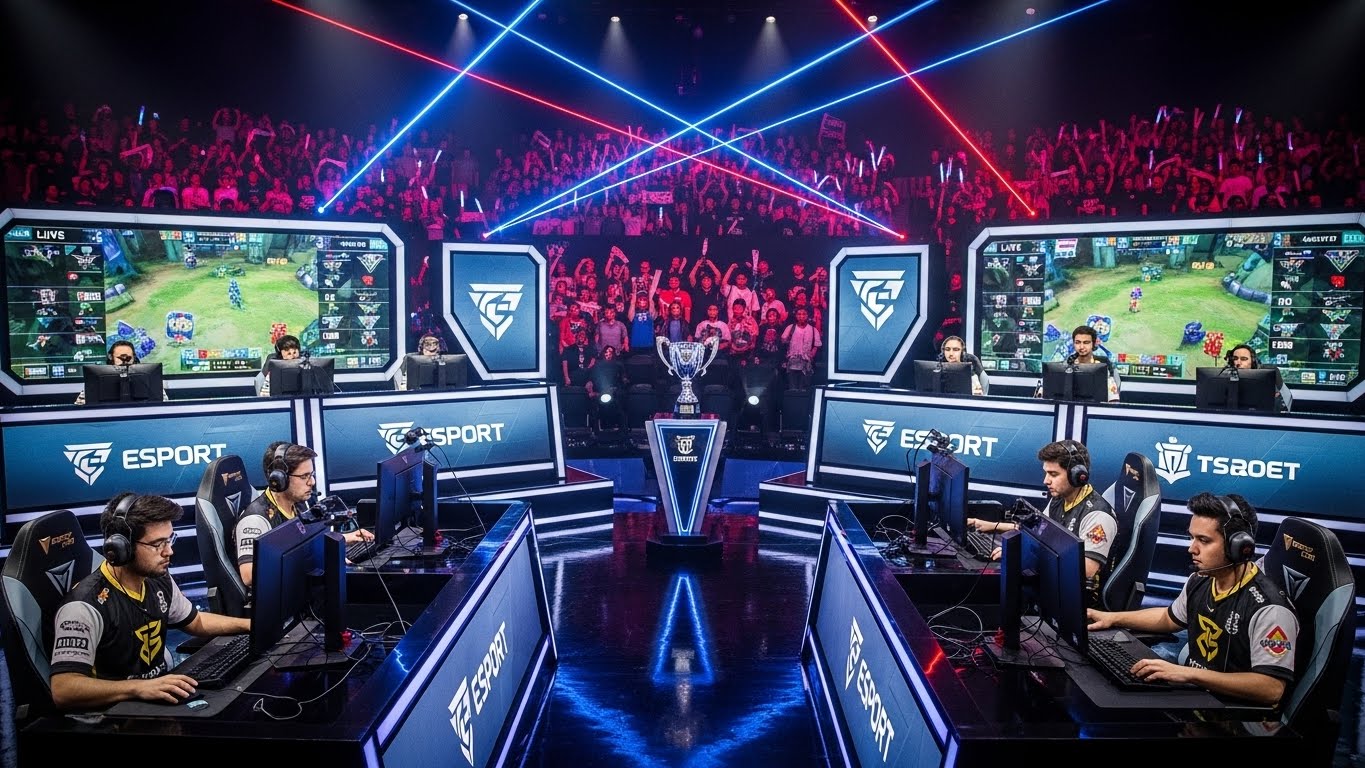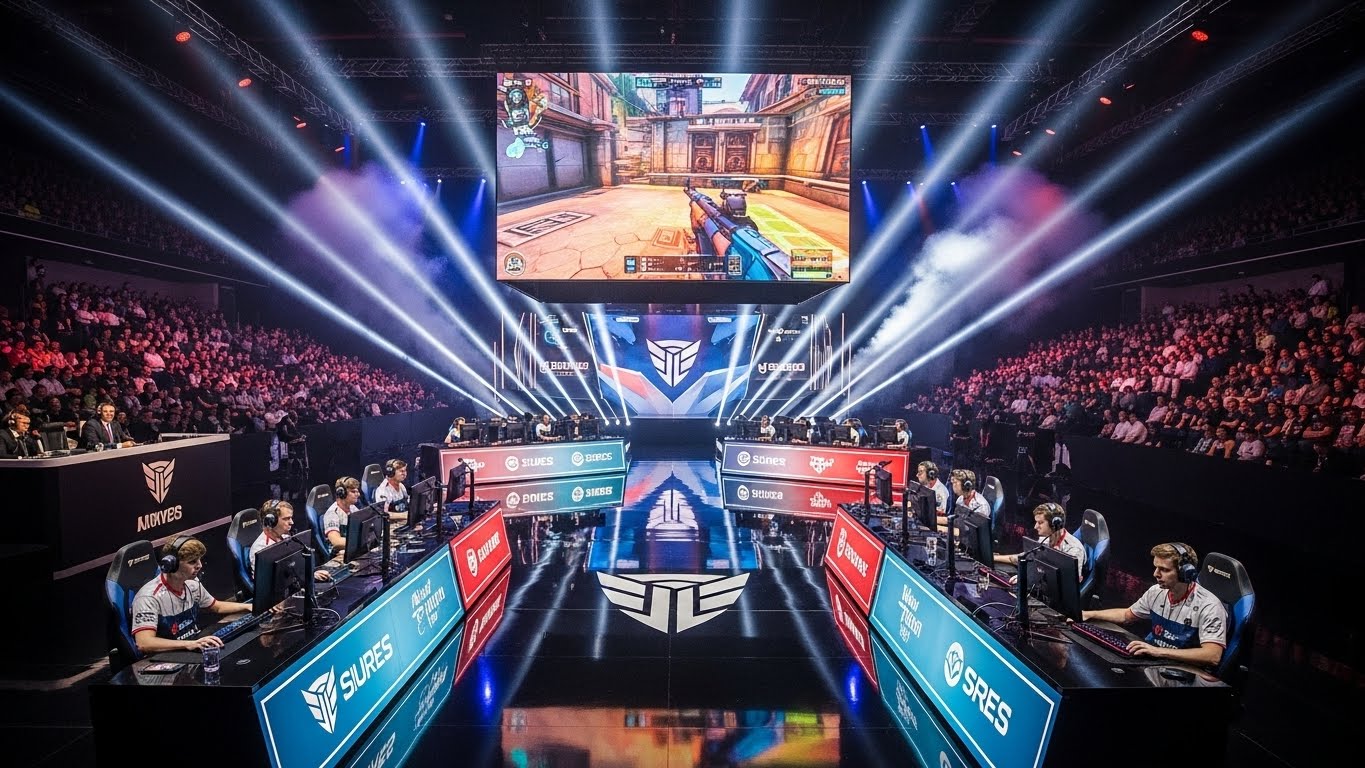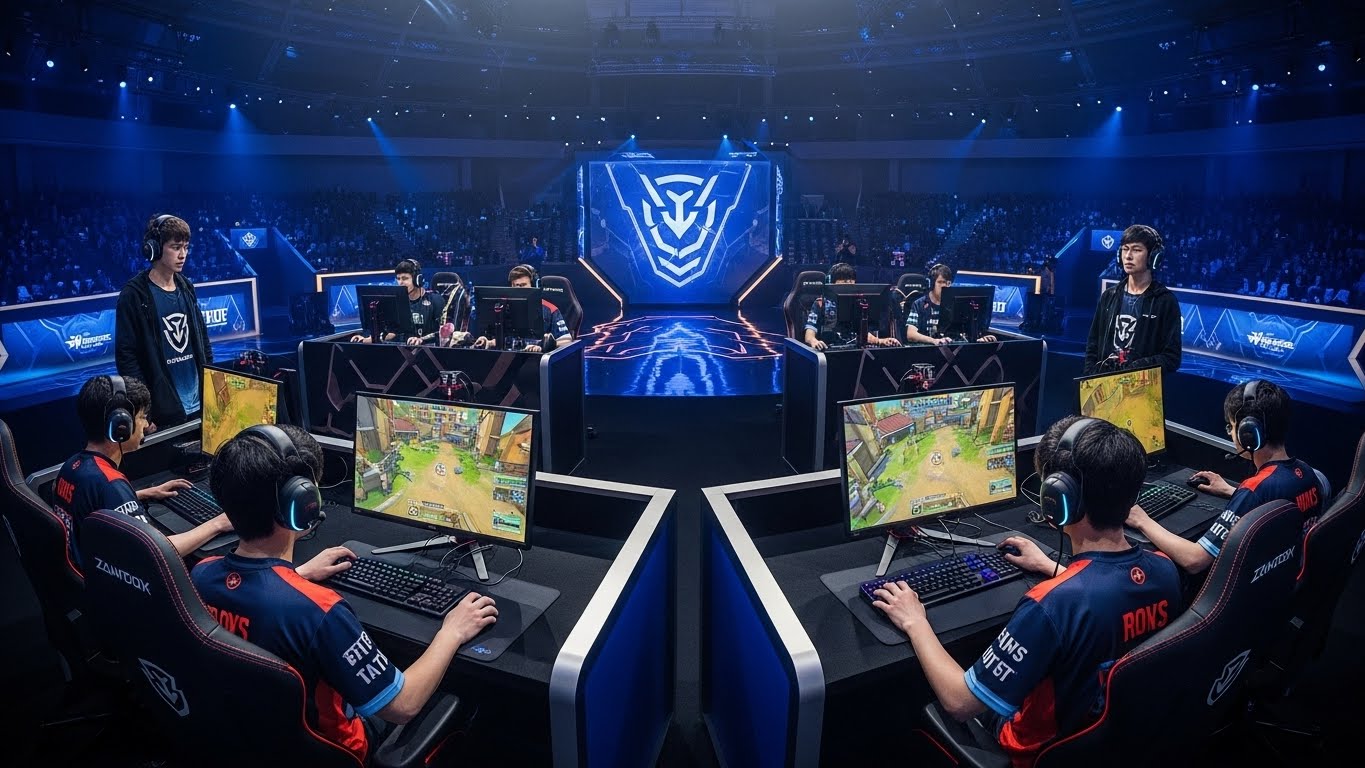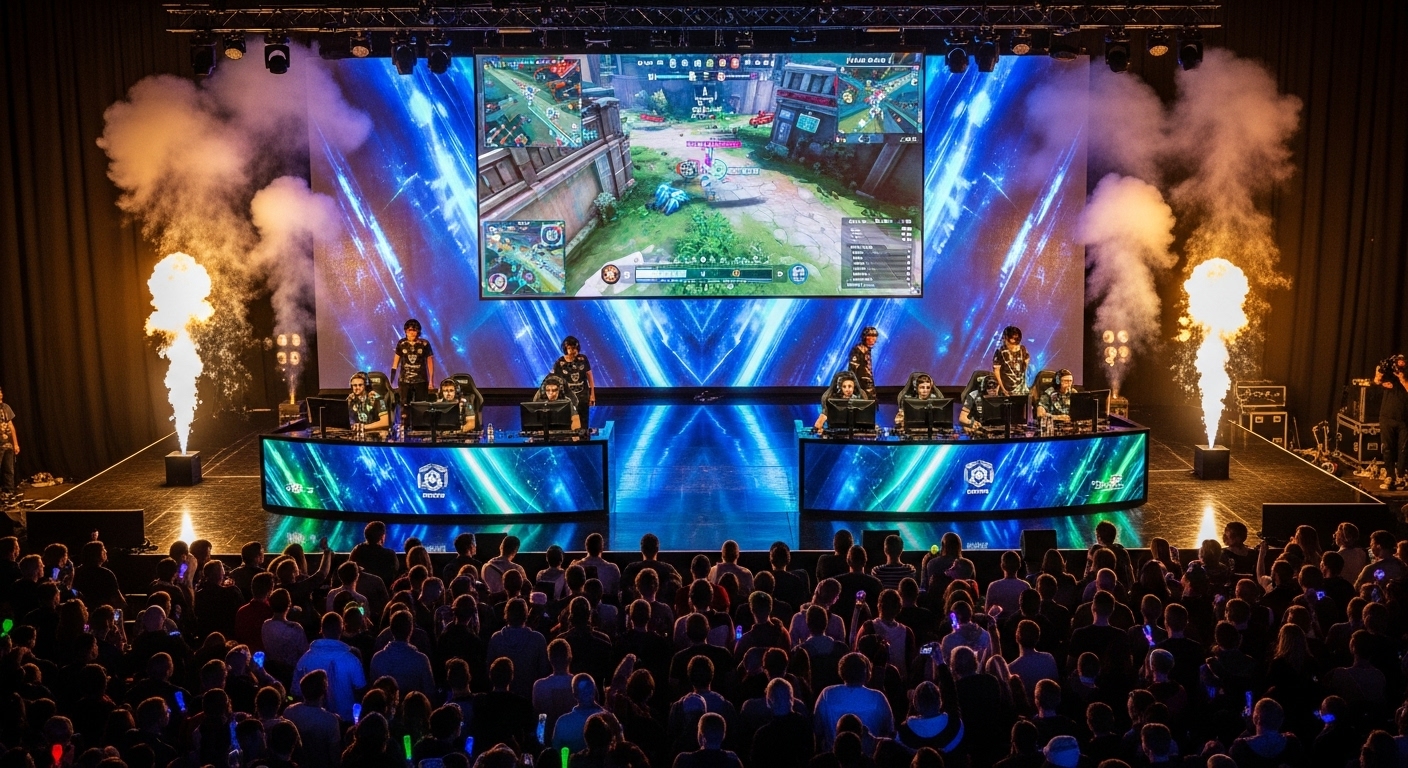
Esports, once dismissed as a niche hobby for passionate gamers, has grown into one of the largest entertainment industries in the world. The concept of people watching others play video games might have sounded strange a decade ago, yet today, arenas sell out for major tournaments, millions tune in online, and professional players are celebrated as global celebrities. This incredible transformation did not happen overnight. It was driven by technology, community, competition, and the human love for storytelling through play. Esports has evolved into a powerful blend of culture, technology, and business, shaping the future of entertainment and even education.
The Origins of Competitive Gaming
The story of esports begins long before live-streaming or high-definition graphics. Competitive gaming can be traced back to the early 1970s, when computer science students at universities began organizing small-scale tournaments on primitive machines. The first recorded video game competition took place in 1972 at Stanford University, featuring the game Spacewar!. The prize for the winner was a one-year subscription to a magazine, but the event marked the beginning of something greater — the recognition that games could be played competitively and that skill, not luck, determined the outcome.
During the 1980s, arcade machines and home consoles expanded the gaming audience dramatically. Titles like Pac-Man, Donkey Kong, and Street Fighter created communities of players who competed for the highest score. Arcades became social hubs where competition thrived, and leaderboards turned ordinary players into local legends. In Japan, companies like Nintendo and Sega began hosting official tournaments, planting the seeds for professional gaming.
However, the concept of esports as we know it today — structured tournaments, professional teams, sponsors, and spectators — did not fully emerge until the arrival of high-speed internet and online multiplayer gaming in the late 1990s.
The Internet Revolution and the Birth of Modern Esports
The late 1990s and early 2000s saw a massive shift in how people played video games. With the rise of the internet, games were no longer limited to local competitions or single-player modes. Players could now challenge opponents from across the world, forming online communities and clans that competed in virtual arenas.
One of the earliest global competitive hits was StarCraft, developed by Blizzard Entertainment in 1998. South Korea became the epicenter of this new wave of competitive gaming. Internet cafés known as “PC bangs” turned into battlegrounds for players, and professional StarCraft leagues began broadcasting on national television. Top players became household names, and the country established a model for organized esports years before the rest of the world caught up.
In North America and Europe, games like Counter-Strike, Quake, and Unreal Tournament built competitive ecosystems of their own. The emergence of LAN parties — where players connected multiple computers in a local network — allowed the competitive gaming scene to flourish offline as well. Major events like the Cyberathlete Professional League and the World Cyber Games gave players international platforms, marking the beginning of a global esports identity.
The Streaming Revolution and Global Explosion
The real breakthrough for esports came with the rise of streaming platforms. Before streaming, esports events struggled to find mainstream audiences because television networks were hesitant to broadcast video game competitions. Everything changed when platforms like Twitch, YouTube Gaming, and later Facebook Gaming allowed players and organizations to stream their matches live to millions of fans.
Streaming transformed esports into a global spectacle. For the first time, fans could watch their favorite players and teams in real time, engage with chat communities, and feel part of the action. It eliminated geographical barriers and made esports more interactive than traditional sports broadcasting. Twitch became the modern-day equivalent of a sports channel, and tournaments like The International for Dota 2 or the League of Legends World Championship drew millions of concurrent viewers, rivaling traditional sports events like the Super Bowl or the World Cup in online engagement.
Streaming also democratized the industry. Anyone with talent and an internet connection could showcase their skills, build a following, and climb the ranks. This accessibility made esports one of the most inclusive competitive ecosystems in history.
The Rise of Professional Players and Teams
The growing popularity of esports created a demand for structure and professionalism. What began as casual competition evolved into a global industry with professional teams, player contracts, sponsorships, and coaching staff. Major esports organizations like Team Liquid, Fnatic, Cloud9, and T1 became household names. These teams functioned much like traditional sports franchises, employing players, analysts, coaches, and media managers.
Players trained for hours daily, not just to improve mechanics but also to enhance their communication, mental endurance, and strategic understanding. Boot camps, performance psychologists, and nutritionists became part of the training process. The physical demands might not match those of football or basketball, but the cognitive load, reaction speed, and mental focus required are extraordinary.
The average professional esports player often begins training as a teenager and can reach peak performance in their early twenties. The level of skill on display in competitive matches is staggering. Games like League of Legends, Valorant, CS2, and Overwatch demand precision, coordination, and split-second decision-making. Watching professionals perform at such a level is not unlike witnessing an artist at work — a blend of instinct, practice, and intuition.
The Economics of Esports
The business of esports has grown into a multibillion-dollar industry. Revenue streams come from sponsorships, media rights, advertising, ticket sales, and merchandise. Brands across sectors — from technology giants to fashion companies — have invested heavily in esports. Energy drink companies, computer hardware manufacturers, and even luxury brands see value in connecting with the young, tech-savvy audience that esports attracts.
Prize pools have skyrocketed. The International, Valve’s annual Dota 2 championship, has awarded tens of millions of dollars in prize money, often crowdfunded through in-game purchases. This model, which involves fans contributing to the prize pool by buying digital content, highlights the deep engagement between the esports industry and its audience.
Franchise-based leagues have also become a major business model. The Overwatch League and Call of Duty League, for instance, follow a city-based team system similar to traditional sports. Investors include billionaires, athletes, and media moguls who see esports as the next major growth frontier in entertainment.
Esports arenas are being built around the world — from the HyperX Esports Arena in Las Vegas to purpose-built venues in Seoul, Shanghai, and Riyadh. These stadiums host thousands of live spectators while millions more tune in online. The convergence of digital and physical audiences showcases how esports transcends traditional entertainment boundaries.
The Cultural Impact of Esports
Esports has reshaped modern culture in profound ways. It has blurred the line between player and spectator, creating a participatory entertainment model. The culture of gaming, once considered fringe, now influences fashion, music, film, and even language.
Game soundtracks feature collaborations with major artists, while pop stars perform at esports events. The League of Legends virtual band K/DA, for instance, merges gaming, music, and augmented reality into one cultural phenomenon. Clothing lines inspired by esports teams are sold in mainstream fashion stores. Traditional sports organizations have also embraced esports, with football clubs like Manchester City and Paris Saint-Germain fielding professional gaming teams.
Esports has also challenged traditional ideas of what an athlete is. Players might not run laps or lift weights, but they embody the same competitive spirit, discipline, and teamwork. This recognition has prompted some universities to offer esports scholarships, and some countries now grant professional athlete visas to esports players, acknowledging their legitimacy.
Technology and Innovation Driving Esports
Technology lies at the heart of esports. Every major development in computing, graphics, and connectivity has contributed to its growth. High-refresh-rate monitors, low-latency internet, and powerful gaming PCs enable smoother gameplay and fairer competition. Game developers design titles with spectator modes, detailed statistics, and cinematic camera systems to enhance viewing experiences.
Artificial intelligence and data analytics are becoming increasingly important. Teams analyze player performance using advanced metrics, tracking everything from reaction time to decision efficiency. This level of analysis mirrors what we see in professional sports, where data-driven insights guide training and strategy.
Virtual reality and augmented reality also hold potential to reshape esports. Imagine future competitions where players interact in fully immersive digital arenas or where audiences can step into the perspective of their favorite player through VR headsets. As technology evolves, the boundary between game and reality will continue to blur.
Esports and Education
Beyond entertainment, esports has entered the educational space. Many schools and universities have begun integrating esports programs to teach teamwork, leadership, and digital literacy. These programs also encourage students to explore related fields such as game design, broadcasting, and event management.
Esports offers students who might not fit into traditional sports a platform to develop confidence and community. It fosters communication skills, strategic thinking, and the ability to perform under pressure. Some educators argue that esports can be a gateway to STEM careers, encouraging interest in technology and innovation.
Moreover, educational institutions now host their own competitive leagues, giving students a chance to experience structured competition at an early age. This early exposure not only cultivates talent but also instills valuable life skills such as perseverance and adaptability.
The Challenges Facing Esports
Despite its rapid growth, esports faces several challenges. One of the biggest is maintaining competitive integrity. Issues like cheating, match-fixing, and doping scandals occasionally surface, threatening the credibility of the industry. Game developers and organizers are investing heavily in anti-cheat technology and strict regulations to preserve fairness.
Player health is another concern. The intense training schedules, long hours, and constant screen exposure can lead to physical and mental fatigue. Repetitive strain injuries and burnout are common among professional players. Some organizations now prioritize wellness programs to ensure longevity in their athletes’ careers.
Another challenge lies in the volatility of the gaming industry itself. Unlike traditional sports, which are independent of any one company, esports titles are owned by developers who can change or discontinue games at will. A popular competitive game can fade quickly if its player base declines or if the developer shifts focus. This dependency makes the industry both dynamic and unpredictable.
Toxicity within online communities is also a persistent issue. Developers and platforms are working on better moderation systems and promoting positive gaming environments to make esports welcoming for all. Diversity and inclusion efforts are gradually improving, with more women and underrepresented groups entering the competitive scene.
The Future of Esports
Looking ahead, the future of esports appears limitless. As technology continues to evolve, so will the experiences surrounding competitive gaming. We can expect greater integration with virtual and augmented reality, more sophisticated data analytics, and global tournaments that rival traditional sports in production scale.
Esports will likely play a larger role in mainstream media. Already, networks have begun broadcasting major tournaments, and streaming platforms are investing heavily in exclusive esports content. The convergence of gaming, entertainment, and technology will continue to drive innovation.
Mobile esports, in particular, represents a huge growth opportunity. Games like PUBG Mobile and Mobile Legends have shown that competitive gaming is no longer limited to expensive PCs or consoles. In regions like Southeast Asia, India, and Latin America, mobile esports has become the dominant form of competition, reaching audiences that were previously untapped.
Esports may also influence how future generations view sports and entertainment as a whole. With the rise of virtual events, metaverse platforms, and digital communities, the line between spectator and participant will blur even further. Fans will not only watch but also shape the evolution of their favorite games and leagues.
Governments and global organizations are beginning to recognize esports officially. It is being considered for inclusion in multi-sport events such as the Olympics, which would represent the ultimate validation of its global influence. Whether or not esports ever becomes a full Olympic discipline, its cultural and economic footprint ensures it will remain a permanent fixture of modern life.
Conclusion: The New Era of Play
Esports is not just about games. It is about connection, creativity, and competition. It embodies the spirit of the digital age — an era where technology unites people across borders and cultures. The rise of esports reflects how deeply games have become woven into human experience, evolving from pastimes into platforms for achievement and expression.
As we look to the future, esports will continue to inspire innovation, challenge conventions, and expand the definition of what sport and entertainment can be. From humble beginnings in university labs and arcades to filling global arenas, it stands as one of the most remarkable cultural revolutions of the 21st century.
The journey of esports is far from over. It is only the beginning of a new era — an era where the power of play becomes one of humanity’s greatest shared experiences.