Introduction to Esports
Esports, short for electronic sports, has emerged as one of the most dynamic and rapidly growing industries in the world. From small local tournaments to massive global competitions with multimillion-dollar prize pools, esports has transformed gaming from a casual pastime into a serious professional endeavor. What once began as a niche hobby among gaming enthusiasts has now evolved into a cultural phenomenon, drawing millions of viewers, participants, and investors worldwide.
The appeal of esports is multi-faceted. It combines the thrill of competition, the strategic depth of traditional sports, and the immersive experience of video games. Players train rigorously, often dedicating hours each day to perfecting their skills, developing strategies, and coordinating with their teams. This professionalization has elevated esports to a level comparable to conventional sports, complete with sponsorship deals, media coverage, and dedicated fan bases.
The History of Esports
The roots of esports can be traced back to the late 1970s and early 1980s when arcade gaming was at its peak. Early competitions, such as the Space Invaders Championship in 1980, attracted thousands of participants and set the stage for competitive gaming. However, it was not until the rise of personal computers and networked gaming in the 1990s that esports began to take its modern form.
Games like Quake, StarCraft, and Counter-Strike laid the foundation for organized competitive gaming. The advent of the internet allowed players from different locations to compete against each other, leading to the creation of online leagues and tournaments. By the early 2000s, esports began to gain mainstream attention, with professional teams, sponsorships, and large-scale events becoming more common.
Today, esports has grown into a multi-billion-dollar industry with a diverse range of games, from first-person shooters and real-time strategy games to sports simulations and battle royale titles.
Popular Esports Games
Esports encompasses a wide variety of games, each with its own unique mechanics, strategies, and fan communities. Some of the most popular esports games include:
League of Legends (LoL)
Developed by Riot Games, League of Legends is one of the most played and watched esports titles globally. As a multiplayer online battle arena (MOBA) game, it pits two teams of five players against each other, each aiming to destroy the opposing team’s Nexus. The game’s complexity lies in its strategic depth, champion selection, and teamwork.
Dota 2
Dota 2, another popular MOBA developed by Valve, is known for its steep learning curve and highly competitive scene. The game requires players to coordinate with their team, manage resources, and make split-second decisions during intense battles. Its annual tournament, The International, is renowned for having one of the largest prize pools in esports history, attracting global attention.
Counter-Strike: Global Offensive (CS:GO)
CS:GO is a tactical first-person shooter where two teams, Terrorists and Counter-Terrorists, compete in various objective-based modes. Precision, reflexes, and strategy are key to success in CS:GO, making it a staple in competitive gaming. Its professional scene features major tournaments such as the ESL Pro League and Intel Extreme Masters.
Fortnite
Epic Games’ Fortnite revolutionized esports with its battle royale format, where 100 players compete to be the last person standing. Its mix of shooting, building, and fast-paced gameplay appeals to a broad audience, particularly younger gamers. Fortnite tournaments often feature massive prize pools and draw millions of online viewers.
Overwatch
Overwatch combines first-person shooter mechanics with team-based objectives and hero abilities. Developed by Blizzard Entertainment, the game emphasizes coordination, strategic play, and hero synergy. The Overwatch League has brought a professional structure to the game, similar to traditional sports leagues.
The Competitive Scene and Tournaments
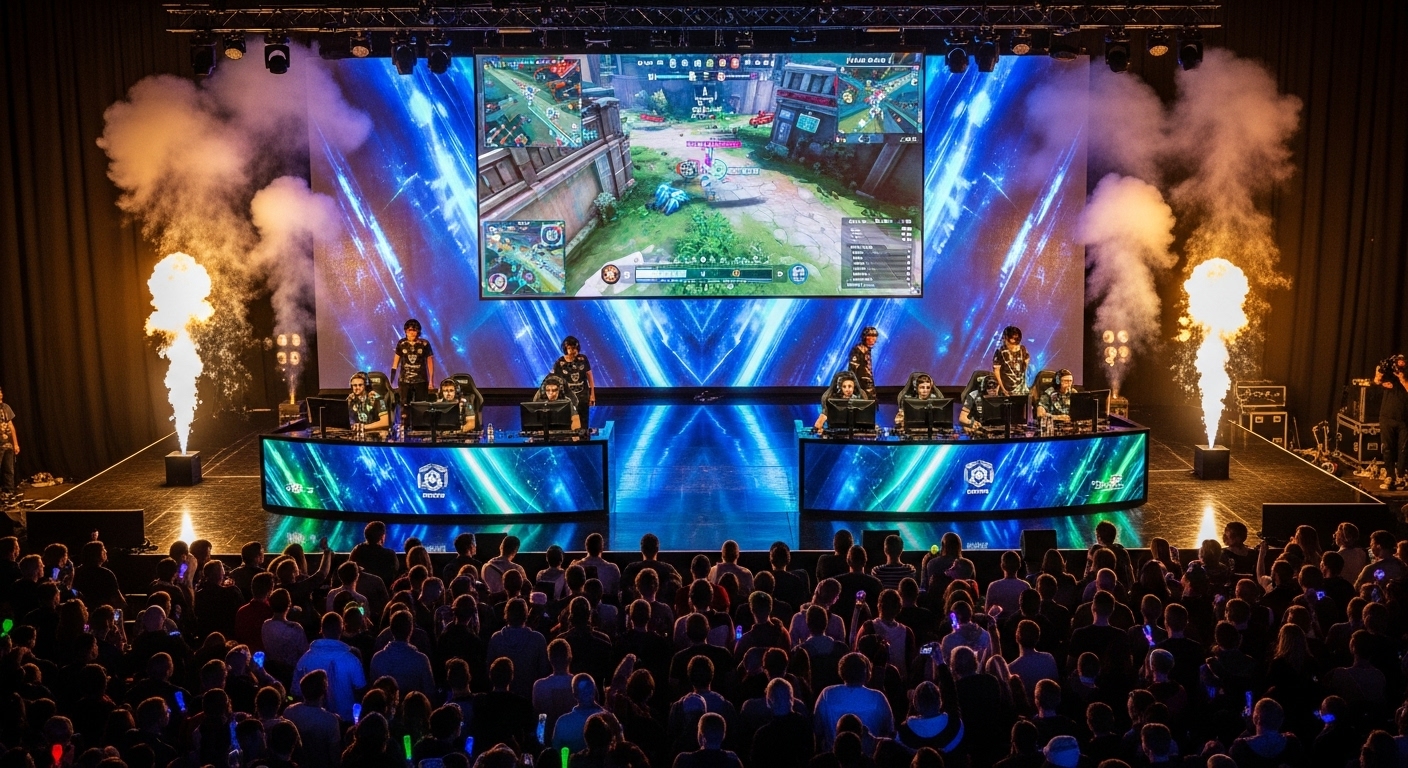
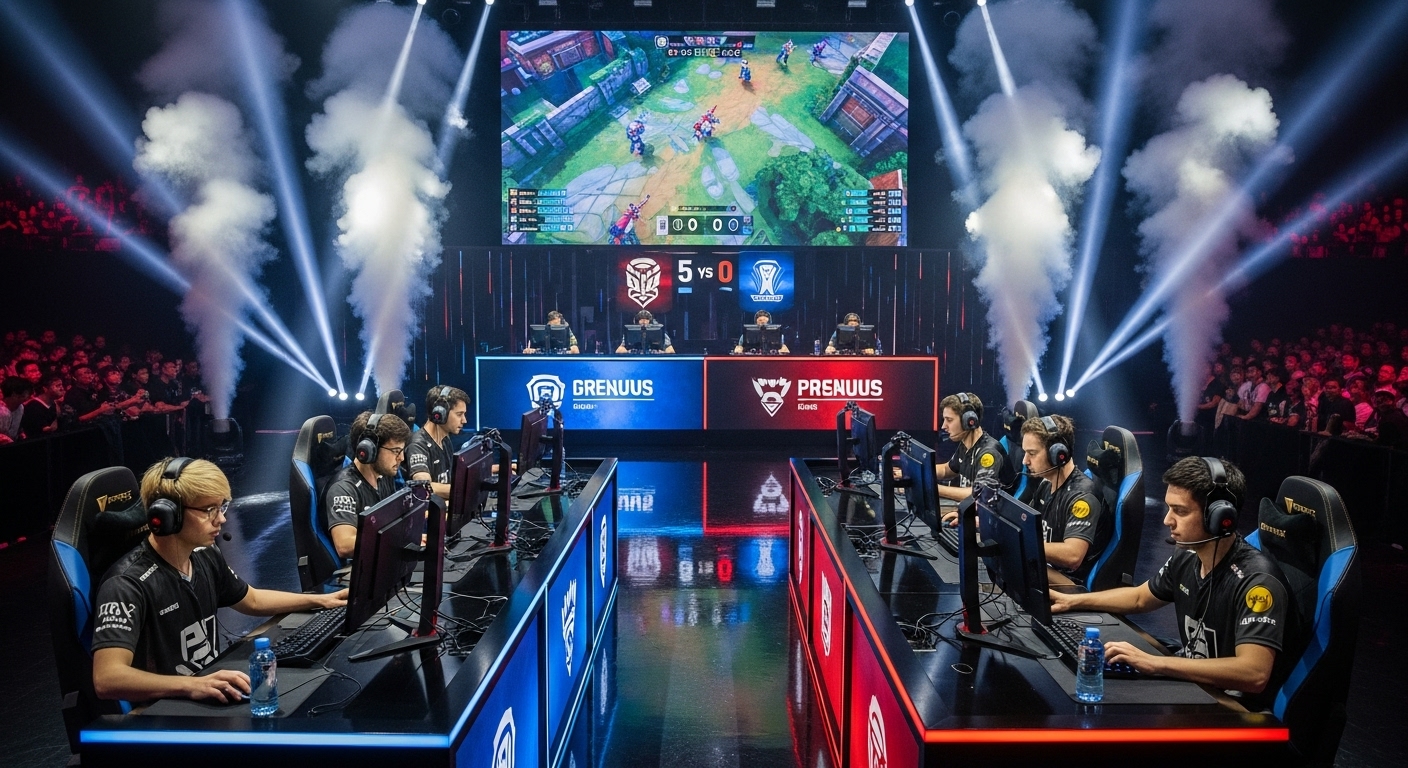
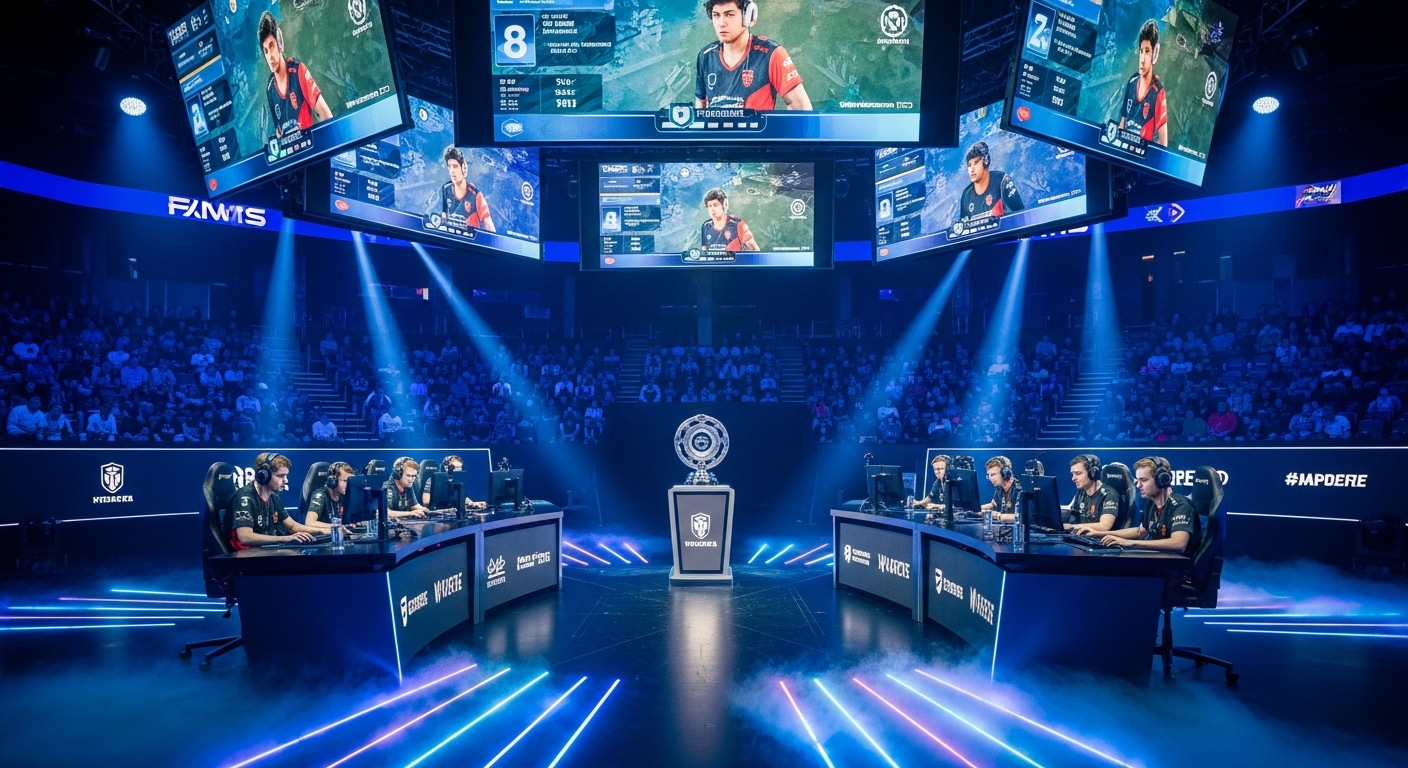
Esports tournaments are the centerpiece of the industry, providing players and teams with opportunities to compete at the highest level. These events range from small local competitions to international tournaments broadcast to millions of viewers online and in arenas.
Major tournaments often offer substantial prize money, attracting top talent from around the world. For instance, The International (Dota 2) and the League of Legends World Championship are known for their massive prize pools and global reach. These events are not just competitions; they are spectacles, featuring live broadcasts, commentary, and fan engagement activities.
Regional leagues also play a critical role in the esports ecosystem. They provide a structured pathway for teams to qualify for international events and offer consistent opportunities for players to compete and develop their skills. Examples include the LCS (League of Legends Championship Series) in North America and the LEC (League of Legends European Championship) in Europe.
Professional Players and Teams
Professional esports players dedicate their lives to mastering their craft. Unlike casual gamers, they follow rigorous training schedules, analyze gameplay data, and work closely with coaches and analysts to improve performance. Professional teams often consist of specialized roles, with each player focusing on a specific aspect of the game.
Esports teams also have management structures similar to traditional sports franchises. They have coaches, analysts, marketing teams, and support staff to ensure players perform at their best. Sponsorship deals, merchandise, and media appearances are additional aspects that professional players engage in, highlighting the commercial potential of esports careers.
The Rise of Streaming and Content Creation
Streaming platforms like Twitch and YouTube Gaming have played a pivotal role in the growth of esports. They allow fans to watch live competitions, follow their favorite players, and engage with gaming communities in real time. Streaming has also created opportunities for content creators to build personal brands, earn revenue through subscriptions and donations, and influence the esports industry.
Content creation and streaming go hand-in-hand with esports. Many professional players maintain channels where they share gameplay, tips, and behind-the-scenes experiences. This direct connection between players and fans fosters a sense of community and enhances the popularity of esports titles.
Esports and Its Global Impact
Esports has a significant cultural and economic impact worldwide. Countries such as South Korea, China, and the United States have developed thriving esports industries, complete with government support, corporate investment, and educational programs. South Korea, in particular, is renowned for its esports infrastructure, with professional players receiving celebrity status and televised matches attracting millions of viewers.
Economically, esports contributes billions of dollars through tournament prize pools, sponsorship deals, merchandise sales, and media rights. Major brands, including technology companies, beverage companies, and apparel brands, sponsor esports events, recognizing the potential to reach a young, engaged audience.
Challenges Facing Esports
Despite its rapid growth, esports faces several challenges. One of the primary concerns is player burnout. The intense training schedules, high-pressure environments, and constant travel can lead to physical and mental health issues. Organizations are increasingly recognizing the importance of support systems, including mental health resources, fitness programs, and balanced schedules.
Another challenge is maintaining integrity and fairness. Match-fixing, cheating, and toxic behavior remain issues that the industry must continually address. Esports organizations, tournament organizers, and game developers are implementing strict rules, anti-cheat measures, and penalties to uphold the competitive integrity of the scene.
The Future of Esports
The future of esports looks incredibly promising. Advances in technology, such as virtual reality (VR) and augmented reality (AR), could create new genres of competitive gaming. The integration of esports into mainstream media and traditional sports networks is also likely to expand its reach.
Education and career pathways in esports are growing as well. Universities now offer scholarships for esports players, courses in game design and management, and research opportunities in the field. This professionalization ensures that esports continues to evolve as a legitimate and respected industry.
Esports is also likely to become more inclusive. Efforts are being made to promote diversity in gaming, with initiatives to encourage female participation, support LGBTQ+ players, and foster international collaboration. A more inclusive esports community will contribute to the sustainability and global appeal of competitive gaming.
Conclusion
Esports has transformed the gaming landscape, turning video games into a legitimate professional pursuit and a global entertainment phenomenon. Its growth has been fueled by passionate players, dedicated fans, technological advancements, and significant economic investment. From small local tournaments to massive international competitions, esports continues to captivate audiences and redefine what it means to be a professional gamer.
As esports continues to evolve, it will likely play an even larger role in shaping popular culture, technology, and entertainment. The journey of esports—from its humble beginnings in arcades to its current status as a multi-billion-dollar industry—demonstrates the power of gaming to unite, inspire, and entertain people around the world.
In the coming years, we can expect esports to continue breaking barriers, creating new opportunities, and influencing the way we think about sports, competition, and digital entertainment. The world of esports is no longer just a game; it is a global phenomenon, and its best days are yet to come.